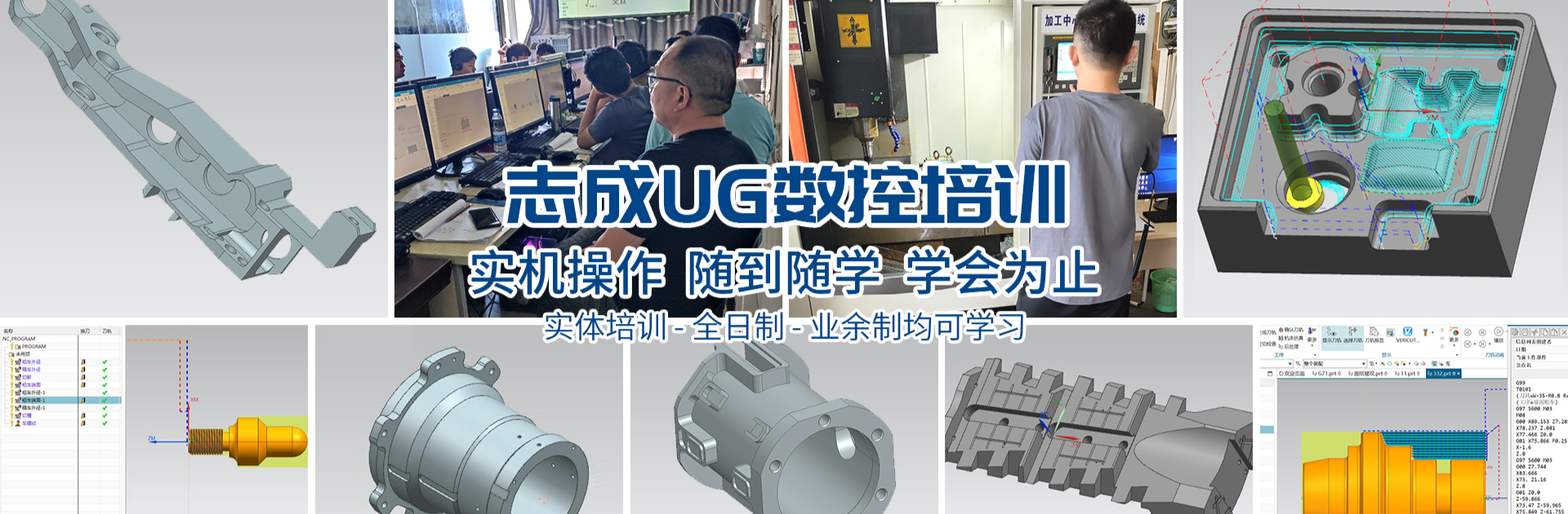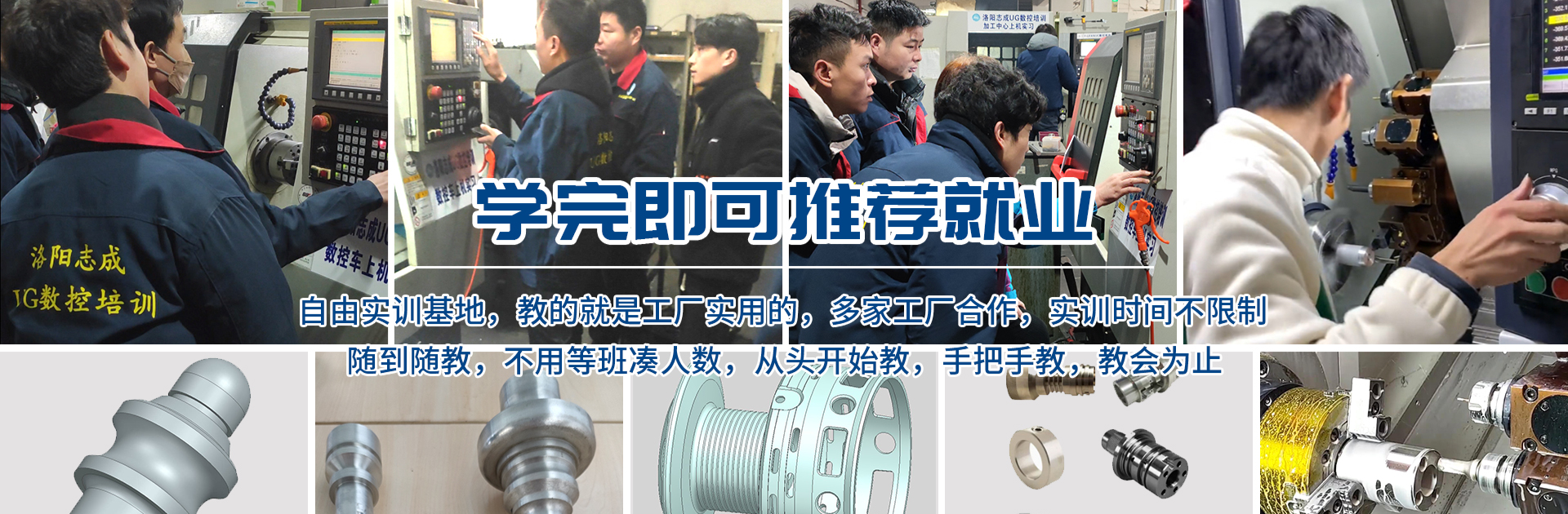
CNC Lathe Training, Machining Center Training, CNC Training

"Combining Turning and Milling Programming Training: Empowering Manufacturing Transformation and Upgrading" This theme highlights the significant role of combined turning and milling programming in modern manufacturing and the crucial role of training in driving the transformation and upgrading of the manufacturing industry. The following is a detailed discussion on this theme:
I. Definition and Advantages of Machining Center and Turning Programming
A turning and milling composite programming is a manufacturing method that combines traditional turning and milling processes. It leverages the advantages of modern CNC technology to achieve multiple machining operations in a single setup. This method boasts the following significant advantages:
Enhancing Manufacturing Efficiency: Through reducing the number of fixture changes and adjustment times, turning and milling composite programming significantly boosts production efficiency. Improving Processing Accuracy: Completing multiple machining operations in a single fixture change eliminates errors caused by multiple changes, thereby enhancing processing accuracy. Reducing Production Costs: High-precision machining reduces the rate of parts needing repair and scrap, consequently lowering production costs. Versatile Adaptability: Turning and milling composite programming is suitable for manufacturing various complex parts, such as automotive and aerospace components, offering wide applicability.
The Importance of Training on CNC Mill-Turn Programming
As the rapid development of the manufacturing industry and continuous technological advancements, multi-axis machining programming has become an indispensable part of modern manufacturing processes. Consequently, the importance of multi-axis machining programming training is increasingly highlighted: Mastering Key Technologies: Multi-axis machining programming training enables trainees to grasp the key technologies of future manufacturing, enhancing their competitiveness in the job market.
Meeting Market Demands: As the manufacturing industry continues to upgrade and transform, the demand for composite turning and milling programmers is on the rise. Training programs can cultivate more highly skilled professionals to meet market needs. Driving Manufacturing Development: Composite turning and milling programming, as an advanced manufacturing technology, can propel the industry towards more efficient, accurate, and rapid development.
Section III: Content and Methods of CNC Milling and Turning Programming Training
The training for composite turning and milling programming typically covers the following aspects:
Theoretical Study: Students must understand the basic principles, process characteristics, programming methods, and software usage of turning and milling compound programming. Simulation Training: Through simulated software operations, students become familiar with the processes and techniques of turning and milling compound programming, enhancing their programming and operational skills. Machine Tool Practice: Real-world operation on actual turning and milling compound machines allows students to master practical skills and experience, improving their operational capabilities and problem-solving abilities. Case Analysis: Analyzing real-world cases helps students understand the application and effectiveness of turning and milling compound programming in production, enhancing their understanding and recognition of the subject. Training methods typically include classroom teaching, practical operations, and project-based training to ensure comprehensive and in-depth mastery of turning and milling compound programming skills and knowledge.


b2b.china9.net © Zhongshang 114 Hebei Network Technology Co., Ltd.Address: Room 6009, Oriental New World Center, No.118 East Zhongshan Road, Qiaoxi District, Shijiazhuang City, Hebei ProvincePlatform Service Hotline: 4006299930