
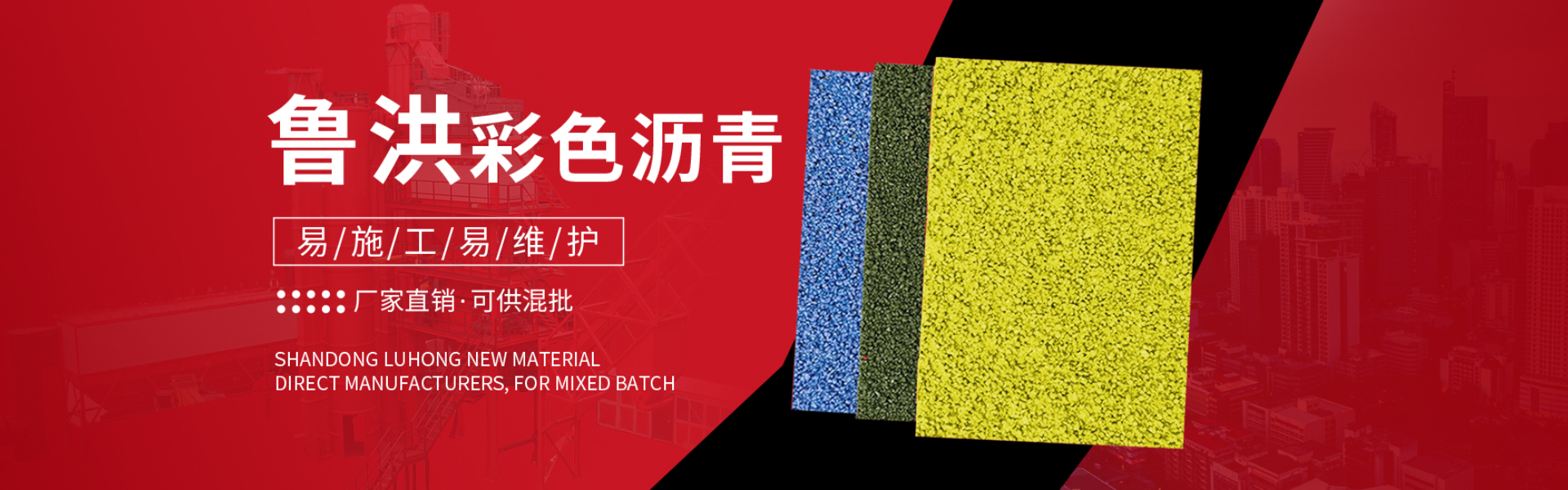
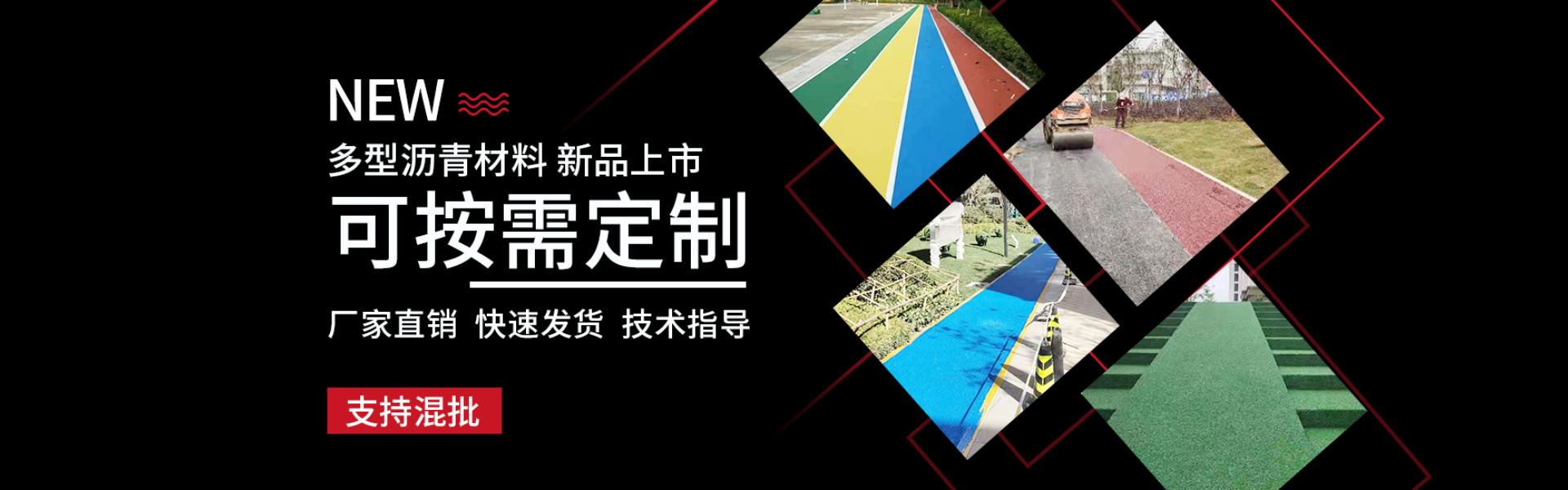


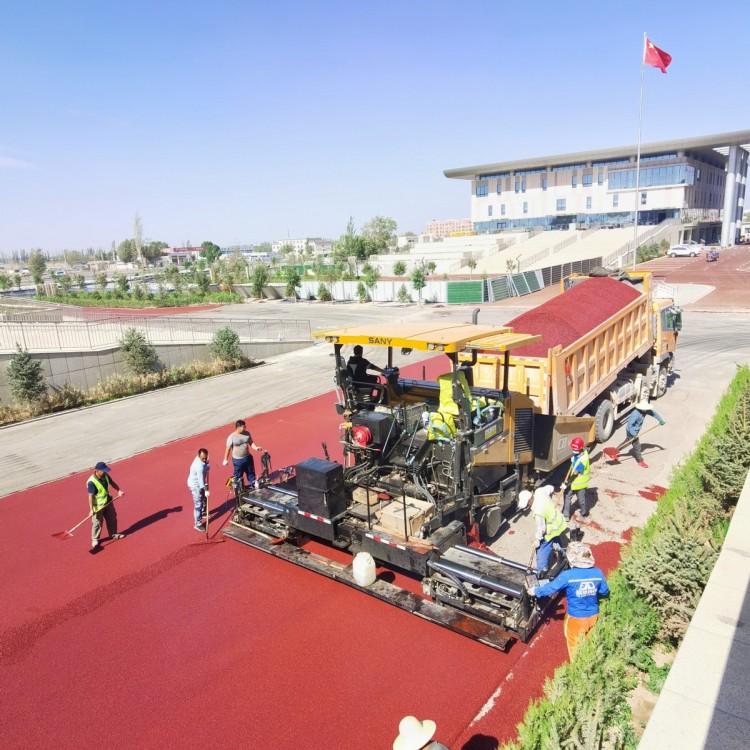
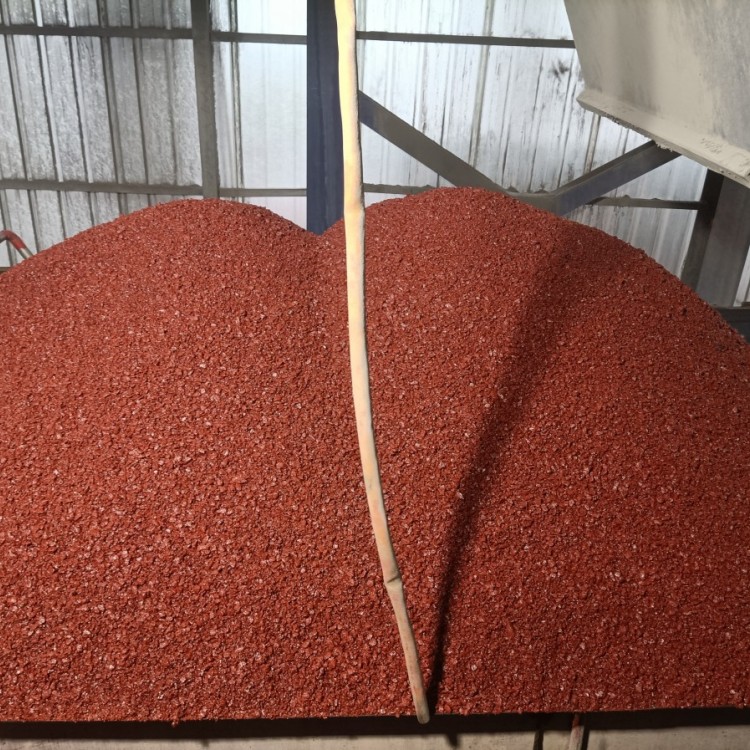
Color asphalt, also known as colored binder, is a type of binder that mimics the components of petroleum asphalt, produced by blending and modifying petrochemical materials such as petroleum resin and SBS modifier. This asphalt is not inherently colored or colorless; rather, it is deep brown. In recent years, due to market convention, it is commonly referred to as color asphalt. The three major indicators of color asphalt must meet the technical requirements of matrix asphalt, which align with the technical specifications of CJJ/T 218-2014 "Technical Code for Color Asphalt Concrete Pavement in Urban Roads." Based on its road performance, the LS series color asphalt is categorized into three main types: matrix, modified, and special, catering to various different demands in the color paving market.
Color asphalt paving is primarily used for greenways, bike lanes, pedestrian paths, landscape gardens roads, and other slow-mode systems and scenic roads.
Color asphalt, also known as colored binder, is a type of road construction material, currently available in two types:
1. Colorless binder (not solid color, ranging from brown to dark brown, with lighter color indicating higher quality) mixed with color powder; the colorless binder can be derived from asphalt decolorization or mixed from light-colored polymers such as petroleum resin.
2. Directly modified through asphalt, this binder features strong anti-aging properties of asphalt, with a brownish-red color.
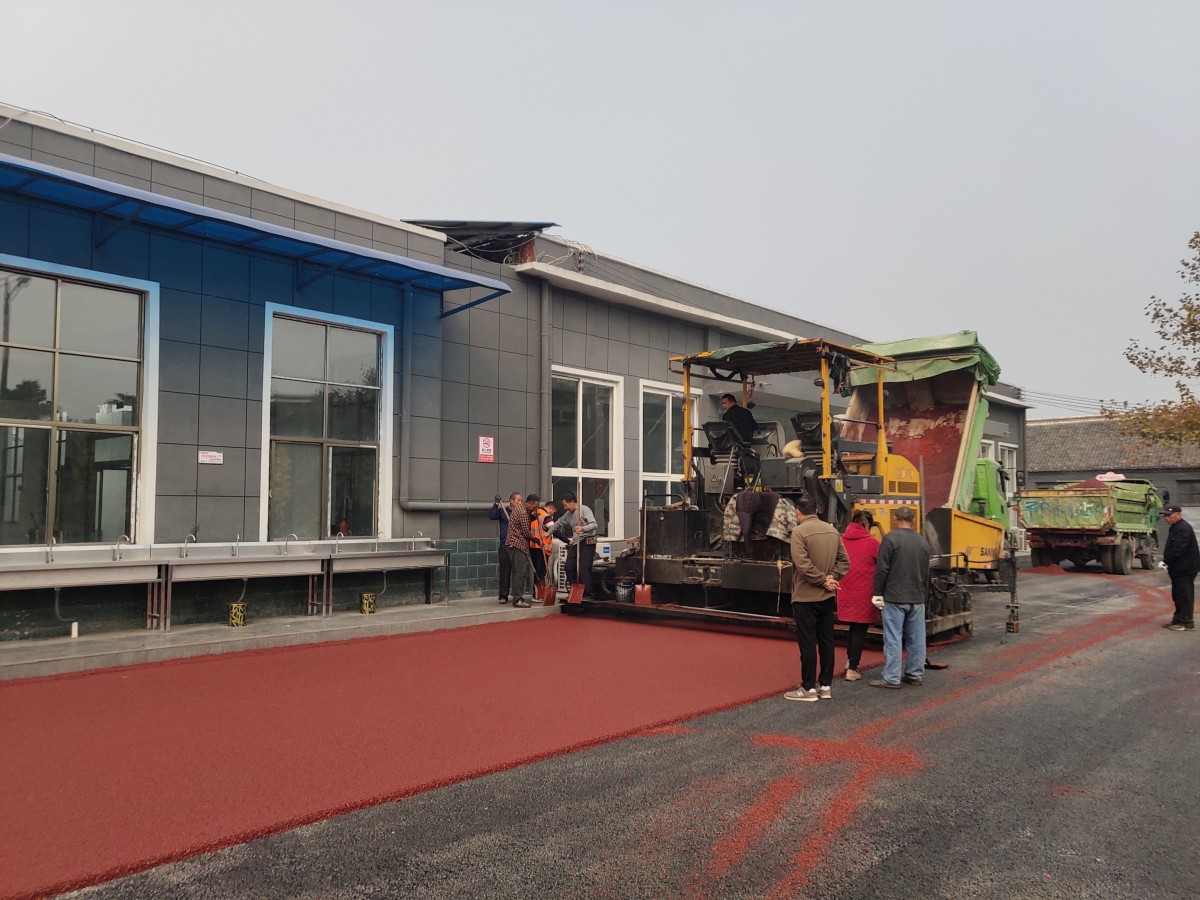 Color asphalt
Commonly seen types exist, but the process of directly decolorizing black asphalt to produce colorless binder has been largely phased out.
Drainage type
Based on the drainage and noise-reduction road surfaces, we have developed drainage-type colored asphalt pavements. These pavements feature the performance characteristics of drainage roads while also serving to beautify urban environments. They can be widely used in traffic landmark roads, sidewalks, residential roads, parks, squares, parking lots, and other landscape paving.
Color Drainage Asphalt Pavement Types: OGFC-05, OGFC-10, OGFC-13
Anti-slip type
Non-slip (abrasion-resistant) pavements are commonly used on road surfaces where braking and deceleration are required, as well as in parkland and residential community areas, and other urban landscape roadways that necessitate high friction coefficients. The fundamental concept is to enhance and maintain the anti-slip, safety, and aesthetic performance of these areas. This is achieved by fixing high-abrasion aggregates with adhesives to the pavement, creating a resilient surface. The thickness of this pavement is typically 3 to 5 millimeters.
Product Advantages
Excellent water dispersion and anti-slip performance: The road surface has good water dispersion and anti-slip capabilities, effectively reducing braking distance and enhancing driving safety.
Quick construction cycle: The fast and efficient construction process effectively reduces traffic delays caused by construction.
Excellent noise reduction: The fine aggregate structure conducts sound effectively, which can reduce noise by 3~4 decibels on concrete pavements.
Good visual perception: The colored road effectively enhances the brightness of the road color, significantly improving the visual effect of the road surface.
Color Asphalt Technology: Cold-laid colored pavement, hot-mixed colored pavement.
Anti-rut type
High-performance road products developed through repeated comparative tests draw on the research findings of epoxy colored asphalt. Based on the characteristics of colored asphalt, the performance of colored asphalt is fundamentally improved by adding an appropriate amount of hardener. Features: BX colored asphalt requires no additional equipment (including asphalt tanks, etc.), using a direct-injection method into the mixture, compatible with any base mix; easy to use, store, transport, and produce.
