


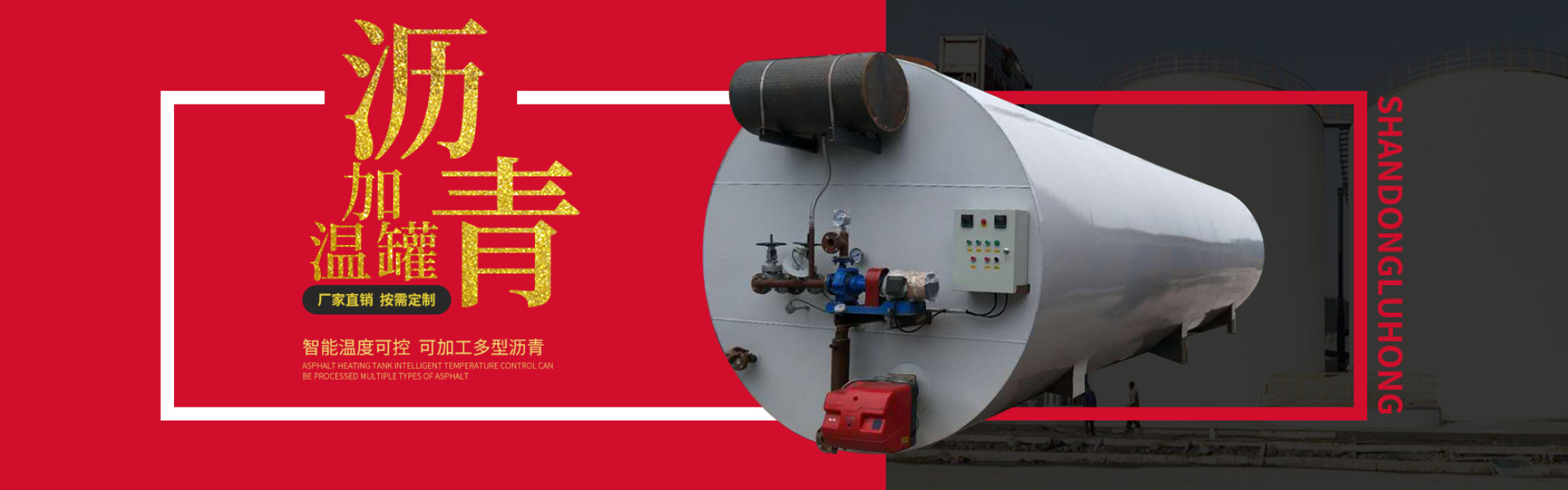
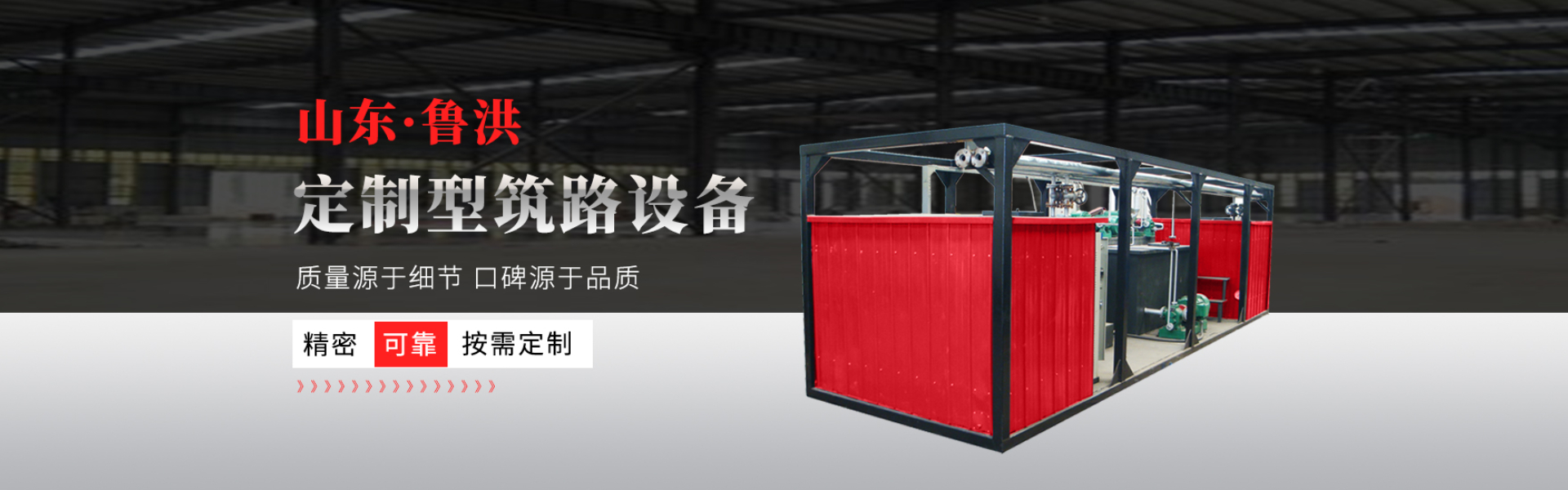

Many road builders should be aware that the use of emulsified asphalt equipment involves continuous circulation and heating to ensure safety. But how does the emulsified asphalt equipment achieve this circulation heating? In fact, the emulsified asphalt equipment consists of a sealed shell, an absorbent core adhering to the shell surface, and the working fluid encapsulated within the shell after it is vacuumed.
When the heat source heats one end of the heat pipe, the working fluid is heated, boils, and evaporates. The steam flows rapidly towards the cold end of the heat pipe due to the pressure difference, where it releases latent heat and condenses. The condensed liquid is then drawn back from the cold end to the hot end by the capillary suction force of the absorbent core. This cycle continues, transferring heat from the hot end to the cold end continuously.
When the heat source heats one end of the heat pipe, the working fluid is heated, boils, and evaporates. The steam flows at high speed towards the cold end of the heat pipe due to the pressure difference, releases latent heat by condensing at the cold end. The condensed liquid returns to the hot end by the capillary suction force of the absorbent core. This cycle continues, transferring heat from the hot end to the cold end continuously. Therefore, the normal working process of the heat pipe in the emulsified asphalt equipment is a closed cycle composed of the evaporation of the liquid, the flow of steam, the condensation of steam, and the回流 of the condensed liquid.
