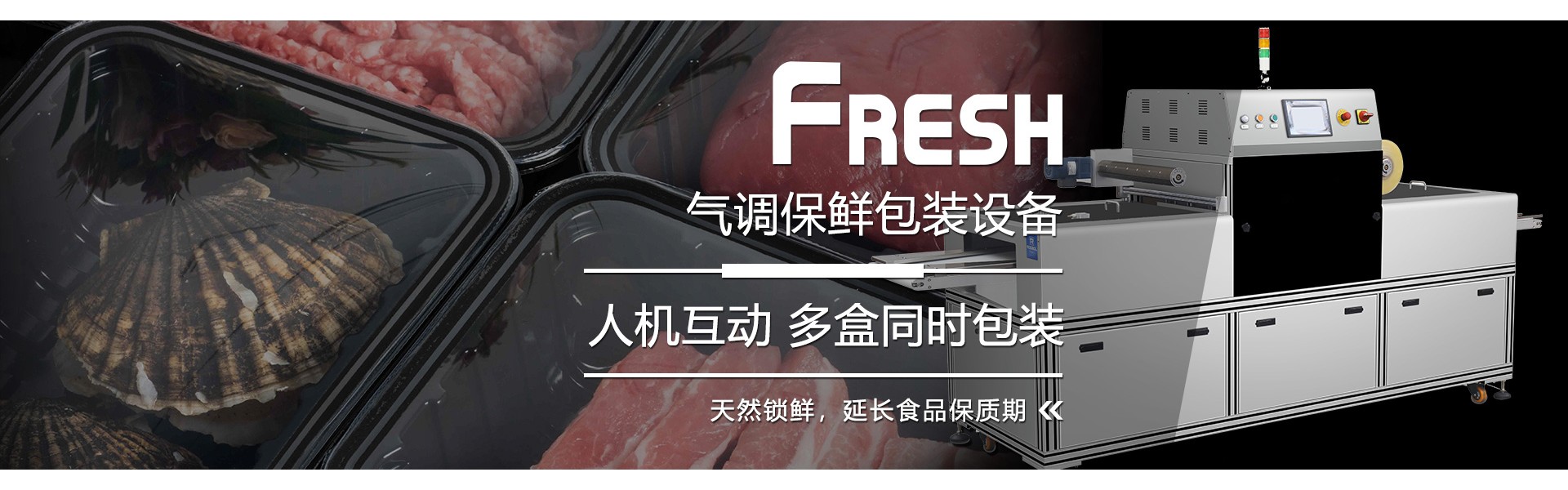
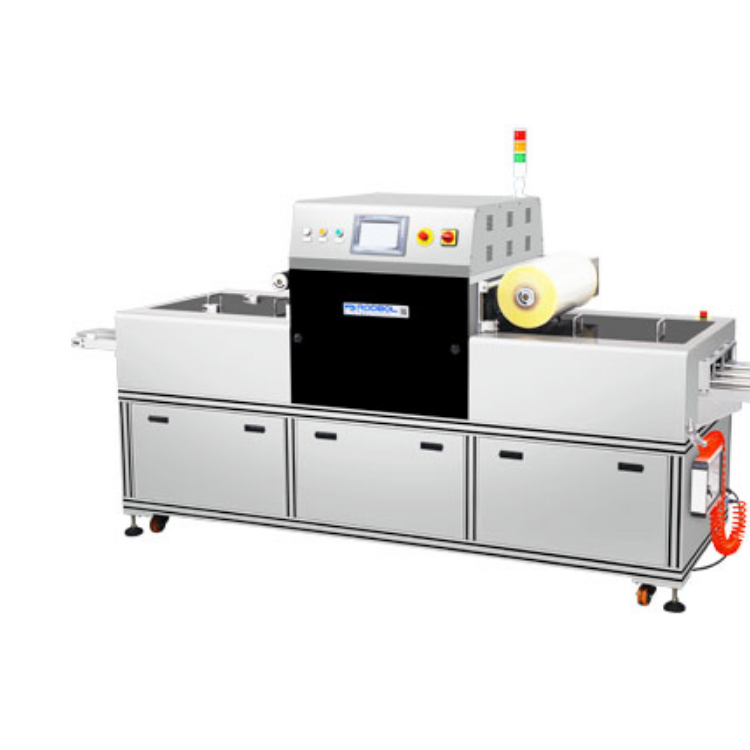
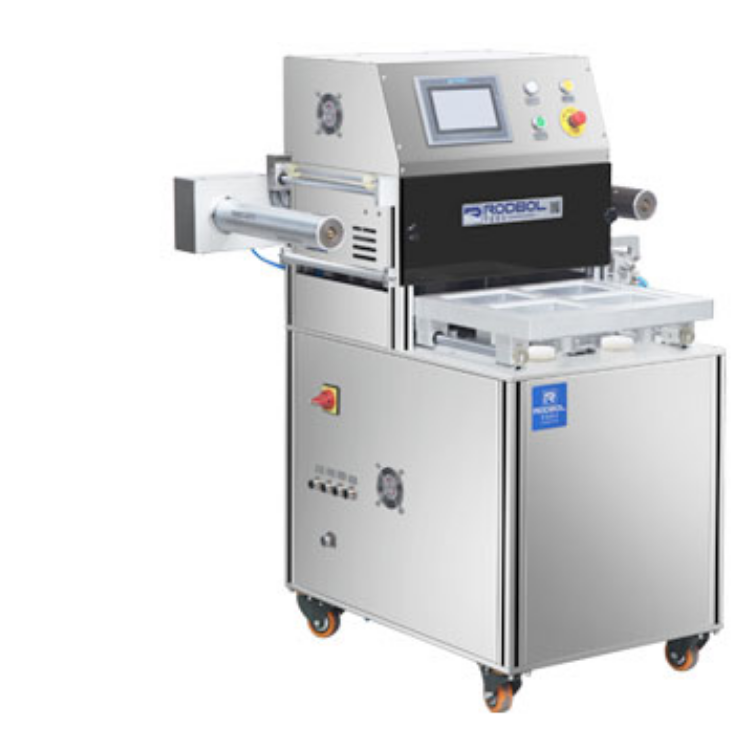
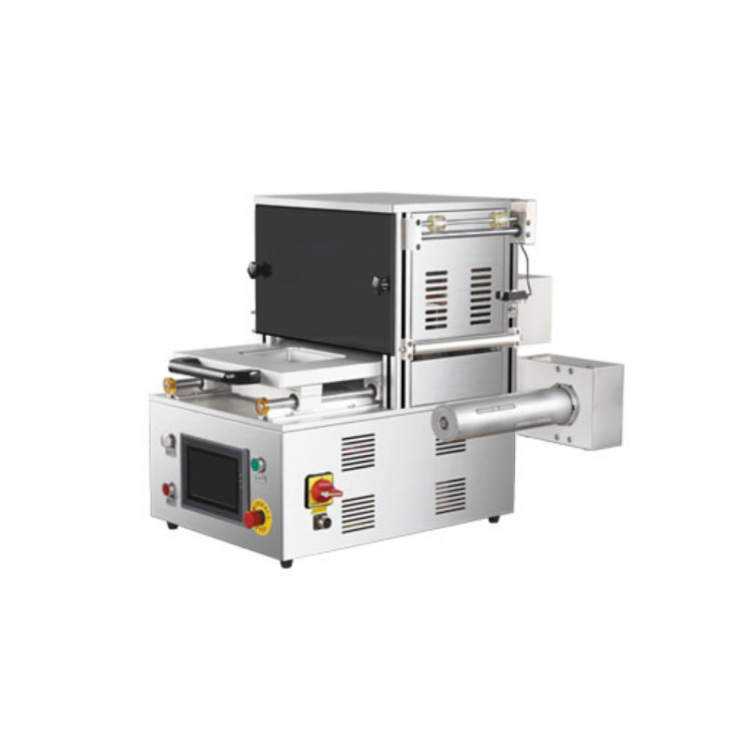
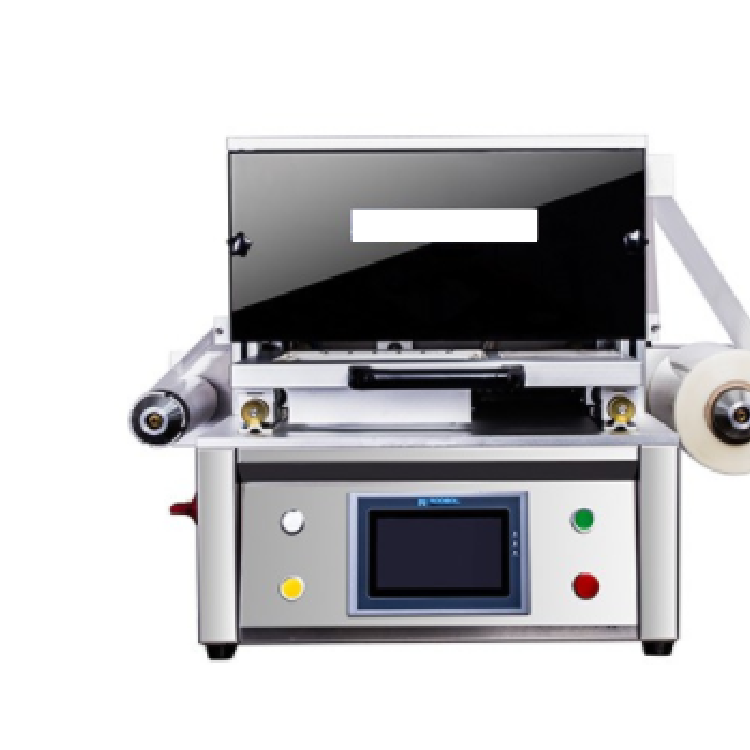
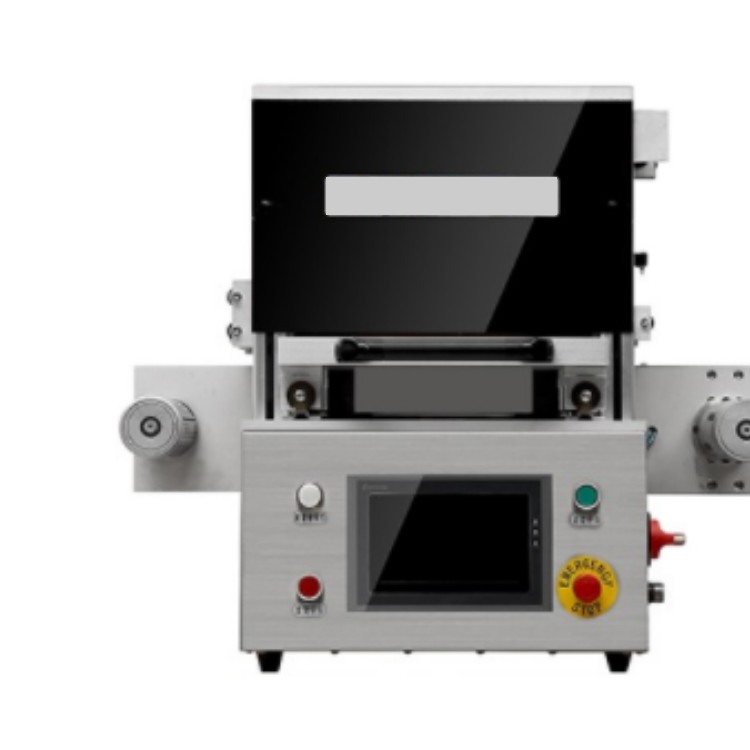
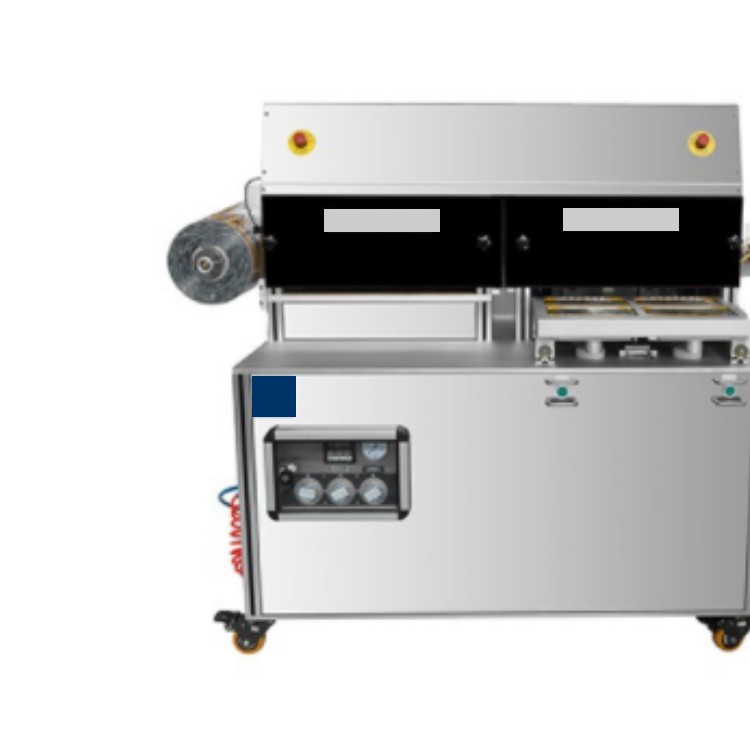
Vacuum Packaging Machines, Modified Atmosphere Packaging Machines, Ready-to-Eat Food Packaging Boxes
15902878204
Modified Atmosphere Packaging (MAP), also known as CAP abroad, or gas-flushed packaging or inert gas packaging domestically, involves filling packaging with gases like N2, O2, CO2, or a mixture of O2+N2 or CO2+N2+O2 (i.e., MAP). This technology is widely used for food preservation, extending shelf life, and enhancing food value.
The Application of CO2 in Food Packaging
High concentrations of CO2 can inhibit the reproduction of aerobic bacteria and fungi, extending the stagnation and exponential growth periods of microorganisms, and acting as a preservative and anti-fungal agent. China has successfully researched and utilized nanotechnology to efficiently catalyze the synthesis of biodegradable plastics from CO2. This involves "粉碎ing" the catalyst for producing plastic from CO2 to the nanoscale, enabling the catalytic molecules to polymerize with CO2. Each gram of catalyst can then catalyze approximately 130 grams of CO2, resulting in new packaging materials containing 42% CO2. As an environmentally friendly material with excellent biodegradability, its application prospects are vast.
The Application of Nitrogen in Food Packaging
Nitrogen (N2) is an ideal inert gas, serving unique functions in food packaging: it does not react chemically with food and is not absorbed by it. It reduces the oxygen content within the packaging, inhibiting the growth and reproduction of bacteria, molds, and other microorganisms, slowing down the oxidation and spoilage of food, thereby extending its shelf life. Nitrogen-filled packaging also effectively prevents food from being crushed, sticking together, or clumping, maintaining the geometric shape, dryness, crispness, color, and aroma of the food. Currently, nitrogen-filled packaging is rapidly replacing traditional vacuum packaging and has been applied to fried potato chips, French fries, and oil-cooked foods. It is favored by consumers, especially children and young people, and is expected to be used in more food packaging applications.
When using N2 in applications, it is crucial to prioritize its purity and quality. Nitrogen, separated from compressed air via membrane separation or pressure swing adsorption, can achieve a purity of over 99.9%. The purity of N2 used in food packaging must reach the pure nitrogen grade (i.e., safety grade).
The Application of Composite Gases in Packaged Foods
MAP packaging, commonly known internationally as Modified Atmosphere Packaging, utilizes a blend of gases typically consisting of CO2, N2, O2, and a small amount of specialty gases. CO2 inhibits the growth and reproduction of most aerobic spoilage bacteria and molds; O2 suppresses the growth and reproduction of most anaerobic spoilage bacteria; it preserves the color of fresh meat, maintains the aerobic respiration and freshness of fruits and vegetables; and N2 serves as the filling gas. The composition and ratio of the blend are carefully selected based on the type of food, preservation requirements, and packaging material to achieve high preservation quality of packaged foods, good retention of nutritional components, the ability to truly maintain the original properties, and to extend the shelf life of fresh preservation.
Specific Applications of Modified Atmosphere Packaging
Modified Atmosphere Packaging for Fresh Fish and Shrimp
Freshwater and marine fish spoilage is primarily caused by bacteria, which leads to the decomposition of fish flesh, releasing off-flavors from rancid fish fat, enzymatic degradation of fish flesh causing it to soften, and the production of toxic toxins by bacteria on the fish surface (such as aerobic Escherichia coli and anaerobic Clostridium botulinum), posing health risks to humans.
The gas used for fish modified atmosphere packaging is composed of CO2, O2, and N2, with CO2 concentration exceeding 50%. This inhibits the growth of aerobic bacteria and mold without causing fish leakage; O2 concentration of 10% to 15% suppresses the proliferation of anaerobic bacteria. Fish gills and internal organs contain a large number of bacteria, which must be cleared, cleaned, and disinfected before packaging. Due to the CO2's tendency to permeate plastic film, the packaging material for fish modified atmosphere packaging requires a high-barrier composite plastic film, which can maintain freshness for 15 to 30 days at temperatures between 0℃ and 4℃.
For some inland cities, it's quite challenging to enjoy fresh crayfish. However, with the development of our society and the advancement of technology, modern modified atmosphere packaging not only extends shelf life but also preserves the texture and nutritional value of crayfish, ensuring a steady supply of fresh crayfish.
Poultry, Livestock Fresh Meat Modified Atmosphere Packaging
Modified Atmosphere Packaging (MAP) for fresh pork, sheep, and beef must maintain the original red color of the meat while also preserving its freshness and preventing spoilage. The gas mixture used in MAP consists of O2 and CO2, with varying compositions depending on the type of meat.
In vacuum-meat packaging, high concentrations of O2 preserve fresh meat with a vibrant red color, while in oxygen-depleted conditions, the meat appears lavender. Using preservation gases like CO2 or N2 results in a lavender hue, with a shelf life of approximately 30 days. Fresh meat packaging materials also require high-barrier composite plastic packaging that effectively resists gas permeation.
Modified Atmosphere Packaging for Baked and Processed Foods
Baked goods, including cakes, cookies, and bread, primarily consist of starch. Food spoilage is caused by factors such as bacterial and mold growth, rancidity due to fat oxidation, and the aging and hardening of starch molecules. The gas used in modified atmosphere packaging for such products is composed of CO2 and N2. Cream-free items can be preserved at room temperature for 20-30 days, while mooncakes, packed in high-barrier composite films, can last up to 60-90 days.
Microwave dishes, soy products, and processed meat items filled with CO2 and N2 can effectively inhibit the proliferation of Escherichia coli. Under ambient temperatures of 20°C to 25°C, they can be preserved for 5 to 12 days. After being pasteurized at 85°C to 90°C, they can be kept fresh at room temperature for approximately 30 days, and can be stored for 60 to 90 days when refrigerated at 0°C to 4°C.
Fresh Produce Modified Atmosphere Packaging
Fruits and vegetables, collectively known as produce, are rich in nutritional components and an indispensable part of the human diet. They contain a high amount of water and continue to breathe after harvest, leading to the depletion of nutritional content and a decline in quality. Additionally, the high water content in produce makes it susceptible to attacks by microorganisms and insects, reducing their edibility and causing significant economic losses. Therefore, researching storage and preservation techniques for produce to extend shelf life and minimize losses is of great importance. Modified atmosphere storage is widely recognized as the best method for preserving produce.
Modified Atmosphere Packaging (MAP) is also suitable for fresh vegetable preservation. Freshly cut vegetables, also known as pre-cut or semi-processed fruits and vegetables, cater to the needs of busy professionals seeking convenient food options. They offer safety, freshness, nutrition, and ease of use, but are prone to browning after cutting. MAP, by reducing oxygen content, can significantly extend shelf life. For instance, shredded lettuce in the U.S. is preserved using 1% to 3% oxygen, 5% to 6% carbon dioxide, and 90% nitrogen to prevent browning. MAP is also ideal for preserving peeled and sliced apples, potatoes, leafy vegetables, and other fruits and vegetables. Developing packaging equipment that optimizes the preservation effects of MAP for fruits and vegetables is crucial for expanding preservation methods.
Contact us

Service Hotline
15902878204
Company Telephone
15902878204

Address
Sichuan Province, Chengdu City, Pixian County, De Yuan Town, Maker Park, Building 7
b2b.china9.net © Zhongshang 114 Hebei Network Technology Co., Ltd.Address: Room 6009, Oriental New World Center, No.118 East Zhongshan Road, Qiaoxi District, Shijiazhuang City, Hebei ProvincePlatform Service Hotline: 4006299930