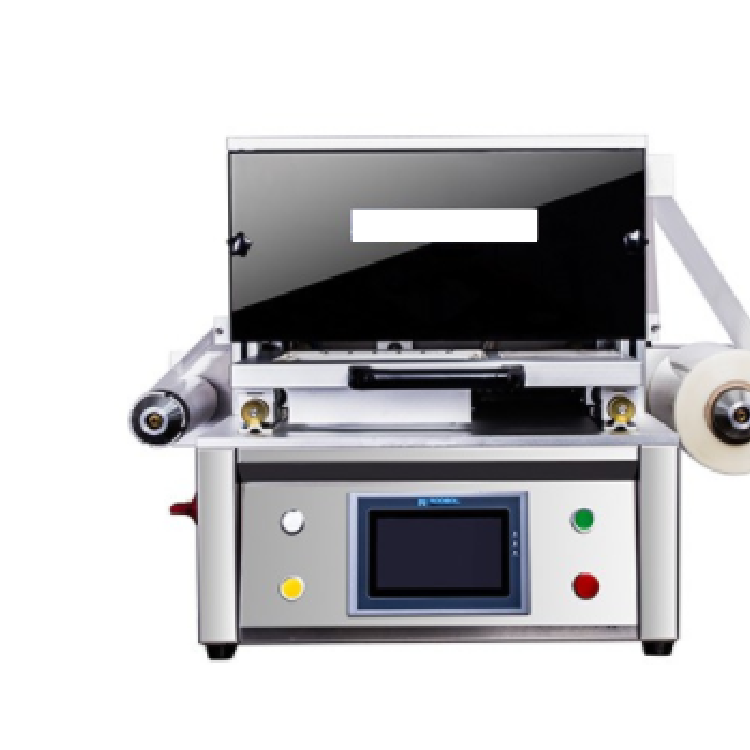
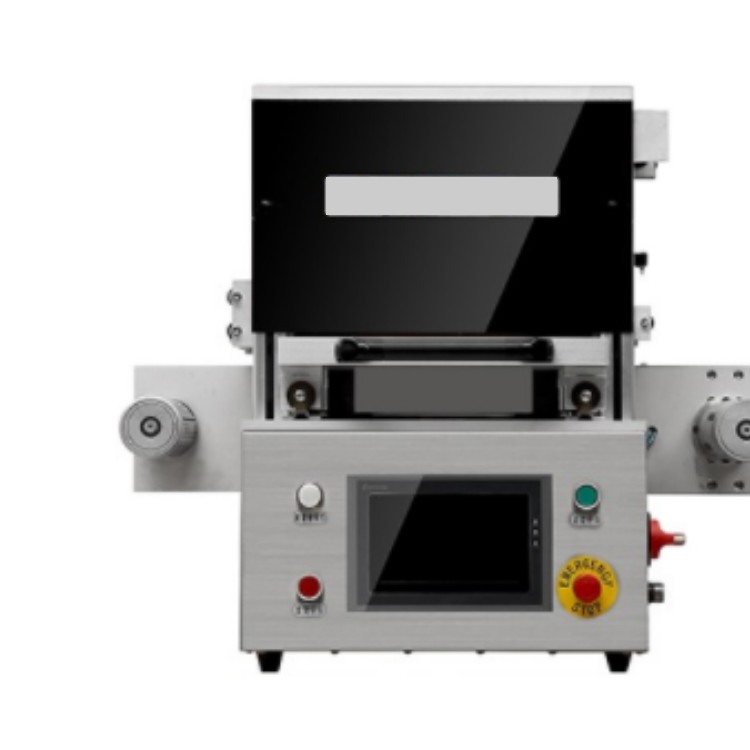
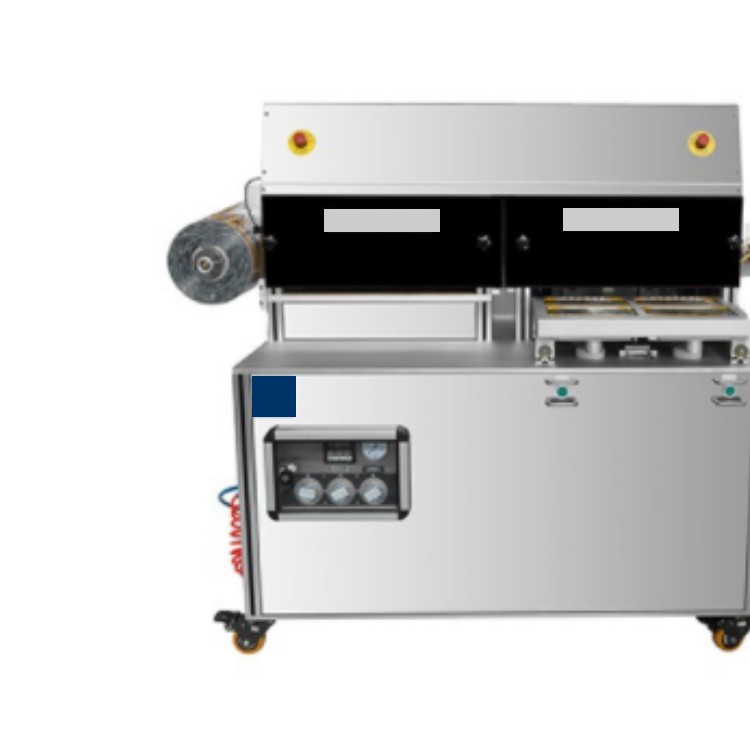
Vacuum Packaging Machines, Modified Atmosphere Packaging Machines, Ready-to-Eat Food Packaging Boxes
15902878204
Shelf Life
In today's consumer society, the term "shelf life" is widely used, especially in the food industry, where it serves as a crucial indicator. This is because it represents manufacturers' guarantee and commitment to the quality effectiveness of products throughout their circulation period.
Shelf life primarily depends on four factors: the composition and structure of the food, processing conditions, packaging, and storage conditions. These influencing factors are incorporated into the food safety and quality control system HACCP (Hazard Analysis and Critical Control Points). The food industry is a rather complex system where biological, physical, and chemical reactions occur simultaneously, leading to a decrease in nutritional value and the formation of by-products that affect the essence of the food, even toxins. Similar reactions continue during the preservation process after processing, with the reaction rate depending on the inherent properties of the food, type of packaging, storage, and transportation conditions.
01
Reasons for the Spoilage and Decomposition of Cold Fresh Meat
The primary causes of fresh meat spoilage can be categorized into three main factors.
Microbial proliferation on the surface of the flesh leads to its spoilage and deterioration.
The primary microorganisms are Pseudomonas under aerobic conditions, and anaerobic and facultative anaerobic lactic acid bacteria and Enterobacteriaceae under vacuum conditions. The majority of bacteria grow on the surface of the meat, where surface bacteria can break down proteins and other nutrients, making the surface of the meat sticky and producing an odor, leading to spoilage and deterioration within a short period.
② Oxidation of myoglobin in meat can affect the appearance and color of the meat.
The color change of meat is controlled by the chemical state of myoglobin and residual hemoglobin. During the chilled storage process, the muscle tissue absorbs oxygen from the air, causing changes in the tissue structure. In the first few days of storage, myoglobin forms an unstable, oxygenated form that gives fresh meat its bright red color, which then gradually transforms into a stable, dark red (brown) form of myoglobin.
③ Meat quality deterioration is caused by the action of enzymes.
High temperatures significantly increase the activity of various enzymes in fresh meat and microorganisms, as well as the activity of enzymes secreted by microorganisms into their surroundings, thereby promoting enzymatic reactions that lead to spoilage and deterioration of meat products.
02
Extended Shelf Life Techniques
Vacuum Packaging and Modified Atmosphere Packaging
Vacuum Packaging
For fresh meat products, vacuum packaging offers the following advantages:
Prevent from drying out.
Packaging materials shield against moisture vapor, preventing drying and keeping fresh meat surface soft.
(2) Prevent Oxidation.
During vacuum sealing, oxygen and air are expelled together, along with packaging materials and atmospheric shielding, ensuring no oxygen enters the packaging bag, thereby completely preventing oxidation.
(3) Prevent the loss of meaty flavor.
Packaging materials effectively prevent the leakage of volatile aromatic substances and also prevent flavor transfer between different products.
(4) Prevent frozen loss.
Packaging materials isolate products from the outside, thus the formation of ice and dehydration during freezing can minimize losses to a small degree.
Modified Atmosphere Packaging
Principle of Modified Atmosphere Packaging (MAP)
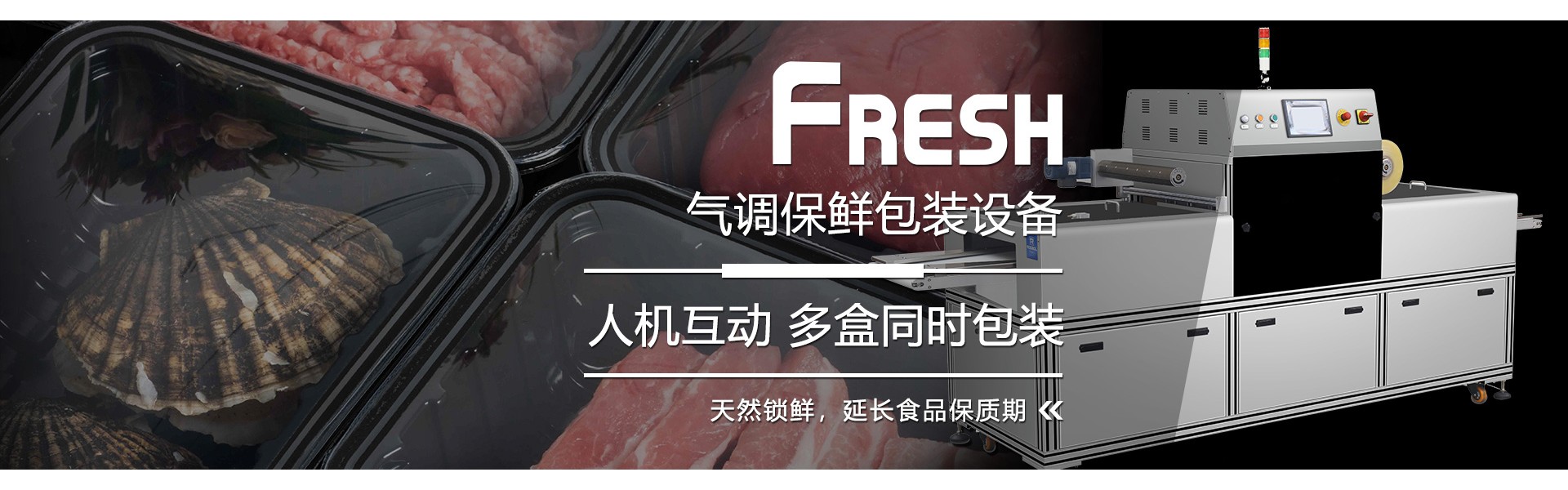
The保鲜mechanism of Modified Atmosphere Packaging (MAP) utilizes packaging materials with good barrier properties to protect food. It involves filling the packaging with specific ideal gas compositions, which, under certain temperature conditions, improve the environmental components within the packaging. This process inhibits the growth of microorganisms and prevents enzymatic spoilage, thereby achieving the purpose of preservation and extending the shelf life of the product. The gases commonly used are carbon dioxide, oxygen, and nitrogen, or various combinations thereof, with each gas having different effects on the preservation of fresh meat. Generally, the shelf life of fresh meat packaged using this method can reach 10 to 14 days.
Modified Atmosphere Packaging Advantages
Modified Atmosphere Packaging (MAP) is one of the commonly used and effective methods to extend the shelf life of various food products, including chilled meats. Proper MAP not only ensures the hygiene and quality of meat products but also extends their shelf life, while also positively impacting the sensory quality of chilled meats. The main gas components commonly used in MAP are carbon dioxide, oxygen, and nitrogen.
The use of this mixed gas is primarily for controlling microbial growth and sensory quality (such as color). The effectiveness of this modified atmosphere packaging for fresh meat largely depends on the initial bacterial count of the raw meat, the concentration of carbon dioxide, the presence or absence of oxygen inside the packaging bag, the permeability of the packaging material, storage temperature, and the composition of the gas. It inhibits microbial growth by altering the synthesis of bacterial enzymes and the rate of enzyme reactions, as well as by affecting carboxylation and deamination reactions. The mixed gas contains a certain proportion of oxygen to maintain the color of fresh meat and inhibit the growth of pathogenic bacteria.
The Modified Atmosphere Packaging (MAP) system is a sealed system, where two processes coexist simultaneously: one is the physiological serial process of the product, which is the metabolic respiration process; the other is the exchange process between the product and the gases inside the packaging bag caused by the permeability of the packaging material. These two processes make the MAP system a dynamic one.
The principle of modified atmosphere packaging can be summarized in two points: 1) It destroys the environment upon which microorganisms rely for growth and reproduction; 2) It maintains a certain level of cellular activity within the food, preserving a degree of freshness.
Two primary factors influence food storage: aerobic bacteria and oxidation reactions, both requiring oxygen. To extend shelf life, it is necessary to reduce the oxygen content of the environment. Modified atmosphere packaging technology can partially compensate for the shortcomings of vacuum packaging, further inhibiting microbial spoilage.
Precautions for Modified Atmosphere Packaging
(1) Fresh meat handling prior to packaging.
After slaughtering pigs, if the meat is cooled for 24 hours at 0-4°C after ATP ceases activity, an acid-excreting process occurs. The cooled meat treated this way has significantly better nutrition and taste than quick-frozen meat or fresh meat. Additionally, to ensure the preservation effect of modified atmosphere packaging, it is essential to control the hygienic standards of fresh meat before packaging to prevent microbial contamination.
(2) Selection of packaging materials.
Modified atmosphere packaging should use packaging materials with good barrier properties to prevent the leakage of gases within the package and also to prevent the infiltration of oxygen from the atmosphere. Typically, composite packaging films based on materials such as PET, PP, PA, and PVDC are chosen. When evaluating the barrier properties of plastic films against gases, the permeability coefficient is generally used: the lower the permeability coefficient, the better the barrier properties. Additionally, all packaging materials must have sufficient mechanical strength to withstand changes in pressure during vacuum extraction. They should also have a certain degree of rigidity to allow the packaging bags to automatically open and inflate.
(3) Control of product storage temperature.
The impact of temperature on preservation effectiveness stems from two aspects: first, the temperature directly affects the activity of various microorganisms on the surface of the meat; second, the barrier properties of packaging materials are closely related to temperature, with higher temperatures leading to lower barrier properties. Therefore, it is essential to achieve temperature control throughout the entire process from product, storage, transportation to sales.
03
Summary
Currently, vacuum packaging technology can inhibit the growth of microorganisms, prevent secondary contamination, slow down the rate of fat oxidation, keep meat clean, and extend the shelf life of meat products. If chilled meat is vacuum-packed, it does have some preservative effect, but its color will appear purple-red, and this technology is not ideal.
Modified Atmosphere Packaging (MAP) is an ideal method to extend the shelf life of meat products. MAP technology inhibits the growth of microorganisms, thereby extending the shelf life of meat products. Not only does it maintain the bright red color of the meat, but it also significantly suppresses the growth and reproduction of spoilage microorganisms, ensuring the hygienic quality of the meat. Additionally, it preserves the good sensory qualities of fresh meat products and significantly extends their shelf life.
Contact us

Service Hotline
15902878204
Company Telephone
15902878204

Address
Sichuan Province, Chengdu City, Pixian County, De Yuan Town, Maker Park, Building 7
b2b.china9.net © Zhongshang 114 Hebei Network Technology Co., Ltd.Address: Room 6009, Oriental New World Center, No.118 East Zhongshan Road, Qiaoxi District, Shijiazhuang City, Hebei ProvincePlatform Service Hotline: 4006299930