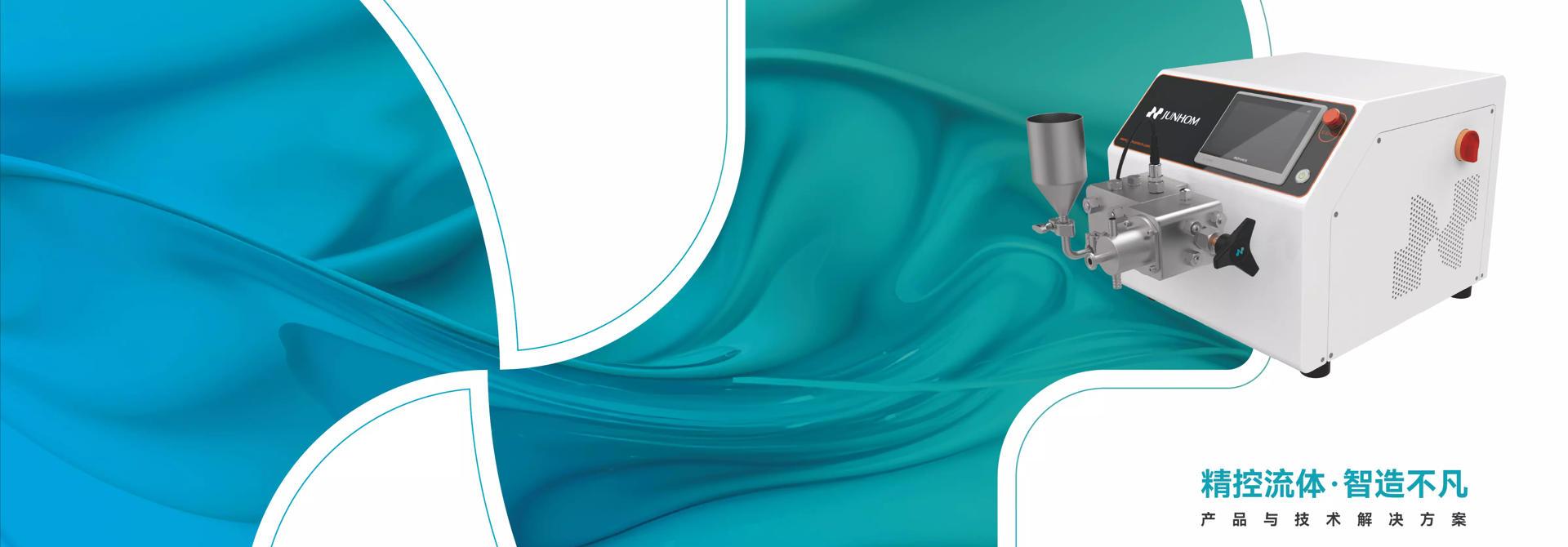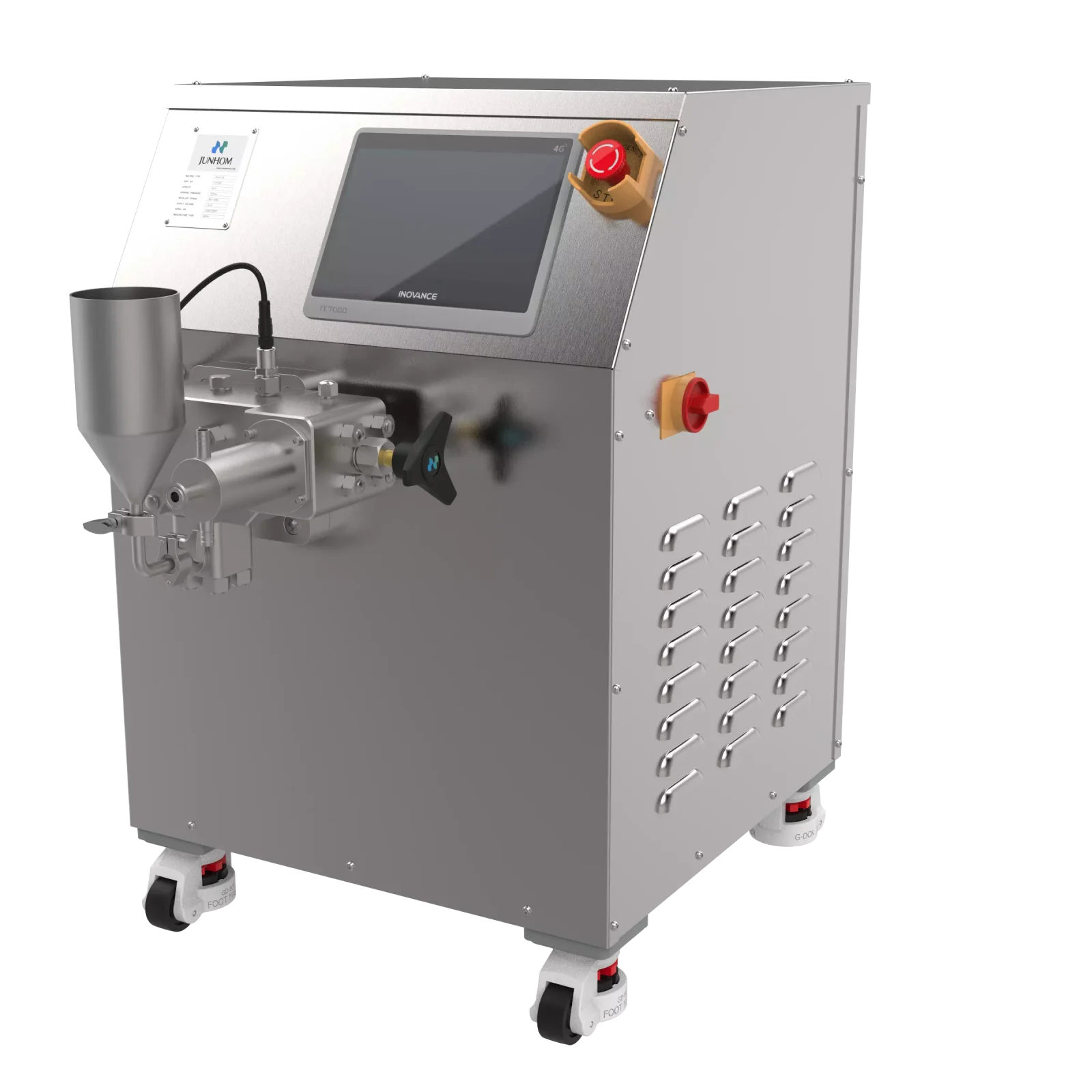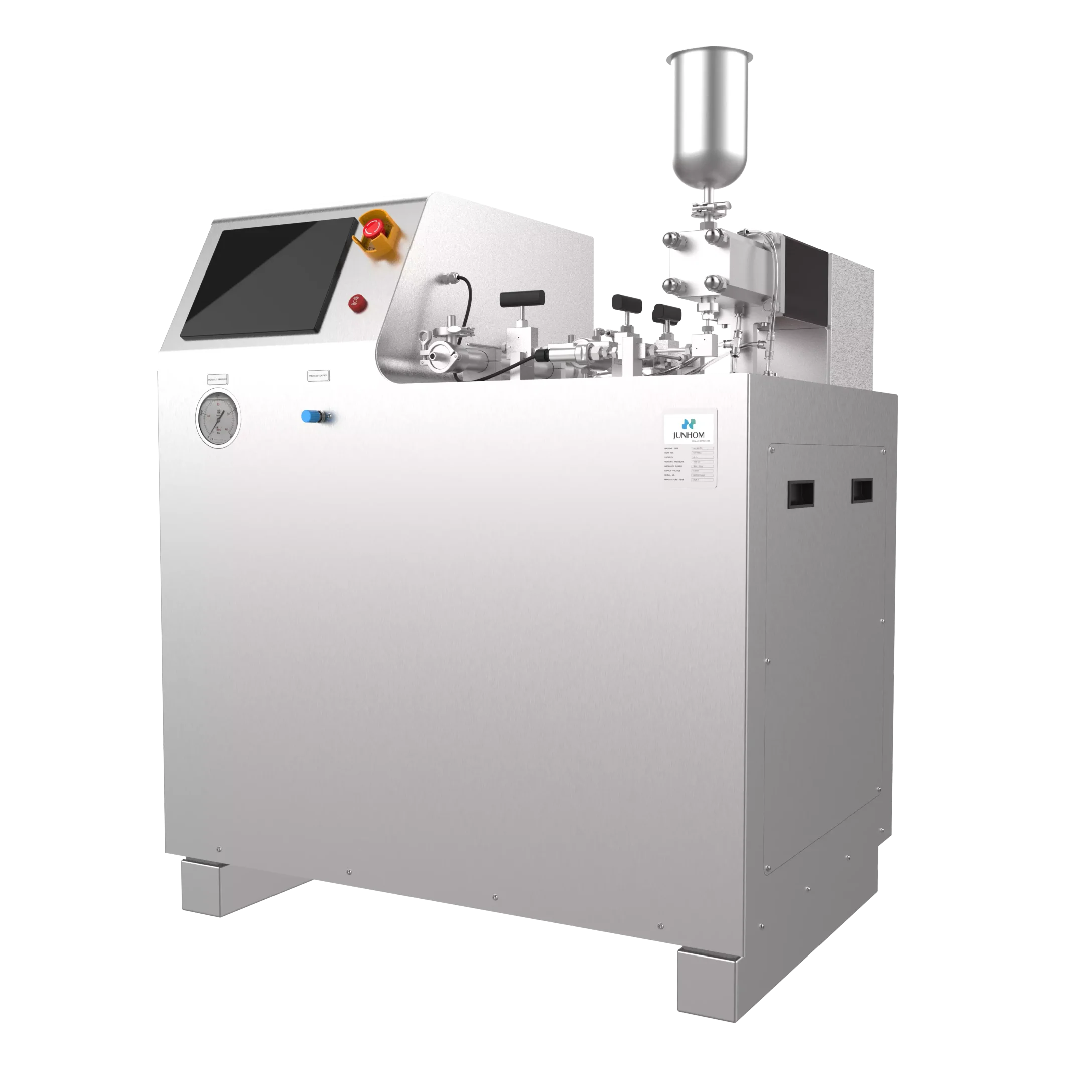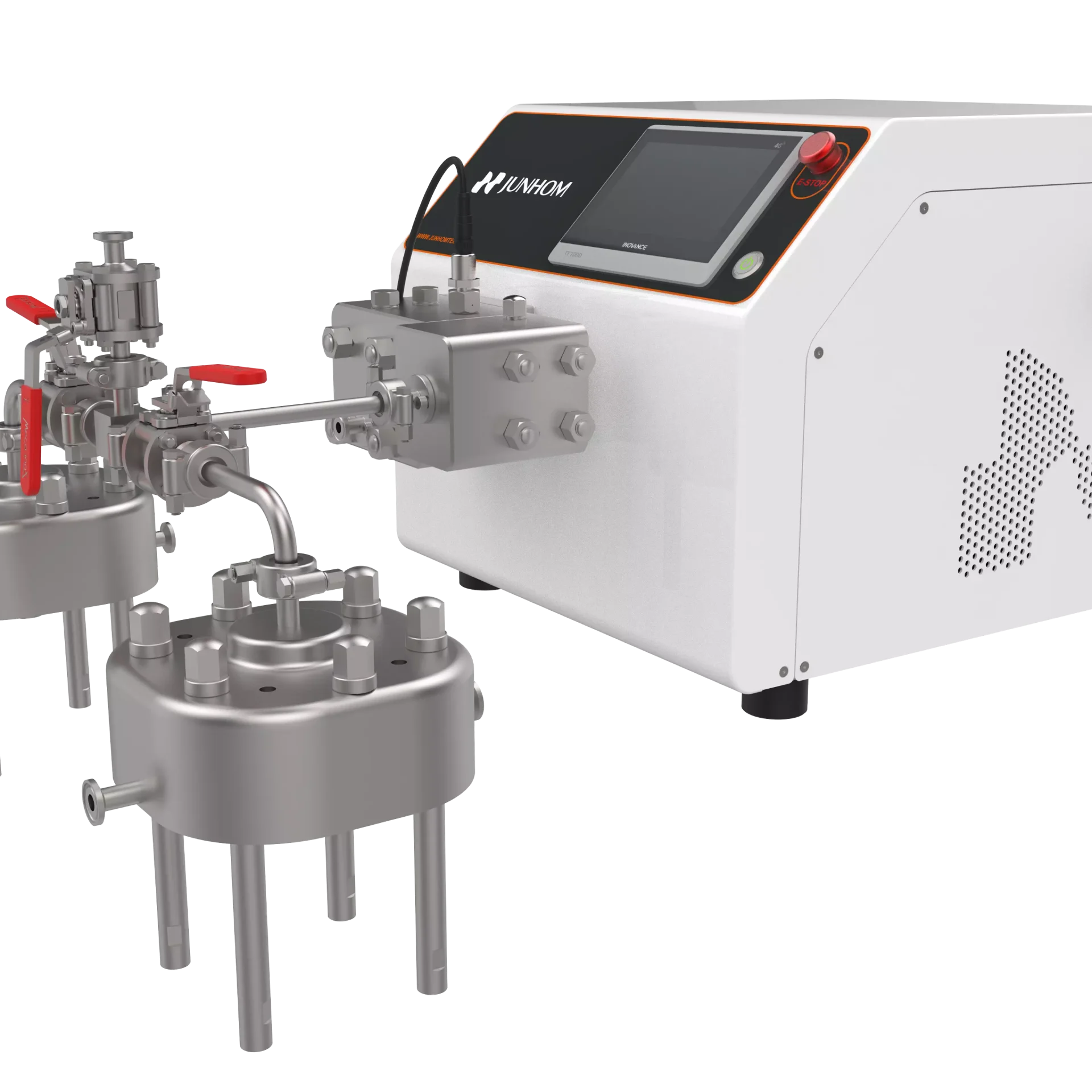
High-pressure homogenizers, nano-homogenizers, high-press...

Cell disruption refers to the process of breaking down cell walls or cell membranes through physical, chemical, or biological methods to release intracellular contents. This technology is a fundamental step in modern biotechnology, pharmaceutical research and development, and the food industry, acting as a "key" that opens the door to the microscopic world, allowing us to obtain valuable substances such as proteins, enzymes, and DNA from within the cells.
![Illustration of Cell Lysis: Showing a comparison between an intact cell and the released contents after lysis]
Illustration: Comparison diagram of cell disruption before and after
These methods directly disrupt cell structures through physical force:
High-pressure homogenizer: Cell suspensions pass through narrow gaps under extremely high pressure (up to 1500bar), causing an instantaneous pressure drop that generates cavitation effects and shear forces, leading to cell rupture.
 collide with each other under high-speed stirring,破碎 cells through the grinding action.
Ultrasonic Crusher: Utilizes high-frequency sound waves (typically 20-50 kHz) to create cavitation bubbles, which, upon bursting, generate shock waves that destroy nearby cells.
Enzymatic Method: Using lysozyme and other specific enzymes to break down the cell wall
Chemical Permeation Method: Utilizing surfactants or organic solvents to alter cell membrane permeability
Freezing-Thawing Method: A technique that punctures cell membranes by repeatedly freezing and thawing to form ice crystals.


b2b.china9.net © Zhongshang 114 Hebei Network Technology Co., Ltd.Address: Room 6009, Oriental New World Center, No.118 East Zhongshan Road, Qiaoxi District, Shijiazhuang City, Hebei ProvincePlatform Service Hotline: 4006299930