



- AllProduct Category
-
Plate Heat Exchanger
Volumetric Heat Exchangers
Double-tube heat exchanger
Condensate Recovery System
Side Stream Water Processor
Medication Applicator




详情描述
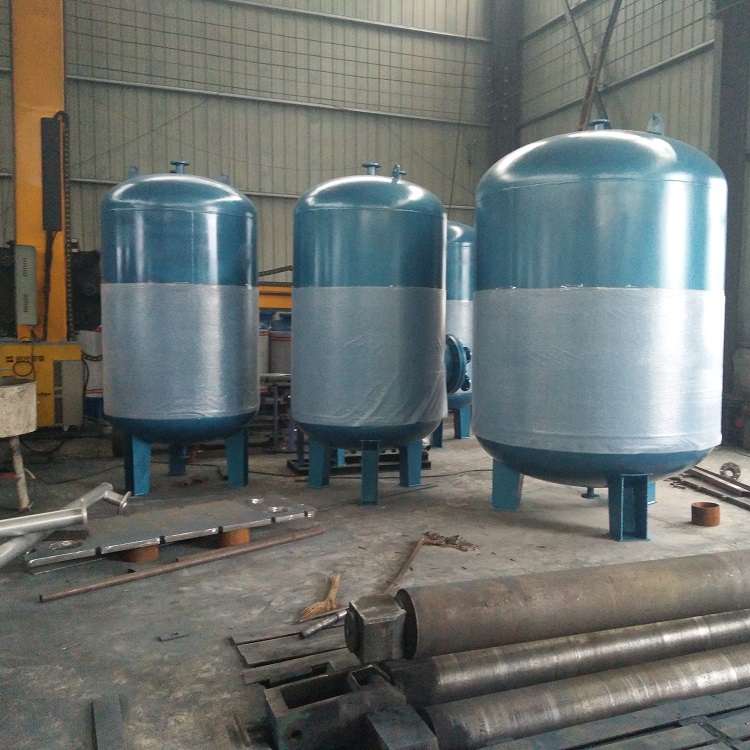
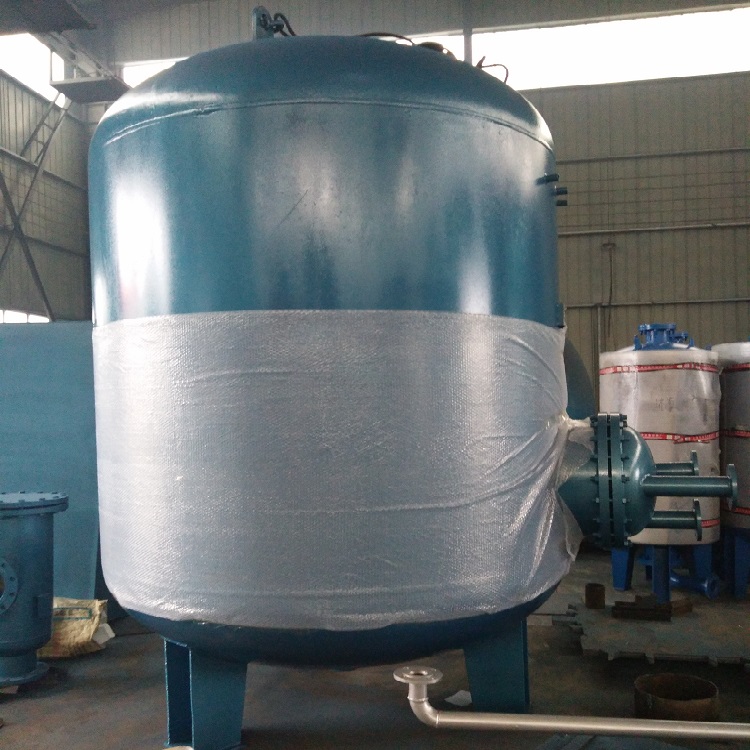
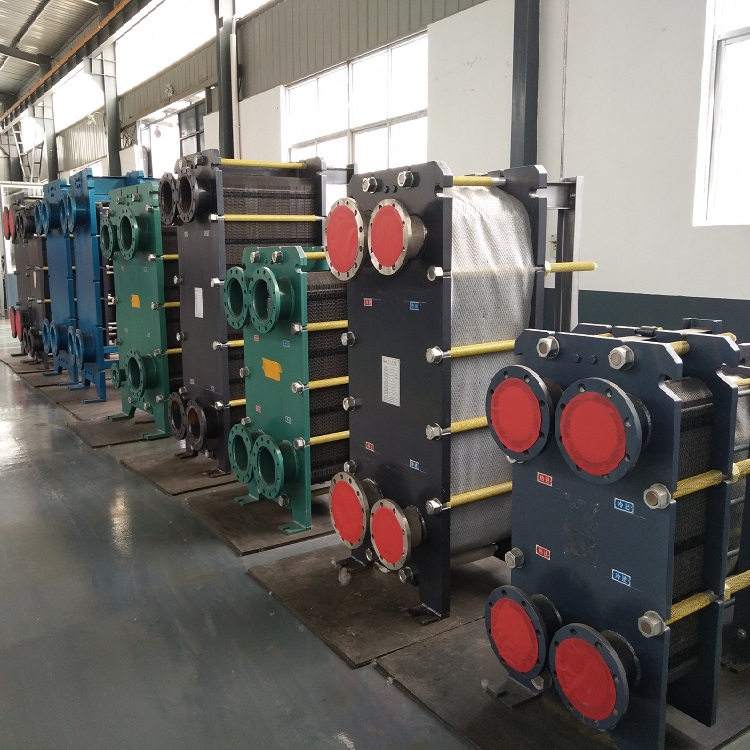
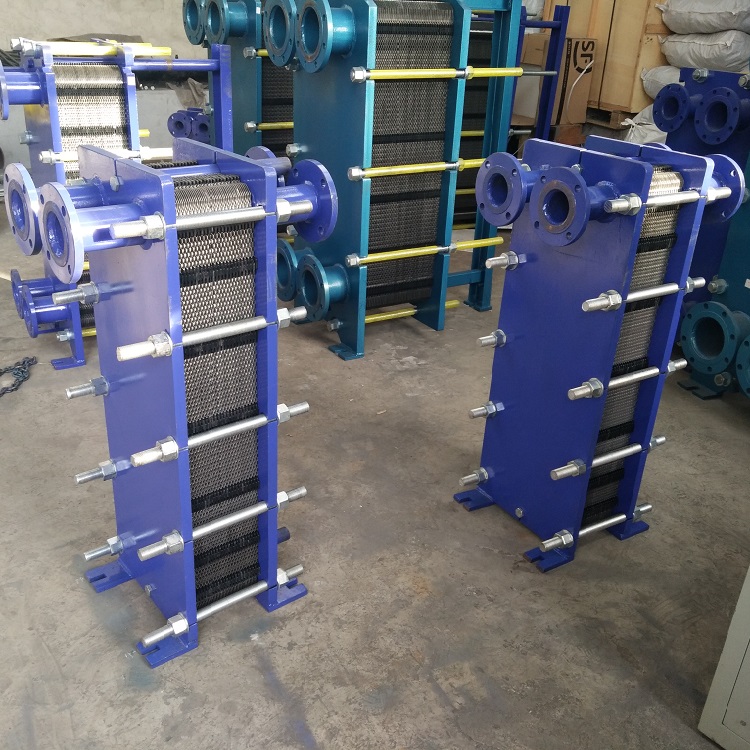
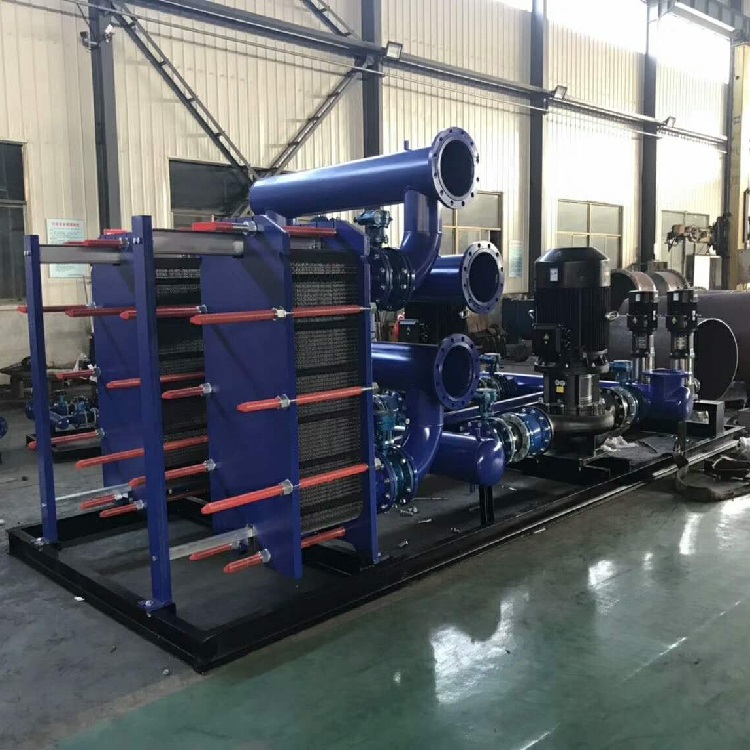
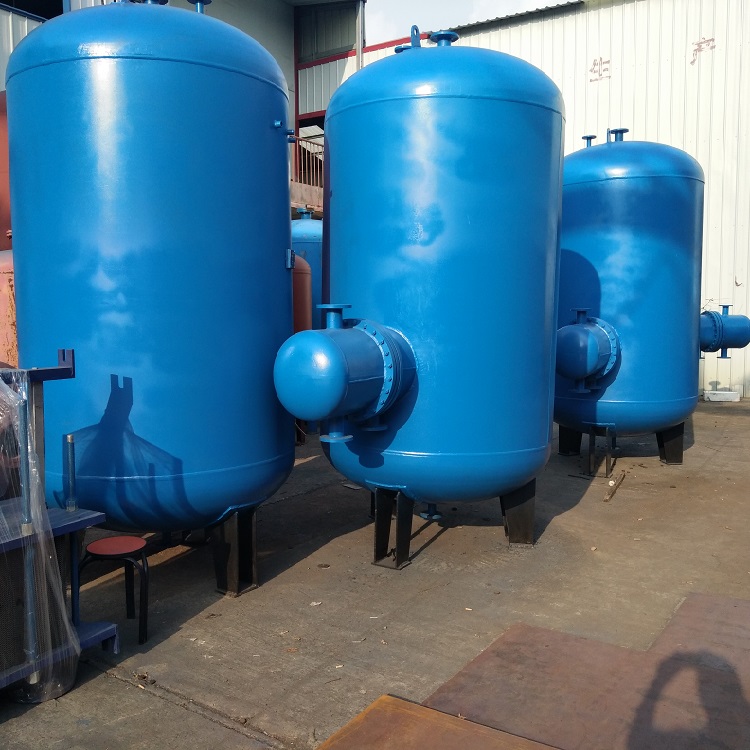
A floating tube heat exchanger is an open-type heat exchanger, consisting of top and bottom covers, an outer cylinder, steam inlet pipe, condensate outlet pipe, and a horizontal floating disk. The components are made of carbon steel or stainless steel for the upper and lower end caps and the outer cylinder, while the steam inlet pipe and condensate outlet pipe are made of brass tubes. Stainless steel and steel pipes are used in the manufacturing process. Horizontal floating coils are made from brass or stainless steel pipes, specially coiled.
The floating tube heat exchanger employs a cantilever floating tube design. During the process of heating hot water with steam, the up and down movement of the tubes disrupts the laminar heat transfer around the tubes.
Significantly enhanced heat transfer capability, thermal conductivity coefficientK≥3000W/ft²,°F, and due to the flushing effect of the water flow, the pipe can float freely on its cantilever, expanding and contracting effortlessly. Therefore, it is less prone to scale buildup. Should a small amount of scale accumulate during long-term use, it can be automatically removed through the pipe's expansion. Consequently, the heat exchange capacity remains unchanged over time, ensuring good performance.
Floating Tube Heat Exchanger Application Range:
Floating tube heat exchangers are widely used in industrial and civil buildings such as chemical plants, oil refineries, shipyards, and luxury hotels, restaurants, office buildings, school research buildings, and Yiyuan outpatient departments and wards for heating, air conditioning, and hot water supply systems, including boiler rooms, heat exchange stations, and air conditioning rooms as heat exchange equipment.
Floating tube bundle heat exchanger performance features:
(1Utilizing a new structural floating tube bundle, heat transfer capability is enhanced while the automatic descaling ability is significantly improved.
(2The restraint can be connected with quick connectors, reducing welding points and making maintenance more convenient.
(3Compact structure, small size, and minimal floor space required.
Float Tube Heat Exchangers: Usage and Maintenance Precautions
1.Before using the floating tube heat exchanger, check for loose clamping bolts; if any are loose, tighten them. Also, ensure the two clamping plates are parallel.
2.The equipment's operating pressure and temperature must be below the rated design pressure and temperature as indicated on the label.
3.The initial operation of the equipment must be carried out strictly according to the operational specifications. Slowly open the steam inlet valve, as excessive pressure surges or sudden temperature changes are prone to cause equipment damage.
4.The high-point piping of equipment for import and export should be equipped with an automatic exhaust valve to expel all non-condensable gases from the equipment. Otherwise, it will severely affect the heat exchange efficiency of the heat exchanger and may damage the equipment.
5.Operating at high temperatures or with hazardous media, protective devices against jetting should be installed to prevent personnel injury due to medium leakage.
6.When repairing a heat exchanger, the equipment must be in a non-pressurized, drained state, with the temperature below40Degree.
7.The pipeline at the inlet of the heat exchanger for cold and hot media should be equipped with an effective filter device.
8."Hot In" and "Hot Out" indicate the steam medium entering and leaving the heat exchanger; "Cold In" and "Cold Out" denote the heating circulation water medium entering and leaving the heat exchanger.
9.Design a condensate tank (make-up water tank) for the heat exchange station to allow condensate to flow smoothly into the tank after steam heat exchange. It is not recommended to install a trap at the condensate outlet; if necessary, a low-pressure drop type should be installed.

询价单


