
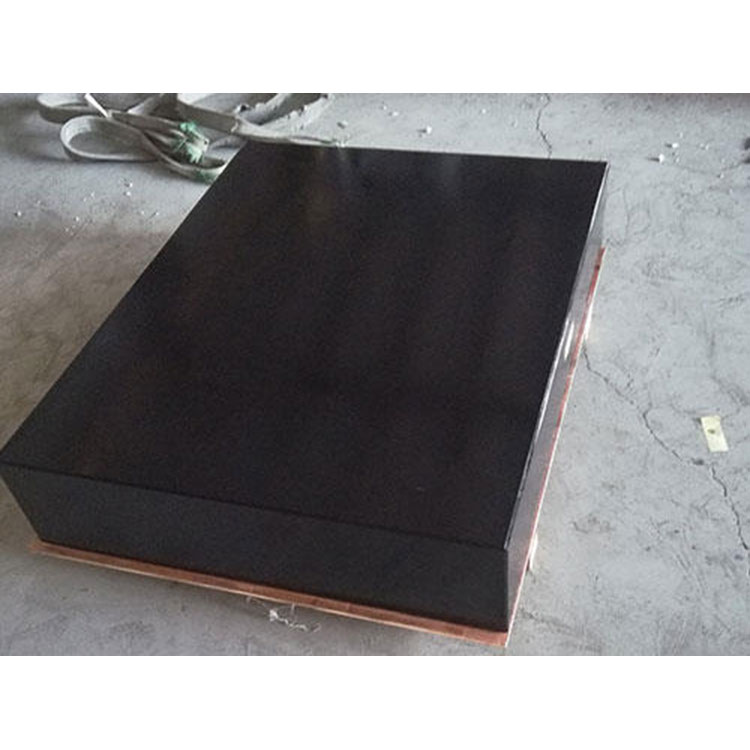
 Marble Slab
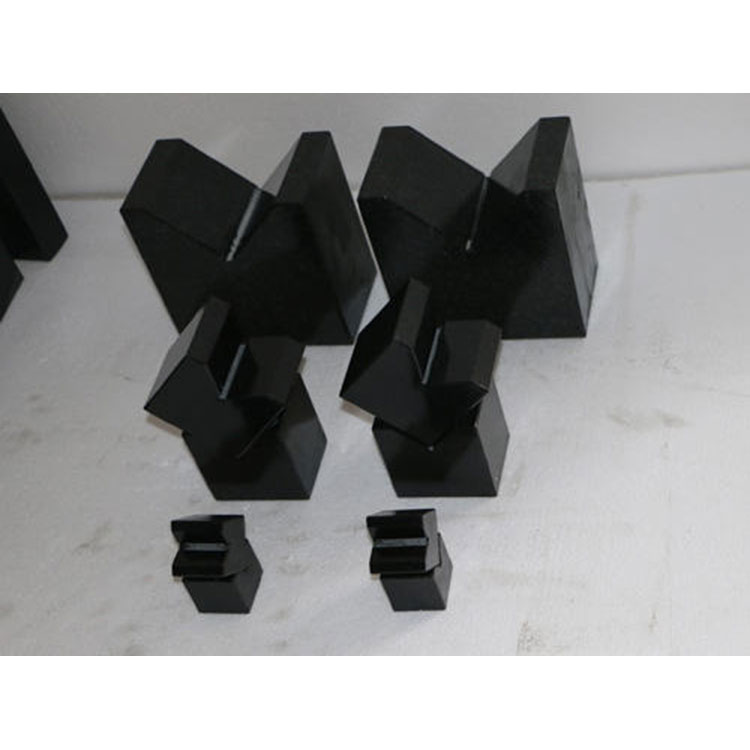 Granite V-block
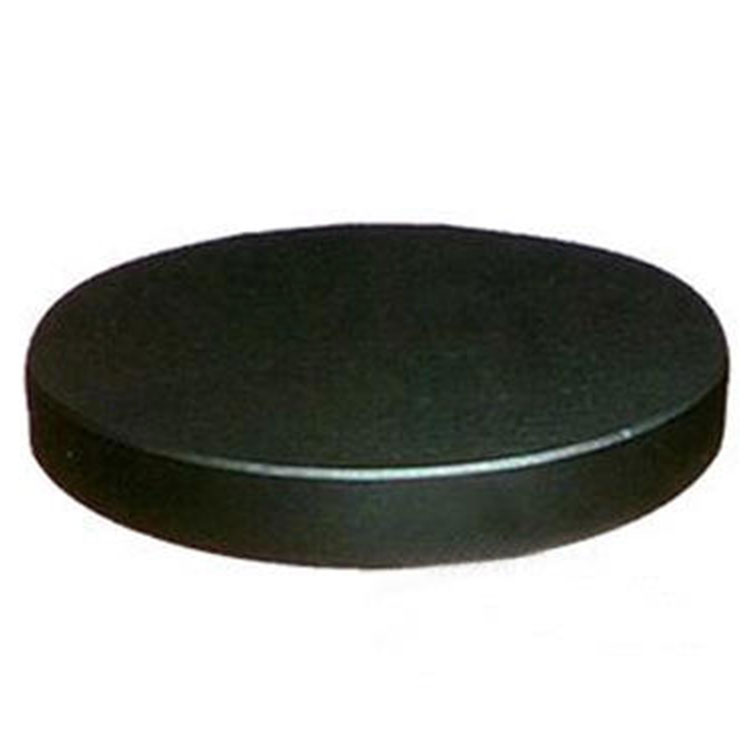 Granite Round Slab
Product Details

Precision tools, valves and accessories, dust removal equipment, molds, petro...

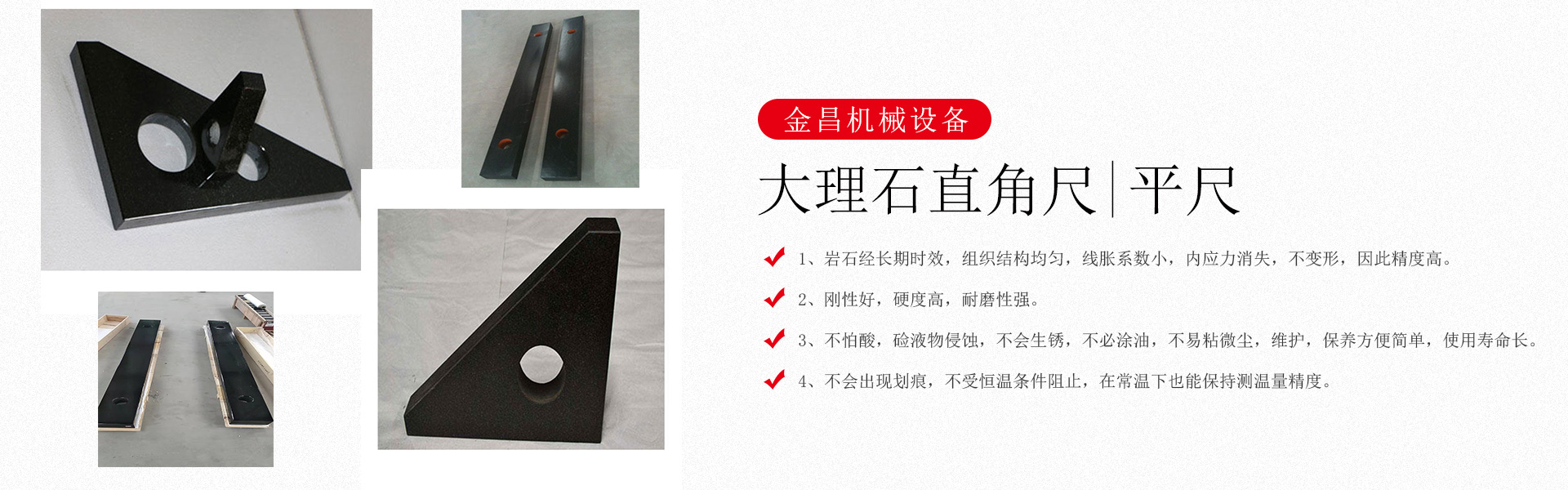
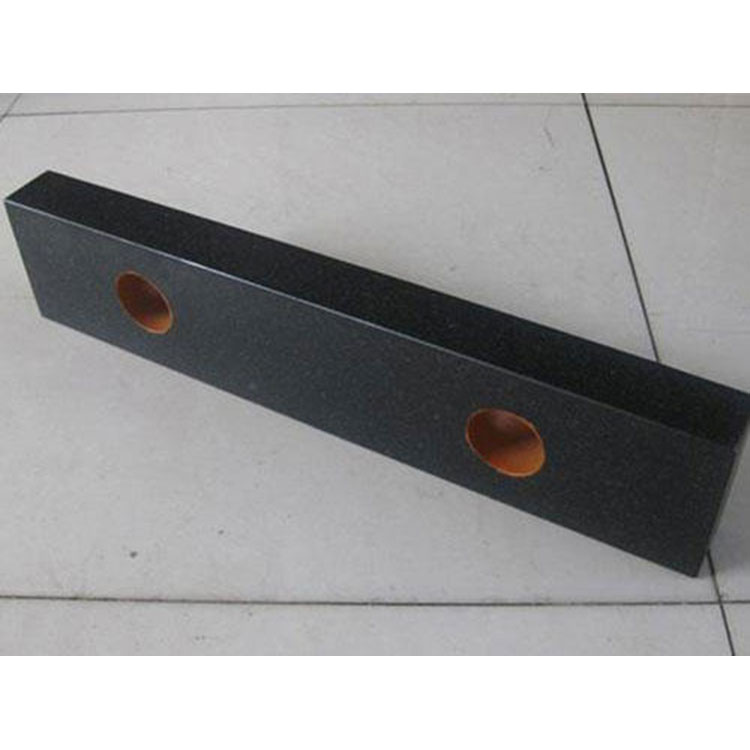
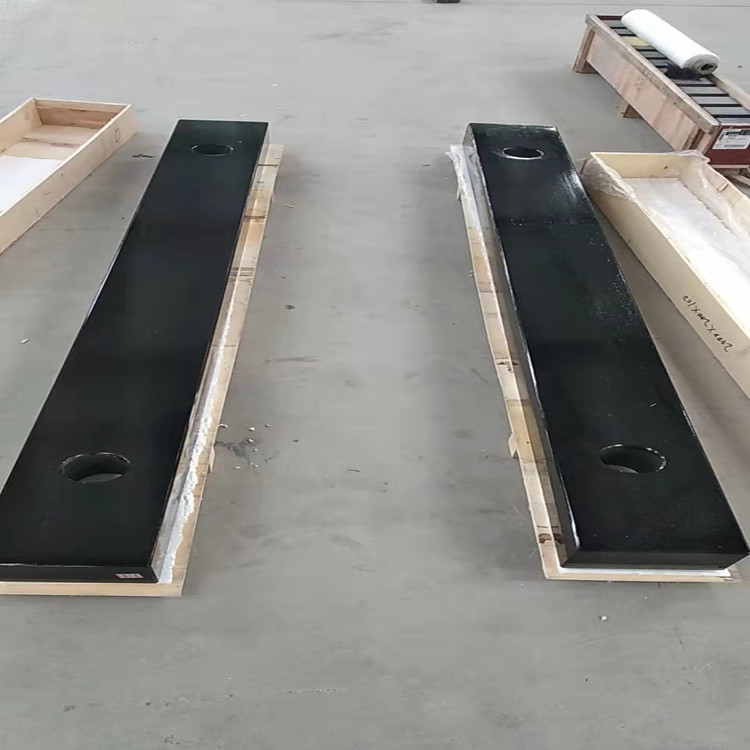
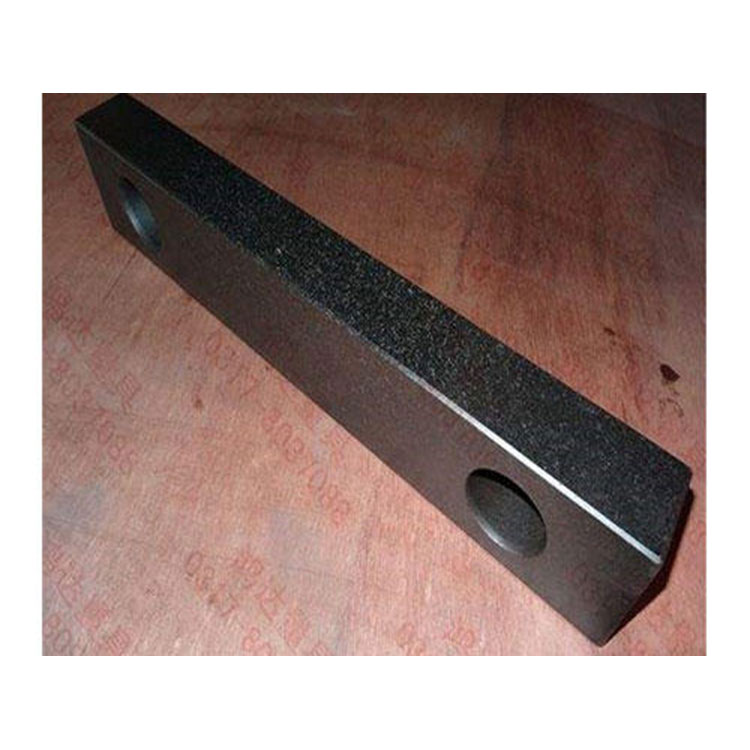
产品Price 10000.00/Individual
最小起订Quantity:1 Individual 供货总Quantity: 1111 Individual


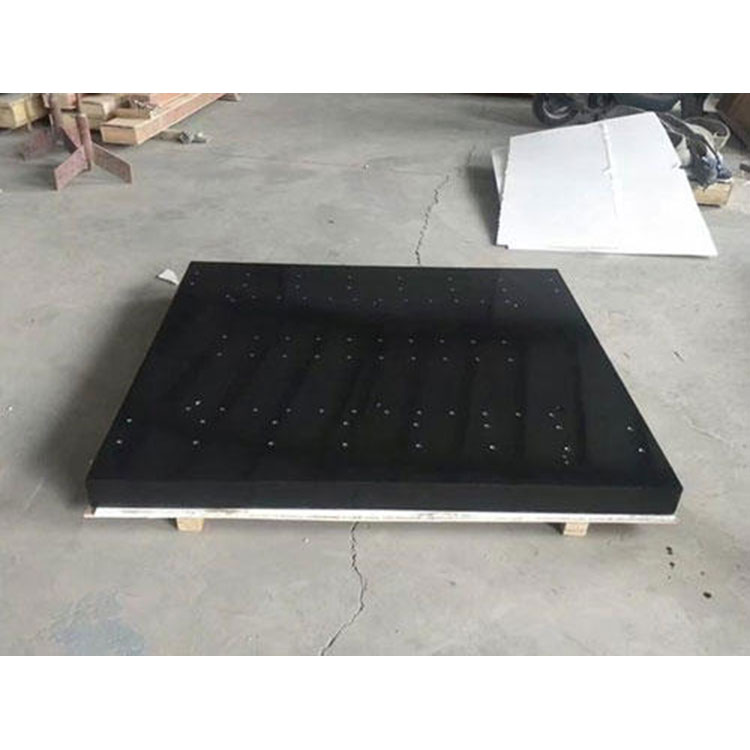 Marble Platform
¥10000.00
Marble Platform
¥10000.00
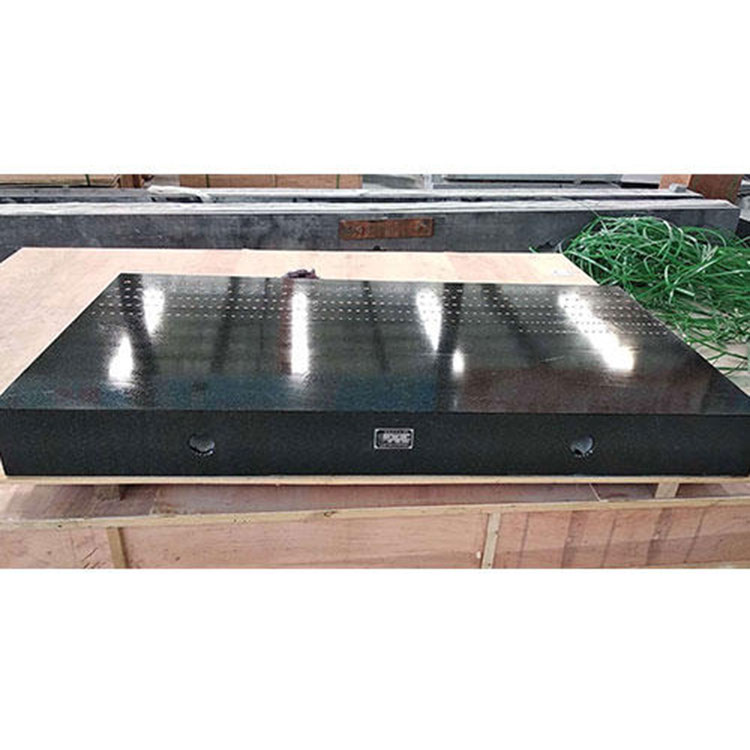 Marble workbench
¥10000.00
Marble workbench
¥10000.00
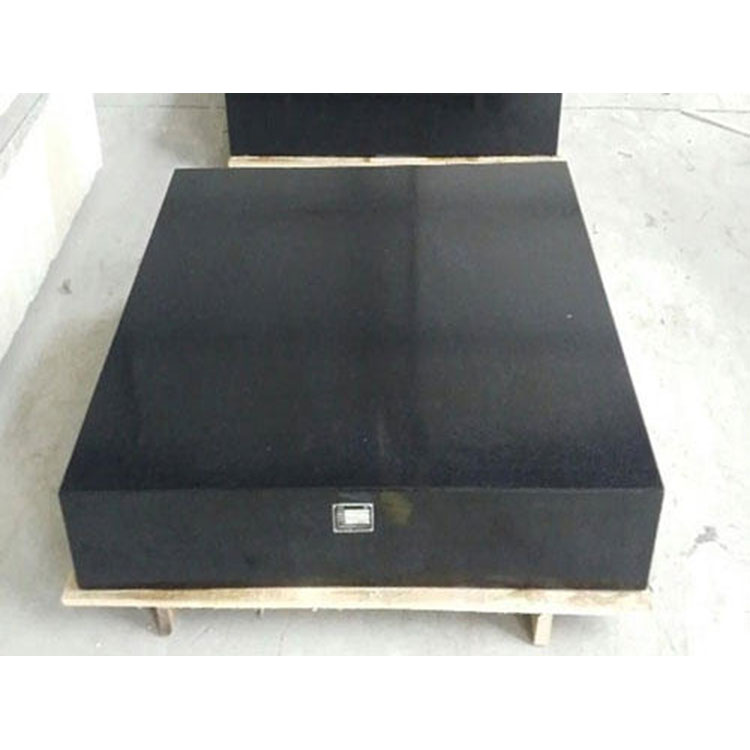 Marble Line Drawing Plate
¥10000.00
Marble Line Drawing Plate
¥10000.00
Accuracy |
|
Chemical Properties |
Stable |
Hardness |
High |
Granite straight edges are primarily used for measuring the straightness and flatness of workpieces and equipment installation. They are also suitable for checking the flatness and straightness of machine tool tables, guideways, and precision work. Ideal for measurement tasks in industrial production and laboratories. Granite level rulers are mainly used for measuring the straightness and flatness of workpieces and equipment installation. They can also be used to check the flatness and straightness of machine tool tables, guides, and precision work. Suitable for measurement work in industrial production and laboratories. Gneiss Level Bar Features: 1. The rock has been aged over a long period, resulting in a uniform tissue structure, a small expansion coefficient, complete elimination of internal stress, and no deformation, thus ensuring high precision. 2. Resistant to acidic and alkaline corrosion, non-rusting, oil-free, dust-resistant, easy to maintain and care for, with a long service life. 3. No scratches will appear, unaffected by temperature control conditions, maintaining measurement accuracy at room temperature. 4. Non-magnetizable, smooth movement during measurement with no sticking sensation, unaffected by humidity, and good flatness. Quartz flat rulers are highly praised for their value in measurement, but they can easily introduce errors if used improperly. Here's how to properly use marble straight rulers; please refer to the following brief description. 1. Pay attention to the consistency of temperature between the granite square and the workpiece when in use. Avoid holding the angle square for extended periods. Consider the physical properties of marble thoroughly to prevent errors. 2. Be mindful of the placement of the square during measurement; it must not be skewed. The square should be positioned within a plane perpendicular to the intersection lines of the two sides forming a right angle, meaning it should be vertically and closely against the workpiece being measured; otherwise, measurement discrepancies may occur. 3. During use, place the granite straight edge on the work surface of the workpiece being measured, and use the light gap method or a feeler gauge to check the accuracy of the workpiece angle. When inspecting the external (internal) angle of the workpiece, ensure the inner (outer) edge of the square is in contact with the workpiece. After one side of the angle gauge is firmly pressed against the workpiece surface, gently hold it without applying excessive force to avoid altering the angle. 4. To obtain the measurement value, when using a granite level ruler, flip the 90-degree angle ruler 180 degrees and take another reading. The arithmetic average of the two readings is the measurement result. This method can eliminate the inherent deviation of the angle ruler itself.

Phone Consultation