
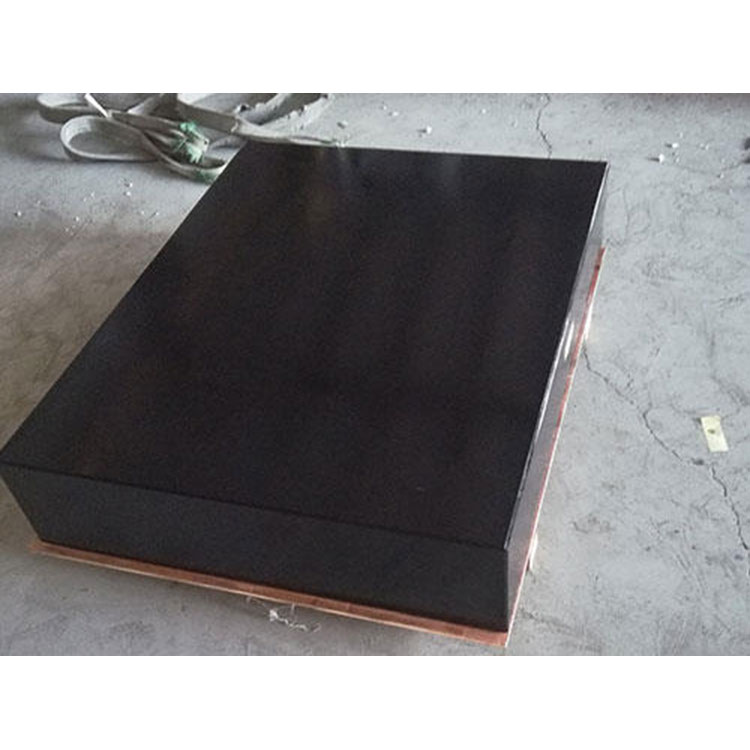
 Marble Slab
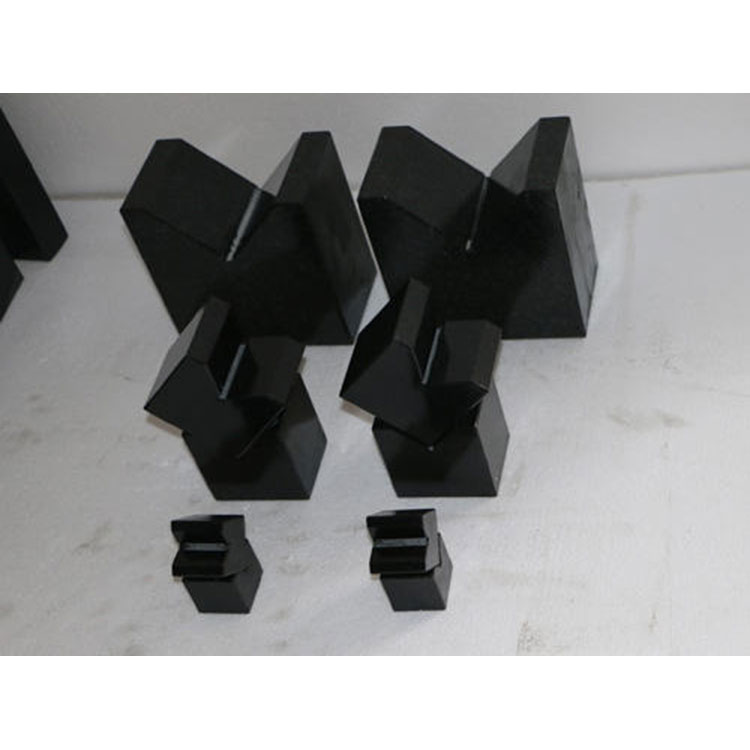 Granite V-block
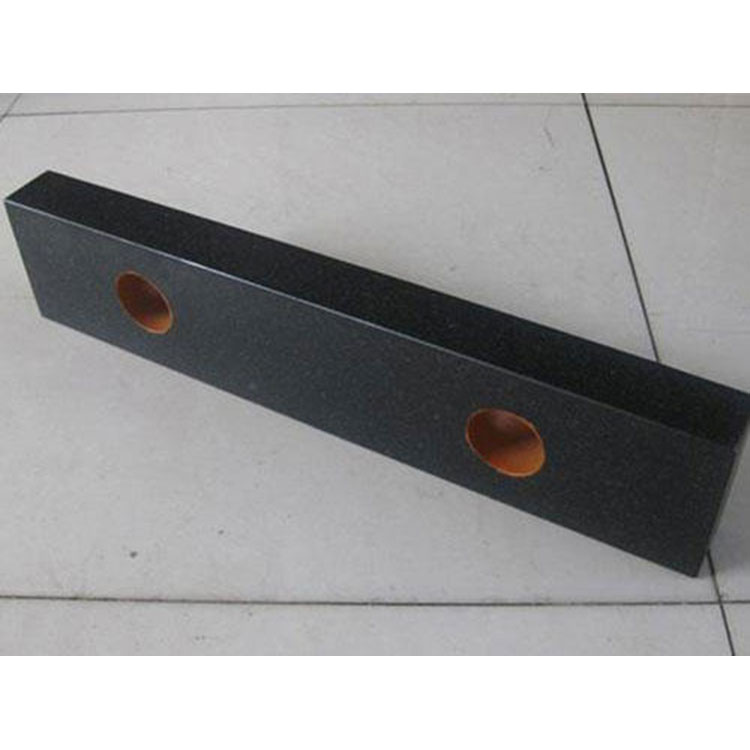 Granite Rule
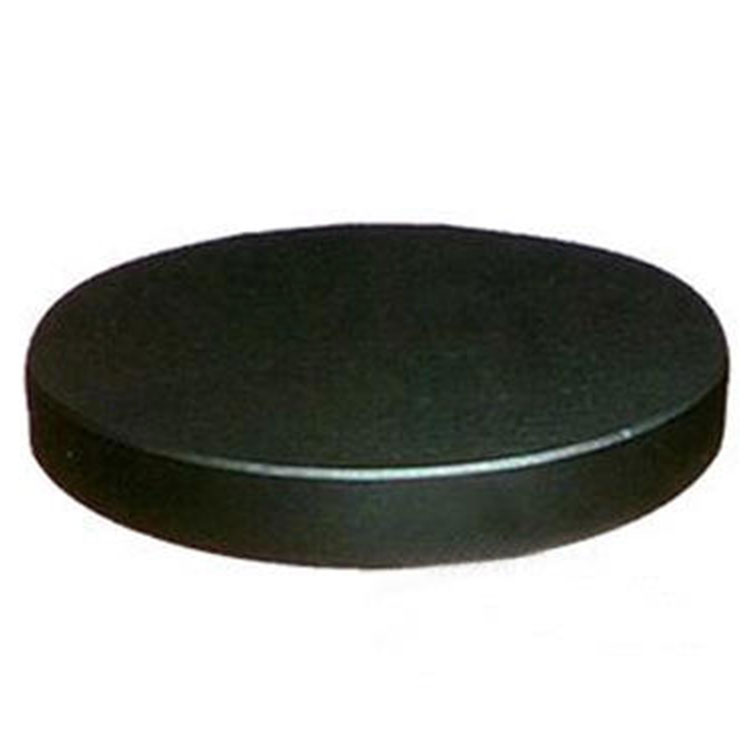 Granite Round Slab
Product Details

Precision tools, valves and accessories, dust removal equipment, molds, petro...

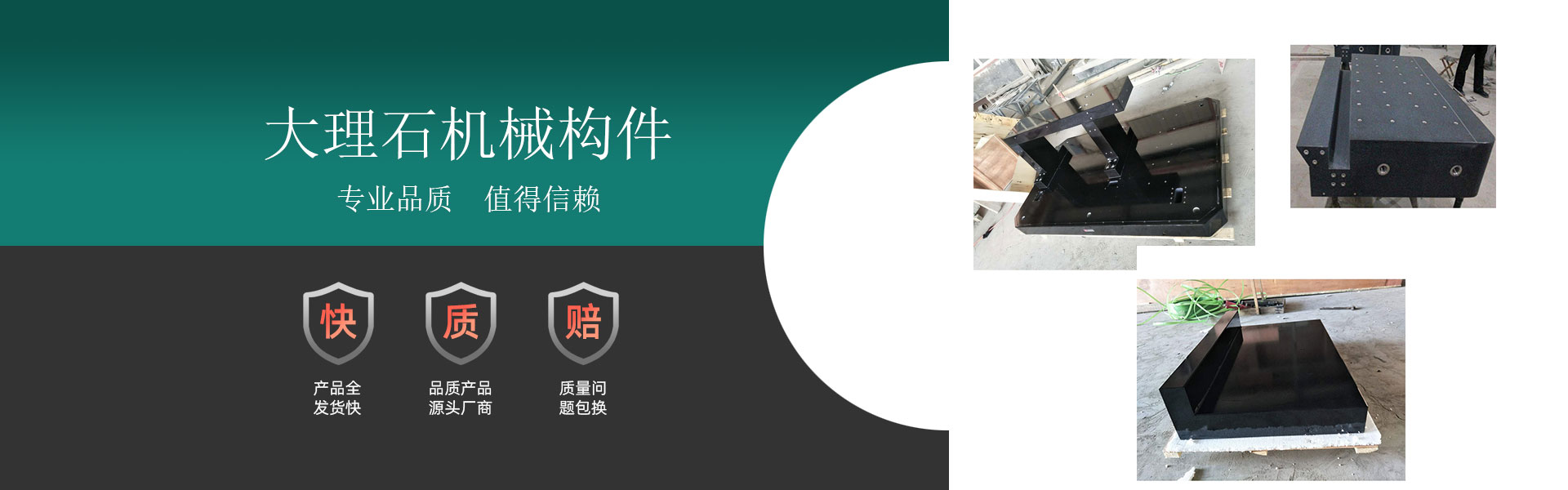
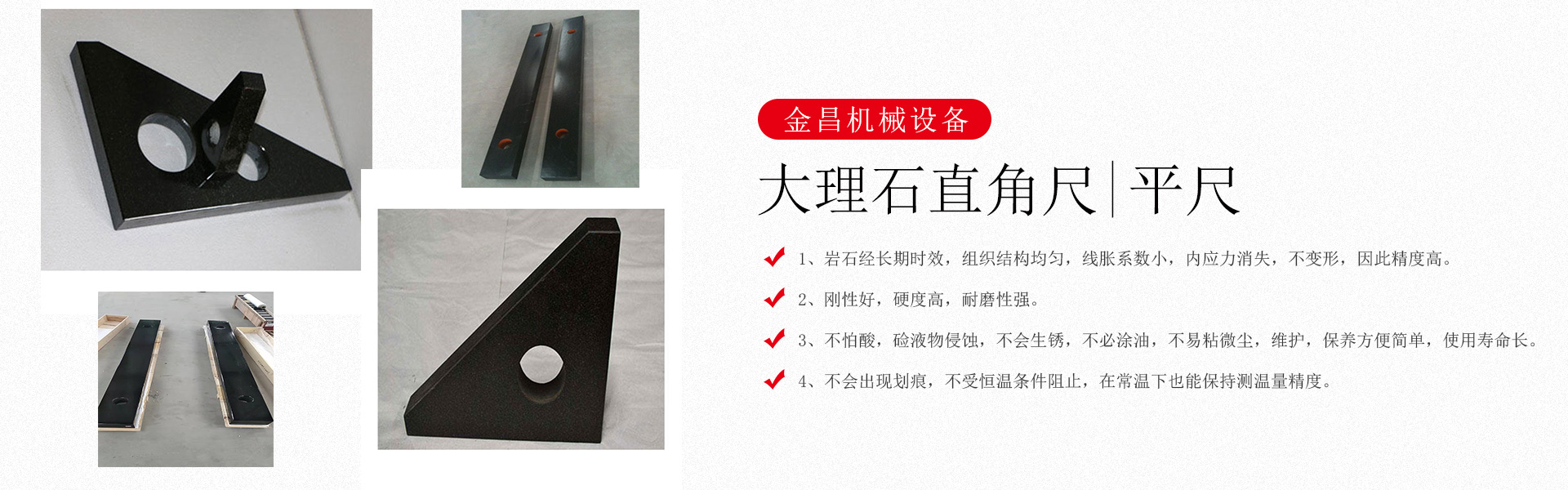
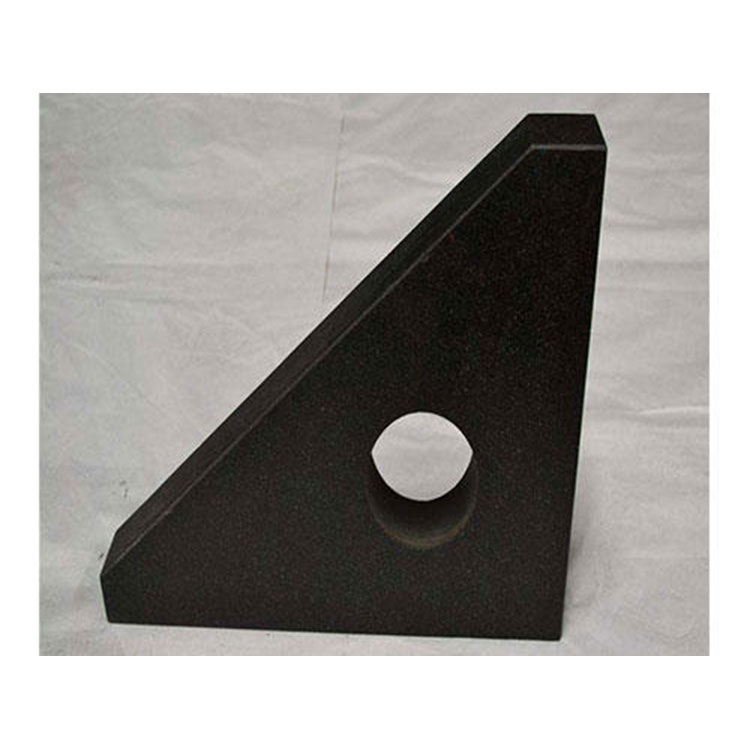
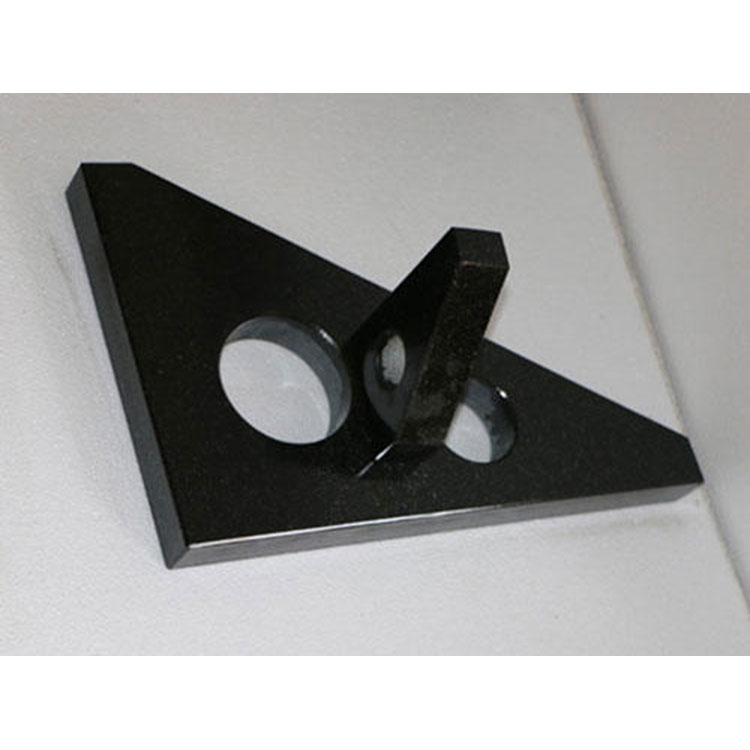
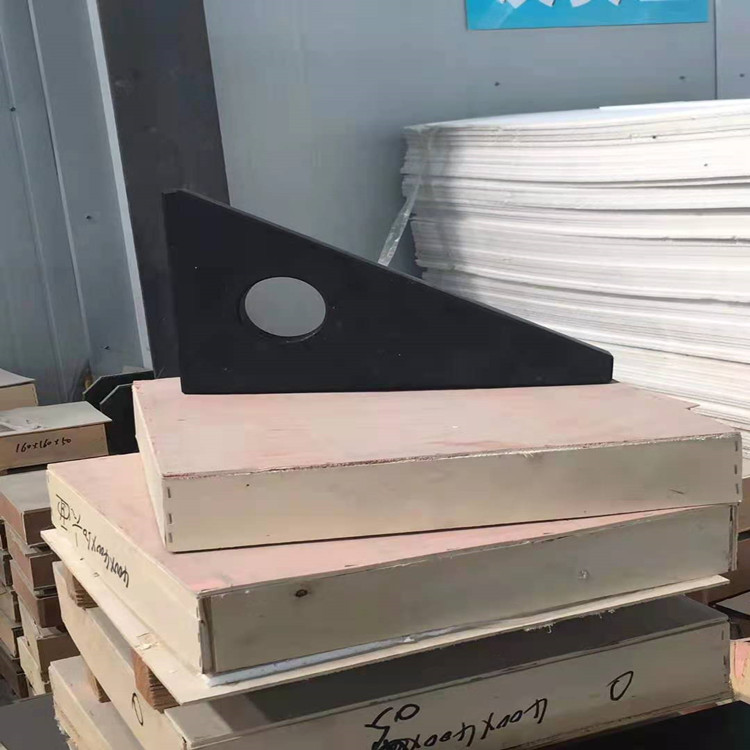
产品Price 10000.00/Individual
最小起订Quantity:1 Individual 供货总Quantity: 1111 Individual


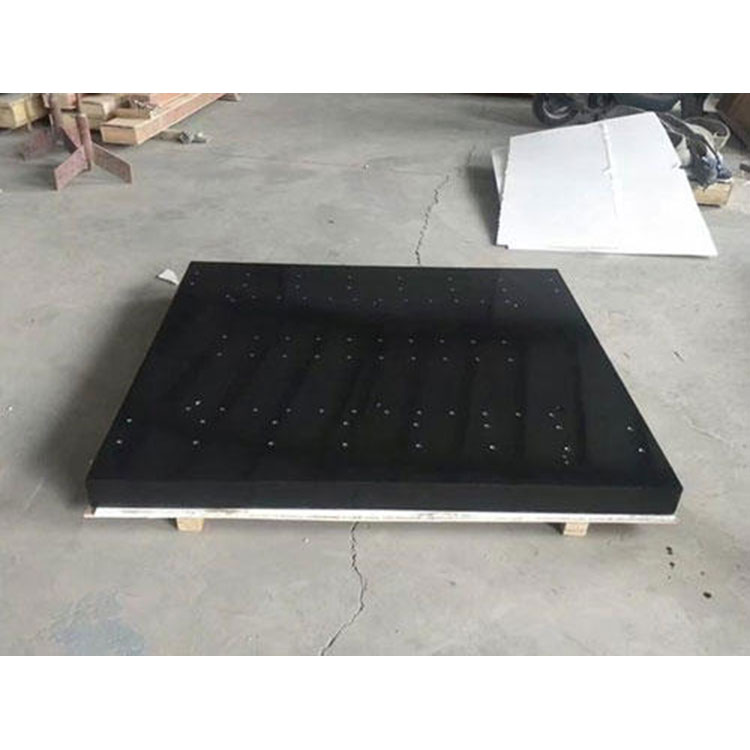 Marble Platform
¥10000.00
Marble Platform
¥10000.00
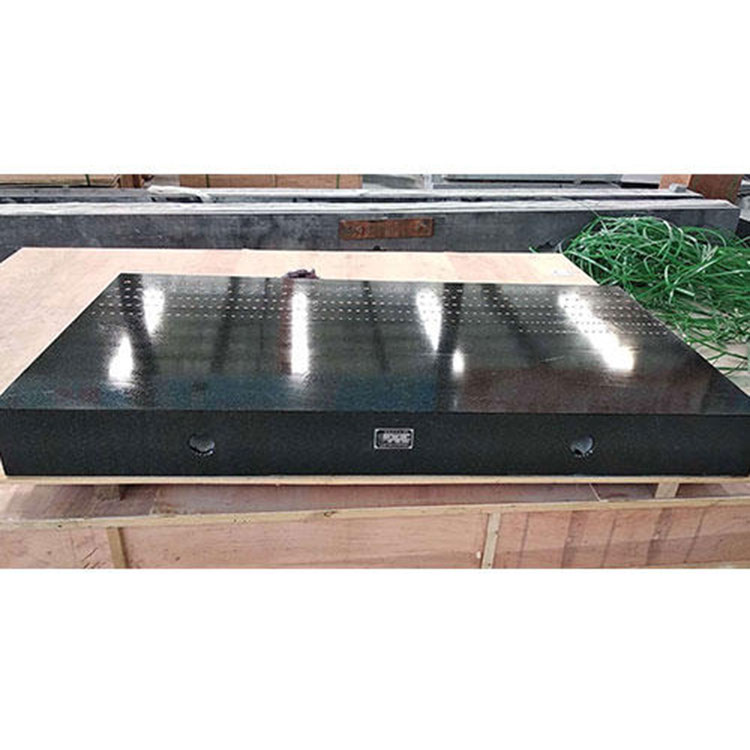 Marble workbench
¥10000.00
Marble workbench
¥10000.00
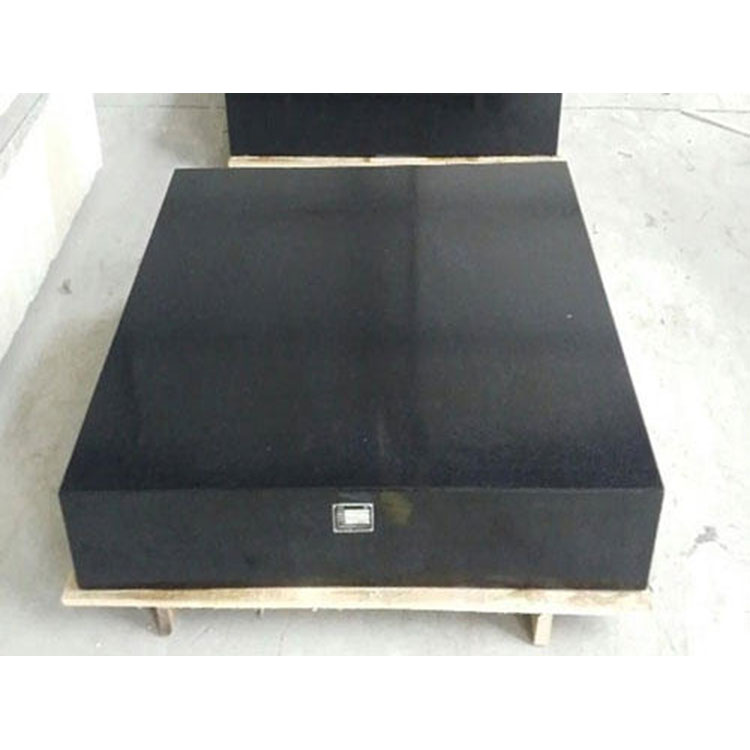 Marble Line Drawing Plate
¥10000.00
Marble Line Drawing Plate
¥10000.00
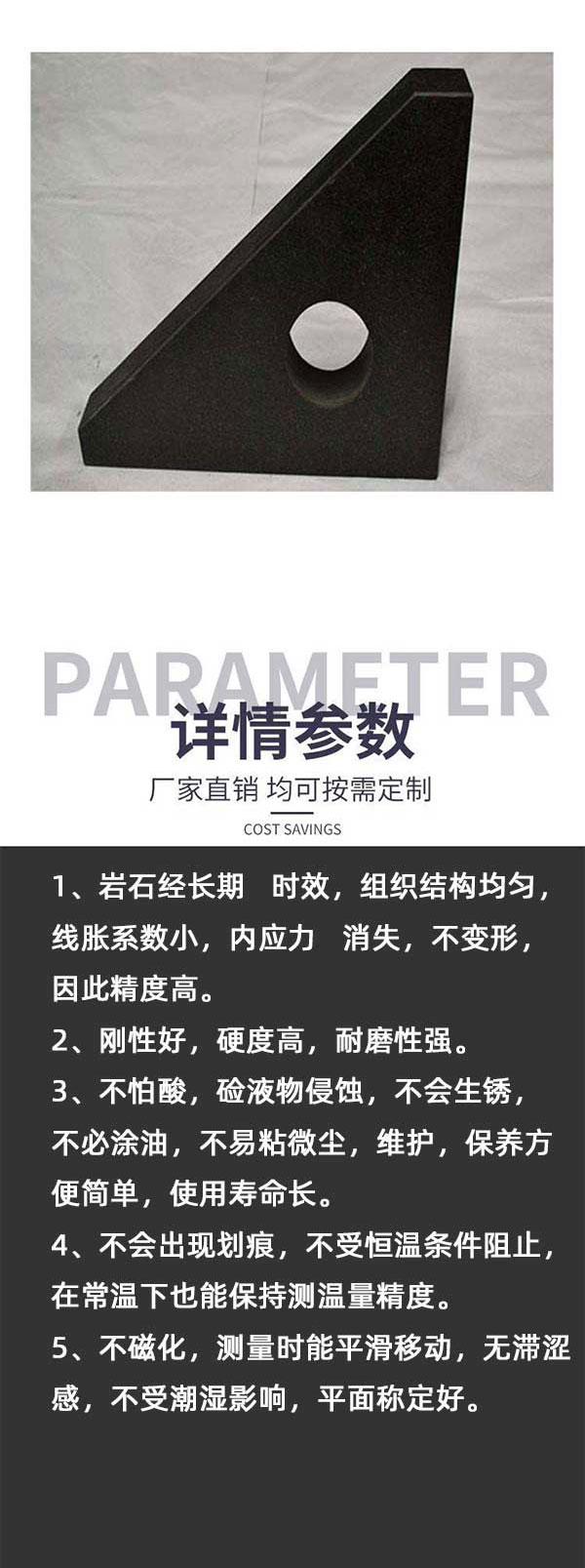
Internal stress |
|
Line Expansion Coefficient |
Please provide the Chinese content you would like translated. |
Rigid |
High |
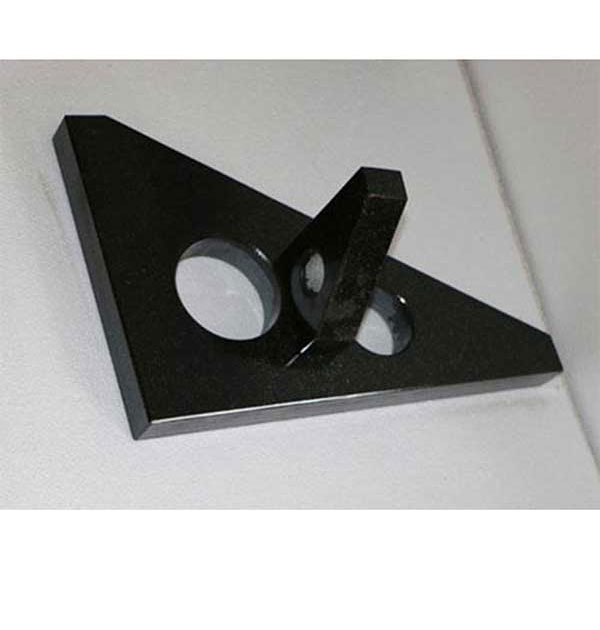
Granite right-angle rulers are primarily composed of gneiss, schist, with a small amount of olivine, biotite, and trace amounts of magnetite. They feature a black color, a fine texture, and a precise structure. Having undergone billions of years of aging, they possess uniform quality, excellent stability, high strength, and durability, maintaining high precision under heavy loads. Quartzite right-angled ruler, mainly composed of quartz, feldspar, trace amounts of olivine, biotite, and trace magnetite, with a black color. It features a precise texture pattern, having undergone billions of years of aging, resulting in uniform quality, good stability, high strength, and high hardness, capable of maintaining high precision under heavy loads. Suitable for measurement work in industrial production and laboratories. Features of Granite Right Angle Ruler: 1. Rock is subjected to long-term aging, during which internal stresses dissipate, resulting in no deformation and high precision. 2. Resistant to acidic and alkaline liquid erosion, does not rust, no need for oiling, not prone to dust adhesion, easy to maintain and care for, with a long service life. 3. No scratching, unaffected by temperature control, maintains temperature measurement accuracy at room temperature. 4. Non-magnetic, smooth movement during measurement without sticking, unaffected by humidity, and the surface is well-levelled. What are the precautions to take when using granite right-angle rulers? 1. Utilize certified, long-used marble right-angle rulers. 2. Select the appropriate precision square rulers: use 00.0 grade marble squares for fine measuring tools, 1st grade squares for precise and delicate parts, and 2nd grade squares for general machine assembly inspection. 3. Do not measure the moving workpiece on an operating machine; otherwise, the loose right-angle ruler will not allow for accurate angle measurement of the workpiece and is prone to accidents. 4. When using a 90-degree angle square with longer legs, be particularly mindful of preventing the task edge from becoming crooked. 5. Prior to use, clean the working surface of the square rule and the inspected surface of the workpiece. Inspect all task surfaces for any damage, burrs, or rust to prevent weakening the square rule and affecting measurement accuracy. 6. Pay attention to the difference in temperature between cast iron right-angle squares and workpieces; do not measure workpieces that are too cold or too hot. Do not hold the square for a long time in your hand. 7. During use, place the cast iron right-angle ruler on the work surface of the workpiece to be measured. Use the light gap method or feeler to determine if the workpiece angle is correct. When testing the external (internal) angle of the workpiece, ensure the inner (outer) edge of the right-angle ruler aligns with the workpiece. After pressing one edge of the right-angle ruler firmly against the workpiece surface, apply gentle pressure without excessive force to prevent any movement of the angle. Then, align the other edge of the right-angle ruler with the workpiece surface and judge the workpiece's qualification based on the size of the light gap. 8. The long side and short side measurement surfaces of the right-angle ruler are the working surfaces, hence they are the only sides that can be used for measurement, and it is not permitted to measure using the side edges or the lateral edge. 9. When measuring, ensure the level is properly positioned and not tilted. The square should be placed in a perpendicular position to the two sides forming the right angle, i.e., vertically against the workpiece being measured. Otherwise, fire measurement errors may occur. 10. During measurement, do not pull the magnesium-aluminum right-angle ruler back and forth on the surface of the workpiece. Instead, measure one area, then remove the square from the workpiece outline before measuring another area. 11. To achieve accurate measurement, turn the 90-degree angle ruler 180 degrees and measure again. Take the arithmetic average of the two readings as the final measurement. This will eliminate the error inherent in the straightedge itself.

Phone Consultation