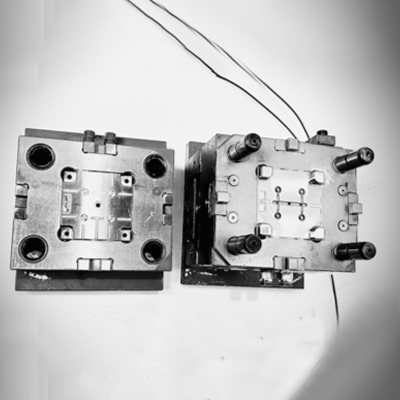
Precision Medical Injection Molding, Assembly, and Packag...

As the global medical device industry upgrades to precision and intelligence, medical injection molding, as a core manufacturing process, is experiencing dual opportunities of technological iteration and market expansion. According to the latest industry data, the global medical device injection molding market is expected to reach $41.481 billion by 2025, with a projected突破 of $57.671 billion by 2032, boasting a compound annual growth rate of 4.82%. The Chinese market is even more impressive, with the expected market size for medical plastic injection molding reaching 52.98 billion yuan in 2025, marking an 8.6% increase year-on-year. Micro molding technology applications, full-process automation upgrades, and green manufacturing transformation are the three core trends driving the industry's development.
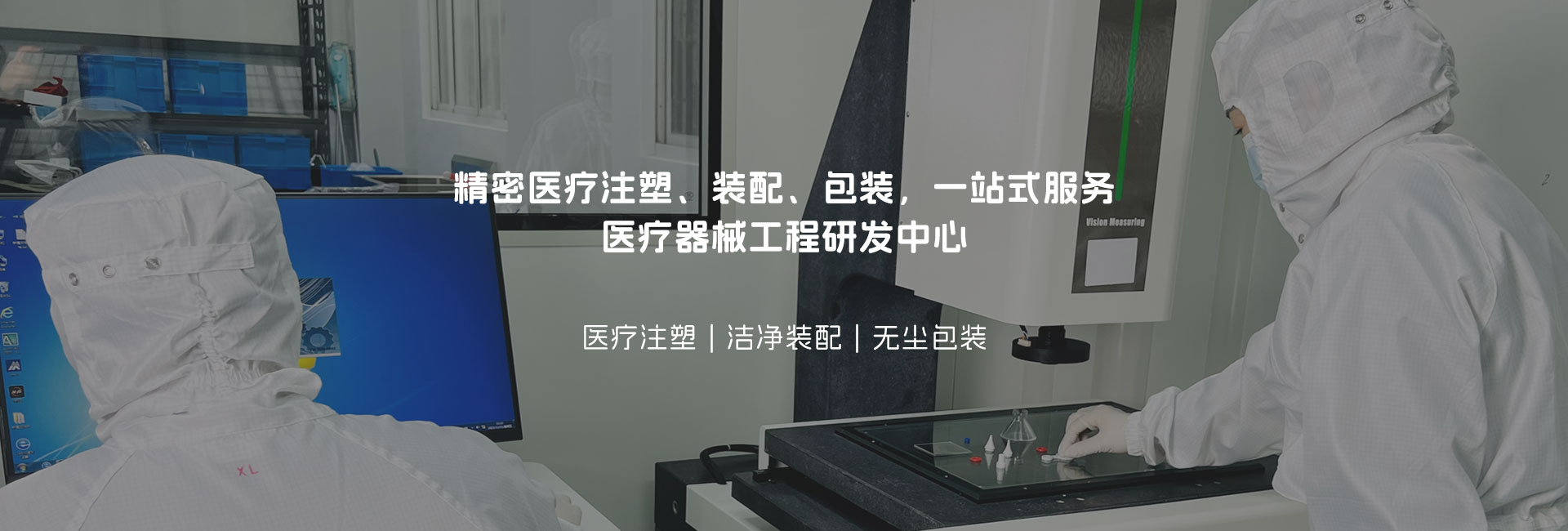
Driven by demand in minimally invasive surgical instruments, wearable medical devices, and in vitro diagnostics, micro-injection technology has evolved from a "niche process" to a "standard configuration" in the next-generation medical device manufacturing. Industry data shows that for micro-injection components used in neurological intervention devices, intraocular lenses (IOLs), and microfluidic chips, the size tolerance must be within ±10μm, the surface smoothness must reach nanometer levels, and they must meet ISO 10993 biocompatibility certification and stability requirements for multiple sterilizations. To meet these requirements, companies are increasingly focusing on technical breakthroughs, such as using special tool steels to manufacture microchannels molds and pairing them with high-performance materials like cyclic olefin copolymers (COC) and polyether ether ketone (PEEK) to achieve mass production of components like 0.9mg micro-vascular clamps and micro-gears. Domestic leaders have successfully boosted the yield rate of micro-components to over 99.8% by introducing high-magnification on-line inspection systems, breaking foreign technology monopolies, and providing critical support for the localization of domestic minimally invasive medical instruments.
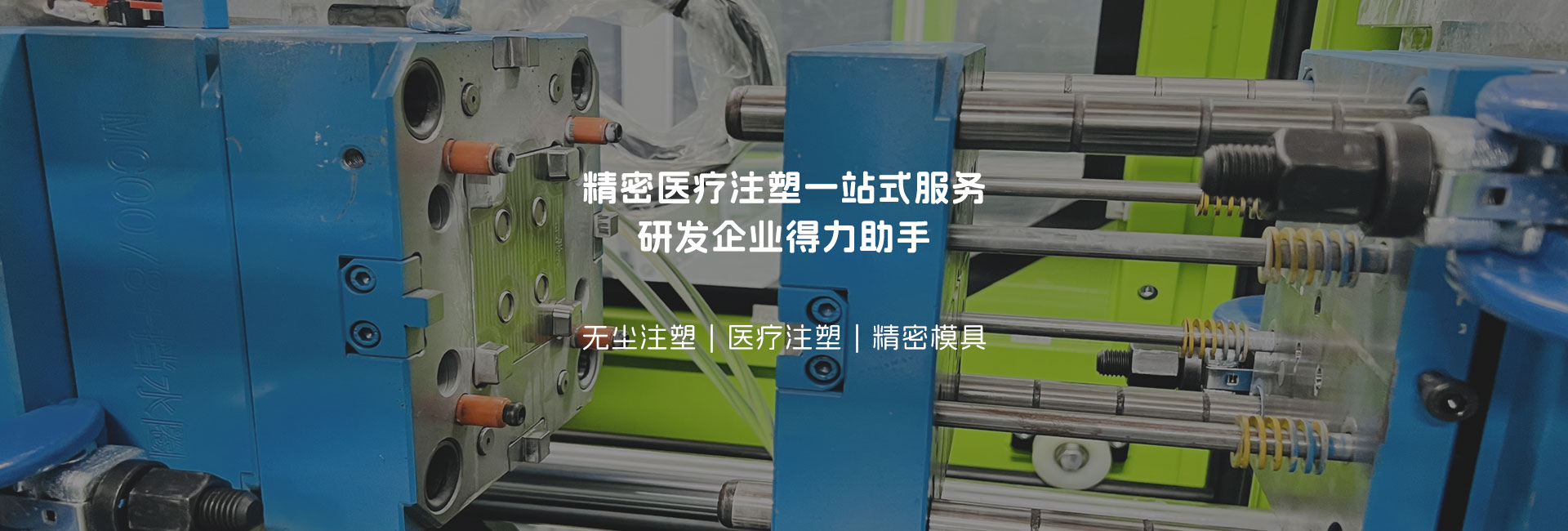
The automation upgrade in the medical injection molding industry has evolved from single equipment intelligence to a fully integrated "mold-injection-inspection-packing" process. By 2025, the penetration rate of domestically produced all-electric injection molding machines in the production of three categories of medical devices has reached 35%, a 5 percentage point increase from 2023. These machines, with a ±0.3% repeatability accuracy and low particulate contamination characteristics, have become the first choice for sterile consumables production. What's even more noteworthy is that in ISO 7/8 clean rooms, automated robots have achieved "zero human contact" from mold opening, product ejection, flash removal to sterile packaging. Some companies have also introduced digital twin technology, optimizing injection parameters through virtual simulation, reducing trial moldings by 35% and shortening the production cycle by 22%. For instance, enterprises in the Yangtze River Delta industrial cluster, relying on the MES system and Electronic Device History Record (EDHR) traceability platform, have achieved full traceability of each product from raw material batch to inspection data, fully complying with the new regulations of the U.S. FDA QMSR and the ISO 13485:2025 quality requirements.
Under stricter environmental policies and the global "dual carbon" goals, the medical injection molding industry is exploring a development path of "compliance and low-carbon coexistence." Although components directly in contact with patients are currently not allowed to use recycled materials, companies are achieving significant emissions reductions through process optimization: using servo-driven injection molding machines can reduce energy consumption by 25%, and optimizing the cycle through scientific injection and hot runner balancing technology can further reduce unit product energy consumption by 18%; on the workshop design level, the "clean room right-sizing" concept is becoming widespread, avoiding energy waste caused by over-construction, and 37 large-scale enterprises in China have completed green factory certification, with energy consumption per unit value down by 18% from 2020. On the policy front, China offers up to a 15% fiscal subsidy for intelligent injection molding lines that meet the criteria, with the maximum subsidy amount for a single enterprise reaching 30 million yuan in 2024, driving the industry to accelerate its transformation towards "low-carbon production + recyclable design," such as using snap-fit structures instead of adhesive bonding, which increases the recovery rate of equipment shells to over 90%.
Industry analysis indicates that the medical injection molding industry will exhibit "high-end technology, market concentration, and integrated services" over the next five years. Companies with micro-molding technology reserves, full-process automation capabilities, and green manufacturing qualifications will gain an advantage in domestic substitution and global competition. With the deepening of China's medical device registration system and the synergy of the Yangtze River Delta and Pearl River Delta industrial clusters, domestic companies are expected to further expand their market share in emerging markets such as Southeast Asia and the Middle East, driving the reconstruction and upgrade of the global medical injection molding supply chain.


b2b.china9.net © Zhongshang 114 Hebei Network Technology Co., Ltd.Address: Room 6009, Oriental New World Center, No.118 East Zhongshan Road, Qiaoxi District, Shijiazhuang City, Hebei ProvincePlatform Service Hotline: 4006299930