

Product Details

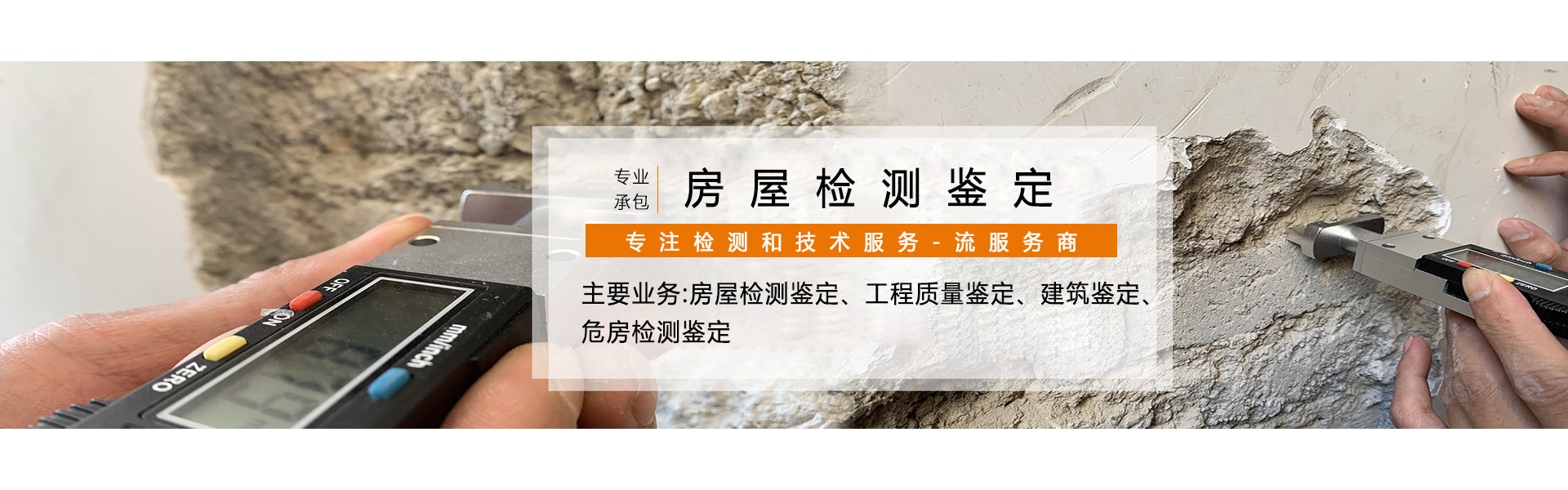
Building Engineering Quality Inspection and Appraisal



价 格Negotiable
最小起订0 piece库存0 piece
 Business Card
Negotiable

Negotiable

Negotiable

Negotiable
 Structural Steel Inspection
Negotiable
Structural Steel Inspection
Negotiable
 Non-destructive testing for steel
Negotiable
Non-destructive testing for steel
Negotiable
 Floor Load Capacity Testing
Negotiable
Floor Load Capacity Testing
Negotiable
 Portable toilet wind and seismic
Negotiable
Stage inspection
Negotiable
Portable toilet wind and seismic
Negotiable
Stage inspection
Negotiable
 Inspection and Testing Regulation
Negotiable
Inspection and Testing Regulation
Negotiable
 Tunnel Slope Monitoring
Negotiable
Tunnel Slope Monitoring
Negotiable
 Magnetic Particle Inspection
Negotiable
Rack Safety Inspection
Negotiable
Magnetic Particle Inspection
Negotiable
Rack Safety Inspection
Negotiable
 Construction Adjacent Impact Hous
Negotiable
Construction Adjacent Impact Hous
Negotiable
Engineering Geophysical Exploration - Divided into three major branches according to different exploration objects, the engineering geophysical exploration techniques include Petroleum Engineering Geophysical Exploration, Solid Mine Engineering Geophysical Exploration, and Hydraulic and Environmental Engineering Geophysical Exploration (abbreviated as Engineering Geophysical Exploration). The one we use is Engineering Geophysical Exploration.
Engineering geophysical techniques encompass a wide range of methods, each with its unique principles and equipment. With the advancement of science and technology, the development of engineering geophysics has become increasingly mature, and new methods and technologies are constantly emerging. It is common to see instances where problems that were deemed unsolvable a few years ago are now easily resolved due to the emergence of new methods, technologies, or instruments.
It is an emerging, highly active, and rapidly evolving discipline in the field of geological sciences. It also serves as one of the key methods in engineering surveys, and to some extent, its application and development have become a significant indicator of the modernization level of geological exploration.
Key Inspection Items:
(1) Metal pipeline detection: For underground metal pipeline detection, pipeline detectors and ground-penetrating radars are suitable. Pipeline detectors offer high efficiency, portable equipment, and accurate results for metal pipeline detection; ground-penetrating radars are ideal for detecting deeper and densely packed pipelines.
(2) Currently, ground non-metallic pipeline detection primarily uses ground-penetrating radar. Ground-penetrating radar offers advantages such as continuous non-destructive detection, accuracy, and ease of inversion interpretation. Utilizing the unique antenna array technology of ground-penetrating radar can enhance both the accuracy and effectiveness of detection results.

Phone Consultation