

Product Details

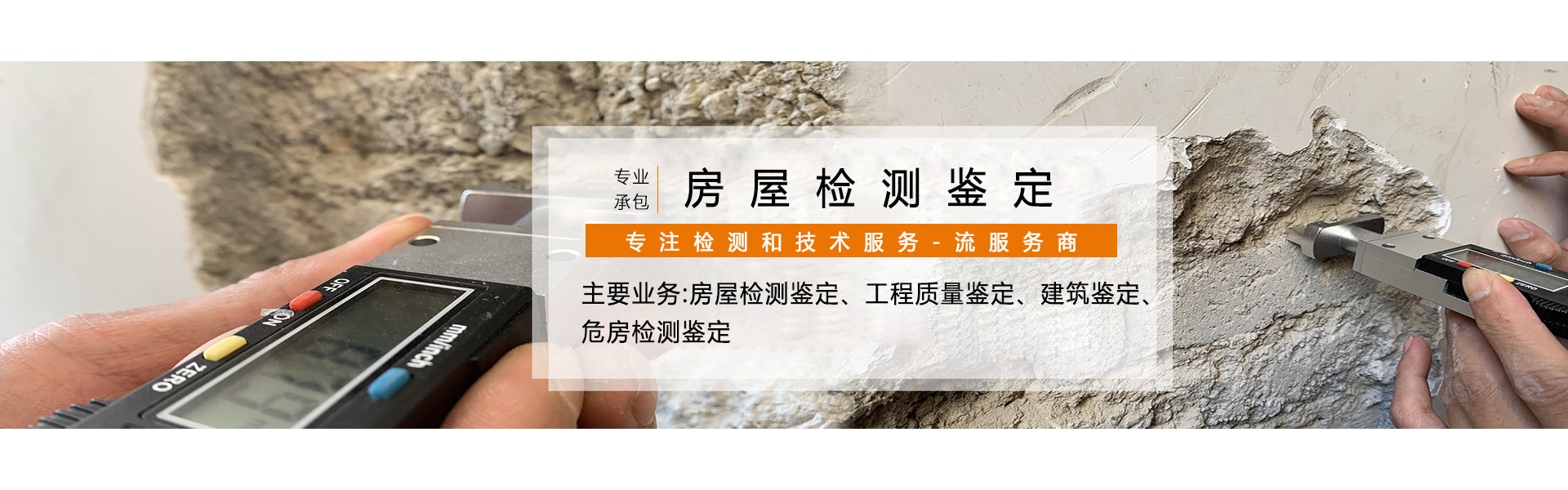
Building Engineering Quality Inspection and Appraisal



价 格Negotiable
最小起订0 Piece库存0 Piece
 Business Card
Negotiable

Negotiable

Negotiable

Negotiable
 Stage inspection
Negotiable
Stage inspection
Negotiable
 Vibration detection of buildings
Negotiable
Vibration detection of buildings
Negotiable
 Roof Load-bearing Capacity Testin
Negotiable
Roof Load-bearing Capacity Testin
Negotiable
 Factory inspection
Negotiable
Factory inspection
Negotiable
 Construction Adjacent Impact Hous
Negotiable
Construction Adjacent Impact Hous
Negotiable
 Floor Load Capacity Testing
Negotiable
Inspection and Testing Regulation
Negotiable
Floor Load Capacity Testing
Negotiable
Inspection and Testing Regulation
Negotiable
 Portable toilet wind and seismic
Negotiable
Building Facade Four Properties T
Negotiable
Portable toilet wind and seismic
Negotiable
Building Facade Four Properties T
Negotiable
 Tower Inspection
Negotiable
Tower Inspection
Negotiable
Penetrant inspection is a non-destructive testing method that utilizes capillary action to check surface defects in materials. It can detect surface open defects in non-porous materials and is divided into two types: dye penetrant and fluorescent penetrant. It can be used both for laboratory samples and for on-site inspections (both dye penetrant and fluorescent penetrant are applicable).
Working Principle
After the part surface is treated with an penetrant containing fluorescent or colored dye, under the action of capillary forces, after a period of time, the penetrant can渗透 into the surface opening defects; after removing the excess penetrant from the part surface, apply a developer to the part surface.
Application Scope
Suitable for inspecting parts made from various metal and non-metal materials, including iron and steel, aluminum alloys, magnesium alloys, titanium alloys, fiberglass, glass, plastics, ceramics, and more.
Suitable for inspecting parts subjected to various cold and hot processing, including castings, weldments, forgings, extrusions, heat-treated parts, surface-treated parts, and various machined parts; also applicable for raw material samples, work-in-progress parts, finished products, and in-service parts.
Service Content
(1) Pressure Pipelines: Industrial pressure pipelines, oil and gas transmission pipelines, industrial metal thermal pipelines, industrial metal gas pipelines, etc.
(2) Pressure Vessels (including cylinders): power industry boilers, stationary pressure vessels, mobile pressure vessels, etc.
(3) Marine Equipment and Products: Non-destructive testing and thickness gauging for propulsion systems, cabin equipment, deck machinery, and other marine and ship products.
(4) Non-destructive Inspection of Billboards: Rooftop billboards, wall billboards, freestanding billboards, highway billboards, etc.
(5) Non-destructive Testing for Steel Structures: Structural steel used in construction projects, road and bridge structures, water conservancy projects, electric power projects, convention centers, stadiums, and more.
(6) Non-destructive Testing for Boilers: Steam boilers, hot water boilers, organic heat carrier boilers, etc.
(7) Non-destructive Testing for Cranes: Bridge cranes, Gantry cranes, Tower cranes, Mobile cranes, Railway cranes, Portal cranes, Mast cranes, Jib cranes, Cable cranes, Light and small cranes, etc.
(8) Power and Water Engineering: Non-destructive testing related to thermal power, wind power, nuclear power, and hydropower engineering.
(9) Standard Parts: Non-destructive testing for standard parts such as bolts, screws, studs and nuts, threaded rods, bearings, shafts, cylinders, sleeves, etc.
(10) Raw Materials: Non-destructive testing for materials such as sheets, bars, pipes, castings, forgings, and steel forgings, etc.
(11) Non-destructive testing for special equipment such as passenger cableways of other categories, large amusement facilities, and on-site mobile vehicles.
Inspection Steps
Clean → Pre-Clean → Ultrasonic Cleaning → Steam Degreasing → Compressed Air Drying → Penetration Time → Emulsification Time → Post-Emulsification → Drying Time → Imaging Time → Post-Cleaning

Phone Consultation