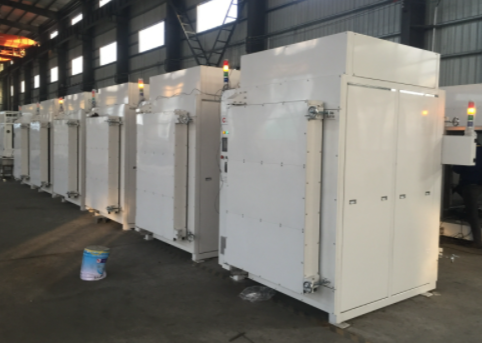


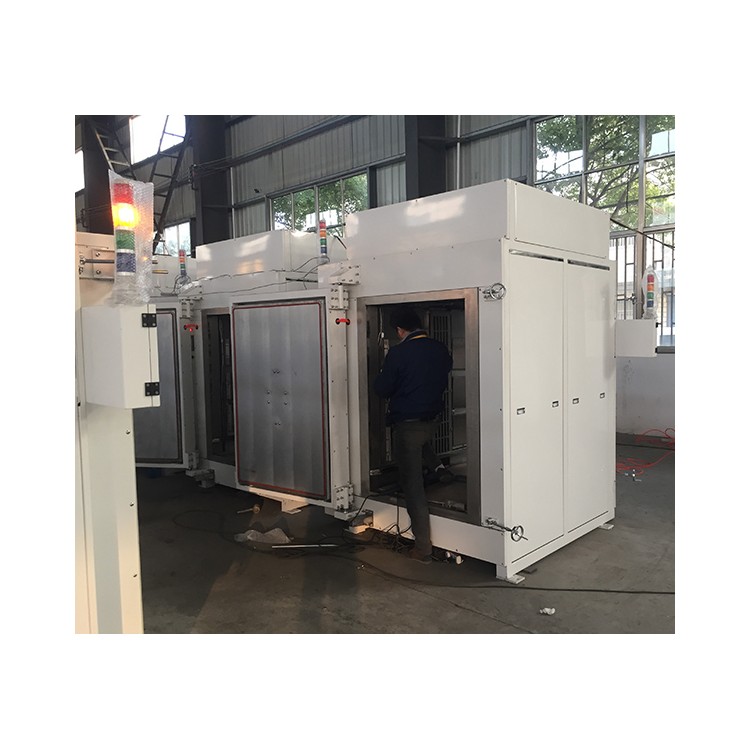
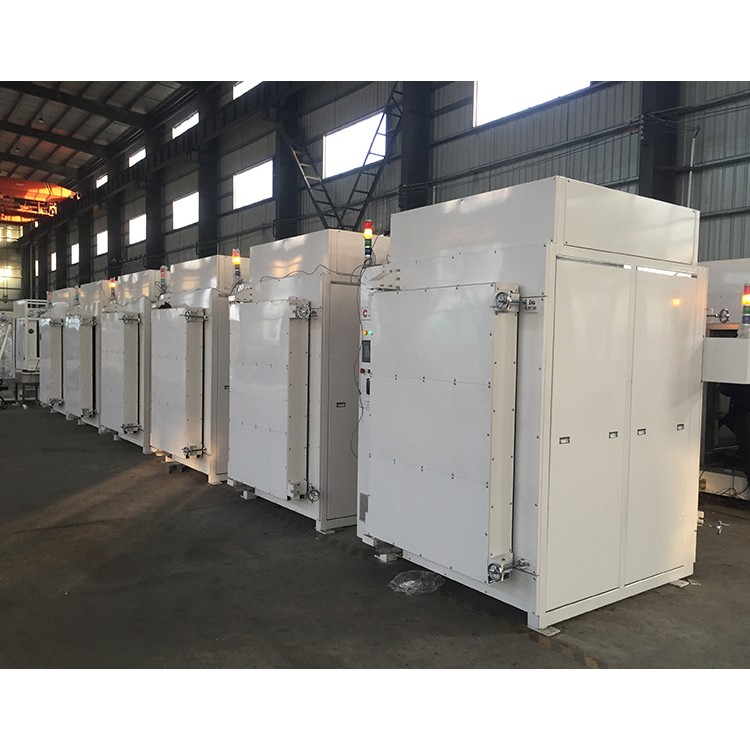
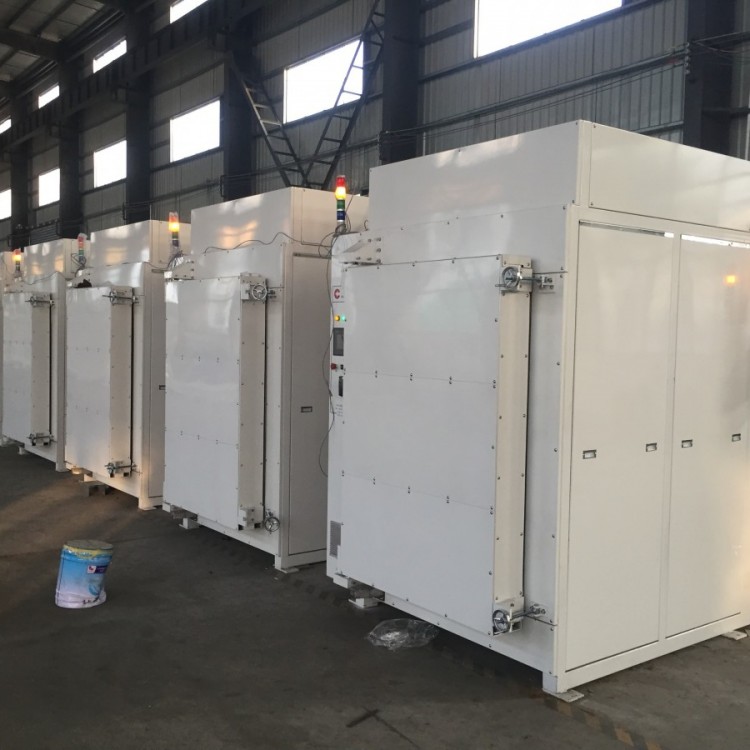
Battery vacuum drying oven
Vacuum oven, also known as a vacuum baking oven, vacuum drying oven, or vacuum roaster, is widely used in industries such as chemicals, electronics, food, light industry, etc. It can dry materials under vacuum conditions. It boasts advantages such as fast drying speed, minimal contamination, and no damage to the inherent quality of the dried items.
Features: Vacuum oven, also known as vacuum roaster, vacuum drying oven, and vacuum baking oven, widely used in industries such as chemical, electronics, food, light industry, etc. It can dry materials under vacuum conditions. Offers advantages such as fast drying speed, minimal pollution, and no damage to the inherent quality of the dried items.
Battery-Specific Vacuum Oven is a vacuum oven designed exclusively for the baking process of lithium-ion batteries. Due to the special nature of the oven material, the lithium-ion battery-specific oven must have features such as resistance to strong acid and alkali corrosion, precise temperature control, efficient programmable operation, and stable safety.
Purpose: Due to the strict control of moisture content within lithium-ion batteries, moisture significantly affects their performance, including voltage, internal resistance, and self-discharge. Excessive moisture content can lead to product scrapping, quality degradation, and even product explosion. Therefore, in various production processes of lithium batteries, multiple vacuum baking operations are required for the positive and negative electrodes, cells, and batteries to remove moisture as much as possible.
The specialized vacuum oven for lithium batteries heats the battery or electrode sheet under atmospheric pressure for a period, converting moisture into steam; after evaporation, vacuuming removes the steam; nitrogen inflation breaks the vacuum to maintain a dry environment. During the actual baking process, the sequence of these three steps varies depending on the specific process, often requiring multiple cycles.