
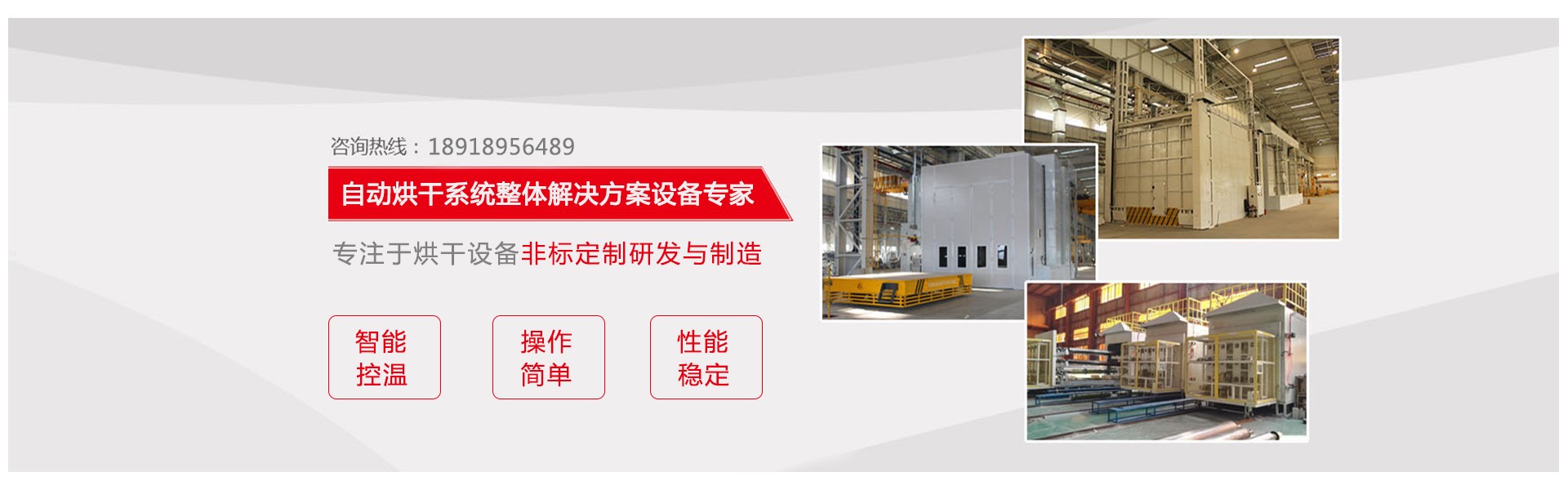


Industrial ovens are a common thermal processing equipment, widely used in manufacturing processes such as drying, sintering, and curing. They can rapidly heat objects to the required temperature, achieving specific thermal treatment effects. This article will provide a detailed introduction to the application fields and advantages of industrial ovens.
I. Application Fields
Industrial ovens are extensively applied in the manufacturing sector, serving various processes such as heating, drying, and aging for materials like electronics, plastics, rubber, glass, and ceramics. For instance, in the electronics industry, ovens can be used for drying circuit boards and curing adhesives; in the plastics industry, they are utilized for the dewaxing and drying of plastic products.
2. Pharmaceutical Industry: The pharmaceutical industry demands strict control over temperature and humidity, making industrial ovens a crucial component in the production process. They are used for drying, sterilizing, and curing drugs, ensuring the quality and safety of the medication.
3. Food Processing: Industrial ovens are an indispensable piece of equipment in the food processing industry. They are used for baking, dehydration, and other processes in the production of bread, biscuits, meat products, etc., to enhance the quality and texture of the food.
4. Laboratory Research: Industrial ovens play a crucial role in the field of laboratory research. They are used for processes such as sample drying and curing, meeting the specific temperature requirements of researchers.
Advantages
Precise Temperature Control: The industrial oven utilizes an advanced temperature control system, capable of real-time monitoring and control of the heat treatment temperature, ensuring stability during the heating process. Precise temperature control enhances product quality and reduces variability.
2. Energy-Efficient Performance: Industrial ovens are equipped with high-efficiency heating elements and insulation materials, enabling rapid heating of objects to the required temperature, thereby saving heating time and energy consumption. Additionally, the design of the internal air convection system within the oven enhances heating efficiency and reduces energy waste.
3. Easy Operation: Industrial oven operation is incredibly simple, requiring only the setting of appropriate heating temperature and time. Additionally, the interior space is well-designed, making loading and unloading materials very convenient, thus enhancing work efficiency.
4. Safety Assurance: Industrial ovens are equipped with advanced safety protection features, including power failure protection and high-temperature alarm, ensuring the safety of both the equipment and operators. Additionally, the oven's external structure is lined with high-temperature insulation materials to maintain low external temperatures and minimize the risk of burns.
In summary, industrial ovens find extensive applications in manufacturing, the pharmaceutical industry, food processing, and laboratory research. They offer precise temperature control, energy efficiency, ease of operation, and safety, providing reliable drying solutions for various processes. As technology continues to advance, industrial ovens will become more intelligent and efficient, bringing more convenience and benefits to various industries.
