
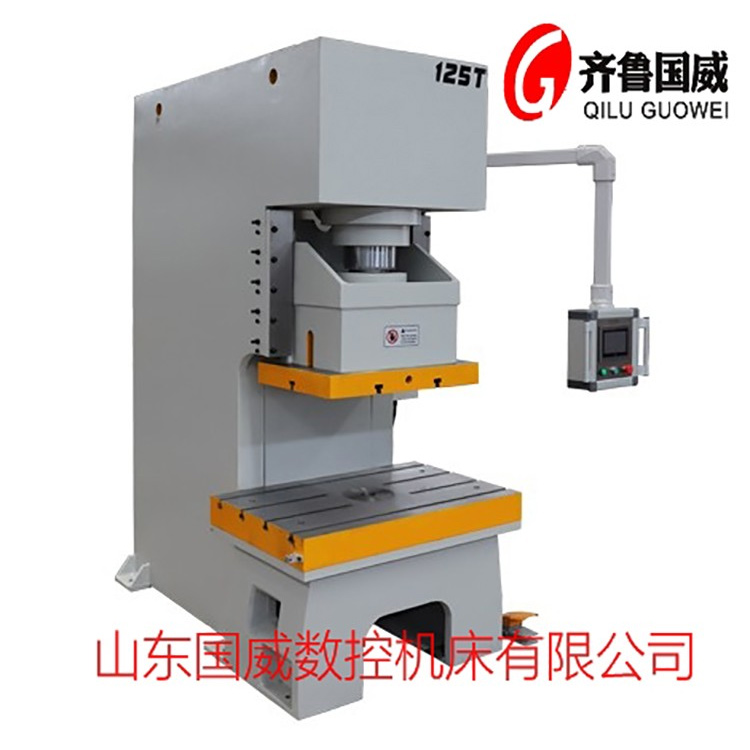
 Single-column hydraulic press
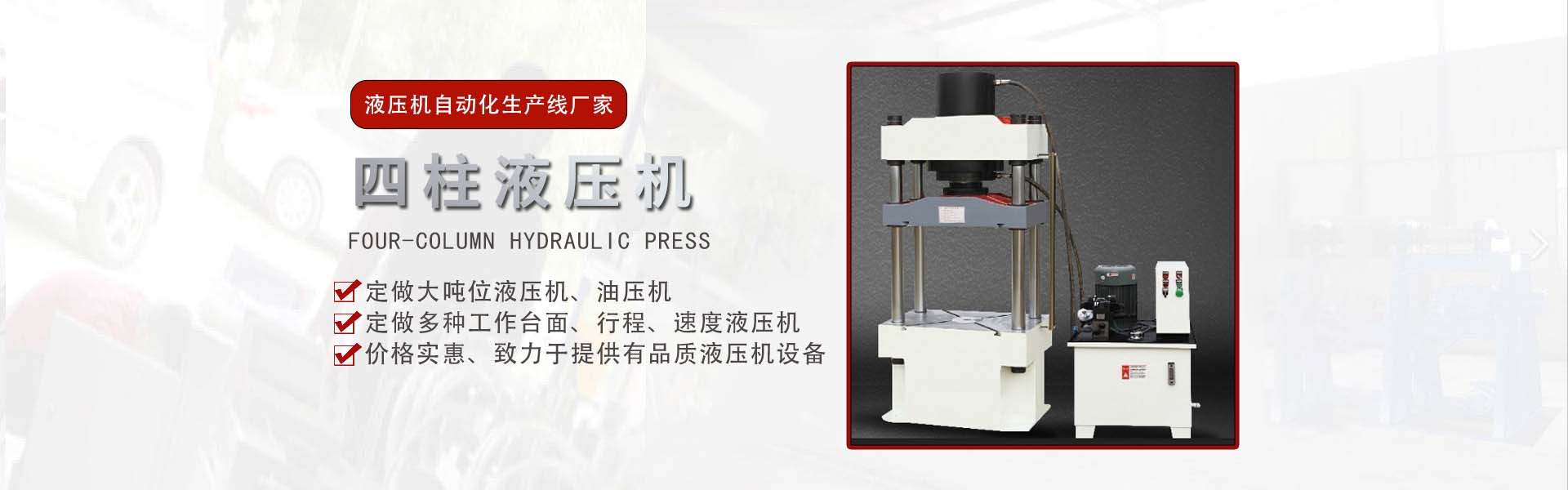
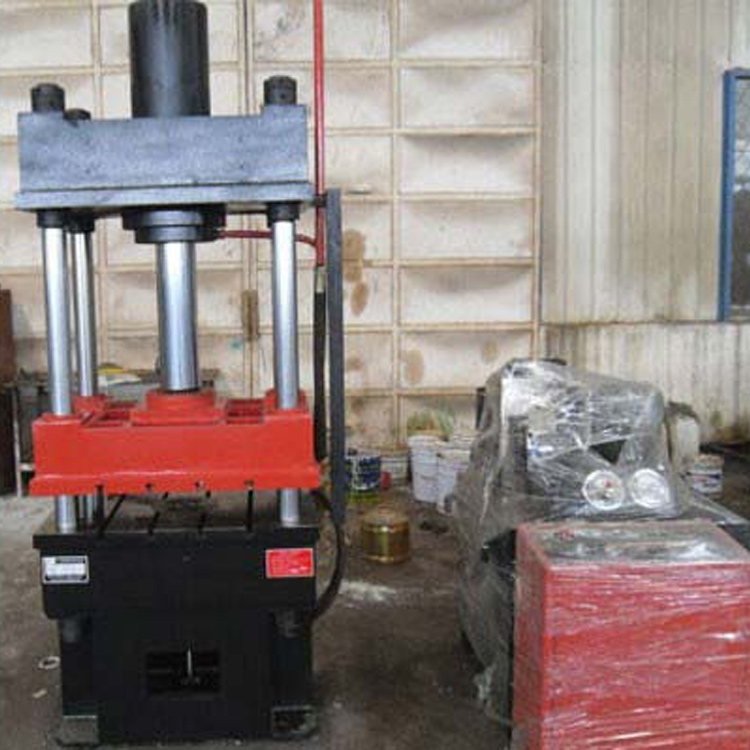 100-ton compact four-column three-rib hydraulic press
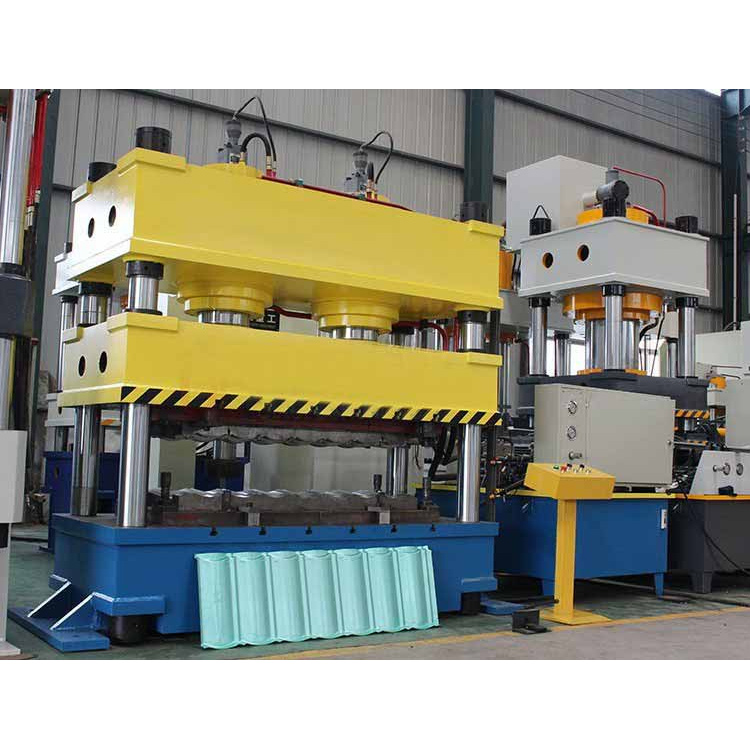 2500T Four-column hydraulic press
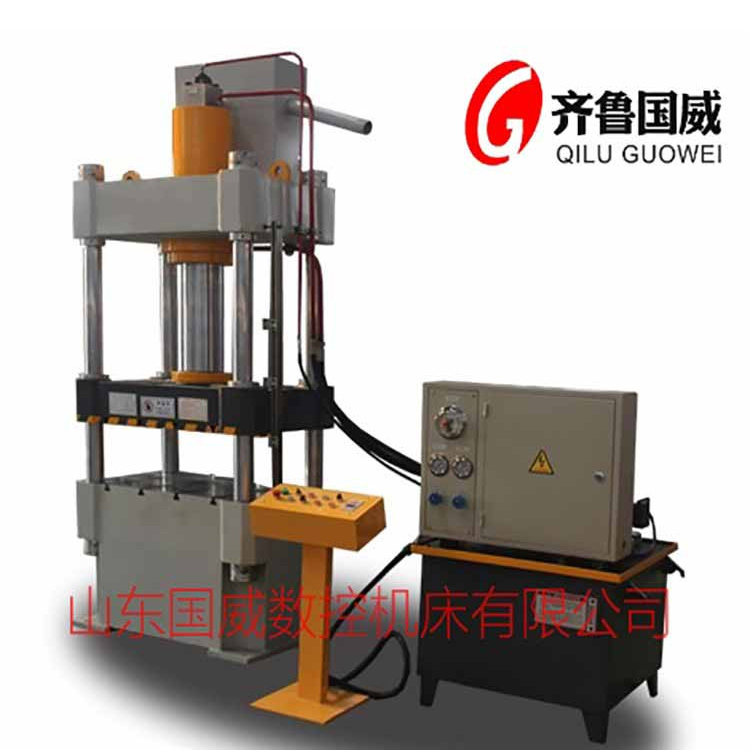 63 tons custom model with 3 beams and 4 posts
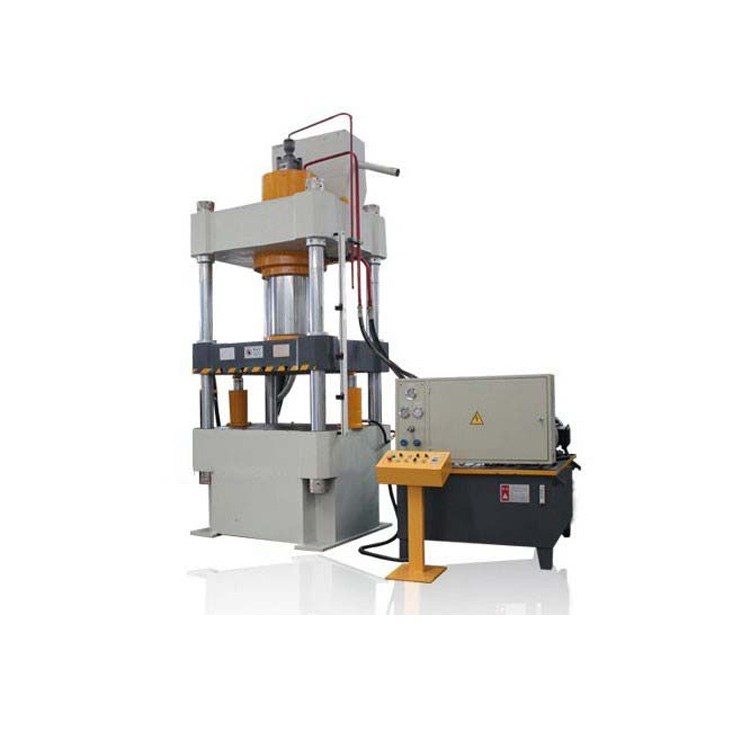 Three-Beam Four-Column Hydraulic Press
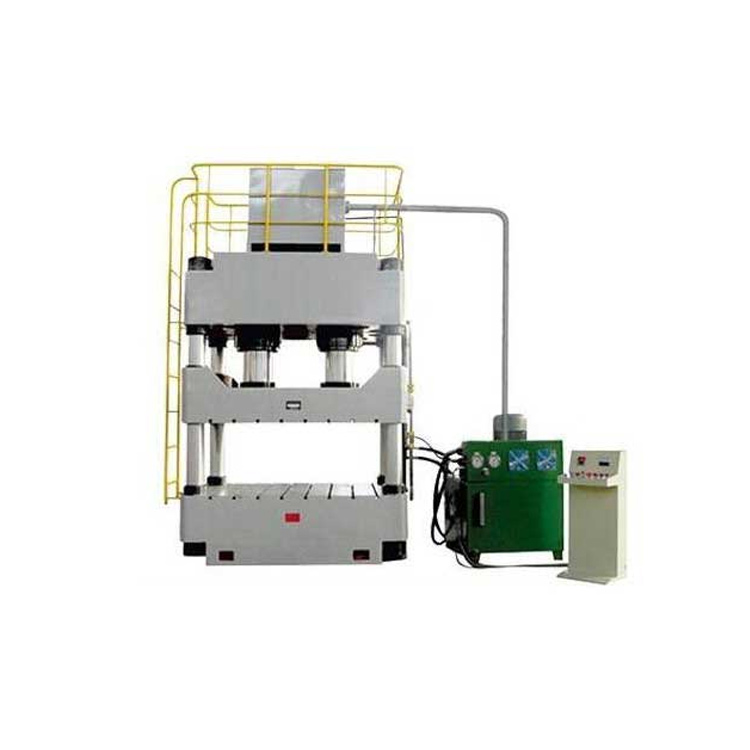 Four-column hydraulic press
Product Details

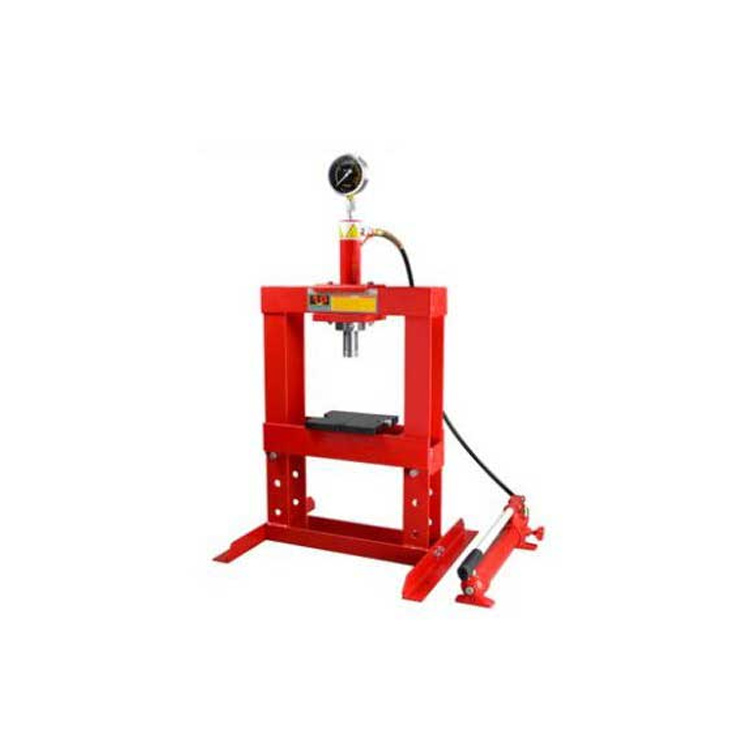
Hydraulic Press - Oil Press - Pressure Machine
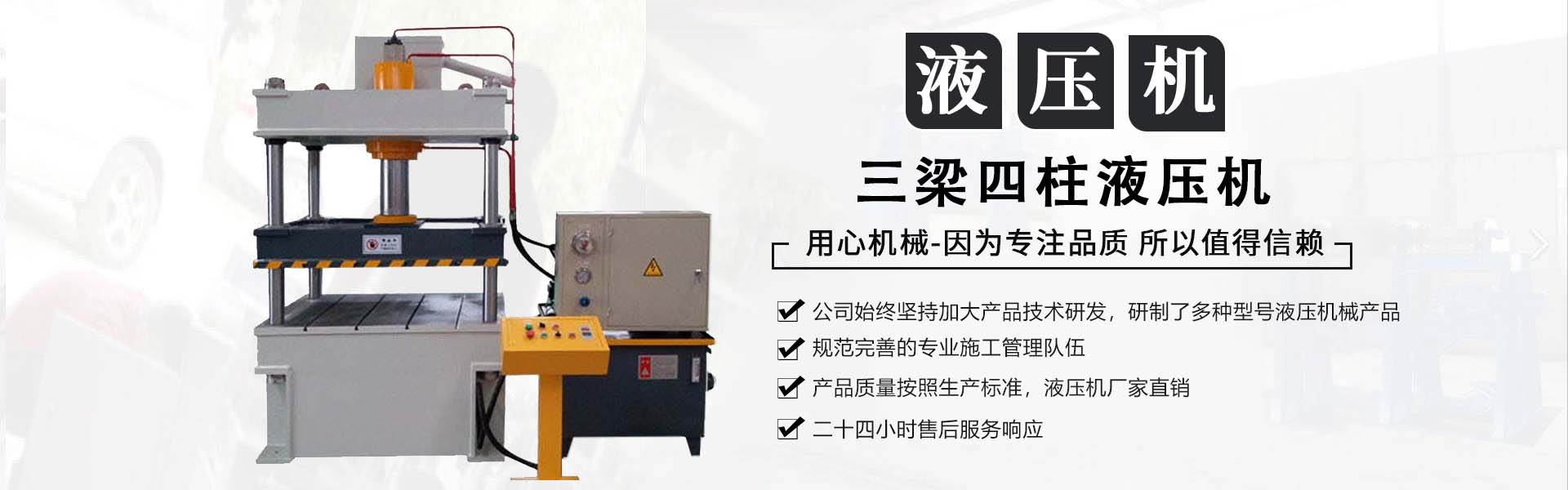


产品Price Negotiable
最小起订Quantity:1 Tai 供货总Quantity: 9999 Tai


300-ton hydraulic press product introduction:
The 300-ton hydraulic press (a type of hydraulic machine) operates by using hydraulic oil as the working medium and a hydraulic pump as the power source. The pump's force drives the hydraulic oil through hydraulic pipelines into the cylinder/piston. Inside the cylinder/piston, there are several sets of mating seals, each at different positions, all serving to seal and prevent oil leakage. The hydraulic oil circulates in the reservoir through a one-way valve, enabling the cylinder/piston to cycle and perform work, thereby completing mechanical actions as a source of productivity.
Product Features of 300T Hydraulic Press:
The stroke speed of the hydraulic press's movable crossbeam depends on the pump's fluid supply rate and is unrelated to the forging deformation resistance in the process. If the pump's fluid supply rate is constant, the working speed of the hydraulic press is a fixed value.
2. The supply pressure of the pump and the power consumed are related to the deformation resistance of the workpiece being processed. Higher work deformation resistance results in greater supply pressure and power consumption by the pump, whereas lower resistance leads to less pressure and power.
3. Utilizing the constant travel speed of the actuating beam and the varying hydraulic pressure supplied by the pump, these characteristics can be used as signals to control the distributor, thereby achieving automatic control of the hydraulic press.
4. Basic investment savings, small land occupation, and simple daily maintenance and upkeep. The hydraulic pumps in the direct drive system of the pumps are all selected based on the higher working speed and pressure of the hydraulic presses. However, during the filling stroke, return stroke, auxiliary operations, and when the required working pressure is lower, the hydraulic pumps are not fully utilized, especially in high-tonnage hydraulic presses, where the utilization coefficient is very low. Therefore, hydraulic presses tend to use stepped transmission for working speed and pressure.
300-ton hydraulic press maintenance and care:
Lubricate and maintain according to the machine's lubrication requirements.
2. After each year of operation, the hydraulic oil should be drained and the reservoir cleaned from the machine tool's bed. Refill with filtered hydraulic oil, ensuring the level is at 3/4 of the oil mark.
3. Clean or wash the oil filter mesh on the oil absorbent tube regularly.
4. Regularly inspect handles, knobs, and buttons for damage.
5. Keep the motor clean, and ensure the intake grill of the motor is well-ventilated at all times; it must not be blocked.
6. Ten minutes before the end of each day, oil and lubricate the machine tools, and clean them thoroughly.
7. Strictly prohibit unauthorized personnel from operating this equipment; ensure the machine is turned off when no one is in the vicinity.
Advantages of 300T hydraulic press:
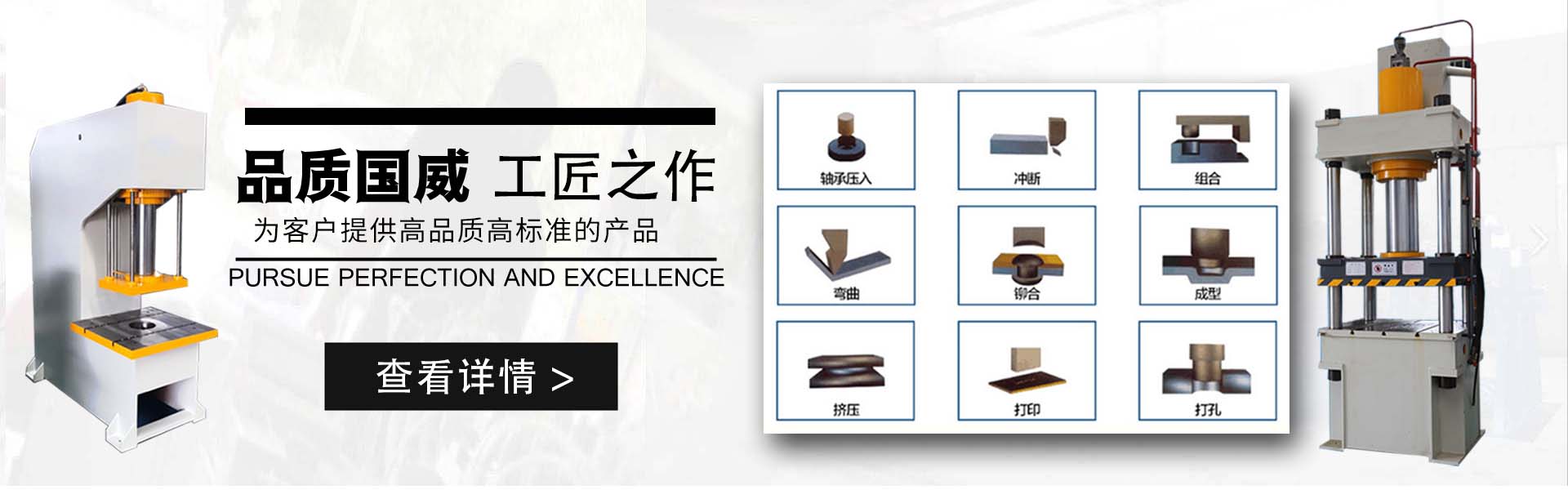
This series of hydraulic press is a versatile molding equipment suitable for pressing processes of plastic materials. It is used for forming powdery products, plastic products, cold (hot) extrusion of metals, sheet metal extension, as well as stamping, bending, flanging, and straightening processes.
The machine features an electrical system with a power-driven mechanism, controlled either by a centralized button system or in a PLC format with a touchscreen. It offers three modes of operation: adjustment, manual, and semi-automatic.
The machine's working pressure, pressing speed, and slider stroke can all be adjusted according to process requirements. It can complete three process methods: ejection, non-ejection, and stretching. Each process offers the choice of pressure-controlled or stroke-controlled actions. The pressure-controlled molding process features pressure holding, delay, and automatic return after pressing.
This series of hydraulic press not only features the aforementioned functions but also includes ejecting, delay, and automatic retraction capabilities for the ejector cylinder.
