
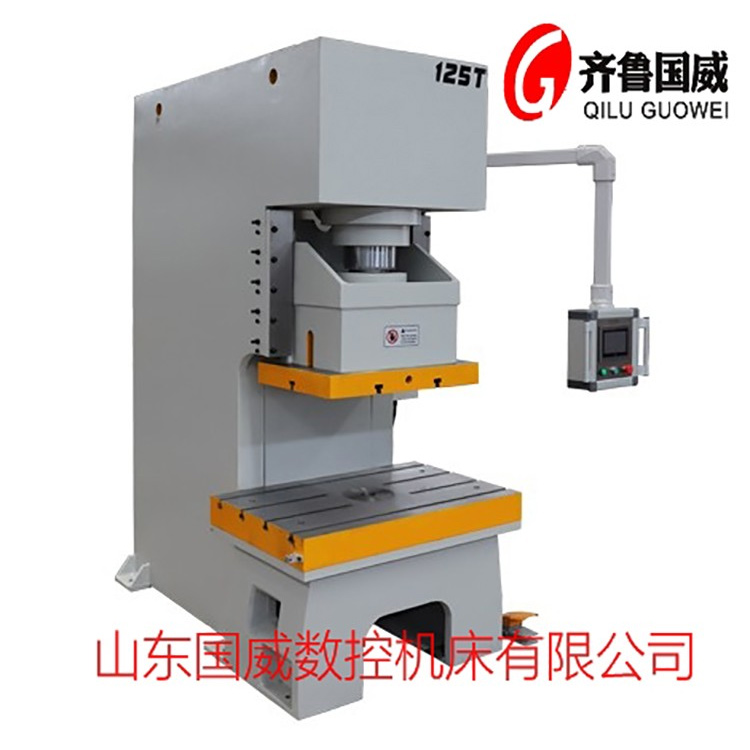
 Single-column hydraulic press
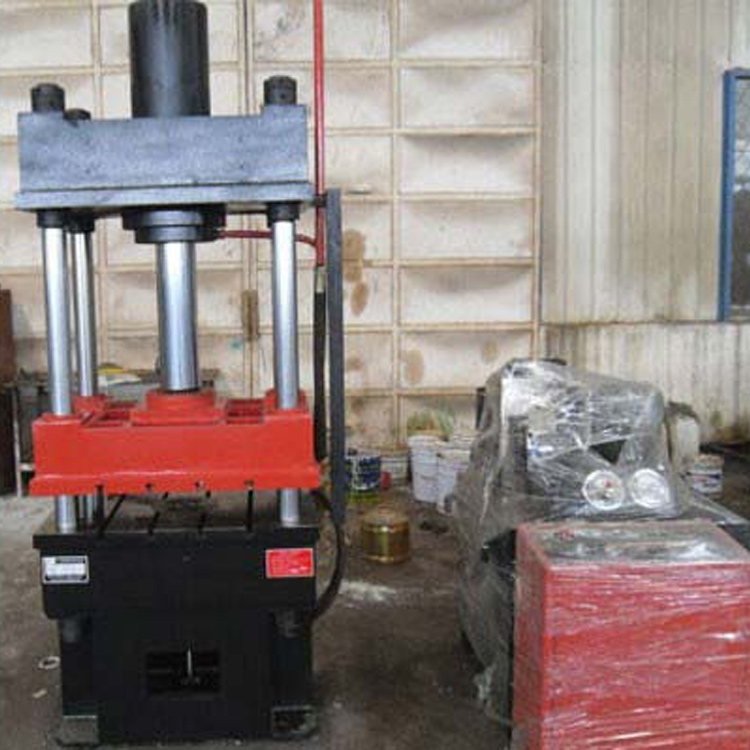 100-ton compact four-column three-rib hydraulic press
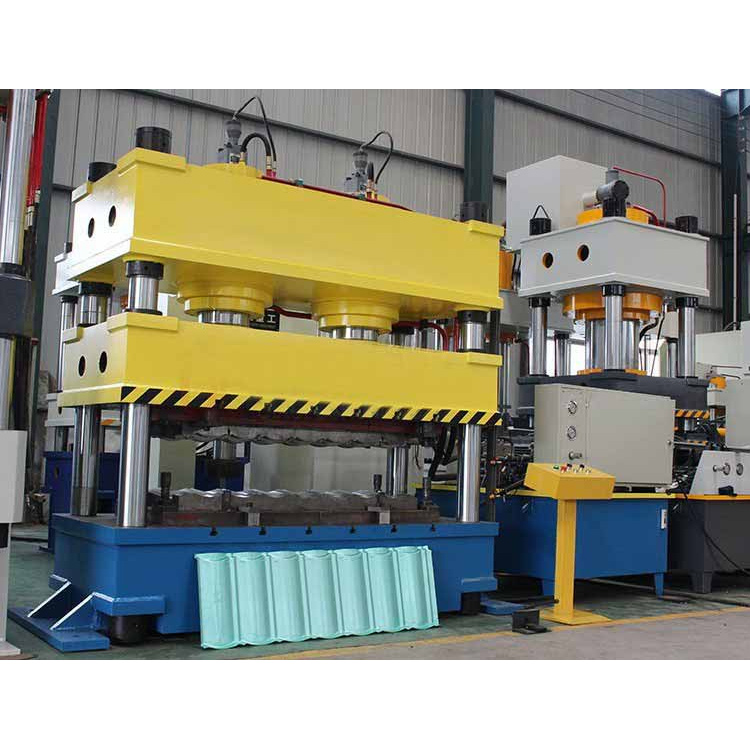 2500T Four-column hydraulic press
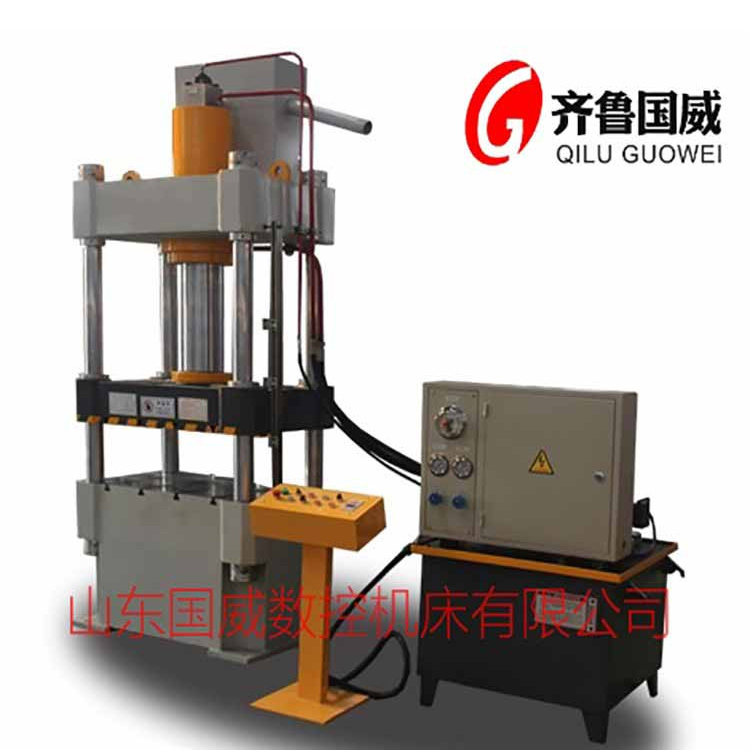 63 tons custom model with 3 beams and 4 posts
 300-ton hydraulic press
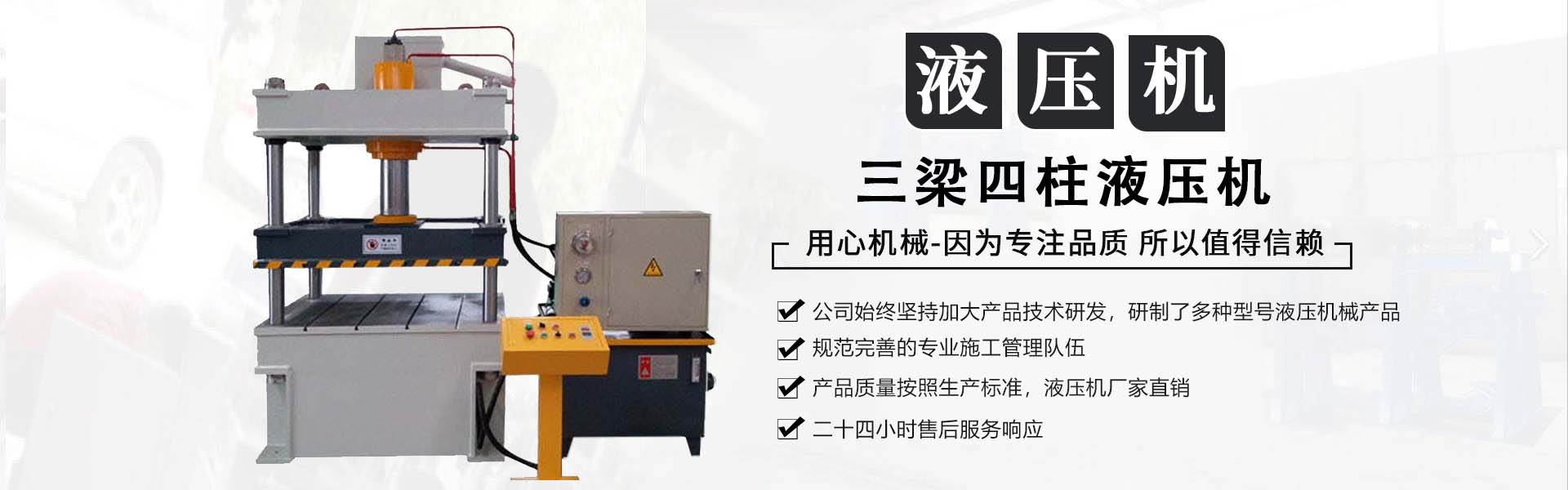
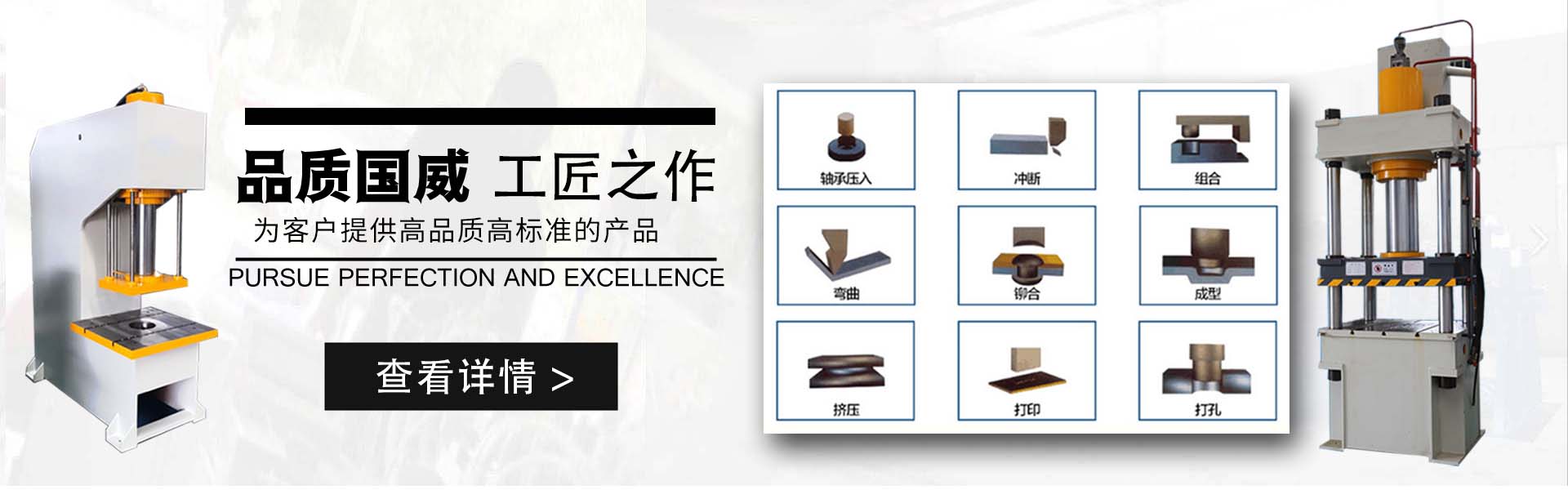
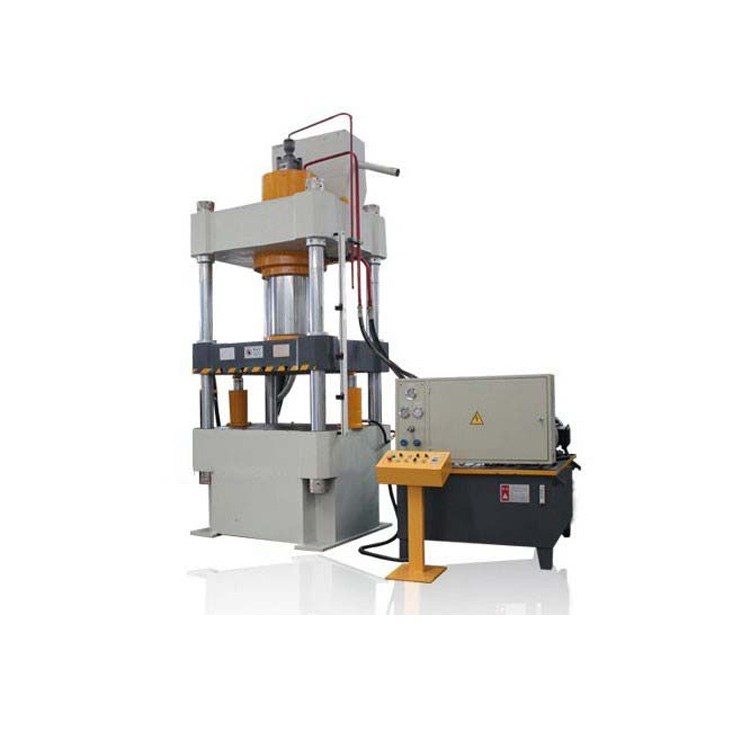 Three-Beam Four-Column Hydraulic Press
Product Details

Hydraulic Press - Oil Press - Pressure Machine
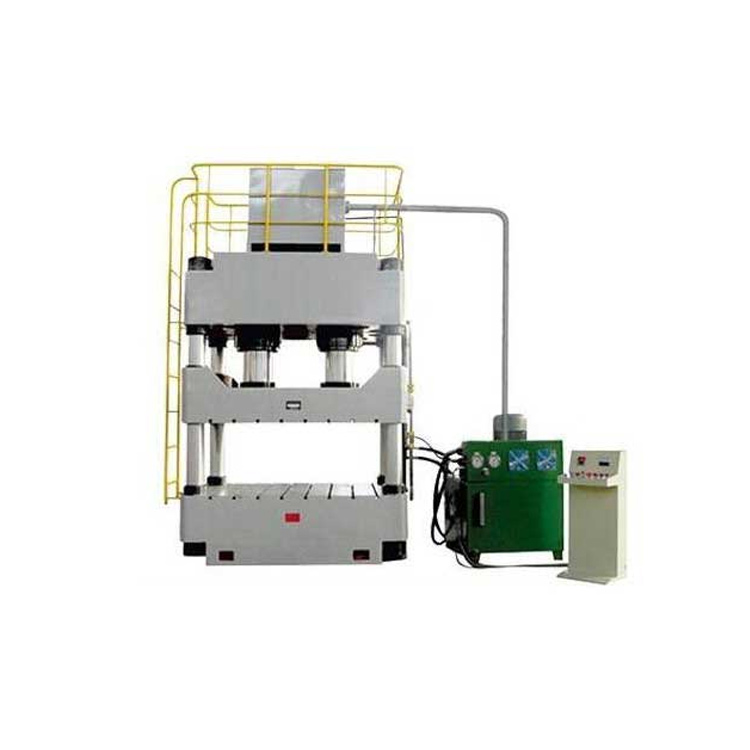


产品Price Negotiable
最小起订Quantity:1 Tai 供货总Quantity: 9999 Tai


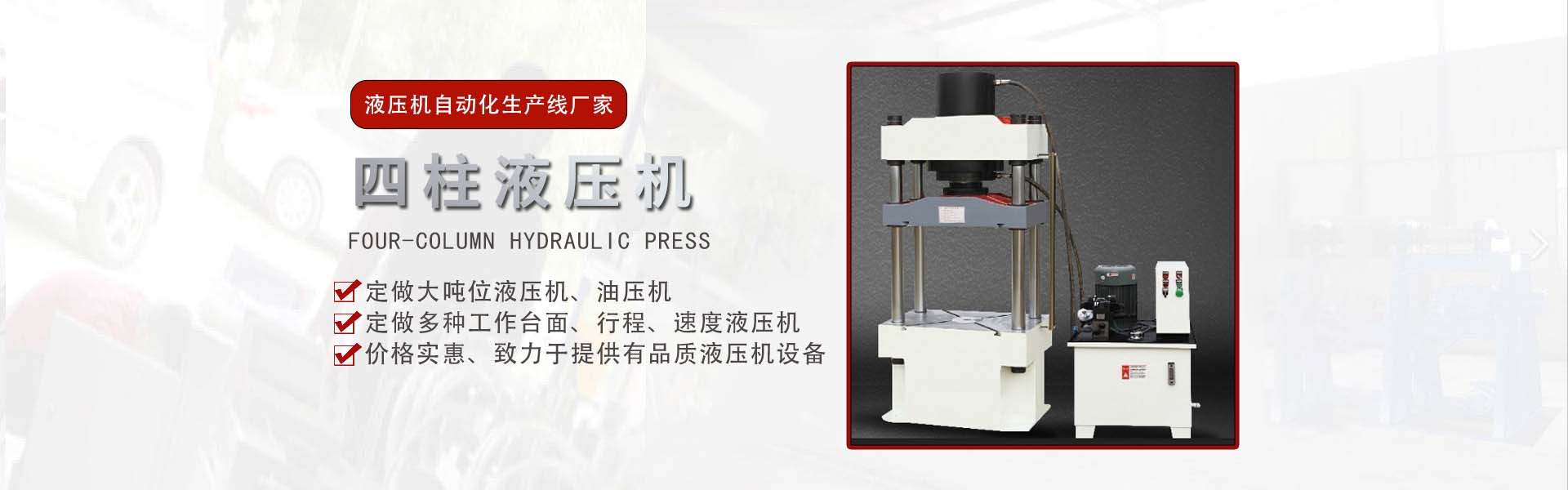
Four-column hydraulic presses with direct drive by the pump have the following features: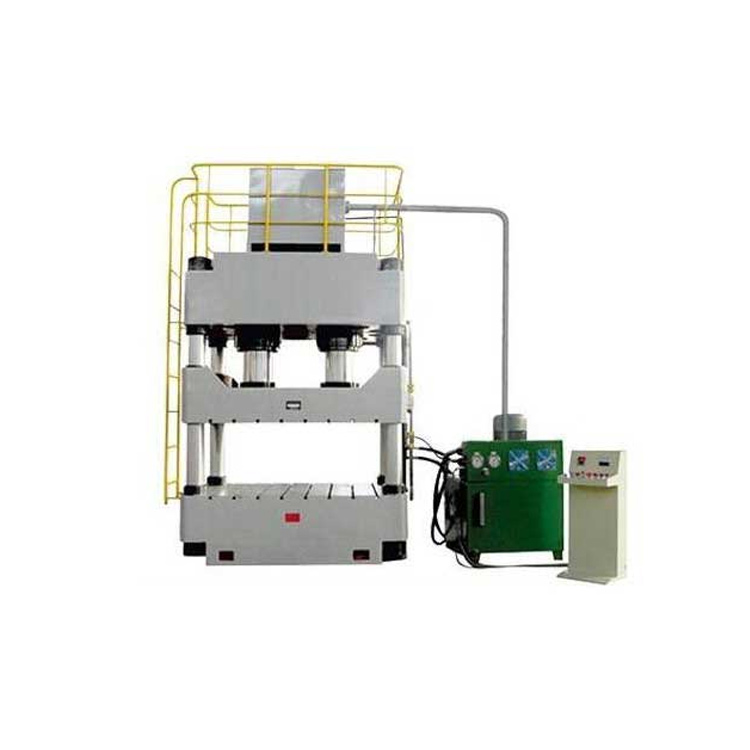
1. The stroke speed of the hydraulic press's moving beam depends on the pump's fluid supply rate, and is unrelated to the forging deformation resistance in the process. If the pump's fluid supply rate is constant, the working speed of the hydraulic press remains a fixed value.
2. The supply pressure of the pump and the power consumed are related to the deformation resistance of the workpiece being processed. Higher working deformation resistance results in greater supply pressure and power consumption by the pump, whereas lower resistance leads to less.
3. Utilizing the constant speed of the actuating beam and the pressure variation of the pump-supplied fluid, these characteristics can be used as signals for the control distributor to achieve automatic control of the hydraulic press.
4. Basic investment savings, small land area, simple daily maintenance and upkeep. The hydraulic pumps in the direct drive system of the pumps are all selected according to the working speed and pressure of the hydraulic press. However, when the hydraulic press is in the filling stroke, return stroke, auxiliary processes, and when the required working pressure is low, the hydraulic pumps are not fully utilized, especially for large-tonnage hydraulic presses, where the utilization coefficient is very low. Therefore, the hydraulic press tends to adopt a stepped transmission for working speed and pressure.
Folded hydraulic transmission is a method of power transmission and control that utilizes liquid pressure. A hydraulic system consists of a hydraulic pump, hydraulic cylinder (and other actuators such as hydraulic motors), hydraulic control valves, and hydraulic auxiliary components.
Hydraulic pump: A conversion device that transforms mechanical energy into hydraulic energy.
Hydraulic cylinders (pressure motors, etc., actuators): Convert hydraulic energy into mechanical energy.
Control Valve: Regulates the flow, direction, pressure of hydraulic oil, the operating sequence of hydraulic actuators, and protects the hydraulic circuit.
Function. To put it simply, it is to control and regulate the flow direction, pressure, and flow rate of hydraulic media. This controls the movement direction, output force or torque, speed, action sequence of the actuator, and also limits and adjusts the working pressure of the hydraulic system to prevent overloading, etc. (such as one-way valves, directional valves, relief valves, pressure-reducing valves, sequence valves, throttle valves, speed control valves, etc.)
Auxiliary Components:
1. Fuel Tank: Used for storing oil, dissipating heat, and separating air and impurities from the oil.
2. Oil tubes and oil tube fittings
3. Oil Filter
4. Pressure Gauge
5. Sealing Components
