
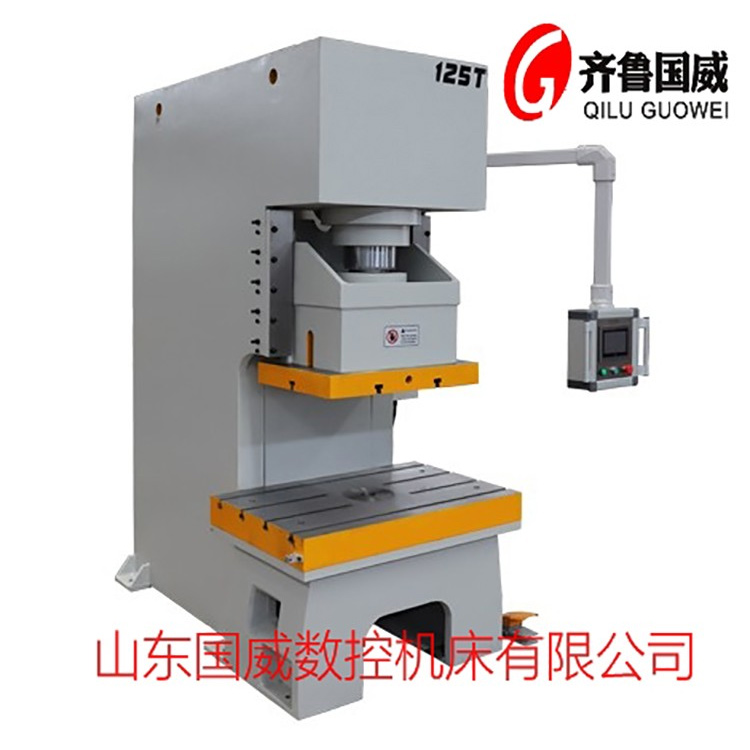
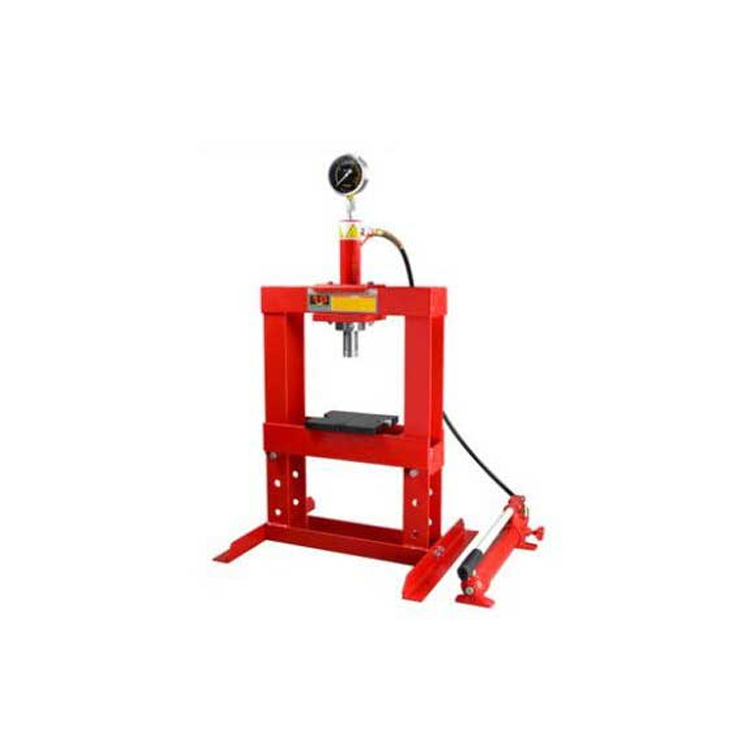
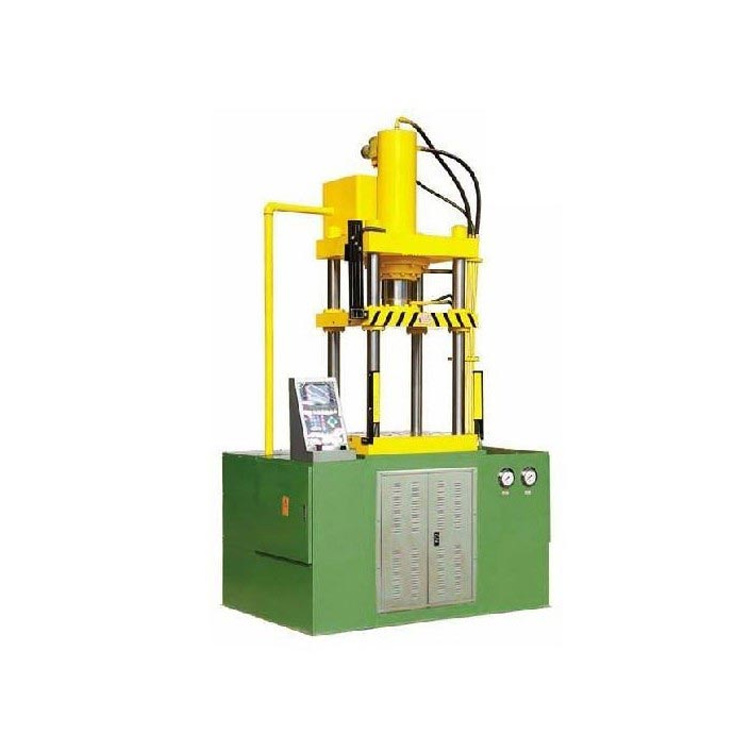
 Single-column hydraulic press
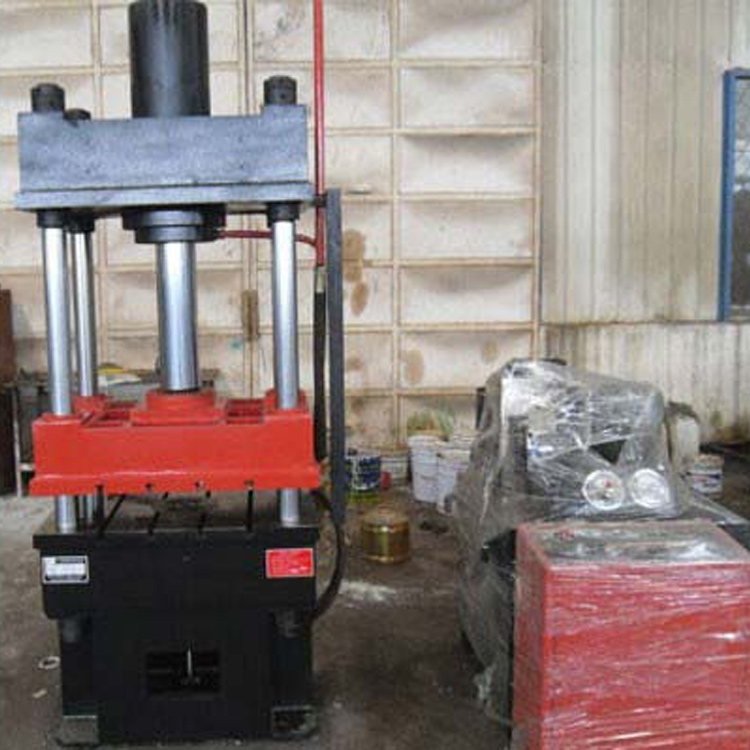 100-ton compact four-column three-rib hydraulic press
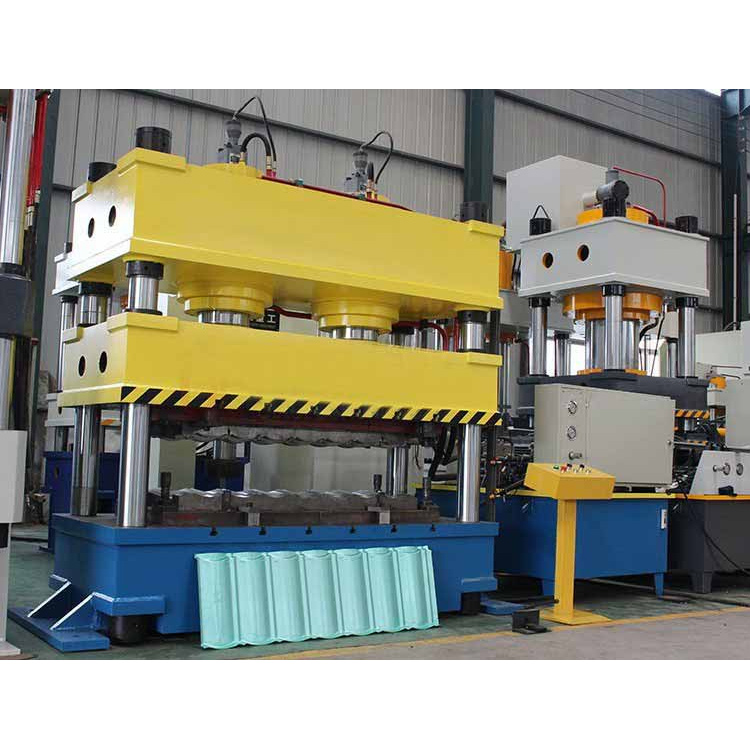 2500T Four-column hydraulic press
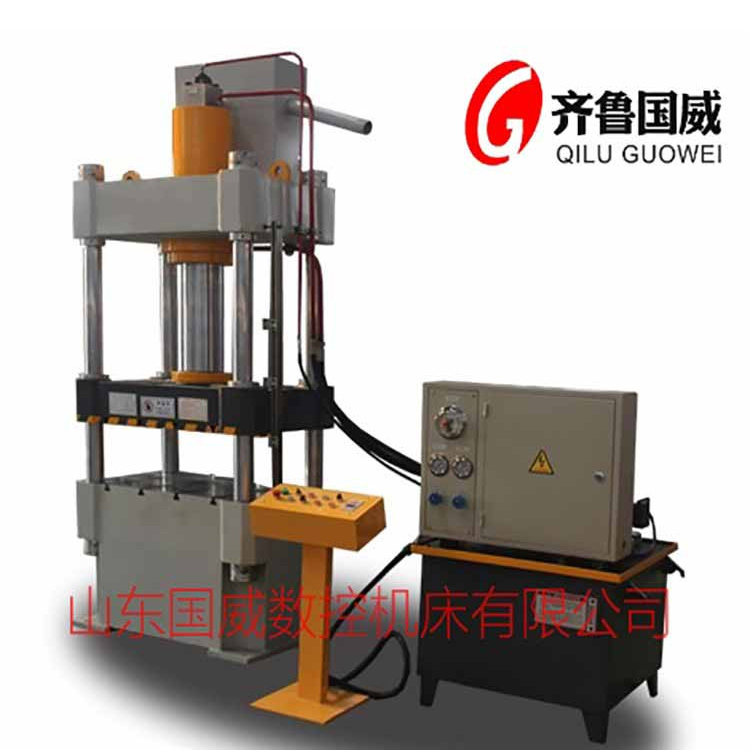 63 tons custom model with 3 beams and 4 posts
 300-ton hydraulic press
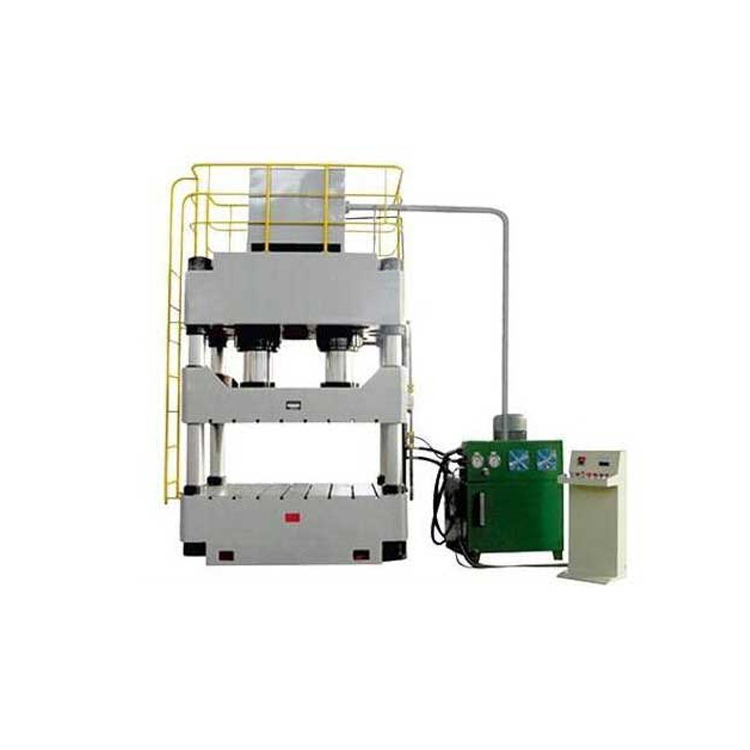
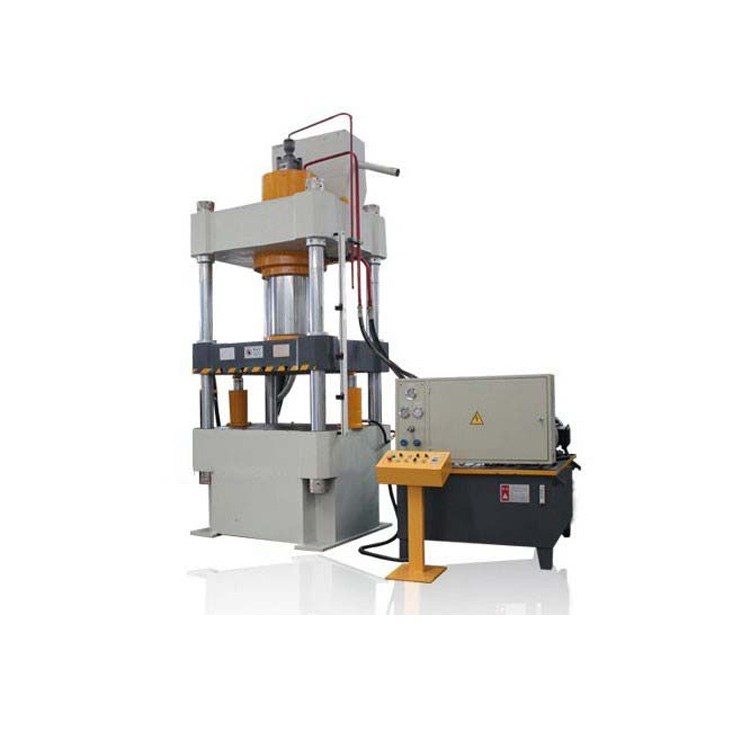 Three-Beam Four-Column Hydraulic Press
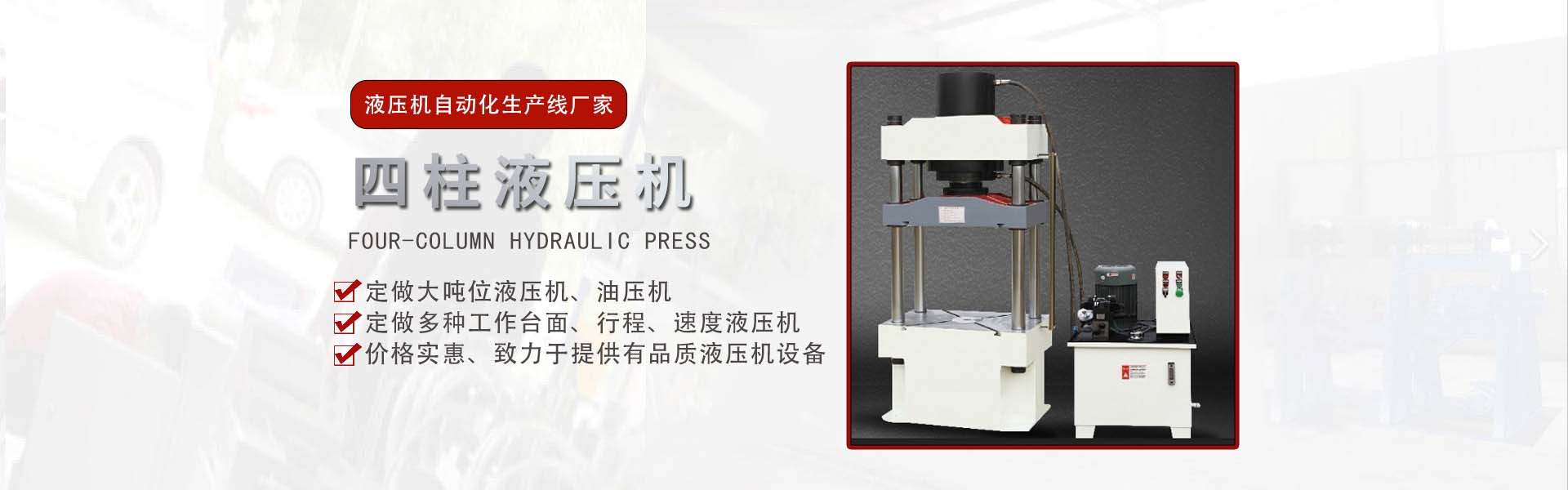
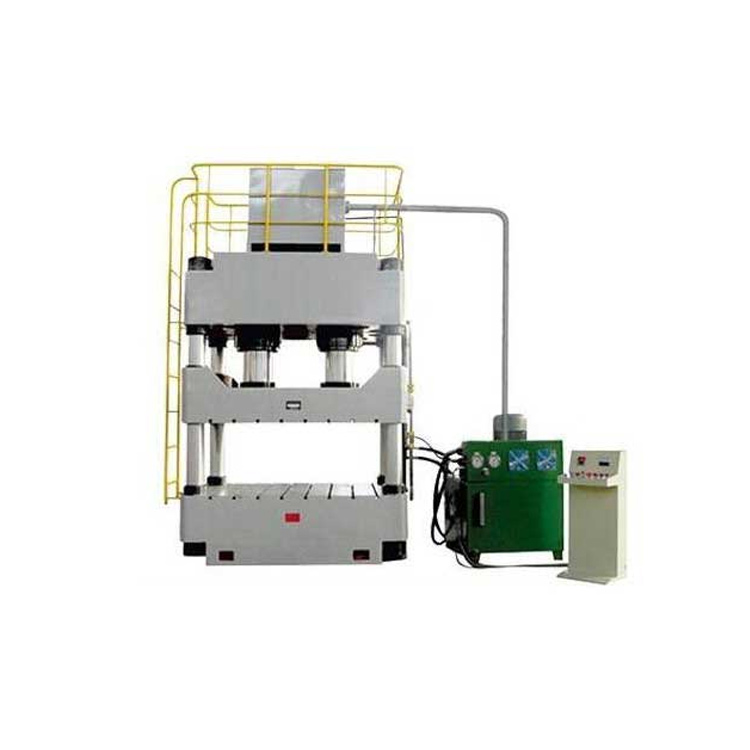 Four-column hydraulic press
Product Details

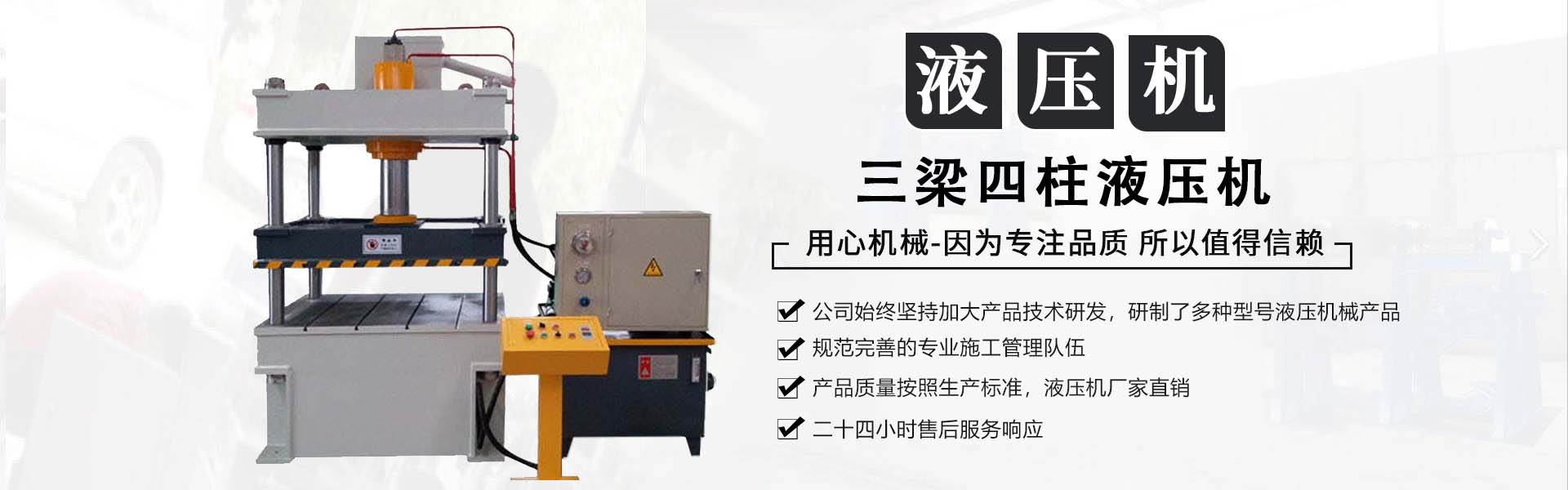
Hydraulic Press - Oil Press - Pressure Machine
产品Price Negotiable
最小起订Quantity:1 Tai 供货总Quantity: 9999 Tai


Components of a Small Double-Cylinder Hydraulic Press Operation Procedure for Small Double-Cylinder Hydraulic Press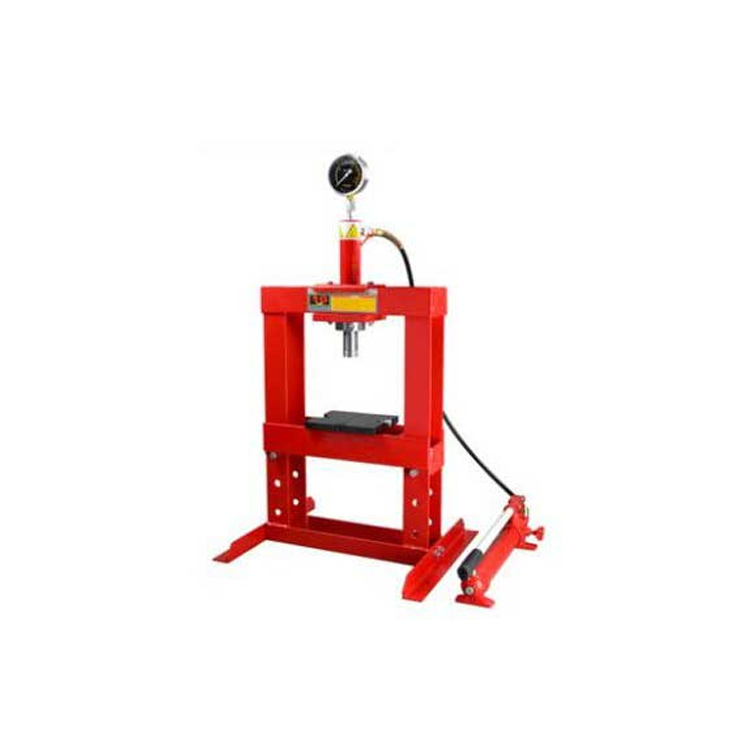
A complete hydraulic system consists of five components: power elements, actuators, control elements, auxiliary components (accessories), and hydraulic oil. The quality of the hydraulic system depends on the rationality of the system design, the performance advantages of the system components, and the pollution prevention system.
How does the hydraulic system work?
When the equipment starts up, the motor drives the pump to rotate. The pump吸取 oil from the oil pump and converts mechanical energy into hydraulic oil. The hydraulic oil is directed through hydraulic valves via a manifold (or valve assembly) to control direction, pressure, and flow before reaching external piping. This oil then pressurizes hydraulic cylinders or motors, controlling the direction, power, and speed of the hydraulic engine, thereby facilitating the operation of various hydraulic pressure machinery.
Applications for the Small Double-Column Hydraulic Press
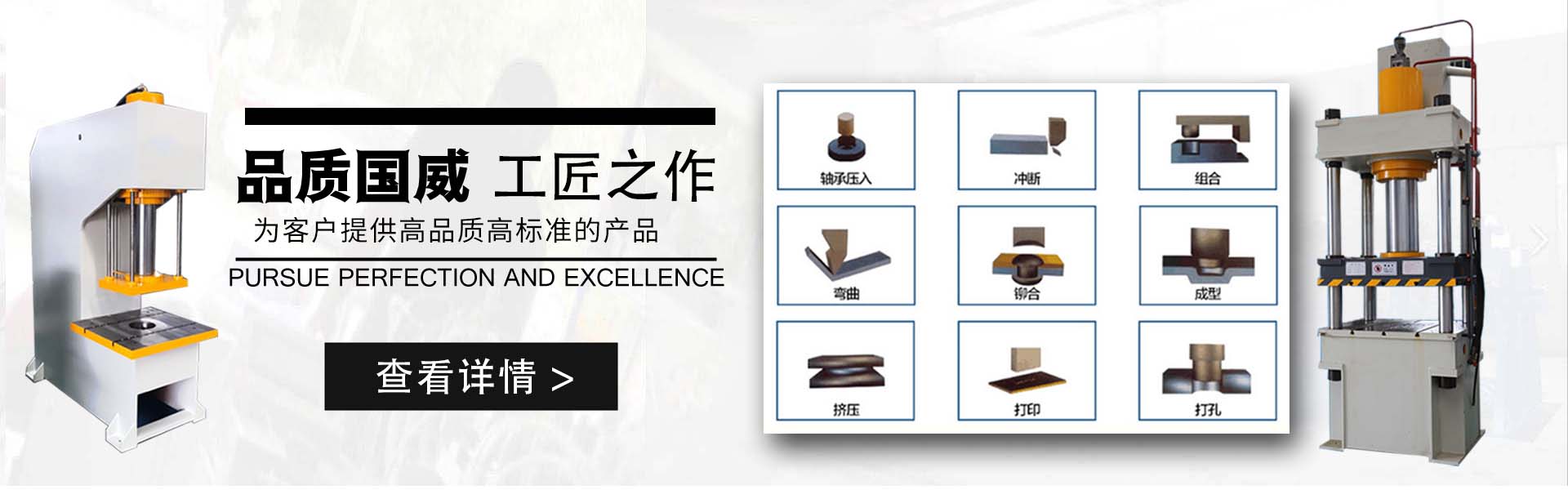
Broadly used in the automotive industry for parts processing and for shaping, trimming, aligning, and manufacturing shoes, bags, rubber, molds, shafts, bushings, and other components, as well as for pressing, stamping, bending, stamping, and stretching of sheet metal parts. Also utilized in industries such as washing machines, motors, automotive motors, air conditioning motors, micro-motors, servo motors, wheel manufacturing, shock absorbers, motorcycles, and machinery.
Operators should be familiar with the general performance and structure of the hydraulic press and are prohibited from overloading its use.
Before use, lubricate and oil as per regulations, and check that the high-pressure pump, pressure gauge, various valves, and seals are functioning properly.
Before operation, check if the molds are matched, if the material weight meets the requirements, and if the weighing tool is accurate.
4. During pressing, the mold must be placed at the center of the pad board, and eccentric usage is prohibited. Before each shift starts and after testing the pressure, inspect the mold for any cracks or damage.
5. When multiple people are operating, a designated person should start the machine, and everyone should coordinate and collaborate.
6. Absolutely no hands or head should be placed between the mold and the press head.
7. Upon completion of the task, the molded products, tools, and molds should be neatly organized and placed in designated areas.
