
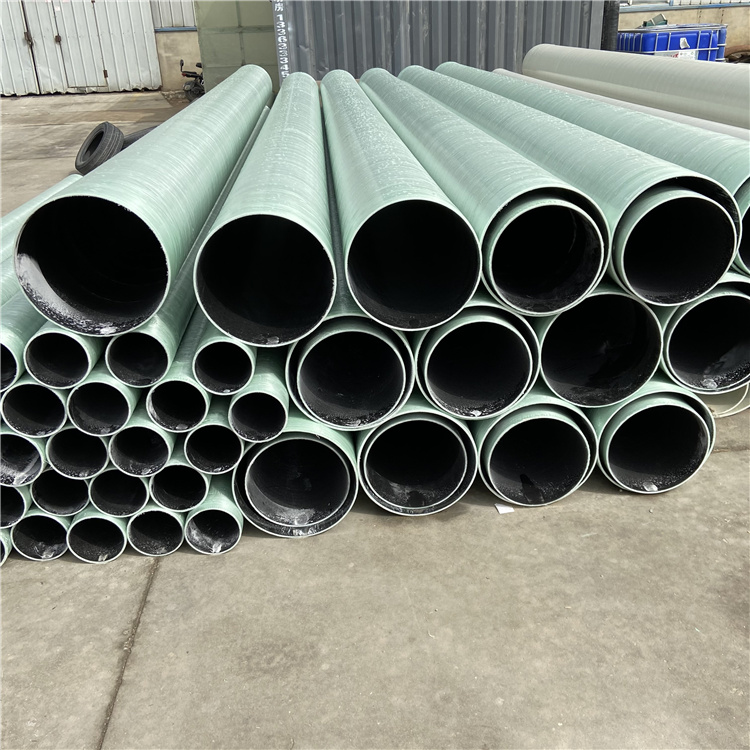
 Fiberglass ductwork
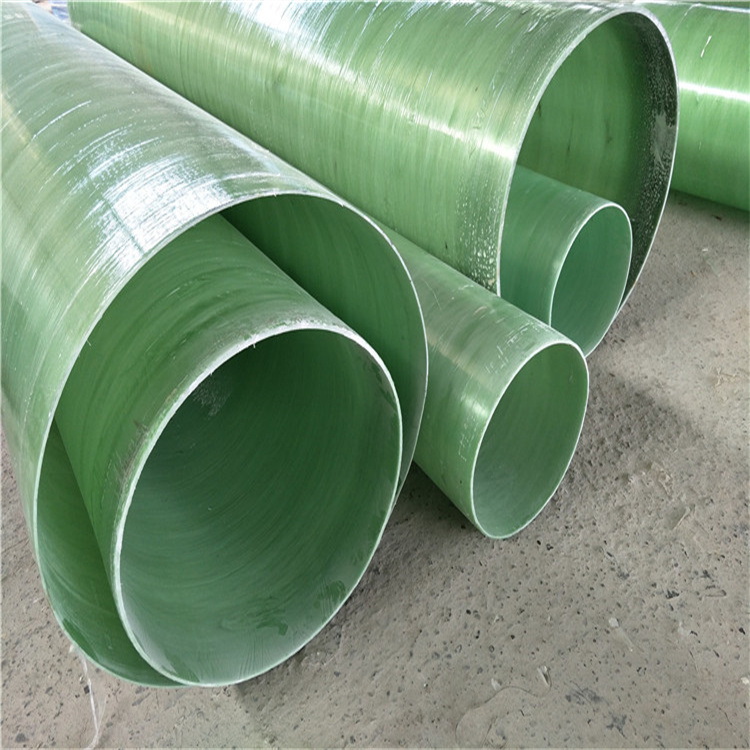 Acrylic Glass Steel Ventilation Duct
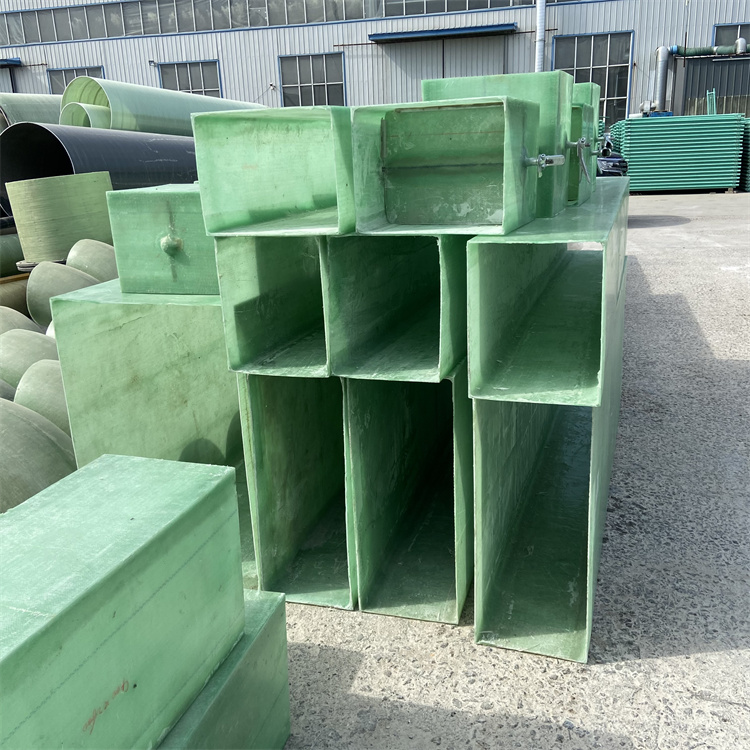 Fiberglass Ventilation Ducts
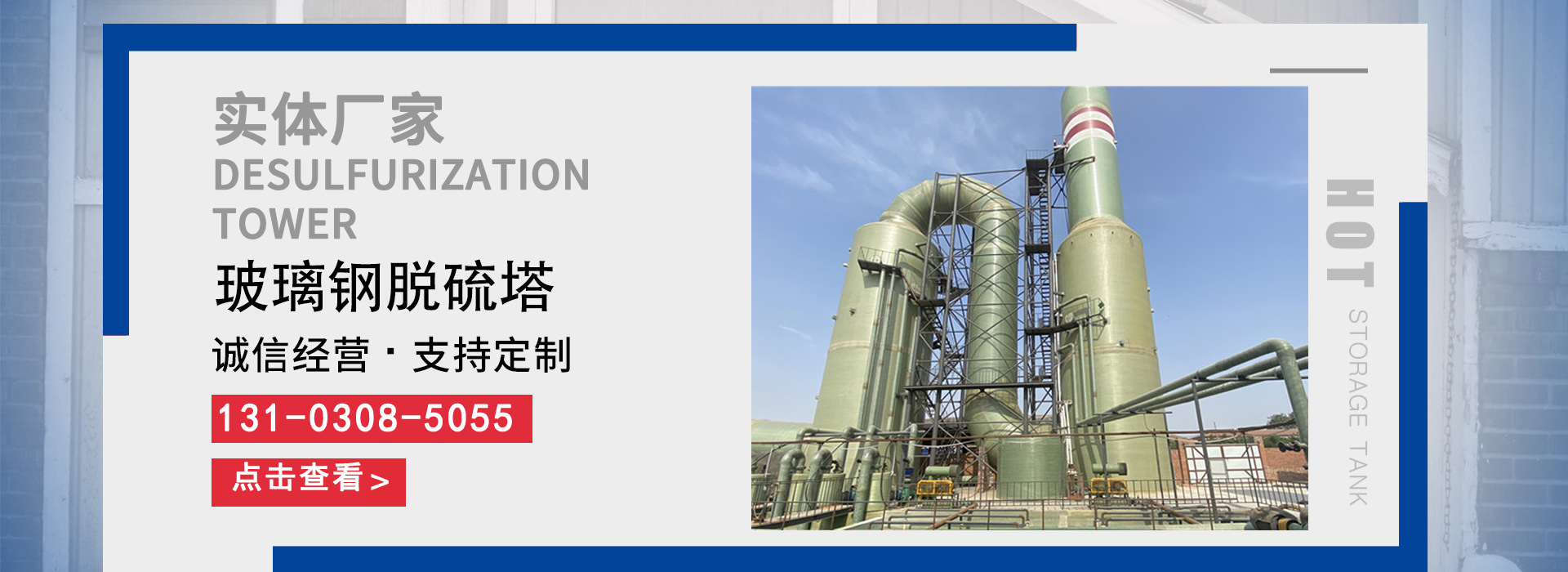
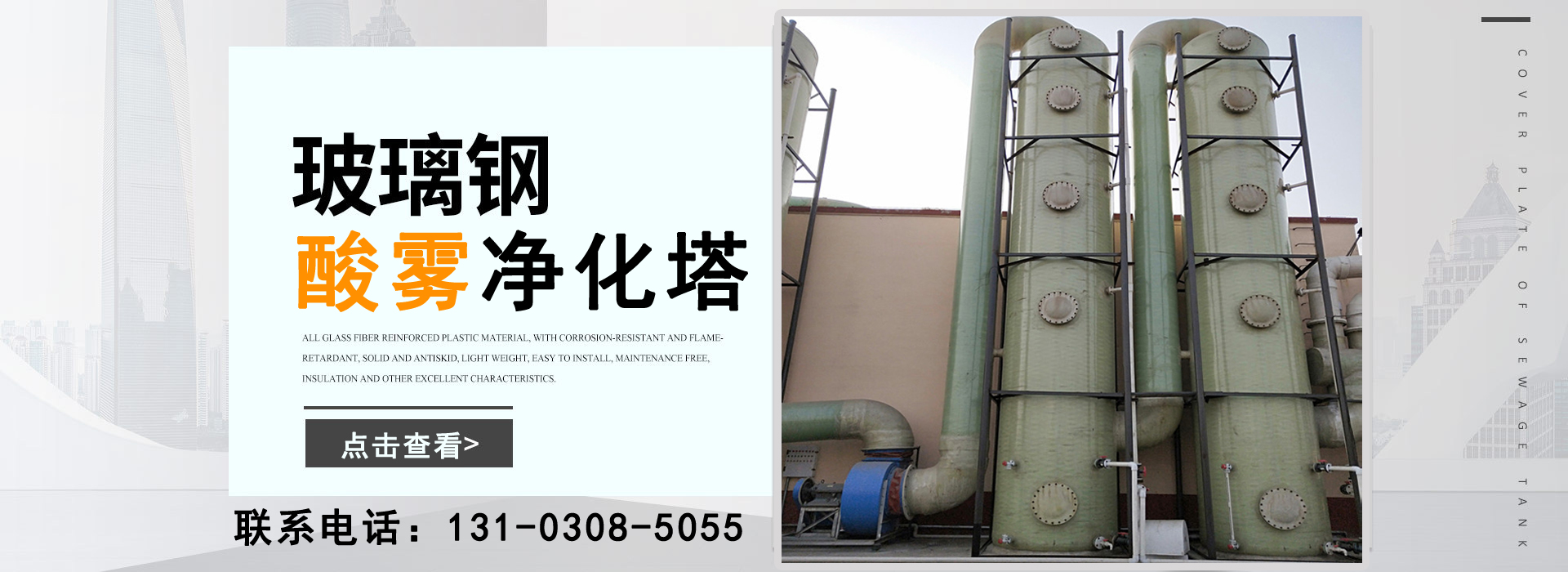
 Fiberglass Acid Mist Purification Tower
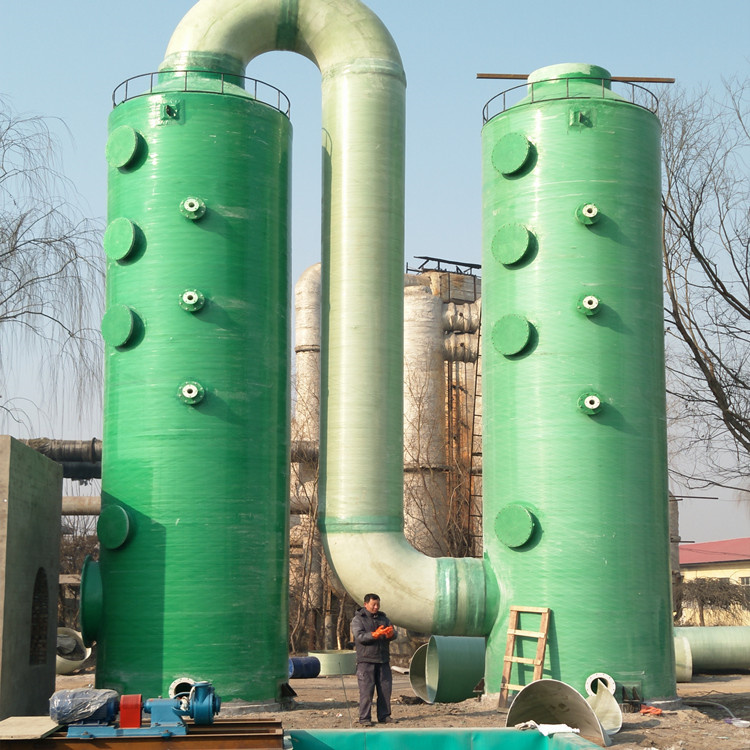 Fiberglass purification tower
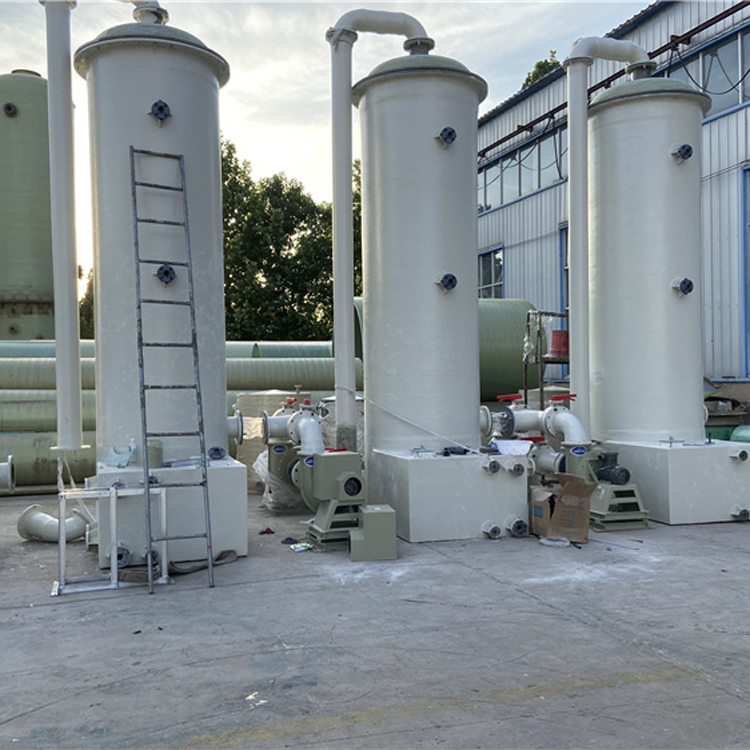 Acid Mist Scrubber
Product Details


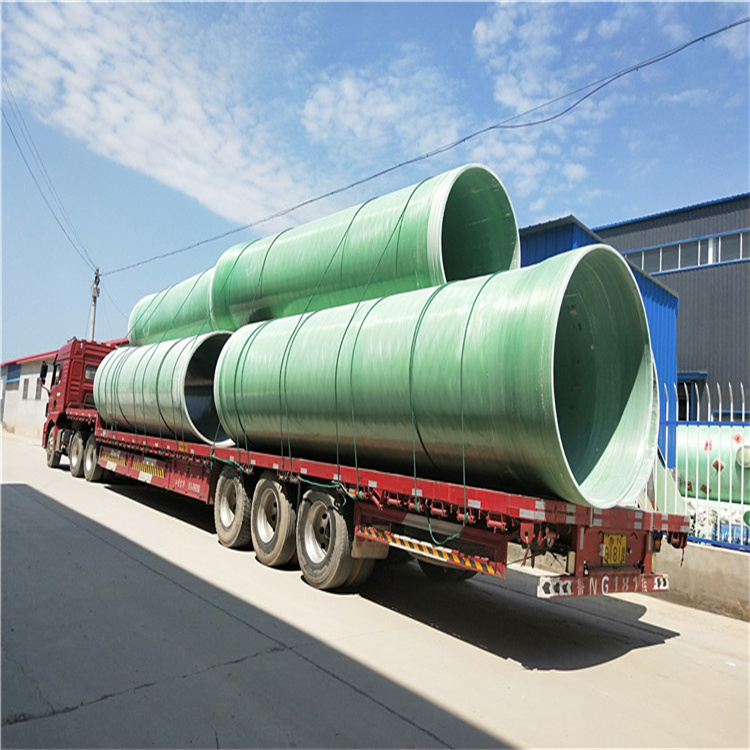


产品Price 15.00/Rice
最小起订Quantity:10 Rice 供货总Quantity: 10000 Rice


Name |
|
Origin |
Hebei, Zhaoqiang |
Application |
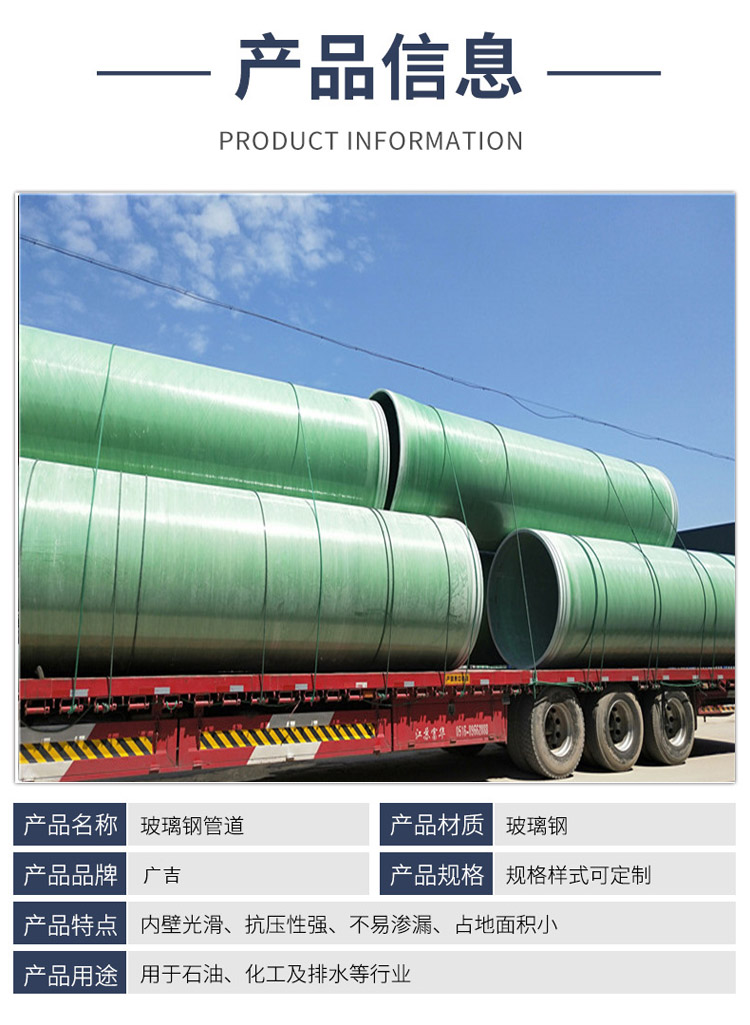
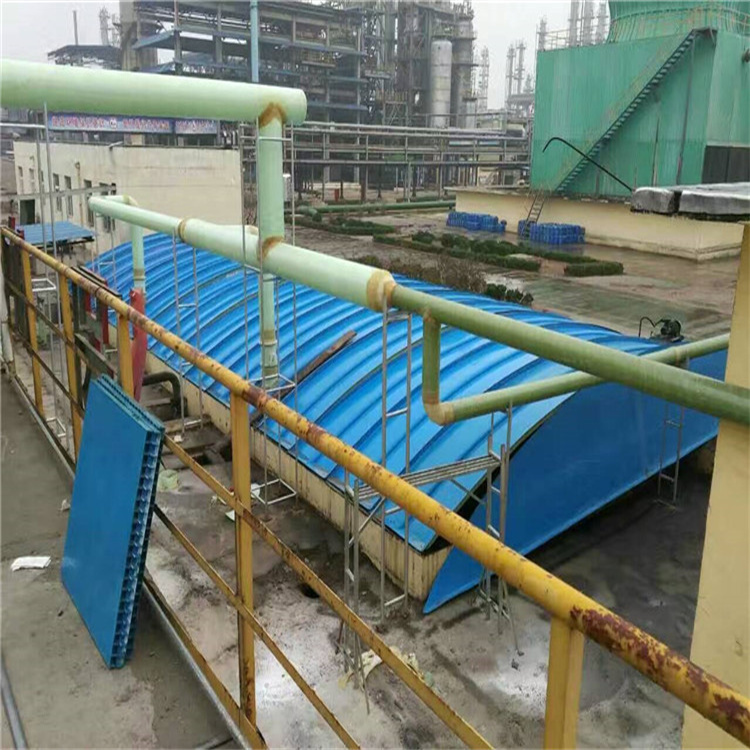
For oil, chemical, and drainage industries |
Pipe thickness |
5-30 mm |
Suitable for fluids |
Gases, Liquids |
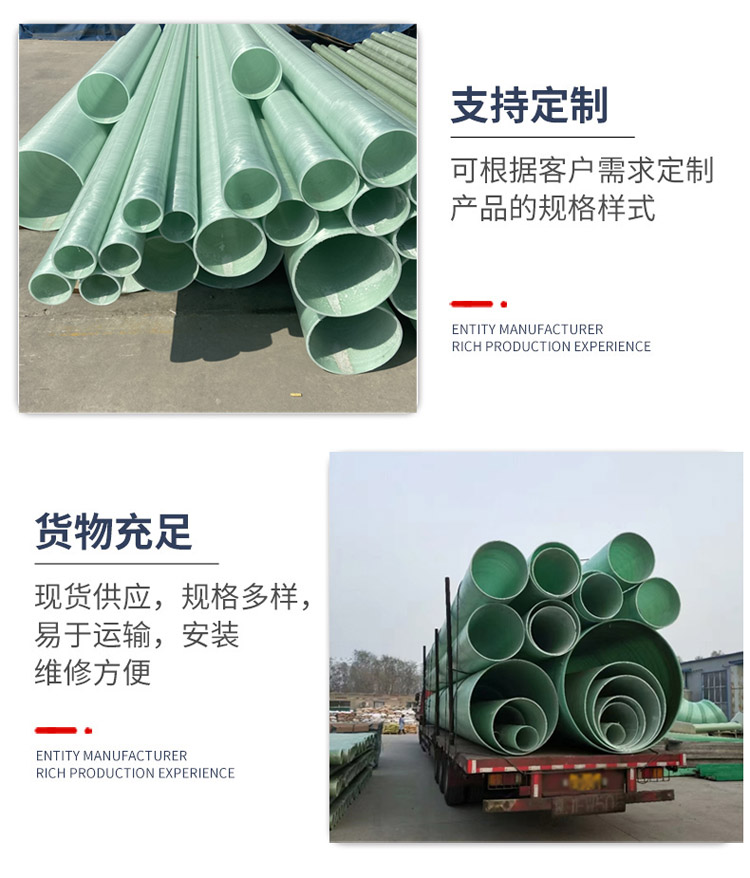
Customized Processing |
Is |
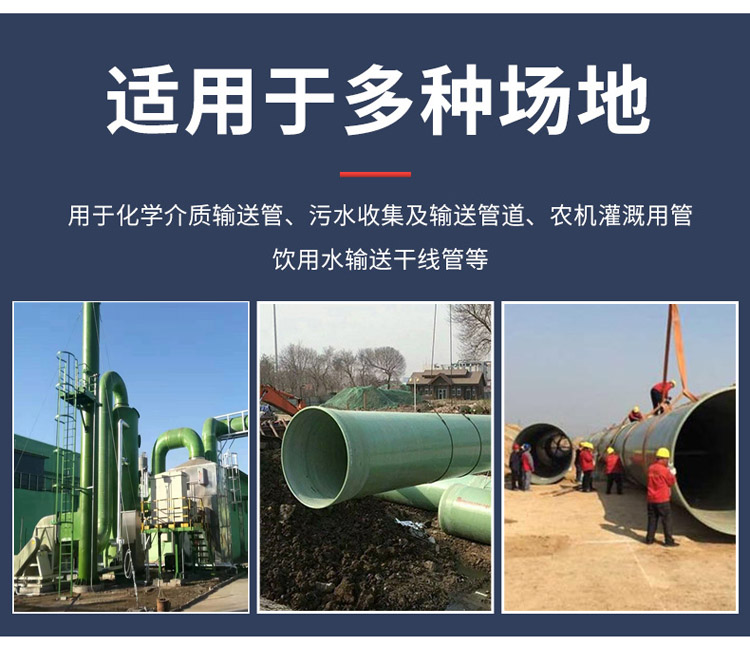
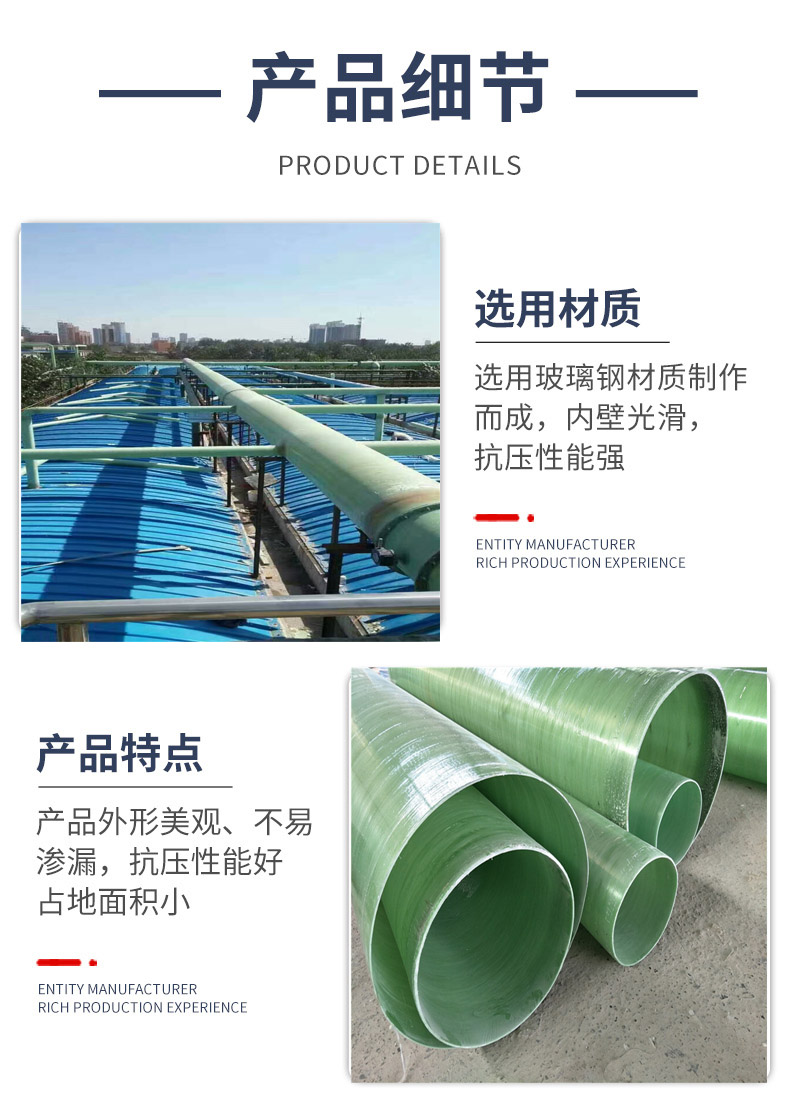
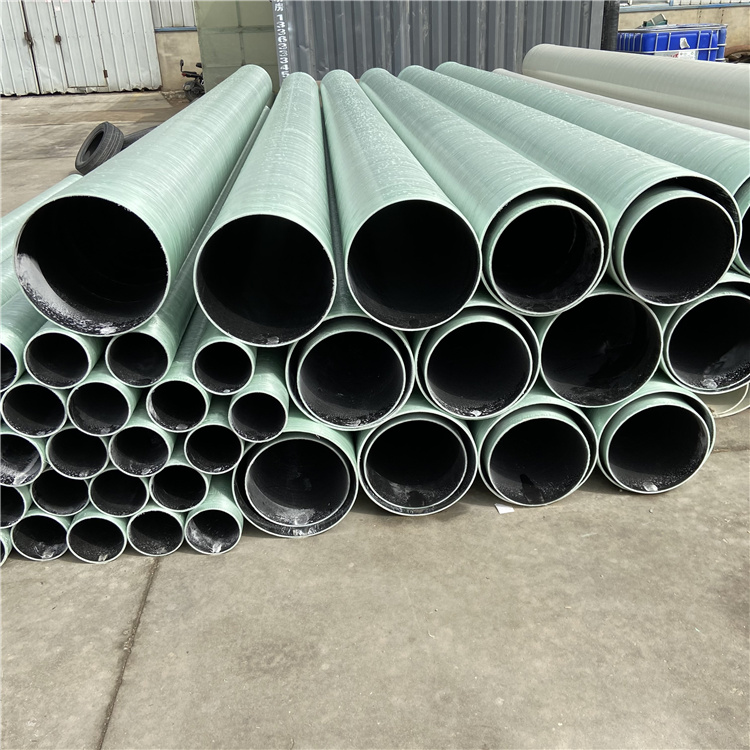
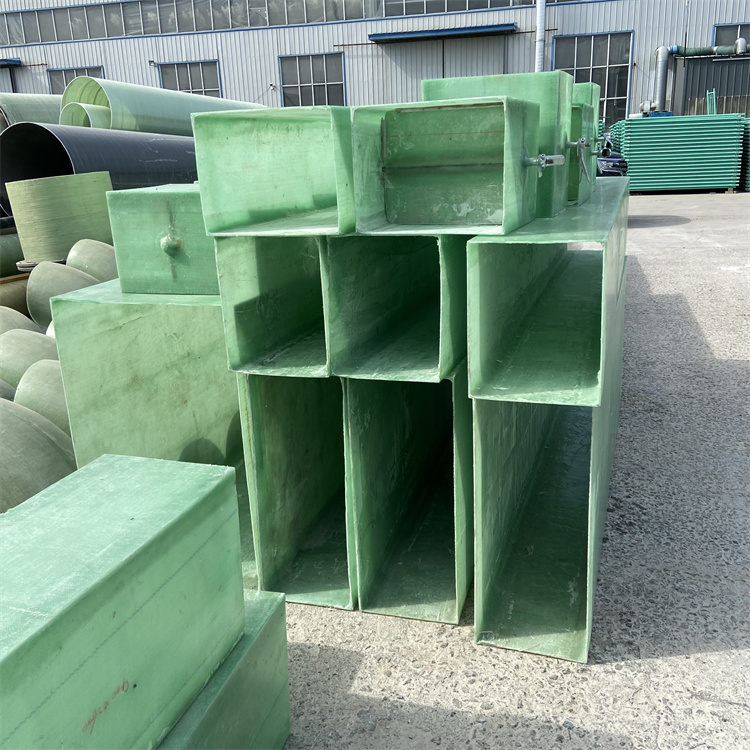
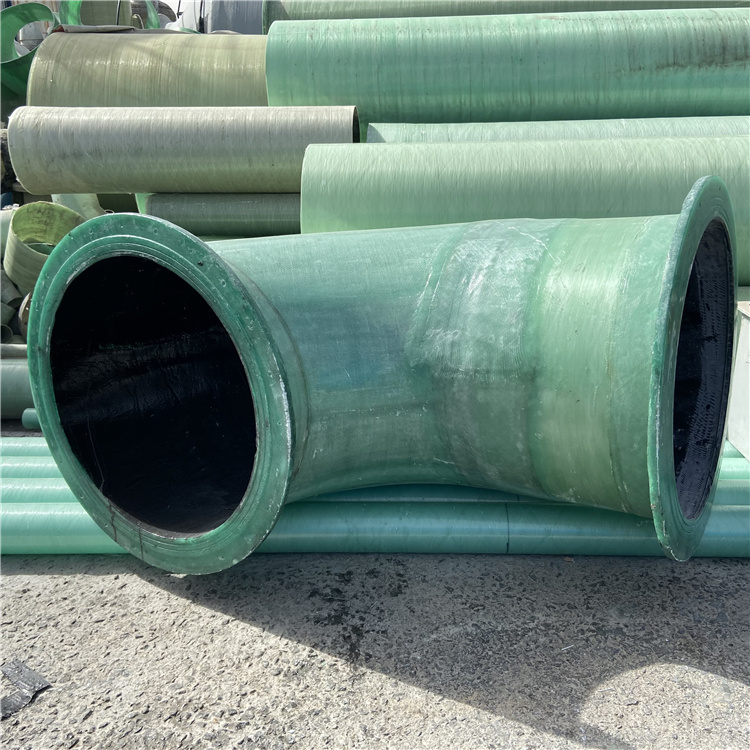
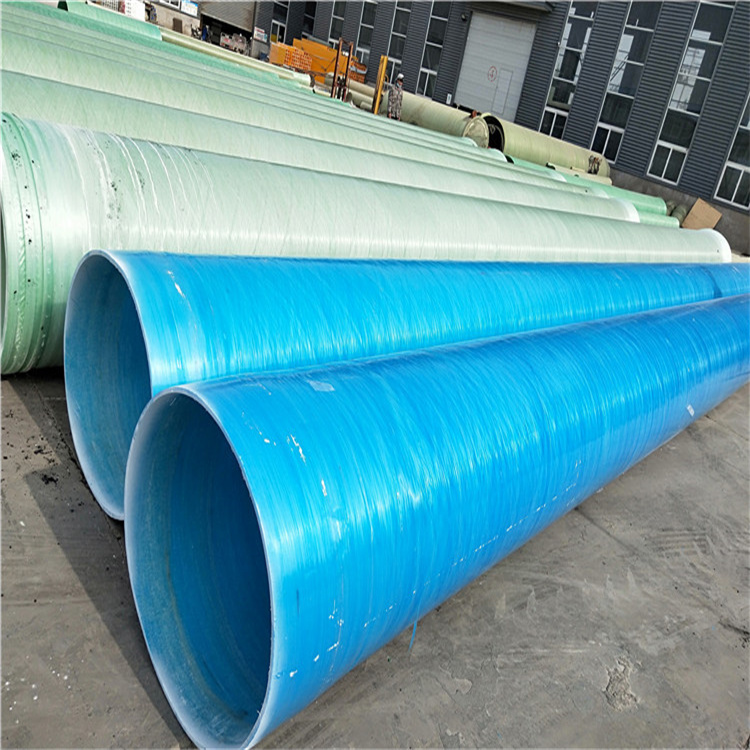
Mr. MaoContact Phone: 13103085055 Fiberglass ventilation ducts refer to the organic fiberglass ducts and their corresponding fan enclosures, which are characterized by resistance to acids and alkalis, corrosion, and a long service life. They are primarily used in places that require the discharge of corrosive exhaust gases, such as textiles, chemical industries, printing, metallurgy, and underground facilities. Characteristics of Acrylic Glass Steel Ventilation Ducts: Acid and alkali resistant, corrosion proof, and requires emission of corrosive waste gases: Textile, chemical, printing, metallurgy, etc. 1. Corrosion Resistance - FRP pipes can withstand corrosion from acids, alkalis, salts, seawater, untreated wastewater, corrosive soils, or groundwater, as well as numerous chemical fluids. 2. Excellent heat and cold resistance – The temperature range for FRP pipes is generally between -40℃ and 120℃. 3. Lightweight and High-Strength, Easy to Transport and Install - The specific gravity of FRP pipes is between 1.7-1.9. Compared to other materials with the same pressure and pipe diameter, FRP pipes weigh approximately 30% of steel pipes per unit length, making transportation and installation extremely convenient. Each FRP pipe can be up to 12 meters long, with quick and easy installation. Additionally, it eliminates the need for welding and rust-proofing, corrosion protection, and other processes required for steel pipe installation. 4. Low Friction Resistance, High Transport Capacity - The inner surface of the FRP pipeline is extremely smooth with a small roughness coefficient, allowing the hydraulic coefficient C to be maintained at 145-150 for a long time. The tested friction loss coefficient f of the water flow is 0.000915, significantly reducing pressure loss along the pipeline and enhancing transport capacity by over 20%. 5. Excellent electrical and thermal insulation properties - FRP is a non-conductor, making the pipes highly insulating and suitable for use in areas with dense power and telecommunication lines, as well as regions prone to thunderstorms. The heat transfer coefficient of FRP pipes is very low (0.25 kcal/m·h·℃), thus providing good thermal insulation and minimizing heat loss. 6. Rustproof - Since glass steel pipes are composed of non-metallic materials such as resin and glass fiber, they do not rust during either use or storage, eliminating the need for anti-rust or rust-removing treatments. 7. Highly Customizable - The specific performance and shape of the spiral-wound glass steel pipe can be designed according to the actual usage. ① The winding angle during winding can be designed to allow the pipe to have different longitudinal/tangential strength distributions. ②Wall thickness can be designed to accommodate varying internal and external pressures. ③ Materials can be designed to achieve various purposes, such as corrosion resistance, flame retardancy, and dielectric properties, etc. ④ Head release mechanisms can be designed for various installation conditions, enhancing engineering installation speed. 8. Variety of Flexible Connection Methods - The joints for glass fiber reinforced plastic pipes come in multiple options, primarily including: straight-end splicing, (loose-fitting) flange connections, socket-and-splice bonding, (with locking devices) O-ring connections, and threaded connections. These can be flexibly selected according to specific construction conditions. 9. Repairable and easy to maintain.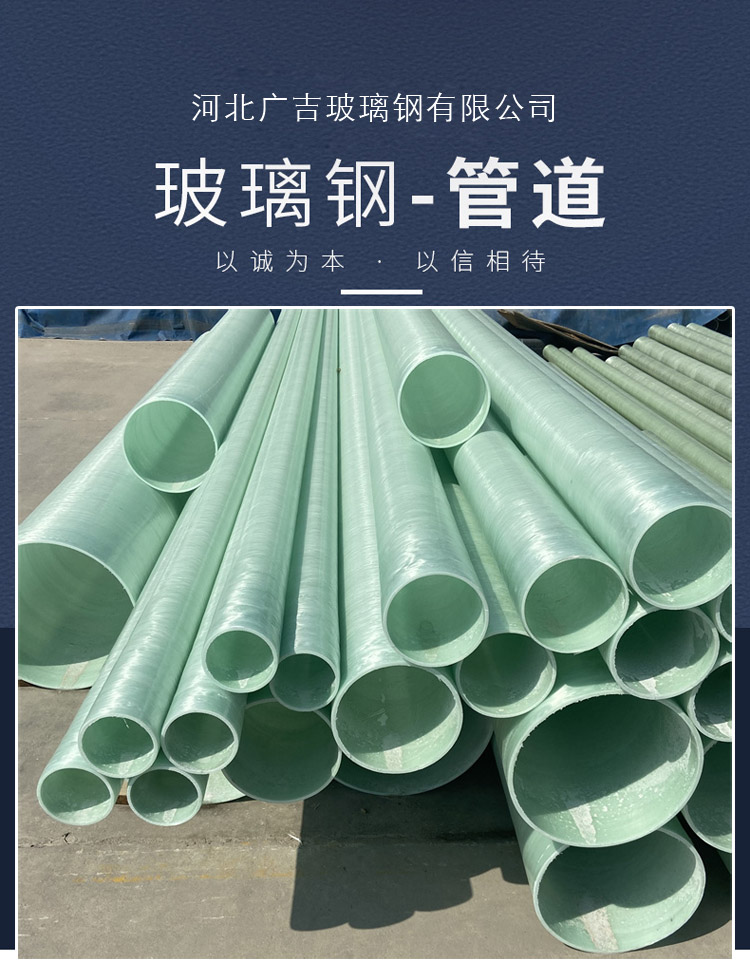


Phone Consultation