
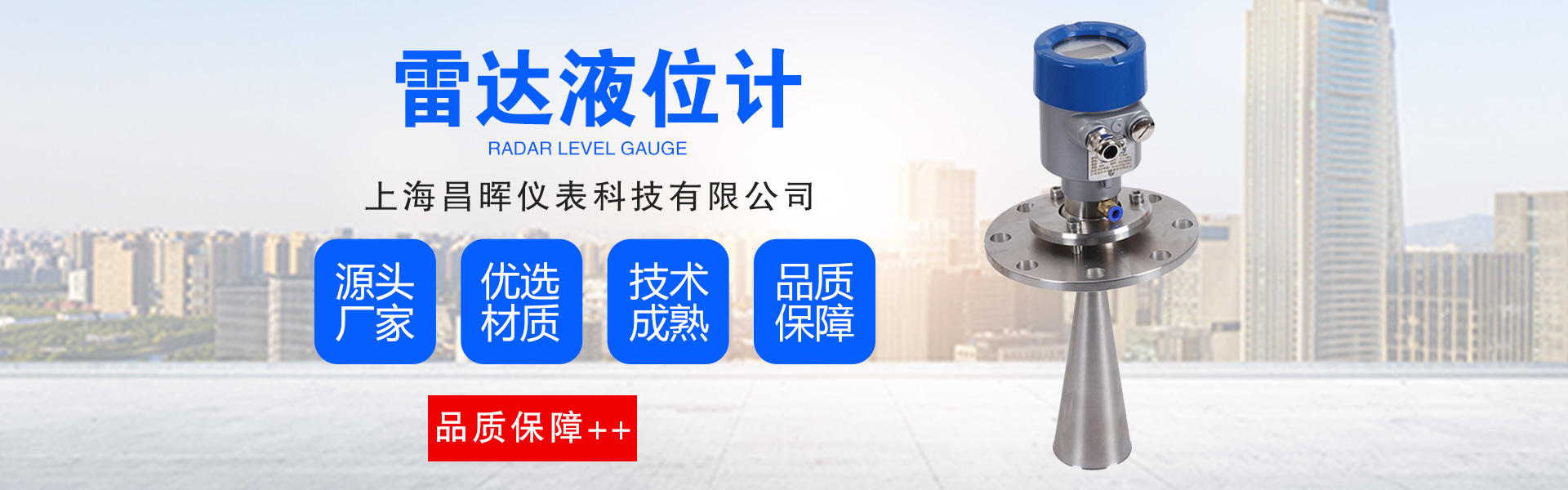



26G Radar Level Gauge Product Overview
The 80X series sensors are 26G high-frequency radar level gauges, capable of measuring distances up to 80 meters. The antenna has been further optimized, and the new, fast microprocessor enables higher-speed signal analysis and processing, allowing the gauge to be used in complex measurement conditions such as reactors and solid material silos.
Principle of 26G Radar Level Gauge
The radar level antenna emits a narrow microwave pulse, which is transmitted downward through the antenna. Upon contacting the surface of the medium being measured, the microwave is reflected back and then received again by the antenna system. The signal is then transmitted to the electronic circuit section, where it is automatically converted into a level signal (since the propagation speed of microwaves is extremely fast, the time taken for the electromagnetic wave to reach the target, reflect, and return to the receiver is almost instantaneous).
A Range Setting B Low Adjustment C High Adjustment D Blind Zone Range
The reference surface for measurement is: the thread bottom surface or the flange sealing surface.
Note: When using radar level timing, ensure that the material level does not enter the measurement dead zone (as shown in area D of the diagram).
26G Radar Level Gauge Features:
Small antenna size for easy installation; non-contact radar, no wear.
Virtually unaffected by corrosion and foaming; almost immune to changes in humidity, temperature, and pressure in the atmosphere.
Severe dust environments have little impact on the operation of the high-frequency level gauge.
Shorter wavelength, better reflection on inclined solid surfaces.
Beamwidth is narrow, energy is concentrated, enhancing the echo capability while also aiding in avoiding interference objects.
Smaller measurement blind spot, yielding good results even for small containers.
High signal-to-noise ratio, delivering superior performance even under fluctuating conditions.
High frequency is the preferred choice for measuring solids and materials with low dielectric constants.
