


Process Flow
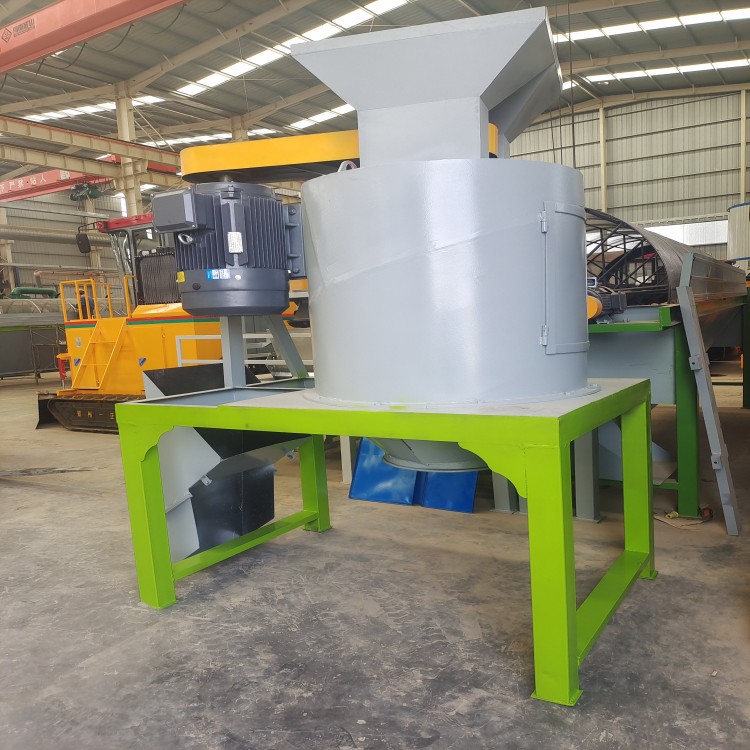
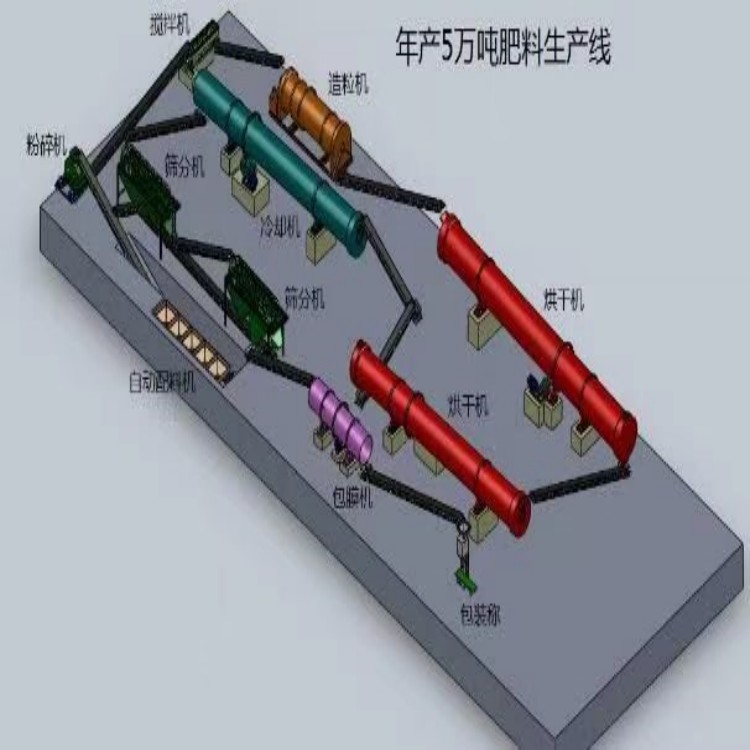
1. Primarily, the animal waste materials (cattle manure, sheep manure, pig manure, chicken manure, sludge, straw, corn stalks, mushroom residue) are composted and fermented, resulting in organic waste with approximately 30%-35% moisture content. After being crushed and sifted, this waste is mixed with binder materials (bentonite, humic acid) and other required components in accordance with the specified ratios within the batching mixing system.
Trough turners are used for composting and turning organic waste such as animal and poultry manure, sludge, sugar mill filter mud, distiller's grains, and straw sawdust. They are widely applied in organic fertilizer plants, compound fertilizer factories, sludge and garbage treatment plants, nurseries, and double-decker mushroom farms for fermentation and moisture removal processes. Suitable for aerobic fermentation, they can be used in conjunction with solar fermentation rooms, fermentation tanks, and conveyors.
The system is designed for use with transfer machines, enabling a single unit to utilize multiple slots. The fermentation tank, compatible with the system, can discharge continuously or in batches. It operates efficiently, runs smoothly, is sturdy and durable, and ensures even turning. The aerated compost turner is a core piece of equipment for aerobic dynamic composting. As a new type of machinery, it may not yet be widely recognized in its product catalog, but it has rapidly proliferated within the family of fertilizer machinery. It has become the go-to tool for replacing manual labor and wheel loaders for material turning, and is a mainstream product shaping the trends in the composting industry.

Adding functional bacteria can produce biological organic fertilizer; by adding nitrogen, phosphorus, and potassium (total nutrient content less than 15%), inorganic-organic fertilizer can be produced. Ingredients are mixed, and after thorough mixing, the material is evenly and continuously fed into the granulator by a belt conveyor. It is then rounded into spherical granules by a polishing shaping machine, dried at low temperature with high airflow (≤65℃) in a drying machine, cooled, and sifted. The finished granules are conveyed by belt to the finished product storage warehouse, where they are measured and packaged by a computerized quantitative packaging system before being stored.
