

Principle of Roller Compaction Granulator Operation
The roller extrusion granulator series operates on the principle that the motor drives a belt pulley, which transmits power through a reducer to a pair of high-pressure rollers equipped with sliding shell bodies, allowing for relative work.
The DZJ-Ⅰ extruder features a pair of rolls interacting through a set of opposing gears, while the DZJ-Ⅱ extruder's rolls are directly driven by two output shafts from a reducer, achieving the extrusion molding goal. During production, raw materials enter through a feed hopper, undergo relative extrusion molding by the high-pressure roller bodies, and then flow out of the mold and into the crushing molding chamber below the rolls. The power for crushing molding is transmitted from the driving roller shaft's sprocket via a chain to a pair of crushing roller shafts, which move relative to each other within the chamber. After crushing, the finished particles pass through a sieve and are discharged into the outlet trough outside the machine.
Structure Overview of Roller Compaction Granulator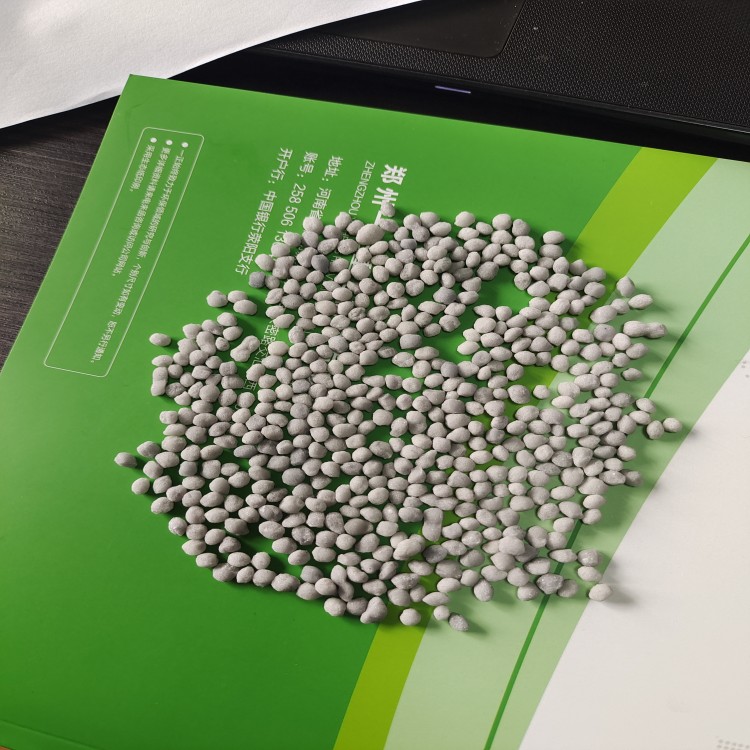
Rack section: All parts of the machine are mounted on the rack!
Transmission components include: electric motor, pulley, V-belt, reducer, chain, sprocket, and coupling.
The engine head section consists of the bearing housing, a pair of high-pressure mold roller shells, and two shafts.
Crushing Studio: Comprises of crushing roller bearing frames, crushing rollers, screens, etc.
