

As the protective effects of organic fertilizer on soil become increasingly evident, and with policy guidance, organic fertilizer is gradually coming into the public eye, and some entrepreneurs are beginning to show interest in entering the organic fertilizer market. In terms of organic fertilizer production investments, the equipment represents a significant upfront cost.
What equipment is included in an organic fertilizer production line, and how much does it cost? Follow the editor to find out below.
A complete organic fertilizer production line includes: fermentation and turning equipment, feeding machines, crushing equipment, screening equipment, granulation equipment, drying equipment, cooling equipment, packaging equipment, and dust removal equipment. These are the basic components, but specific configurations depend on production capacity, operating hours, site space, and the shape of the finished product.
1. Construction Site Size: The size of the site significantly impacts the construction of organic fertilizer equipment. Larger sites allow for more equipment configuration, resulting in higher production capacity and, correspondingly, a greater investment in construction funds.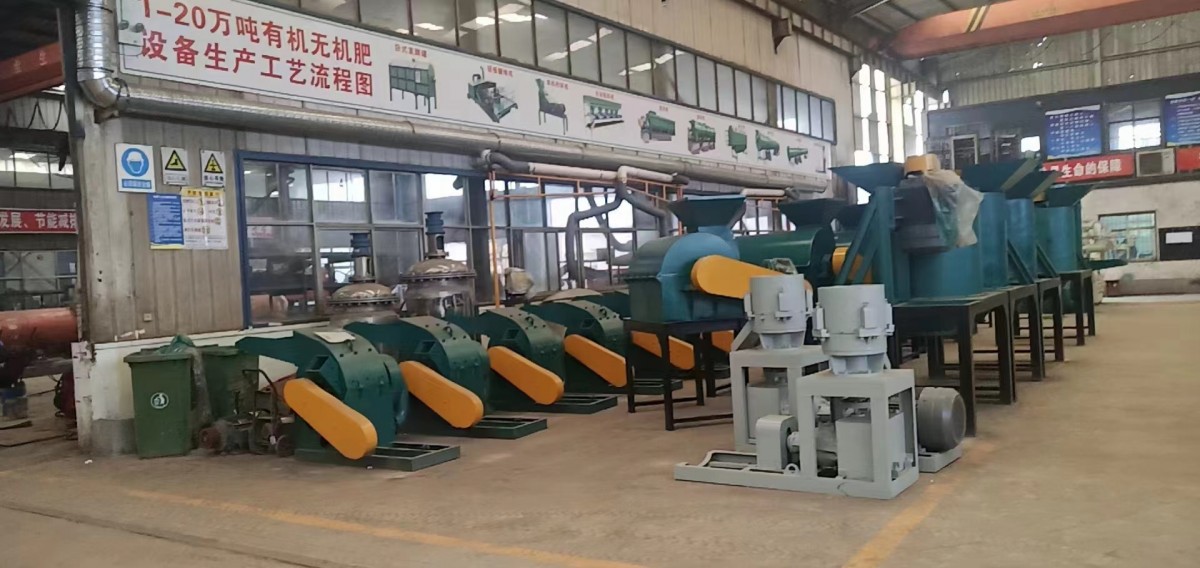
2. Organic Fertilizer Production Capacity: In the livestock farming industry, the scale of farming operations itself can influence the output of organic fertilizer to some extent. Large-scale farms generate a significant amount of manure, which translates into a higher yield of organic fertilizer. This necessitates larger-scale organic fertilizer equipment, which also comes with a higher cost.
3. Raw Material Processing Techniques: Different organic fertilizer raw materials require varied processing techniques. For instance, in the poultry and livestock farming industry, the feces from chickens, ducks, cows, and sheep contain high moisture levels, necessitating the use of solid-liquid separation equipment to reduce moisture. Depending on the unique characteristics of the raw materials, the required processing equipment varies, leading to cost discrepancies.
4. Product Status: Generally, finished organic fertilizer products can be categorized into powder and granular forms. The production line for powdered organic fertilizer is relatively simple, requiring only turning equipment, crushing equipment, batching machines, screening equipment, and packaging machines. However, for granular organic fertilizer production lines, additional equipment such as granulators and drying cooling systems are needed on top of the powdered line, resulting in a higher capital investment.
