


The compound fertilizer twin-roller granulator consists of a feeding device and two parallel, opposite-rotating rollers. One roller's axis is fixed, while the other roller features an eccentric shaft design, creating a small gap between the rollers. The gap size is adjusted by rotating the eccentric shaft to maintain a constant pressure through the reducer. The two moving rollers, which are in opposite directions, are driven by gears to compress the fertilizer.
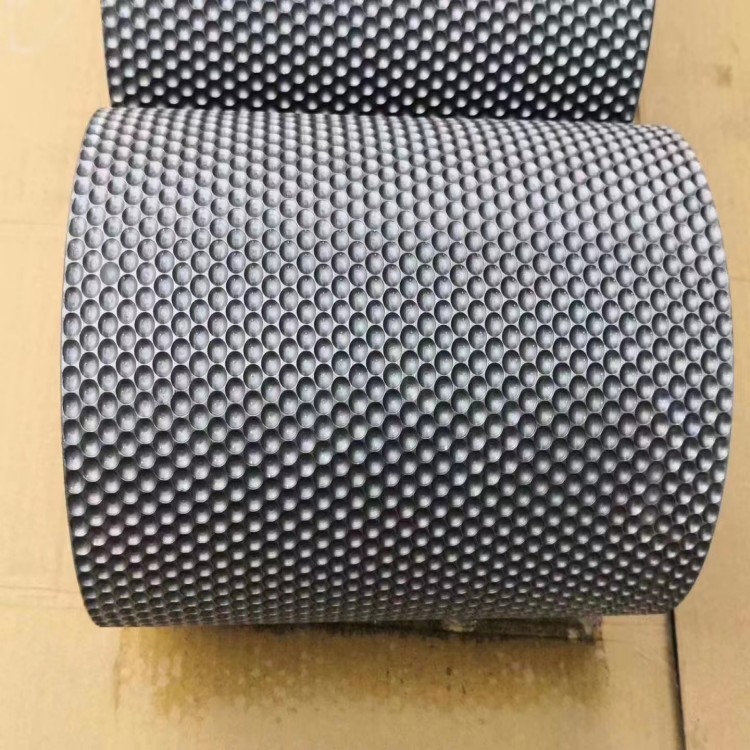
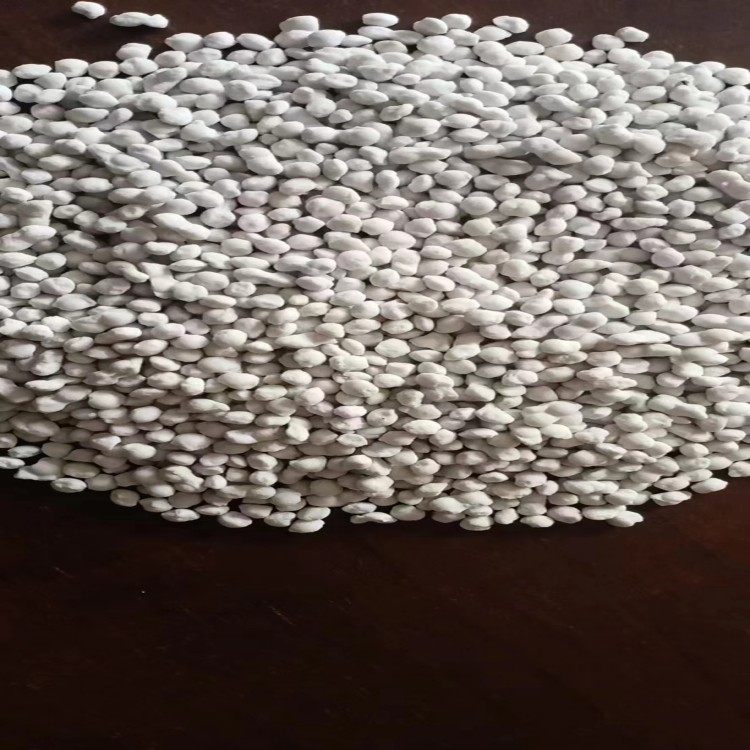
Grooves on the roller extrude the fertilizer into pellets, forming granules. Due to the friction between the fertilizer in the feeding system and the roller, the fertilizer is forced into the gap between the two rollers and pulled through as the roller rotates. The spherical grooves on the roller press the fertilizer into granulated sheets, which fall and break into smaller pieces, then sifted to obtain the qualified finished fertilizer granules.
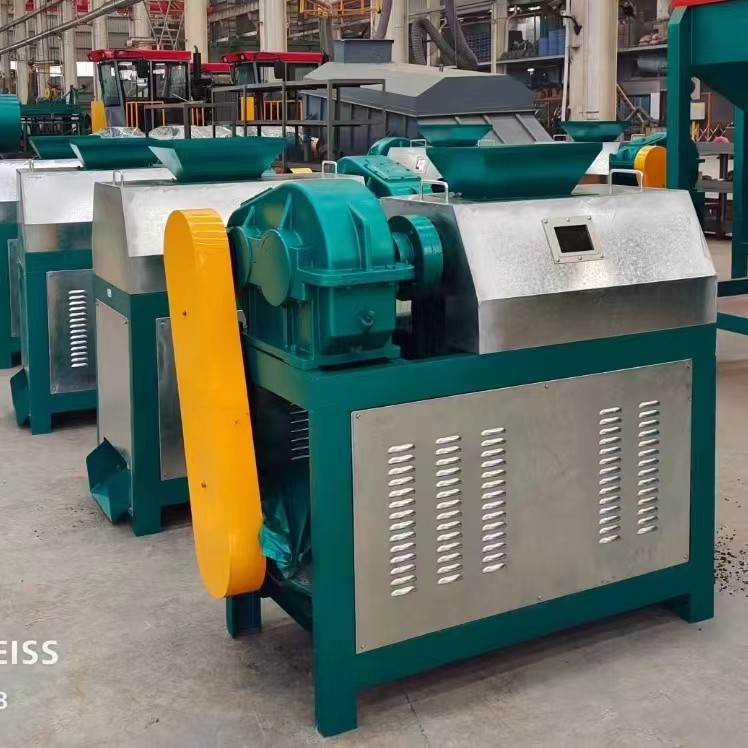
On the compound fertilizer production line, the compound fertilizer roller granulator employs dry extrusion technology, which can increase the actual material density by 1.5-3 times to meet certain strength standards. Granulation rate exceeds 95%, with a compressive strength of 10-25n per unit, moisture content of the material not exceeding 10%, output of 1-4t/h, particle size of 3-8mm, and roller particle size of 2.8-4mm.
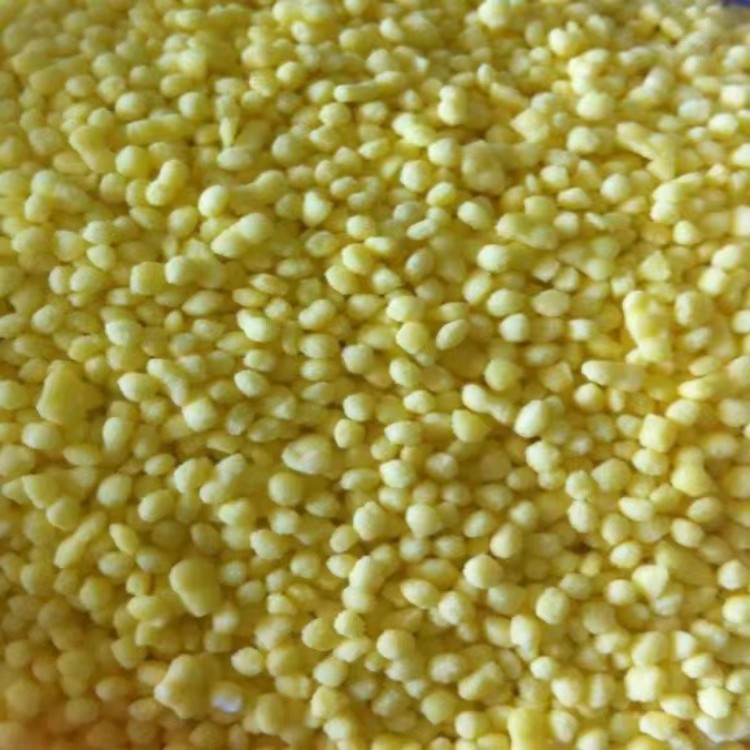
Based on the processing output from the blending fertilizer factory's debugging and trial operation, multiple granulators can be combined. Each machine undergoes a trial run and trial production by professional technicians prior to shipment, ensuring it meets design specifications. The ball socket alignment adjustment design is simple, allowing users to easily make self-adjustments.
