

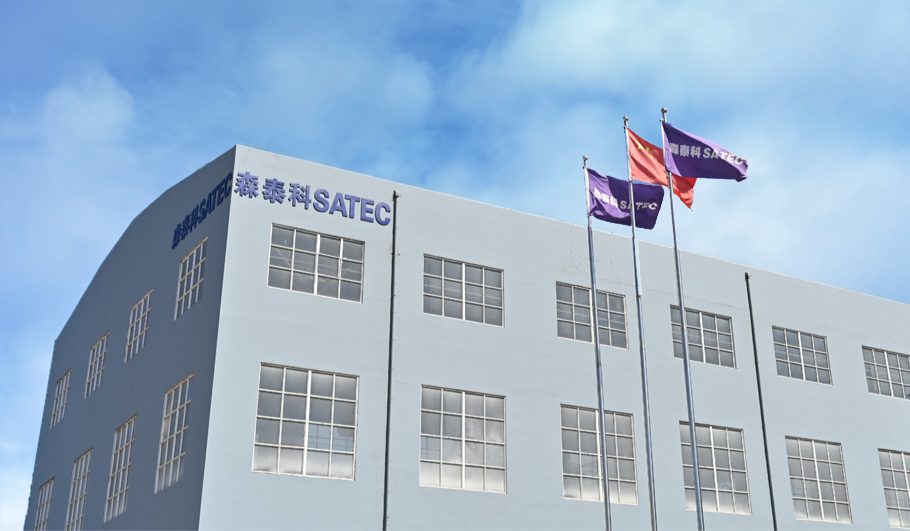














Metallurgy Industry Blender: Sintering Metallurgy Blender
A processing method to convert finely ground ore into materials that meet smelting requirements. The process involves: blending the prepared materials in specific proportions to create a homogeneous mixture, rolling them into a certain size of green balls on a pelletizing machine, and then drying or calcining them or using other methods to induce a series of physical changes and harden the material. This process is known as the pelletizing process, and the product is called pellet ore. The mixture of concentrate powder and flux is rolled into green balls in a balling machine, then dried, calcined, and solidified to form iron raw materials with good metallurgical properties, which are supplied for steelmaking needs. The main processes in the pellet production method include raw material preparation, blending, balling, drying and calcining, cooling, and finished product and return material handling. The raw materials for pellet production are mainly concentrate powder and additives; if solid fuel is used for calcining, coal powder and coke powder are also used. The purpose of mixing and granulating sintering materials is to ensure uniform distribution of the components, reduce segregation; evenly moisten the material with water, maintain stable moisture content; preheat the material, increase material temperature; and produce particles of an appropriate size to improve the permeability of the sintering material layer.
The mixing time is related to the length, speed, and angle of inclination of the mixer. Increasing the length of the mixer undoubtedly extends the granulation mixing time, which is beneficial for uniform mixing and granulation. The speed of the mixer determines the movement state of the material inside the cylinder. A low speed results in less centrifugal force generated by the cylinder, making it difficult for the material to reach a certain height and form a pile, leading to low mixing and granulation efficiency. However, a high speed generates excessive centrifugal force, causing the material to adhere to the cylinder wall, resulting in the complete loss of uniform mixing and granulation. The angle of inclination of the mixer determines the residence time of the material inside the machine. A larger angle of inclination shortens the mixing time but decreases the uniform mixing and granulation effect. For a single mixing with a cylindrical mixer, the angle of inclination should be less than 2.0°. For secondary mixing, the angle of inclination should not be less than 1.5°.
Qingdao Suntaike Technology Co., Ltd.'s blending granulator design meets the requirements for producing pellets. The equipment is an inclined machine with an optimal tilt angle for even material mixing. Material loading and unloading are convenient, and there is no issue of excessive material accumulation in the drum. Its unique design allows for independent adjustment of component speeds, changing the speed to achieve the best material mixing level and avoid material buildup and poor blending granulation effects, as well as the issue of too high speeds not allowing for sufficient mixing and granulation. The design structure is scientific, with minimal parts maintenance and wear. The scraper inside the equipment ensures complete unloading of the material.
Additionally, the filling rate of the blender affects the mixing and granulation efficiency of the mixture. The filling rate is expressed as the volume of the mixture within the cylinder. A low filling rate results in low yield and minimal interaction between materials, which is unfavorable for mixing and granulation. A high filling rate, with the mixing time unchanged, can increase yield, but due to the thickening of the material layer, the movement of materials is restricted and damaged, which is also unfavorable for uniform mixing and granulation. An appropriate filling rate should be around 15%, and the filling rate for the second blending should be lower than that for the first blending. If the material lining inside the blender is insufficient, increase the water content to add surface water to the mixture (water added directly to the material surface). If the blender is too sticky, reduce the water content.
The inner wall of the cylinder should not hang excessive material; it should be cleaned by emptying during shutdown to maintain good mixing effects and ball-forming capabilities.
The start and stop of moisture during material change and slow-down must be properly controlled to avoid the occurrence of "dry material" and "wet material" issues.
Suitable for the preparation of metallurgical sintering blends, pelletizing, and the recovery and utilization of ferrous dust, sludge, and slag dust from steel mills and non-ferrous metal smelting plants.
Improve the permeability of sintered material
Enhance balling rate, with high raw ball strength
Reduce the usage of bentonite.
Reduce the ash content usage.
Increase production while saving fuel, enhancing profit margins
The image below shows the volume loading capacity for a batch processing! The average mixing time is completed within 1 minute, and the granulation process is finished within 3 minutes!


















