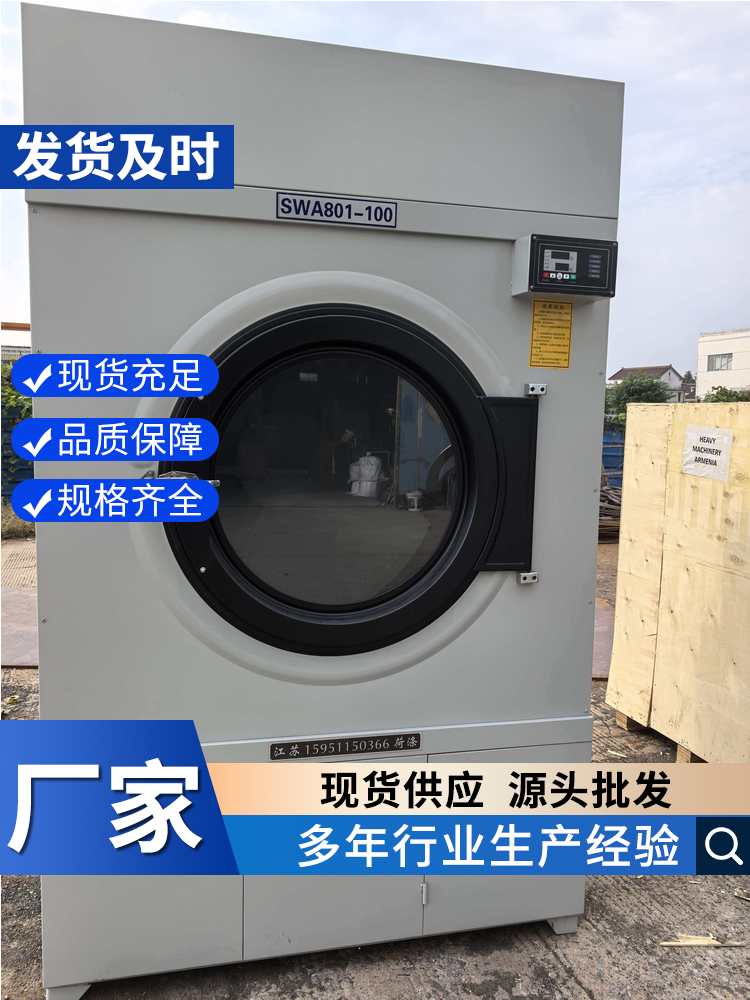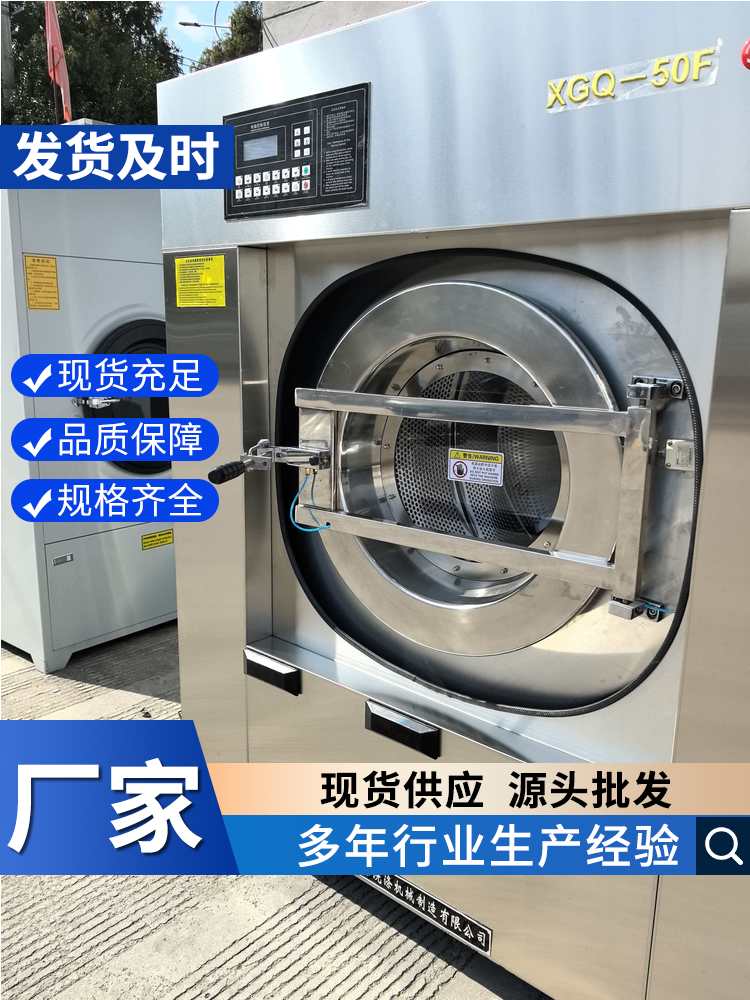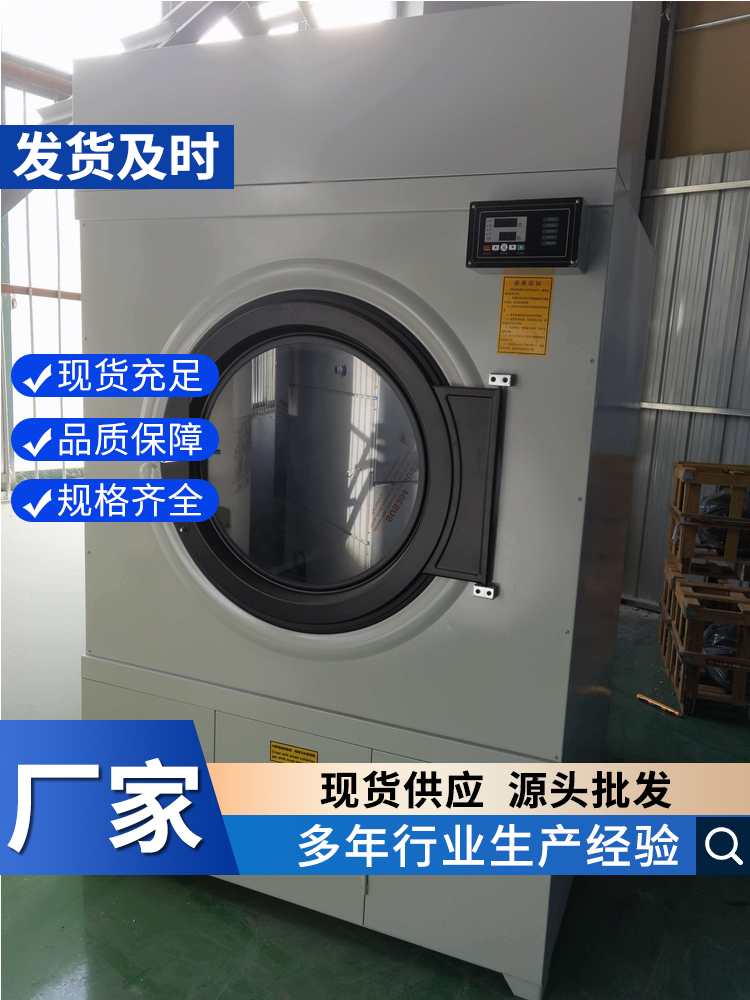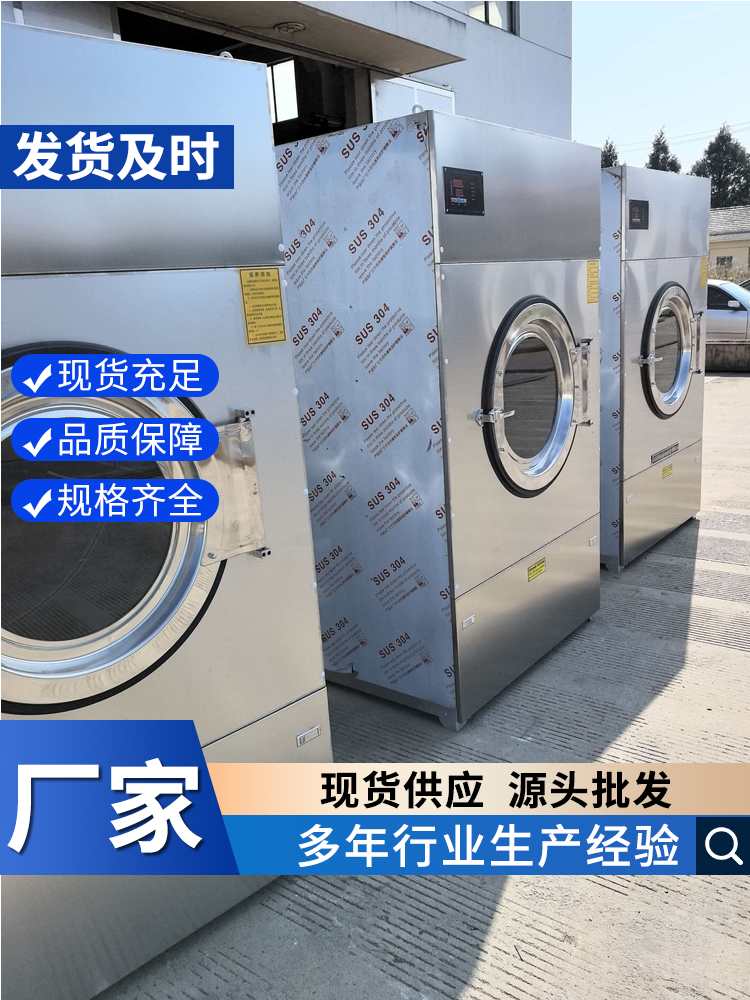



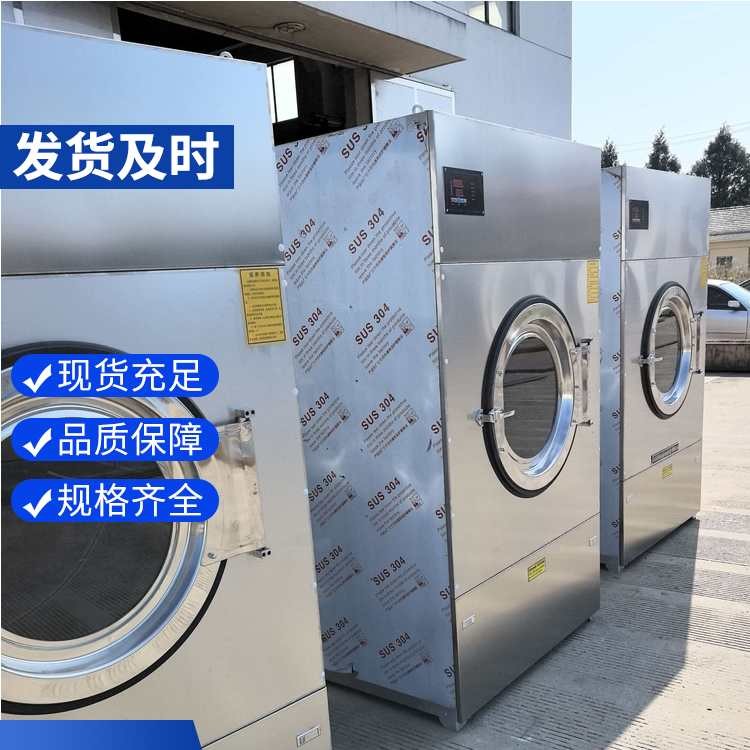
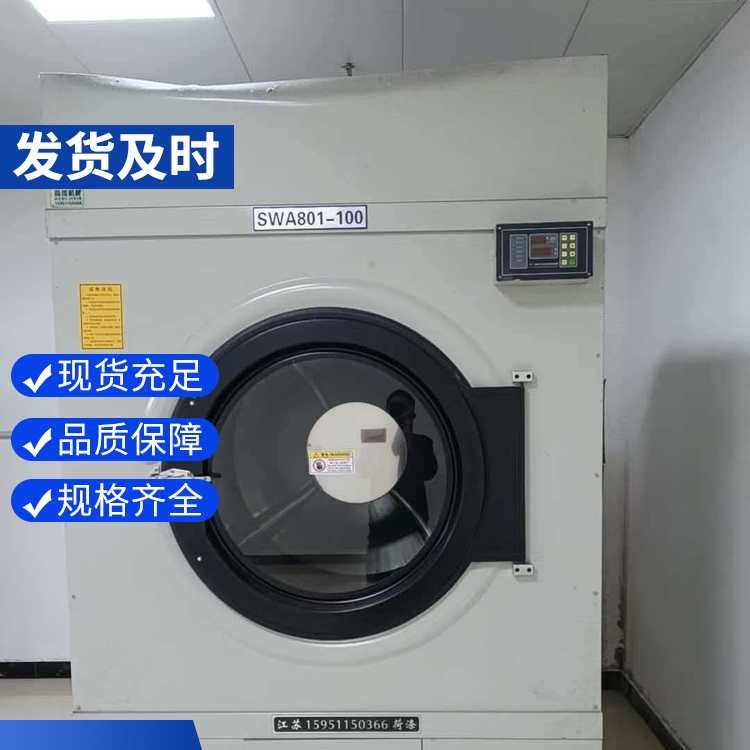





Standard washing machines are typically used for household purposes, such as cleaning clothes, bedding, and other home essentials; whereas hospital washing machines are the laundry equipment used in healthcare facilities.
Laundry services for linens used by institutions are a critical step in preventing hospital-acquired infections. The laundry items include staff uniforms, patient clothing, bedding, and more. Prior to water washing in the laundry room, items must be identified and categorized, then placed into medical washing machines, hospital dryers, and other equipment to begin washing or drying. Clothing contaminated with bodily fluids or secretions, posing a risk of hospital-acquired infections, must be isolated and sanitized. Meanwhile, laundry room staff must take protective measures, following standardized washing procedures to prevent cross-contamination. Ensuring that the laundry is presented clean and free of stains, odors, and watermarks, maintaining a hygienic appearance.
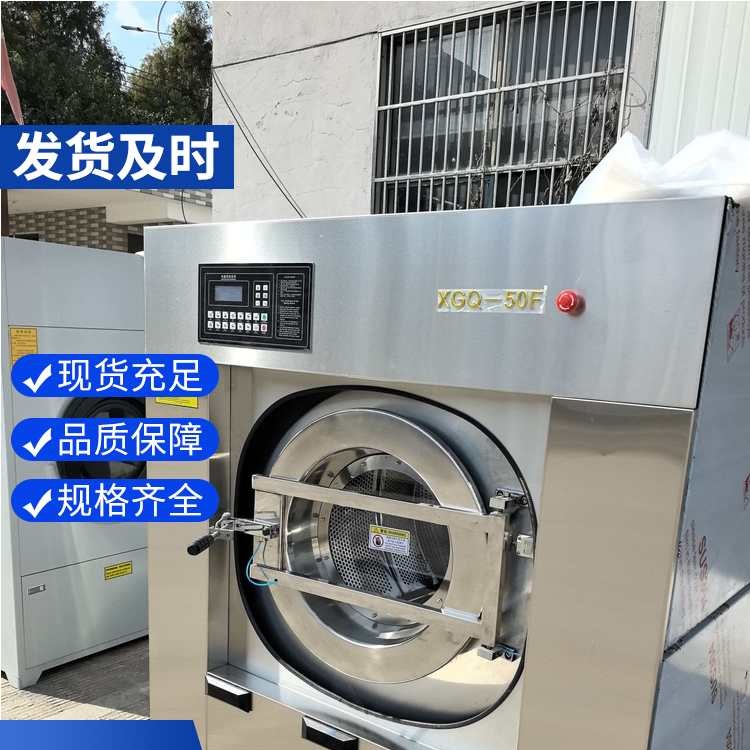
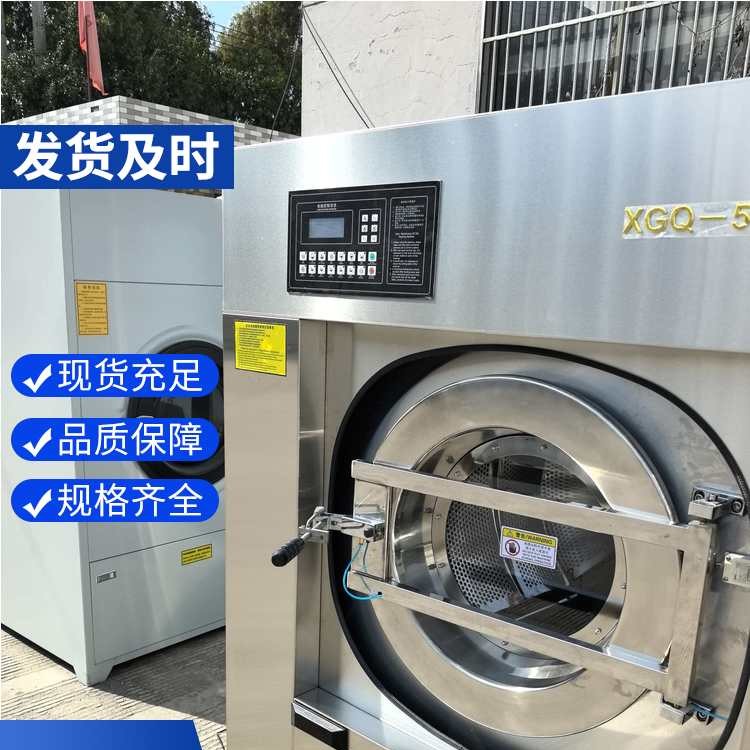
Isolation Medical Laundry Machines are equipped with microcomputer control systems, offering both automatic and manual options. They can achieve large-capacity washing functions with high cleanliness rates. Various automatic washing programs can be edited, allowing laundry staff to simply select the appropriate work program based on the specific situation of the linen. The machine's control panel can independently control the operation of the medical laundry machine's various functions, with an LCD display indicating the washing progress. The purpose of linen processing in hospitals is to remove or kill microbial contamination, involving three stages: water washing, sanitization, and dilution. The washing stage should ensure all linens are clean and hygienic by removing pollutants from the fabric; at the same time, all linens should undergo chemical or thermal washing to eliminate or reduce the number of viable microorganisms. To dilute and reduce the number of viable microorganisms on the fabric, hospital laundry machines should at least perform two rinsing cycles to decrease microbial content and remove detergents and disinfectants from the washing wastewater.
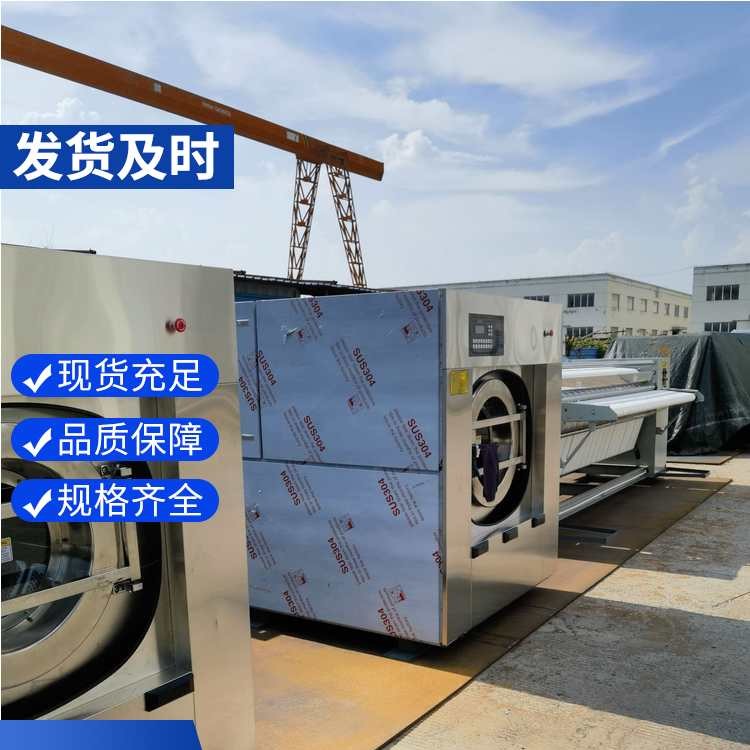
Medical washing machines are mainly divided into types and capacities. By type, they include semi-automatic horizontal washing machines, fully automatic washing machines, and sterilization isolation washing and drying machines. By capacity, they come in various sizes such as 20 kg, 30 kg, 50 kg, 70 kg, and 100 kg.
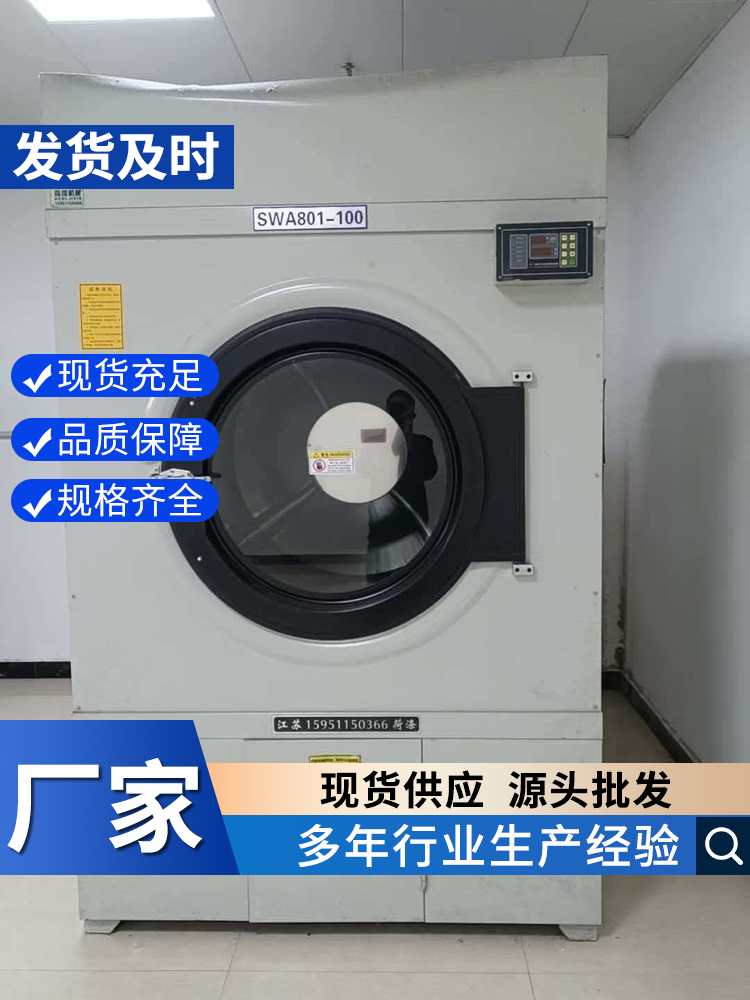
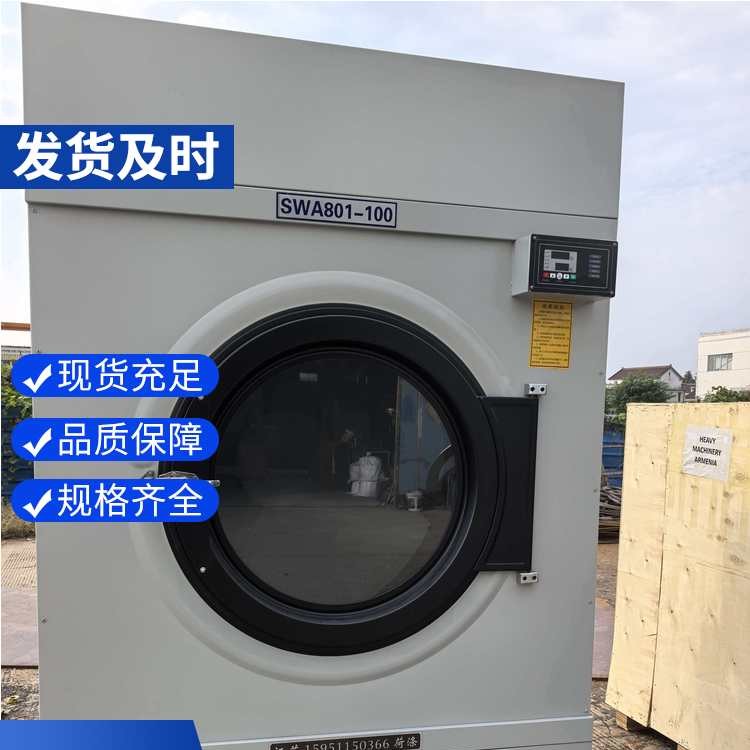
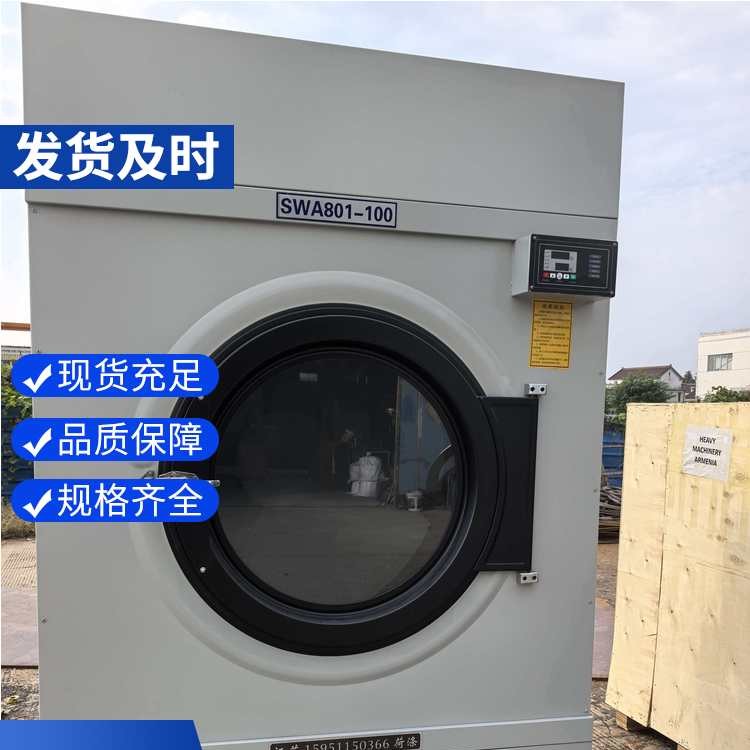
All garments must be washed within the specified time frame. After washing, the process is dehydration and drying. The purpose of the large-scale garment drying equipment in hospitals is to eliminate moisture from the garments more quickly. A must-have feature of the large medical washing equipment in hospitals is the sterilization function, which typically involves infrared sterilization or high-temperature sterilization.
Our laundry room medical washing machine maintenance technician is required to clean all hospital washing equipment according to the manufacturer's maintenance manual, using either hot sterilization or chemical sterilization cycles.
WeChat Official Account

Scan to follow Official Account