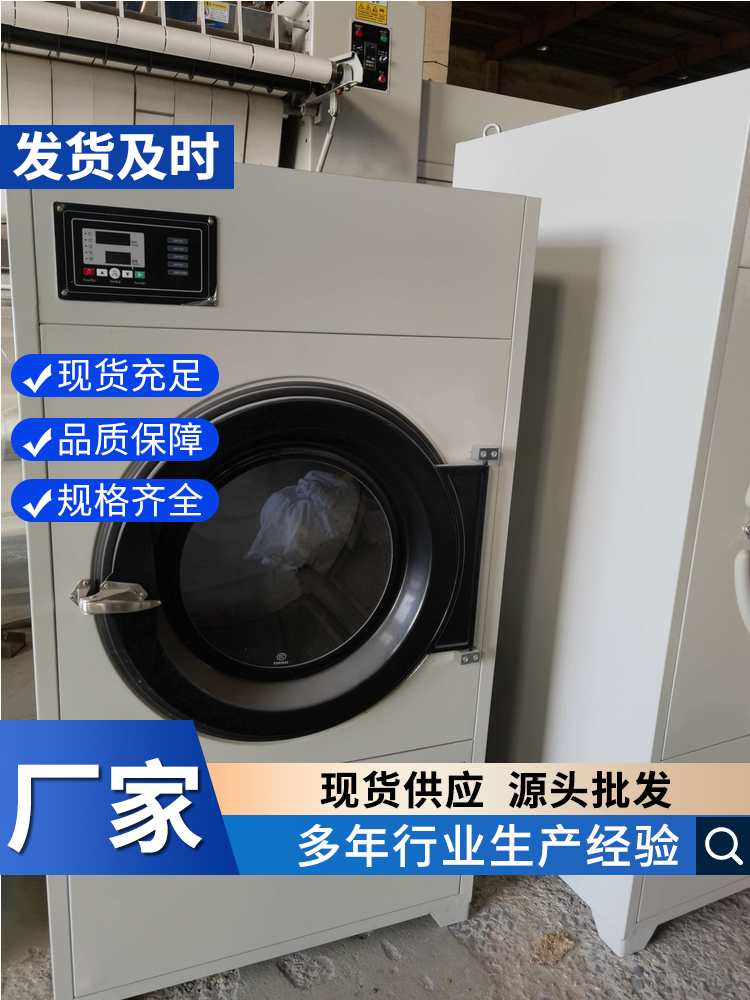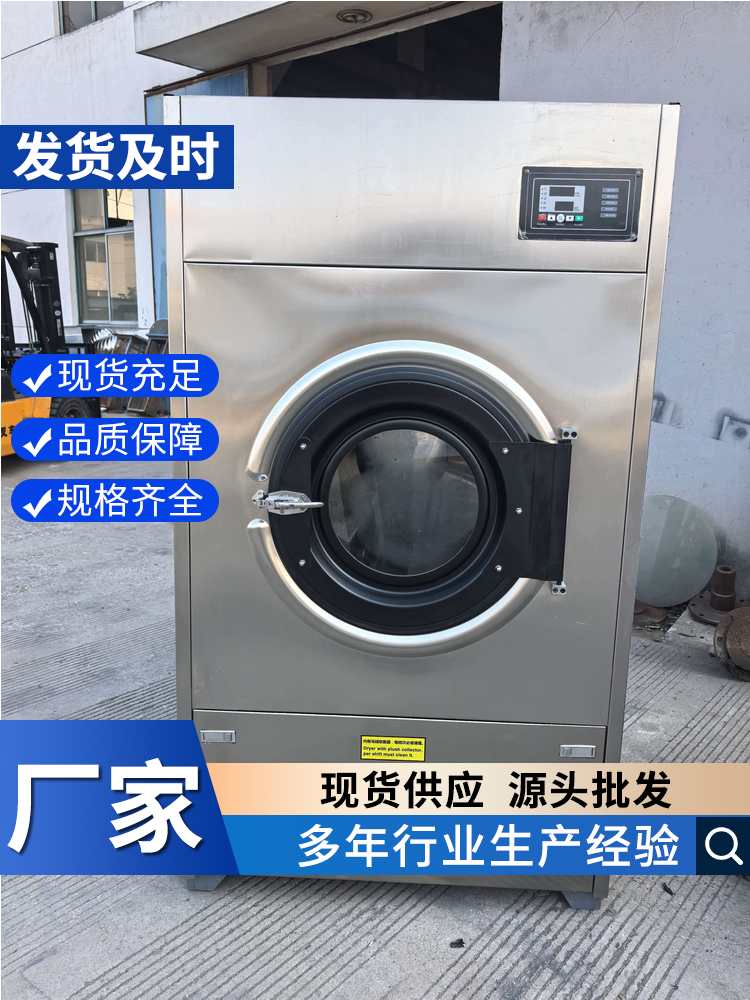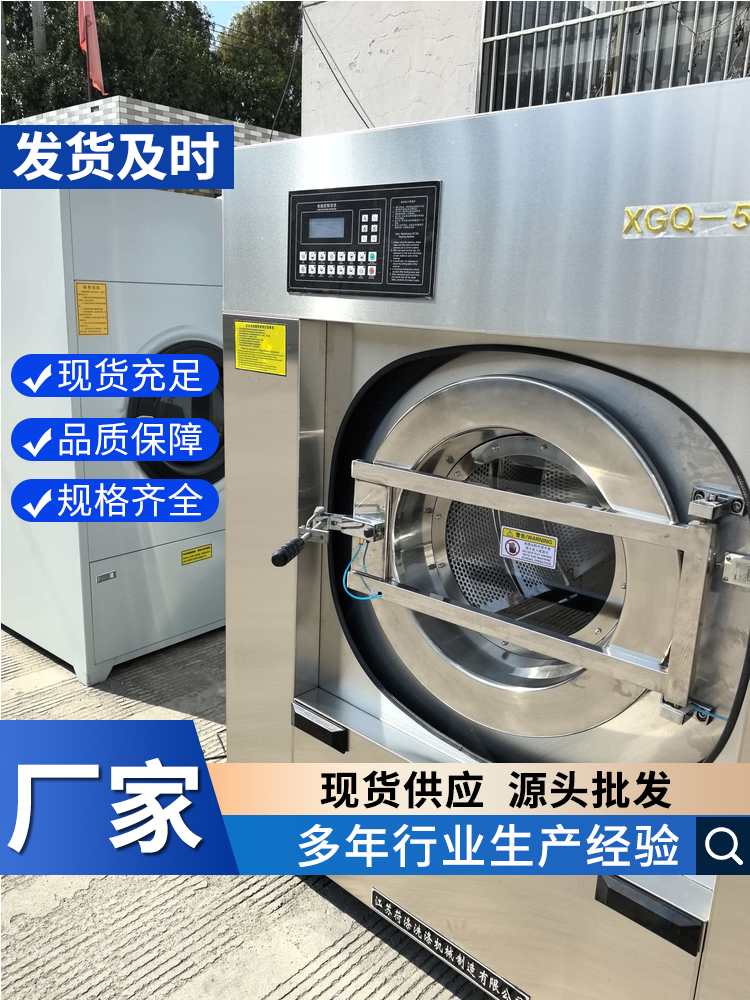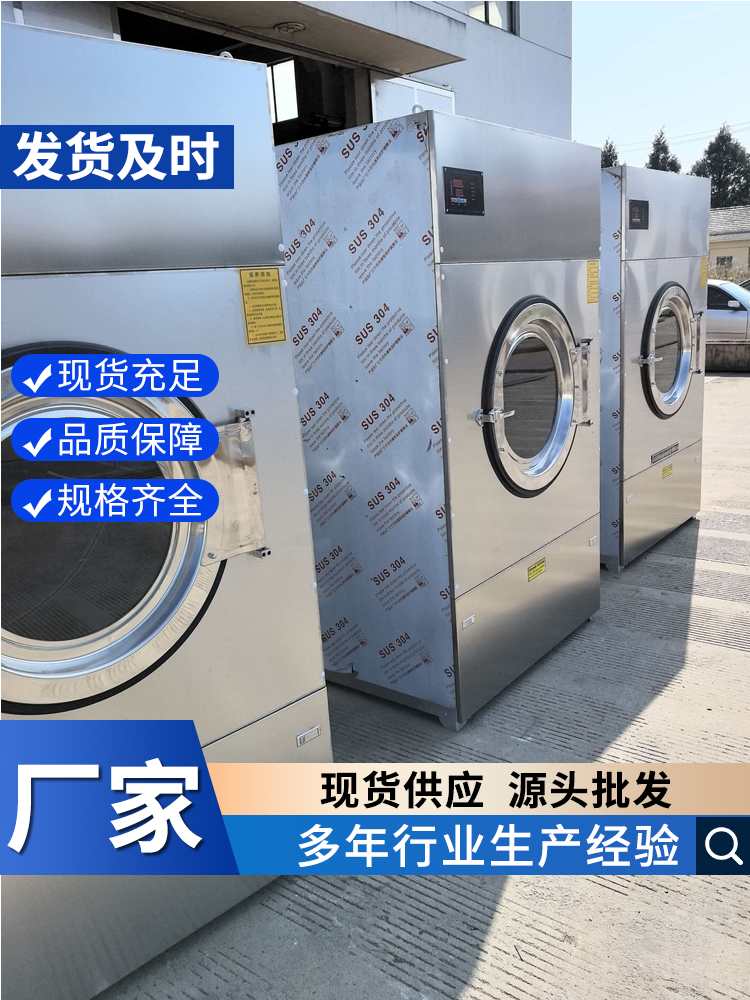


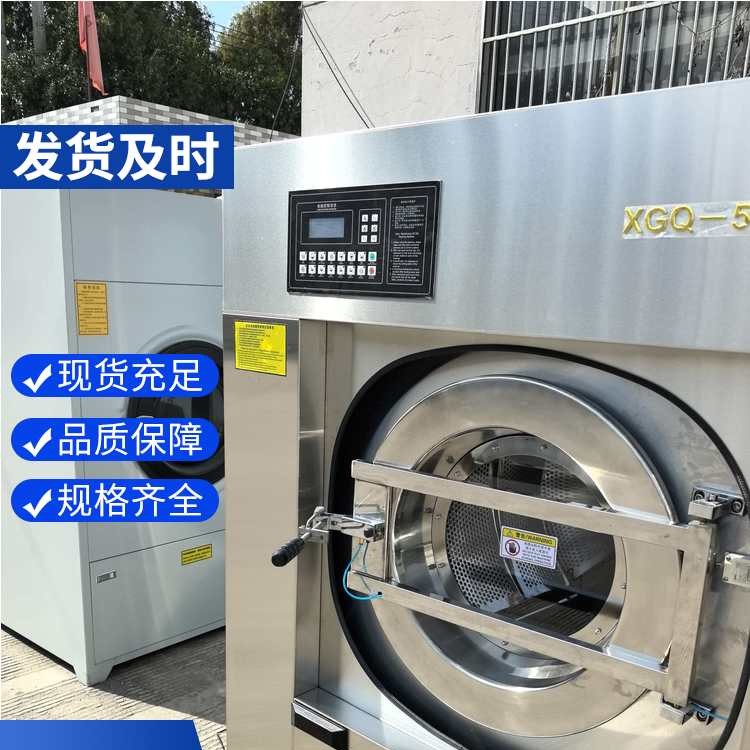







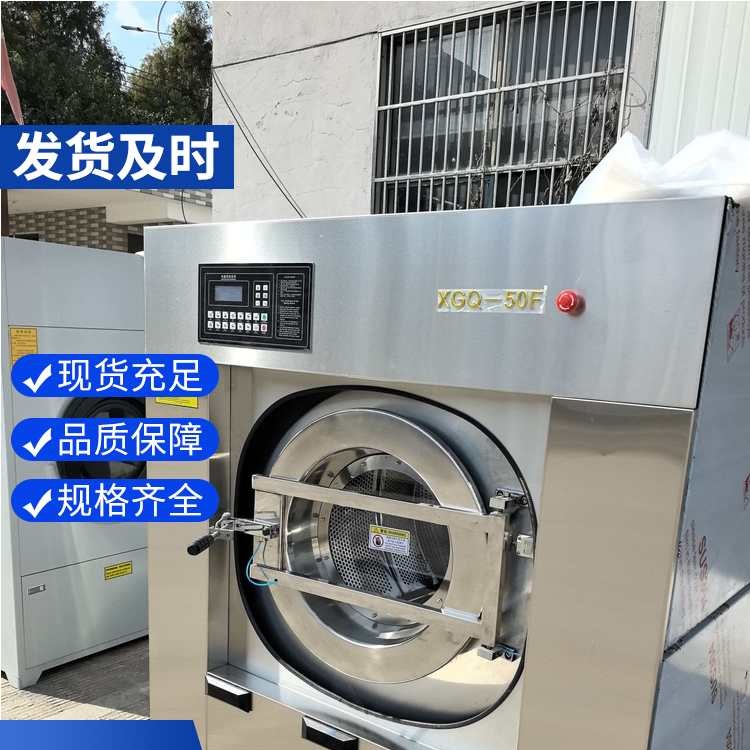
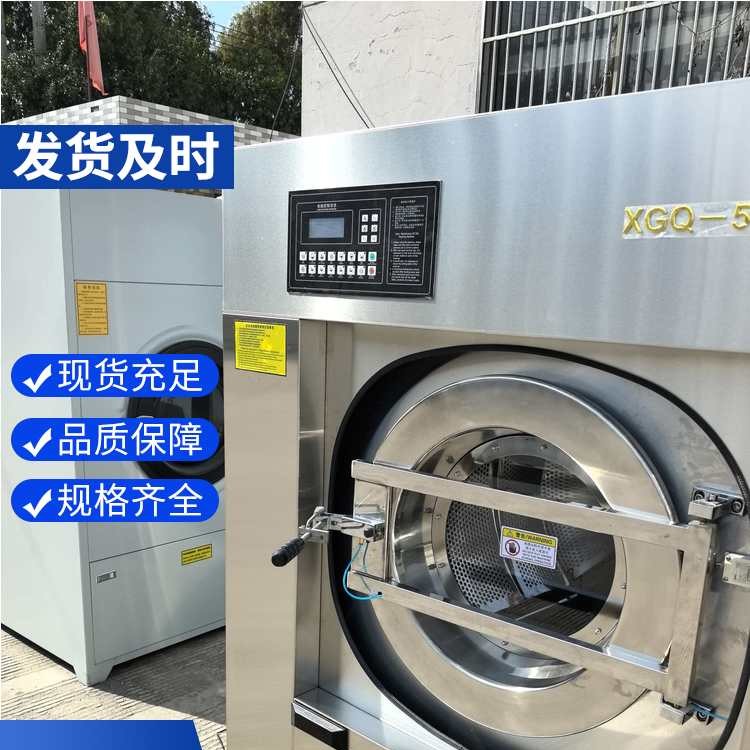
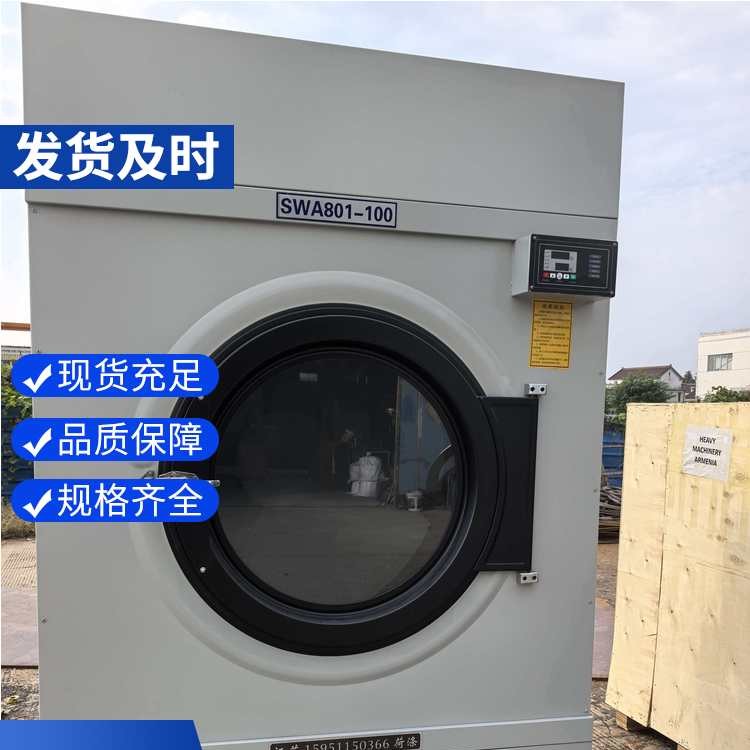
Standard washing machines are typically for household use, designed for cleaning clothes, bedding, and other household items; while hospital washing machines are the cleaning equipment used in hospitals.
Isolation medical washing machines are equipped with microcomputer control systems, offering both automatic and manual options. They can achieve high-capacity water washing functions with high cleaning rates. Multiple automatic washing programs can be edited, allowing the operation staff of medical washing machines to simply select the appropriate work program based on the specific situation of the linens. The machine control panel can independently control the operation of various functions of the medical washing machine, with an LCD display indicating the washing progress. The purpose of linen processing in hospitals is to remove or kill microbial contamination, which involves three stages: water washing, sanitization, and dilution. The washing stage should ensure all linens are clean and hygienic by removing pollutants from the fabrics. At the same time, all linens should be chemically or thermally sanitized to kill or reduce the number of viable microorganisms. To dilute and reduce the number of viable microorganisms on the linens, hospital washing machines should at least perform two rinse cycles to decrease microbial levels and remove detergents and disinfectants from the washing wastewater.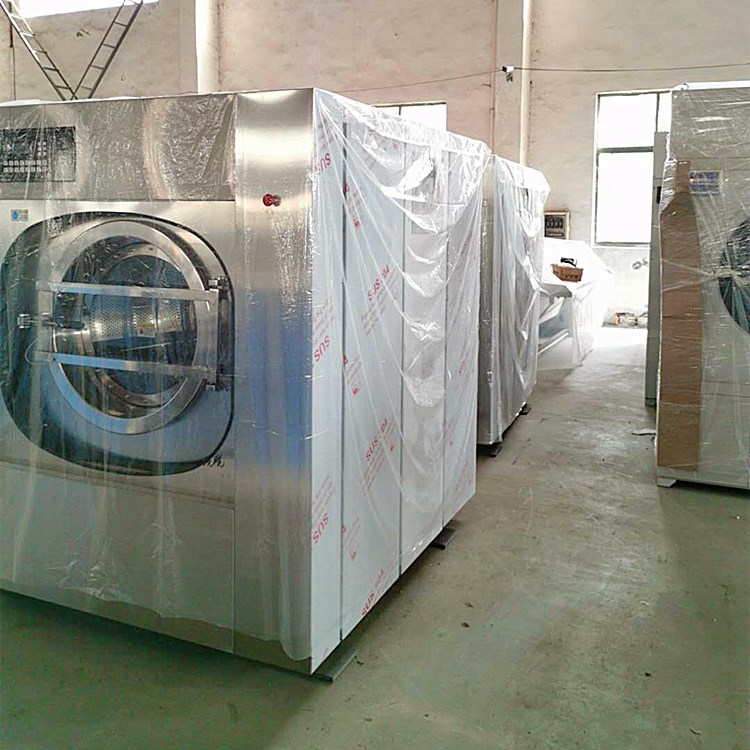
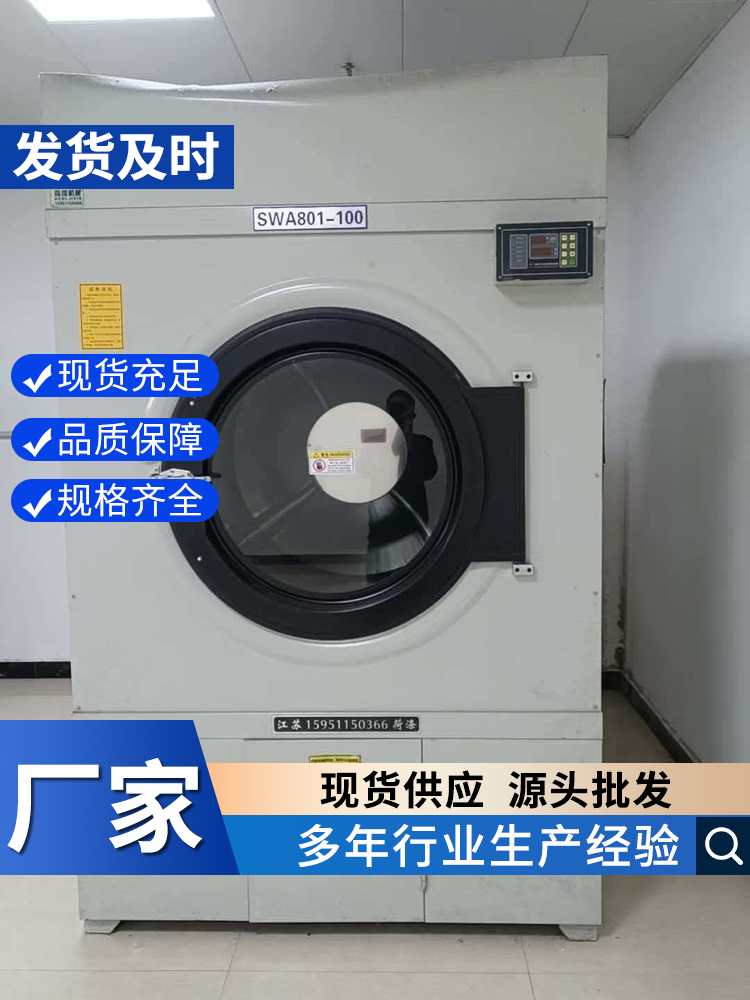
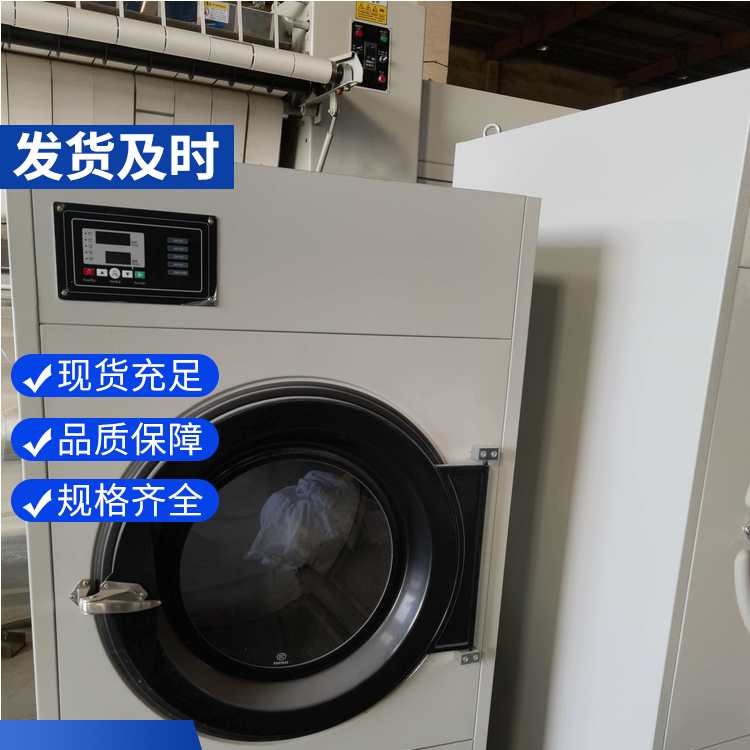
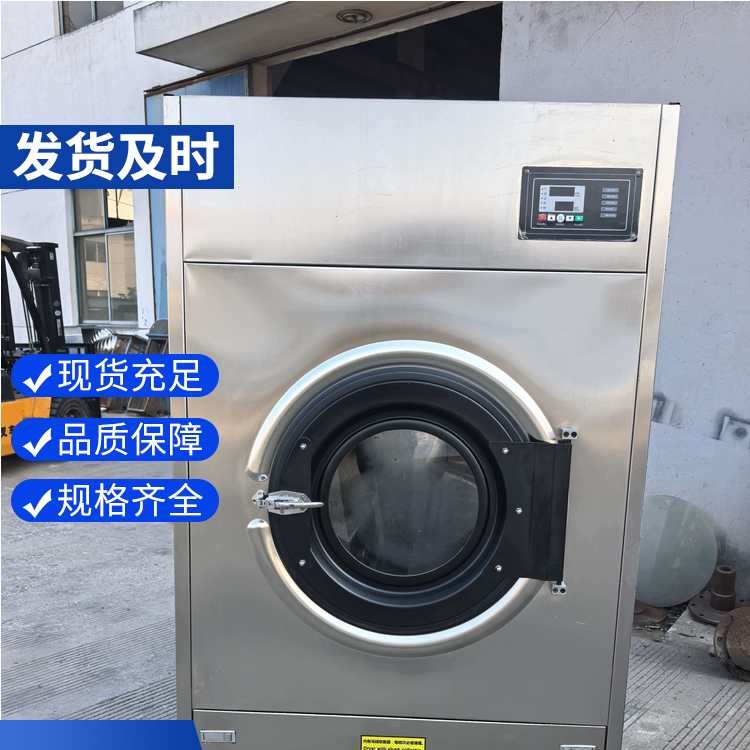
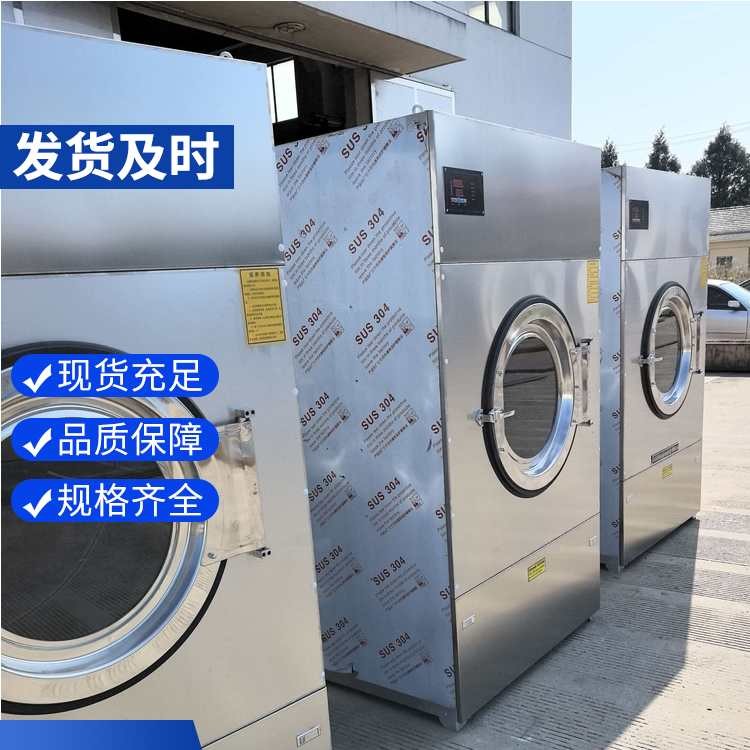
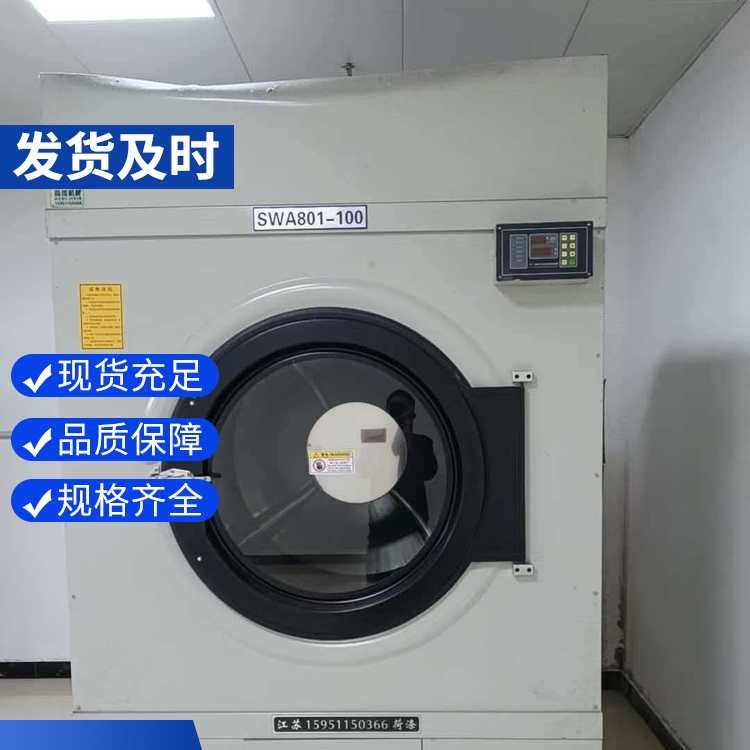
All garments must be cleaned within the specified time frame. After washing, the drying process follows, which involves using a large capacity clothes dryer to remove moisture more quickly. A standard feature in hospital-grade laundry equipment is the disinfection function, typically utilizing either infrared or high-temperature disinfection.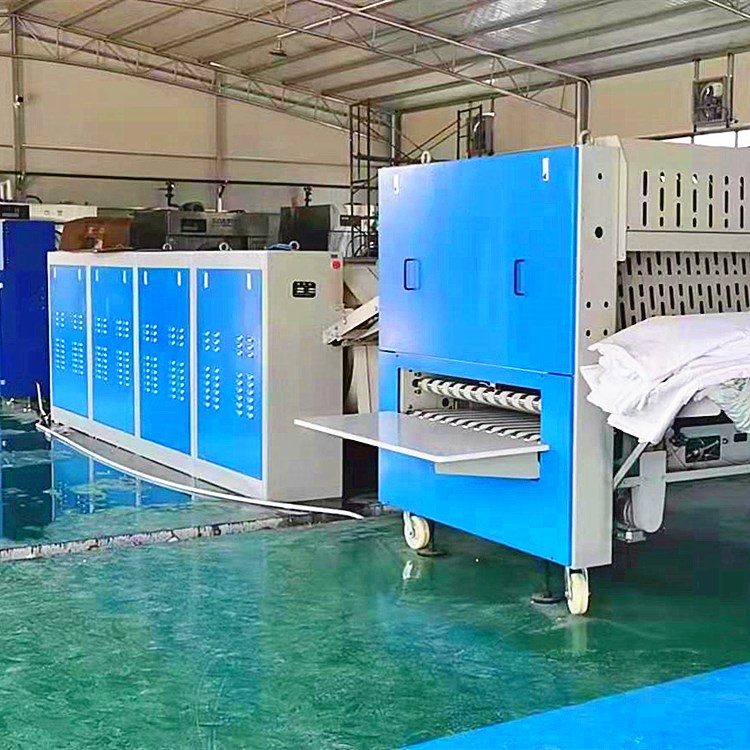
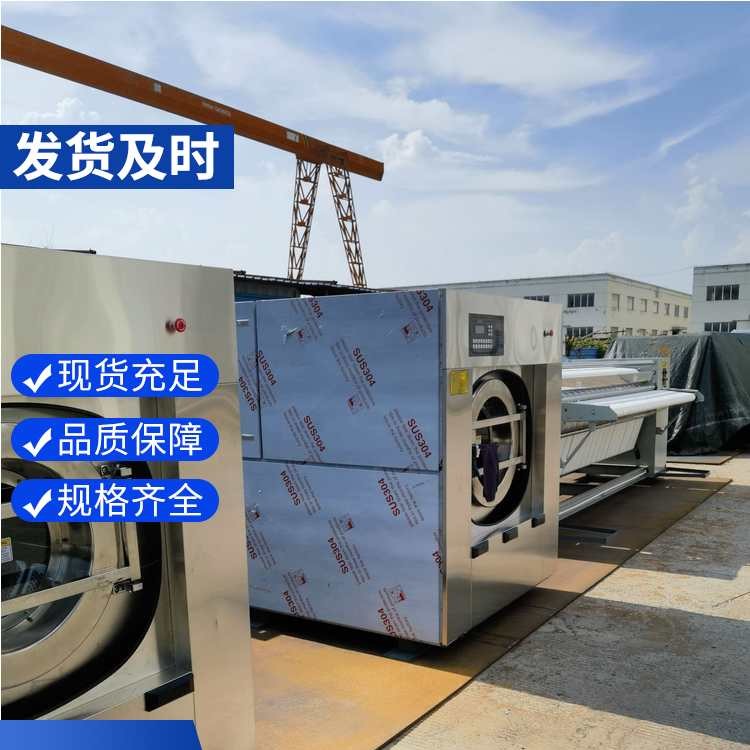
The inner drum and outer shell of our hospital drying machines are meticulously crafted from high-corrosion-resistant 304 stainless steel. Equipped with an automatic control system for varying temperatures, the entire process is computerized with manual override capabilities. It ensures continuous, long-duration operation with a large capacity, featuring a spindle and flange connection that has been heat-treated to prevent deformation at high speeds, thereby extending its service life. The body and frame are linked using CO2 protected welding technology for secure and durable connections; heating methods include steam and electric heating options. We are also developing a new model of gas-powered hospital drying machine. Fresh air is drawn in through the inlet by the fan, exchanges heat with the radiator, and becomes dry hot air, which then exchanges heat with the tumbling textiles in the drum. The dried textiles are then discharged from the machine. Compared to steam drying machines, our direct combustion hospital drying machines do not require secondary conversion of thermal energy, leading to more efficient energy use, lower losses, and higher drying efficiency.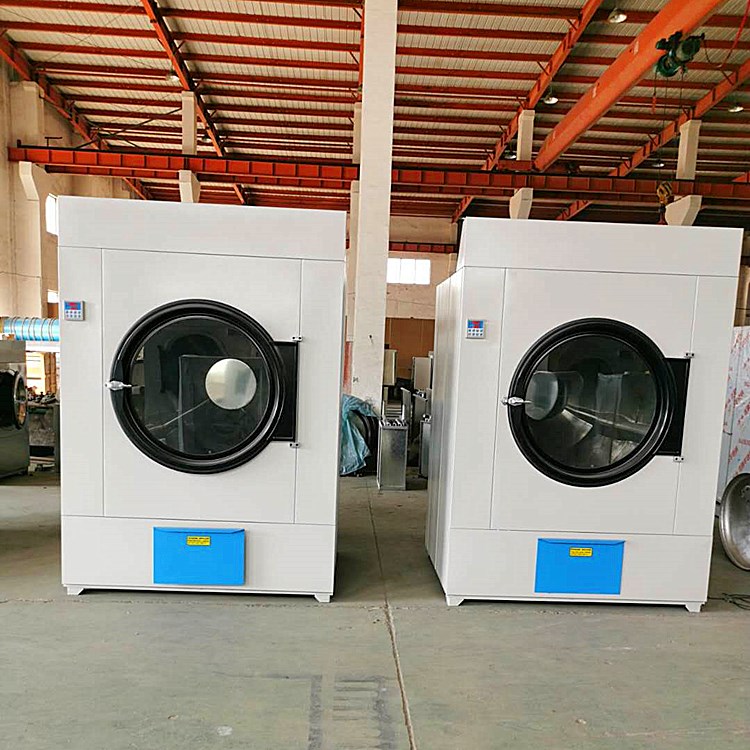
Medical laundry machines are mainly categorized by type and capacity. By type, they include semi-automatic horizontal washing machines, fully automatic washing machines, and sterilization isolation washing and drying machines. By capacity, they come in various sizes such as 20 kg, 30 kg, 50 kg, 70 kg, and 100 kg.
Jiangsu Heti Laundry Machinery Manufacturing Co., Ltd. boasts a high-quality product research and development team, modern production facilities, and stringent scientific management systems.
WeChat Official Account

Scan to follow Official Account