








Hospital Disinfection Washing Machines, Full Set of Hospital Laundry Equipment
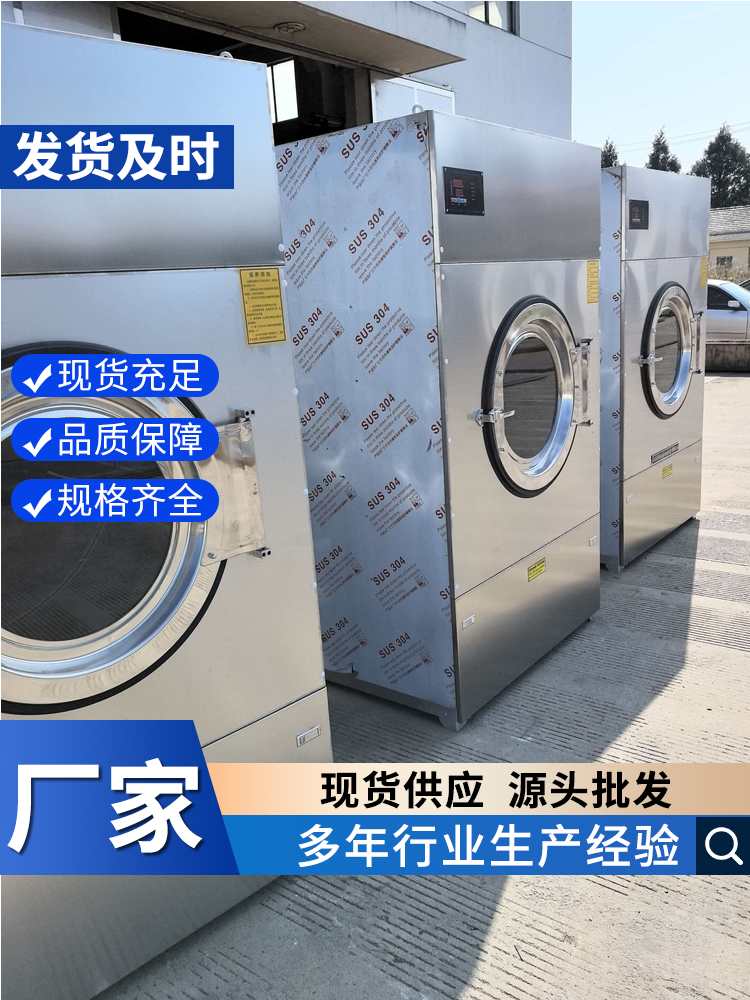
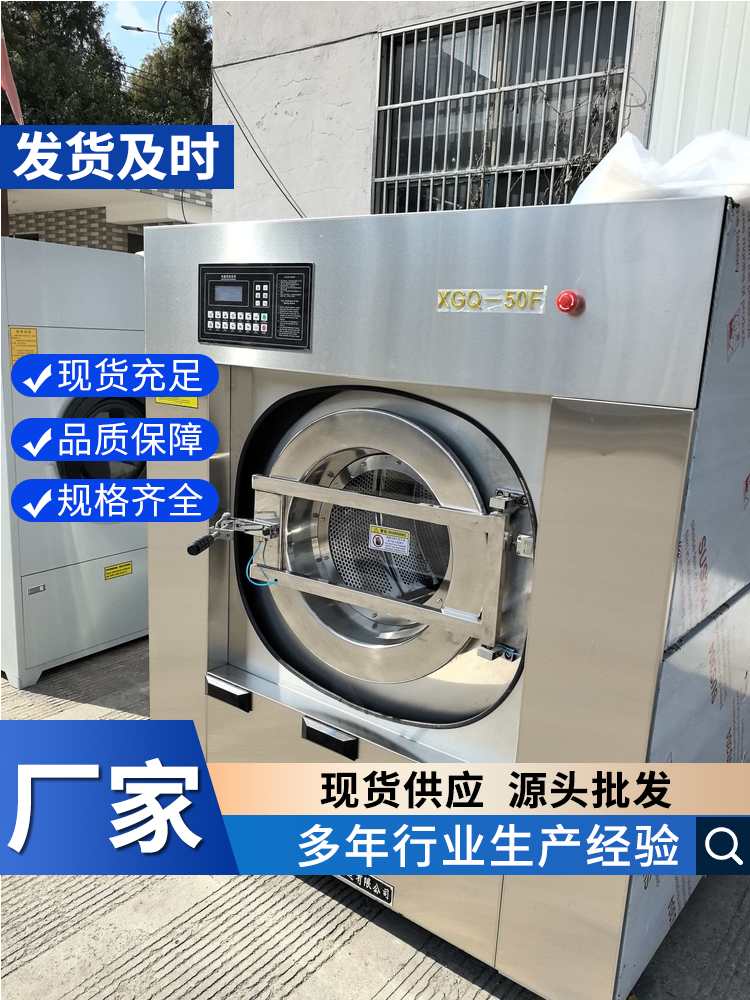
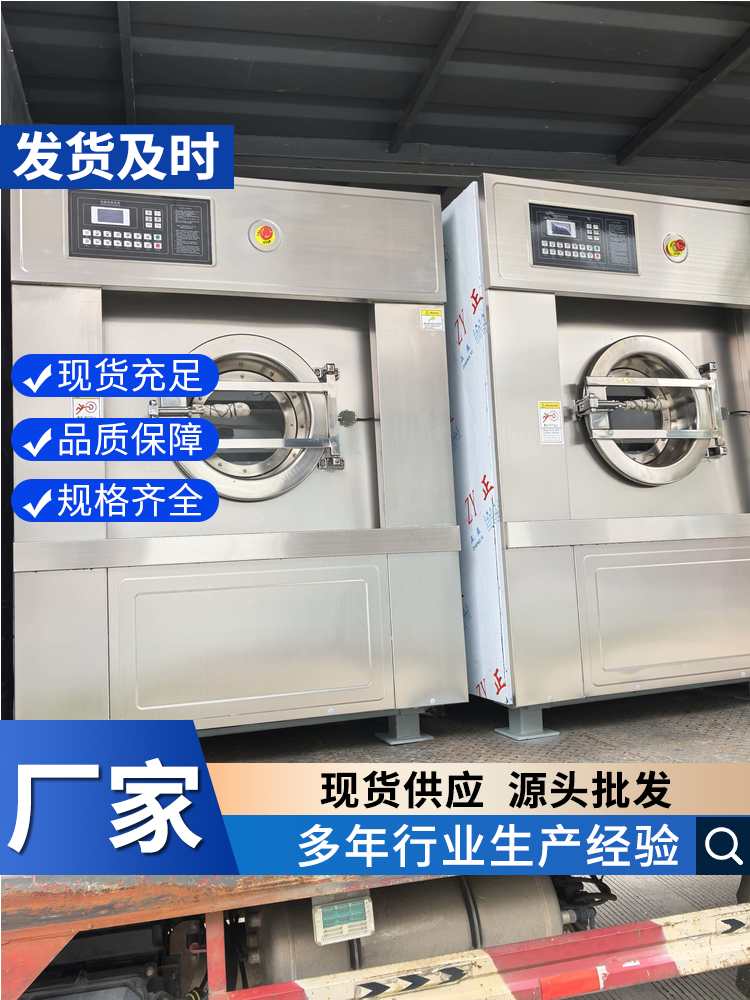
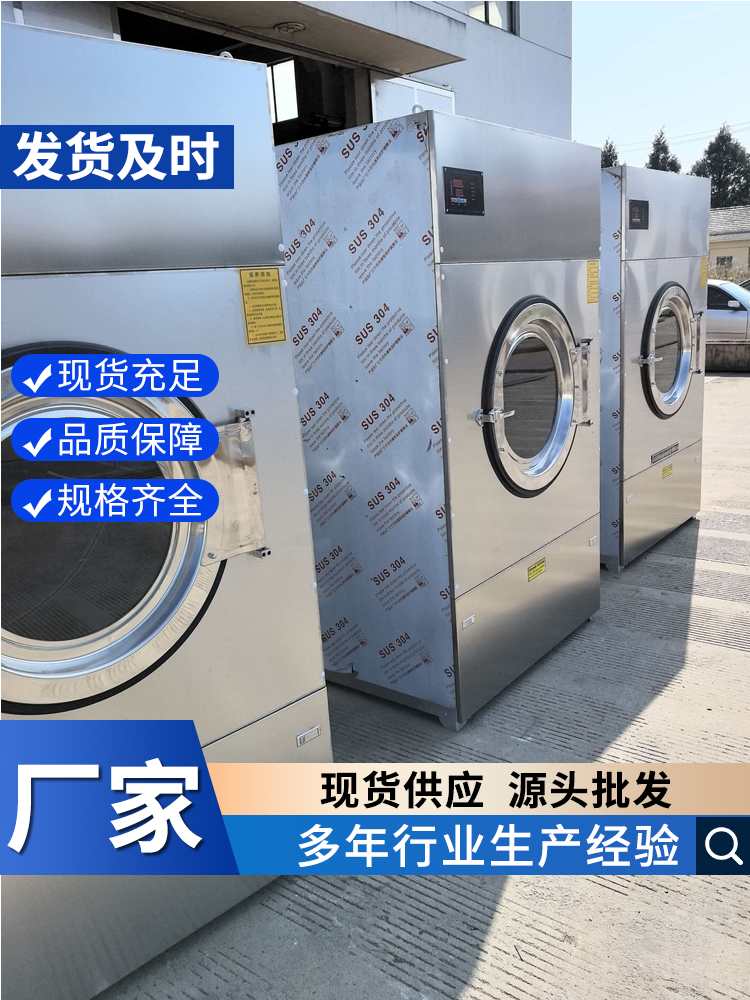
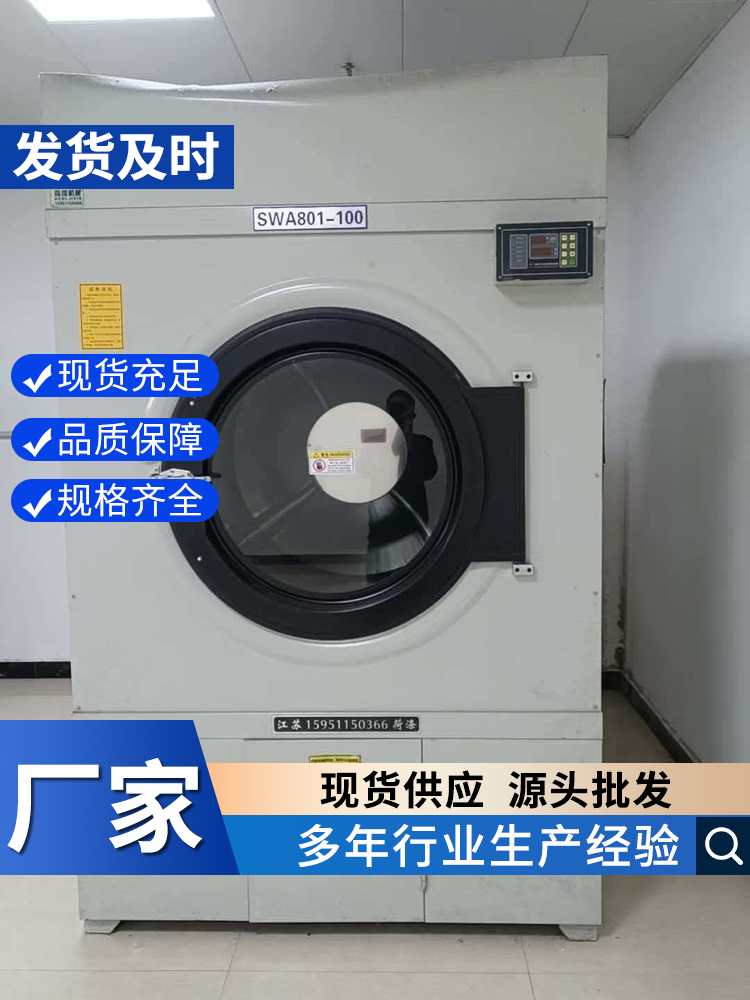
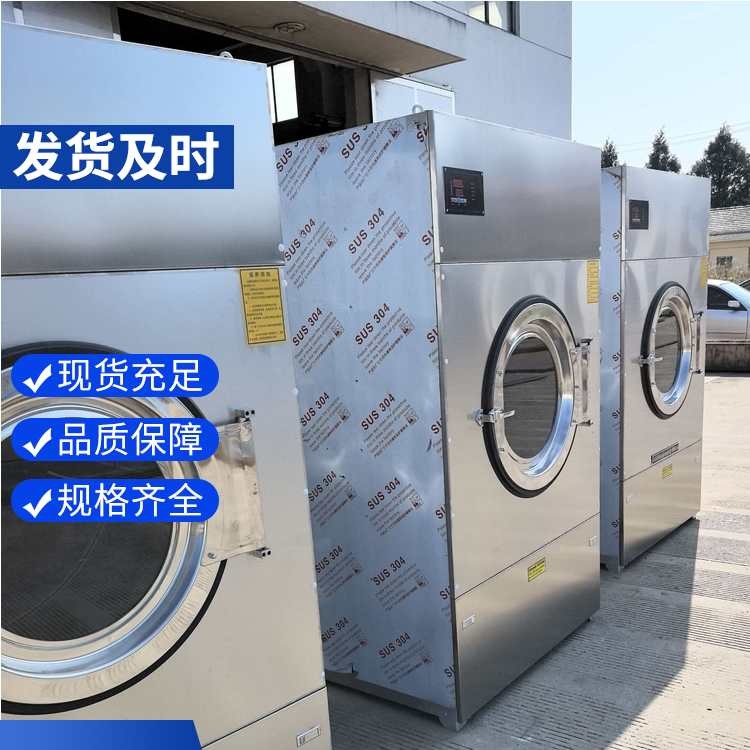
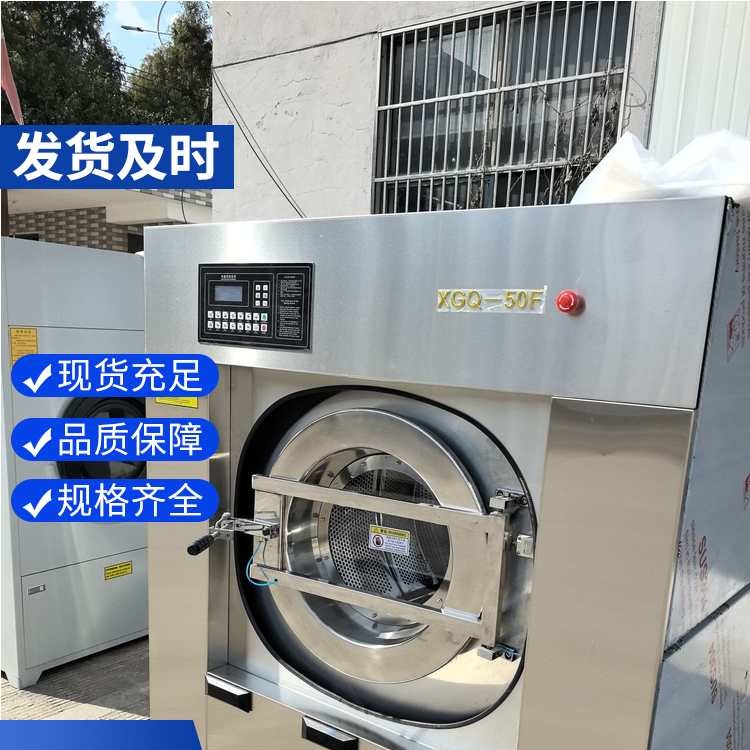
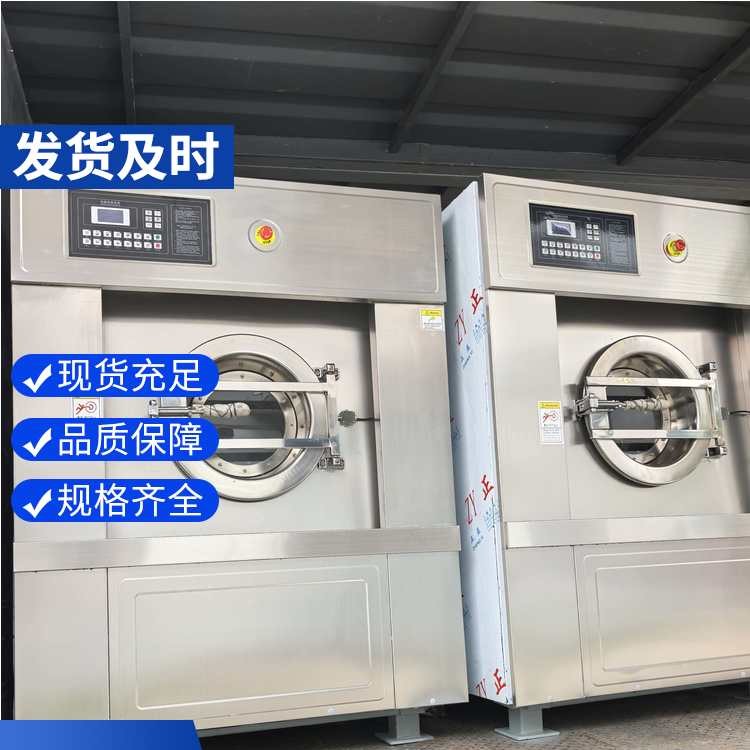
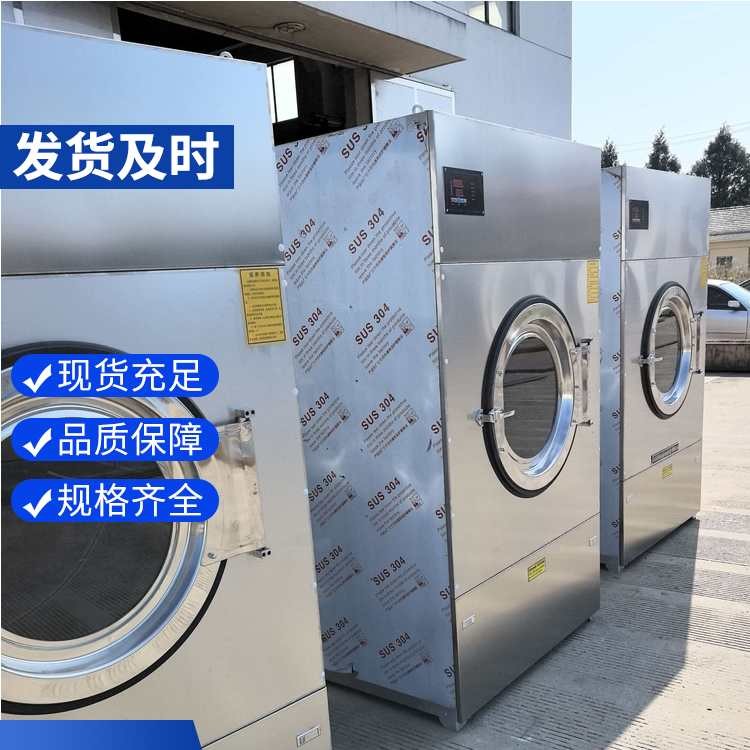
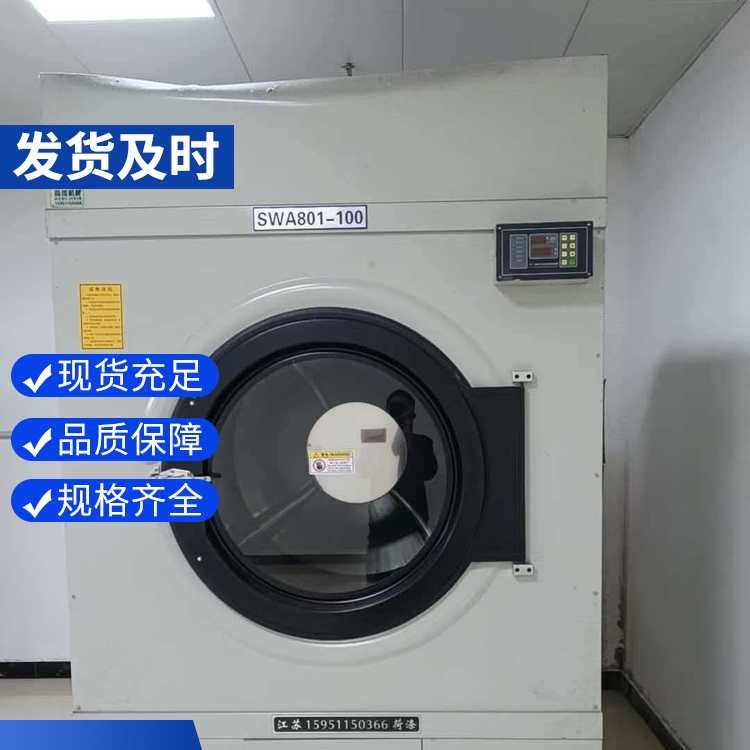
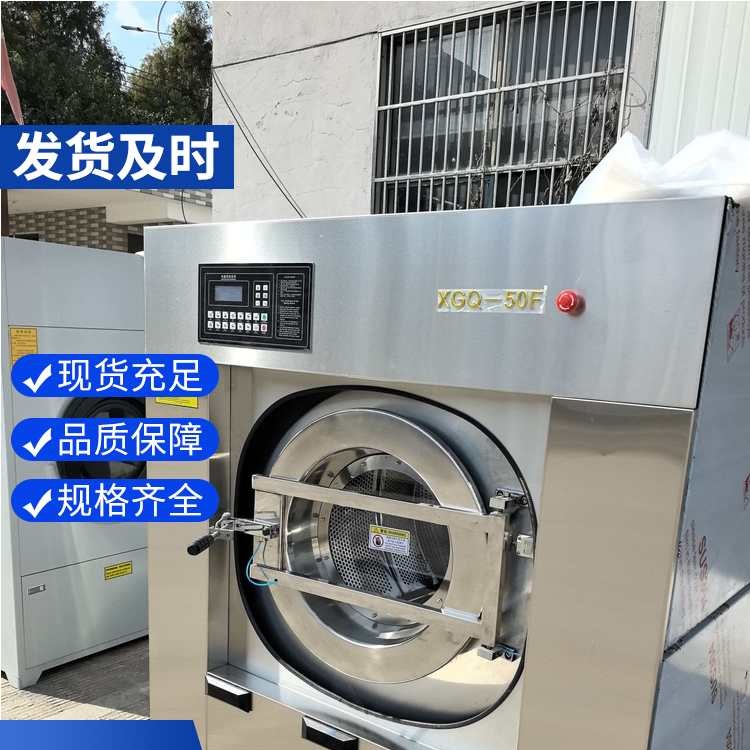
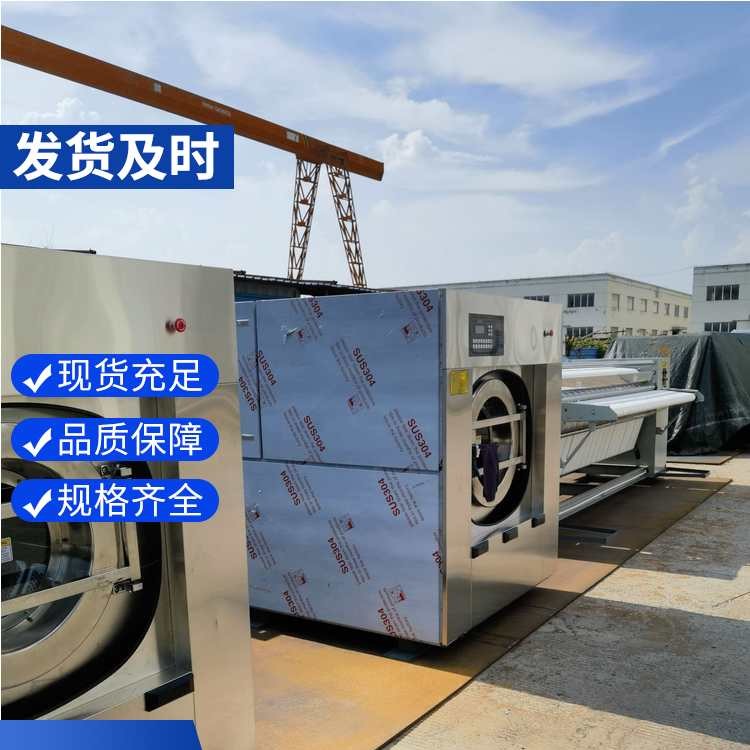
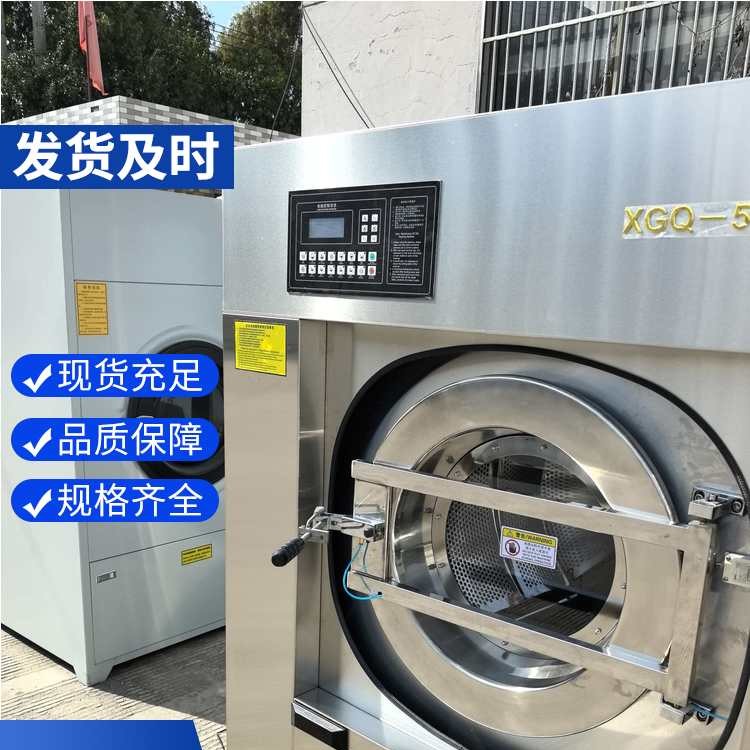
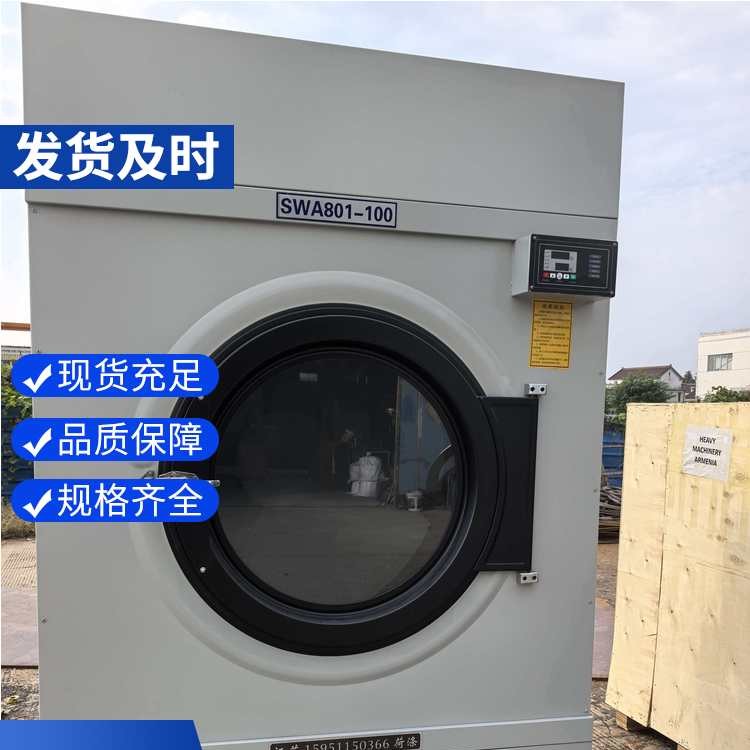
After a week of systematic negotiations, the procurement of laundry equipment for the laundry room of a certain traditional Chinese medicine hospital in Liaoning Province has been successfully completed, marking the standardization of our company's aerospace medical laundry equipment series. The bidding process was quite challenging, involving multiple rounds of professional negotiations, from technical comparisons of laundry equipment to subsequent pricing, we have achieved greater professionalism and feasibility, and provided a satisfactory solution for the buyer. Relying on the reliable quality of our aerospace medical laundry equipment over the years, a solid foundation was laid for the successful bid. This time, the hospital purchased a set of medium-sized hospital laundry equipment, specifically: one 30 kg medical washing machine, one 50 kg medical washing machine, one 50 kg medical dryer, and one flat iron for sheets and pillowcases. As the hospital has only about 300 beds, we calculated based on 70% of daily washing needs, leading to the above laundry equipment models. Hospital laundry equipment is generally equipped based on the daily washing volume, and customers should have detailed communication with the manufacturer before purchasing.
Hospital laundry equipment has gained prominence as one of the main procurement items for logistics departments in major hospitals in recent years. Its ability to quickly wash, dry, and disinfect hospital bedding and staff uniforms has garnered widespread attention. In the days before professional medical washing machines, hospitals could only rely on regular washing machines for a simple wash of various linens, lacking the ability to sterilize, and thus failing to meet the sterile standards of the medical system. Our company's fully automatic medical (disinfection) washing machines have completely changed the status quo, leading hospitals on the right path for laundry care. With a vast territory and a large population, the eastern regions are more economically developed, and the medical equipment purchased by hospitals is also relatively advanced, with the use of fully automatic medical disinfection washing machines dating back many years. In remote areas of the west and the mountainous regions of southwest China, some hospitals have even never seen a medical washing machine, continuing to use traditional household washing machines for a simple wash of medical linens without any disinfection steps. This has resulted in hospital linens and bedding not achieving sterile conditions, and in severe cases, even exacerbating patients' conditions. In recent years, our company has participated in various medical equipment exhibitions, introducing our new medical washing machines to regional equipment suppliers, who then visit remote hospitals to promote our products, enabling more hospitals to adopt the genuine fully automatic medical disinfection washing machines.
Currently, the market is flooded with counterfeit medical laundry machines, which are generally industrial washers produced by machinery factories. Amateurs can hardly tell from the outside whether they are medical laundry machines; it's only when the casing is opened and the interior is inspected that it becomes clear. Genuine fully automatic medical disinfection laundry machines come with imported disinfection units that can sterilize both the washing water and the laundry during the cleaning process, resulting in cleaner laundry and greater peace of mind for patients. Therefore, when purchasing medical laundry machines, it's essential to check if they are produced by a medical equipment manufacturer. In the past few years, semi-automatic medical laundry machines were more commonly used in hospitals, which are only capable of washing but not drying, let alone disinfection. After washing, staff had to remove the laundry, dry it in a separate dryer, and then proceed with the drying process, which was not only麻烦 but also time-consuming. With the advent of fully automatic medical laundry machines, this inconvenience has been resolved, and now a unified operation is possible. All that's needed is to pre-program the required washing cycle on the front control panel of the medical laundry machine, and the hospital's washing equipment can automatically perform washing, drying, and disinfection functions, making it convenient and quick! Depending on the hospital, the model of medical laundry machine needed for purchase will naturally vary. We currently offer four specifications (20 kg, 30 kg, 50 kg, 100 kg) for your selection. For rural health centers with few beds, a 20 kg fully automatic medical disinfection laundry machine is sufficient; for county central hospitals with more beds, a 30 kg or 50 kg model is suitable; for urban hospitals, which typically have over 500 beds, we recommend a 100 kg fully automatic medical disinfection laundry machine, which is generally capable of handling the daily laundry cleaning tasks of various hospitals. Prices for different models will vary, so it's advisable to get quotes from several suppliers before purchasing to secure a reliable sales price. Our aerospace-produced medical laundry machines are sold directly by the manufacturer, with no agents, ensuring a uniform price. Shipping costs may vary depending on the distance, and the specific amount will be determined by the logistics company's quote. For example, a 20 kg fully automatic medical disinfection laundry machine is priced at 23,000 yuan (including an imported disinfection control unit). This price includes free on-site guidance, adjustment, training, and one-year full machine warranty service across the country.
I'll now explain the model and features of the aerospace fully automatic hospital laundry equipment, hoping you won't be misled when making your purchase. Taking the 20-kilogram medical washing machine as a reference, its washing capacity is 20 kilograms, and the linen loading capacity should not exceed or be less than 10% of that. Too much or too little will affect the washing effect. The dimensions are: 1.25m in length, 1.06m in width, and 1.6m in height, with a total weight of 400 kilograms and a motor power of 2.2kw. It is equipped with an imported high-density disinfection control unit internally, capable of completely sterilizing 99% of pathogens. I would like to remind all buyers again, when choosing an automatic medical disinfection washing machine, make sure to choose a medical equipment manufacturer, and never use industrial washing machines!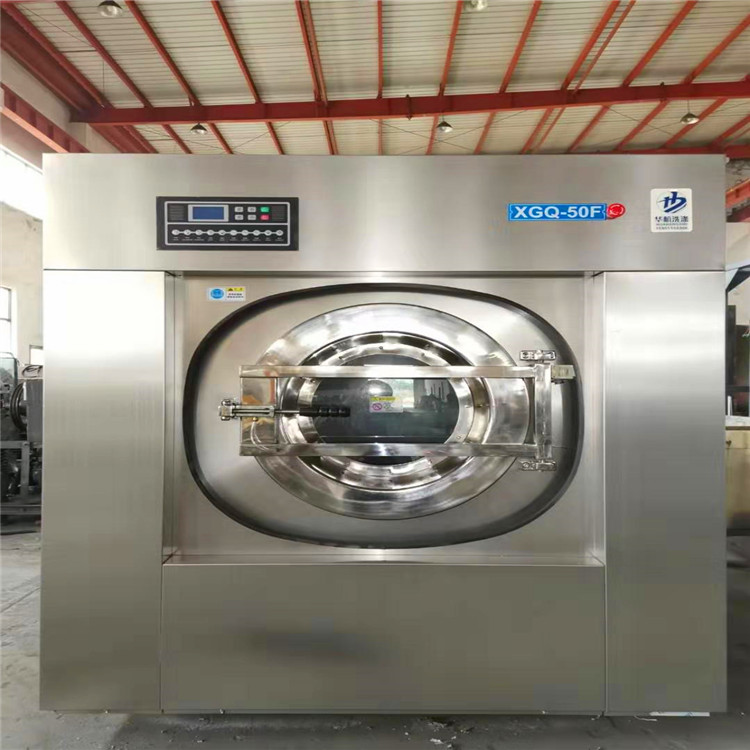
Without industrial medical washing machines, hospitals might not seem as clean. The primary function of industrial washers is to clean large quantities of clothing. While many might consider this function unnecessary, with the numerous public institutions today, each requires a medical washing machine to assist in laundry. Next, I'll share relevant information. In hospitals, not only do they need to wash work uniforms, but also patients' gowns, bedding, bandages, and more. It's simply unrealistic to clean these items manually. The ability to wash in large volumes is an advantage and characteristic of industrial washing machines, as this service is needed in certain fields, leading to the development of such industrial washers. Therefore, the application of hospital laundry equipment in production and life will continue to increase.
Selection Methods for Hospital Laundry Equipment Suppliers: Currently, there are hundreds of manufacturers providing laundry equipment across the country, not including foreign brand agents operating within China. Among these hundreds of companies, there are well-established large-scale producers, as well as only a few small workshop enterprises. The quality of laundry equipment produced by companies with different strengths varies greatly. The quality of the laundry equipment directly impacts the smooth operation of your subsequent laundry processes. Therefore, we must make great efforts in supplier selection. 2. The initial scale of the hospital laundry room is determined, and the quantity of laundry per day is closely related to the laundry scale itself. The direct factors determining the laundry room size are the owner's financial resources and the number of customers. Therefore, to ensure our own interests, we must determine the size of the laundry room at the initial stage of laundry. 3. Wastewater Discharge: The reason for separating wastewater is that laundry shops need to discharge a large amount of laundry wastewater daily. Although most of this wastewater is degreased sludge water and won't cause severe environmental pollution, it is strictly prohibited in many places. The cleaning room requires filters, sedimentation tanks, and explosion tanks for wastewater treatment. Therefore, we should consult relevant departments in the early stage of laundry room construction, based on their facility construction standards, to prevent serious issues of being shut down after opening. 4. Standardization of Hospital Laundry Equipment Design? To achieve high efficiency, we need not only a set of high-quality hospital laundry equipment but also scientific placement. How to position washing machines, dryers, ironers, folders, and sorting equipment, the distance between them, the installation of drainage and intake pipes, and the rational use of gas, electricity, and water all directly affect the subsequent operational capabilities of laundry.
Clean and environmentally friendly across various fields, the hospital washing machines currently in use are mostly fully automated, reducing the hassle of operation. Many of these machines also feature fabric maintenance functions, primarily used in sweater fabric processing, causing no further damage to the fabric. Therefore, they are an indispensable laundry equipment in the industry. Divided into two main categories based on different needs: hospital washing machines and fully automatic spin dryers. In specific applications, there are also suspended fully automatic washing machines, bedsheet folding machines, ironing machines, and a series of cleaning equipment. Operation is simple and does not require expertise, and the prices ensure high-quality products at affordable rates.
When selecting medical laundry machines with different performance and design specifications, the following principles must be adhered to for the procurement of these industrial equipment: the materials must be chosen for green, all-purpose designs to avoid increasing processing costs and design expenses, while also accommodating changes in the usage functions of various models. From an energy and water-saving perspective, heavy-duty industrial washers consume more water, so these laundry equipment have a water and electricity balancing process. This allows for control over the cleaning degree of different garments, ensuring the quality and cleanliness of each piece. The moisture content during use has also been improved; since all garments have different absorbency, the water after drying isn't wasted. To reduce hospital laundry equipment usage and save water, filters have been added, making all the water from the drying process reusable after filtration. This not only saves production costs but also increases the sales volume of industrial washers.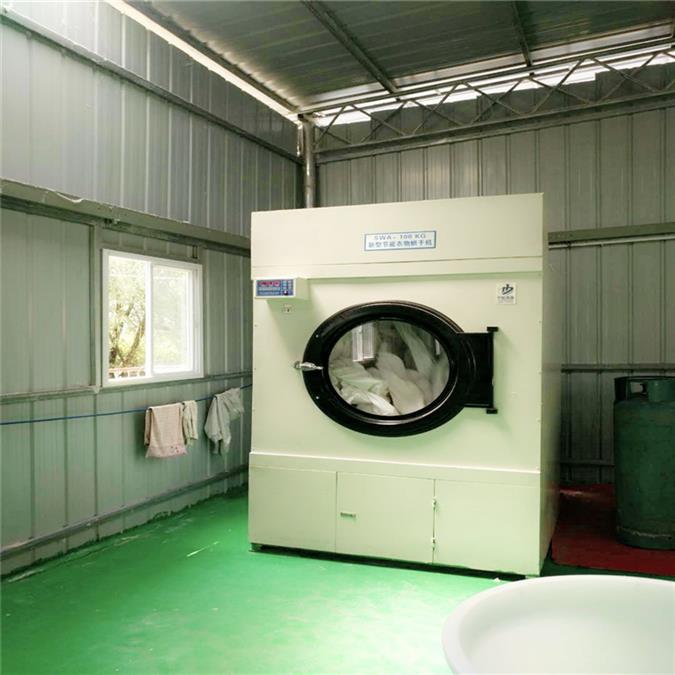
Hospital laundry room construction should initially plan the functions of each part. The contaminated area is for linen collection, sorting, and washing, while the clean area is for drying, disinfecting, and post-processing of washed linens. A well-defined classification system can make linen washing safer and cleaner. The laundry room must have good ventilation, which is also beneficial for the laundry equipment. The process from soiled linen to clean linen should not be reversed, and all signs should be properly posted, with linens arranged in designated areas. The hospital laundry equipment factory process: The washing process for collected linens is immediate collection, transportation, sorting, washing, drying, folding, storage, and use. Any issue at any step can affect the final result. Microbial contamination risks should be analyzed for each step, and hazard control points determined to eliminate and reduce risks. After transportation to the laundry room, disinfection must be done before cleaning. Disinfection uses chlorine-containing disinfectants, with immersion time exceeding 30 minutes. The effective chlorine content for general items is ≥500mg/L, and for contaminated items, ≥2000mg/L. Boiling time is 20-30 minutes, and the washing time for detergents is 1 hour. Cleaned clothes are dried and folded using specialized equipment, stored in a clean and dry place, and transported in a sealed manner upon distribution to avoid contamination. If cleaned clothes are suspected of being contaminated, they should be washed again.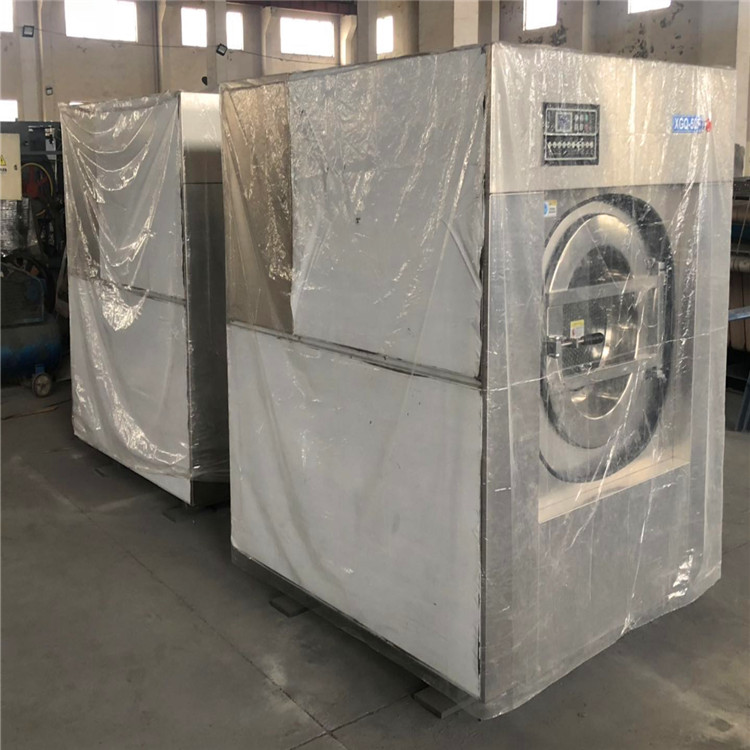
The hospital laundry room is located on the ground floor below the outpatient, medical technology, and inpatient complex, adjacent to the disinfection supply center. The area composition mainly includes: the area used by hospital laundry equipment, staff working area, transportation corridor area, waste storage area, clean storage area, auxiliary equipment area, and staff rest/dressing area. As the medical textiles washed and disinfected in the laundry room are not only used by the entire hospital but also supplied to other hospitals in the area, an auto entrance and exit has been set up in the contamination and clean zones of the laundry room. Clean textiles for external hospitals are transported out through the clean zone exit, while used textiles are brought into the contamination zone within the laundry room through the entrance set up in the contamination zone. Due to the close connection between the laundry room and the outpatient, medical technology, and inpatient departments, clear traffic routes should be established, with clean and contaminated areas separated. The hospital has a shared clean elevator in the clean zone of the laundry room leading to the导管 room, operating room, and inpatient wards on the floor above, delivering clean work attire, bedding, and surgical dressings to these departments. A waste elevator in the contamination zone collects used textiles and surgical supplies from the operating room,导管 room, and inpatient wards for washing. Key points of the first-level process: ① To avoid the laundry room's daily operations affecting the normal operation of the hospital, the laundry room is independently located on the ground floor below, away from the patient areas; ② Since the surgical supplies (surgical drapes and caps, etc.) disinfected and washed in the laundry room need to be transported to the disinfection supply center for sterilization, the laundry room should be located near the disinfection supply center.
-/gbaacaf/-