















1: Introduction to Power Plant Steel Grating Plates
Flat steel is selected from hot-rolled flat steel or hot-rolled or cold-rolled steel strips produced by longitudinal shearing. The dimensions of flat and I-shaped flat steel meet the tolerances as specified in YB/T4001.1-2007. Toothed flat steel is made from hot-rolled flat steel or hot-rolled or cold-rolled steel strips that have been longitudinally sheared and toothed. There must be at least 5 teeth per 100mm.
Two: Power Plant Steel Grating Surface Treatment
Special steel grating for power plants can be hot-dipped galvanized, cold-dipped galvanized, painted, or untreated. The hot-dipped galvanizing process is slightly more expensive but offers excellent corrosion resistance and is commonly chosen. Cold-dipped galvanizing and painting are prone to rusting in humid weather, and the surface treatment cost is lower, so such surface treatments are less commonly used.
3: Advantages of Power Plant Steel Grating Plates
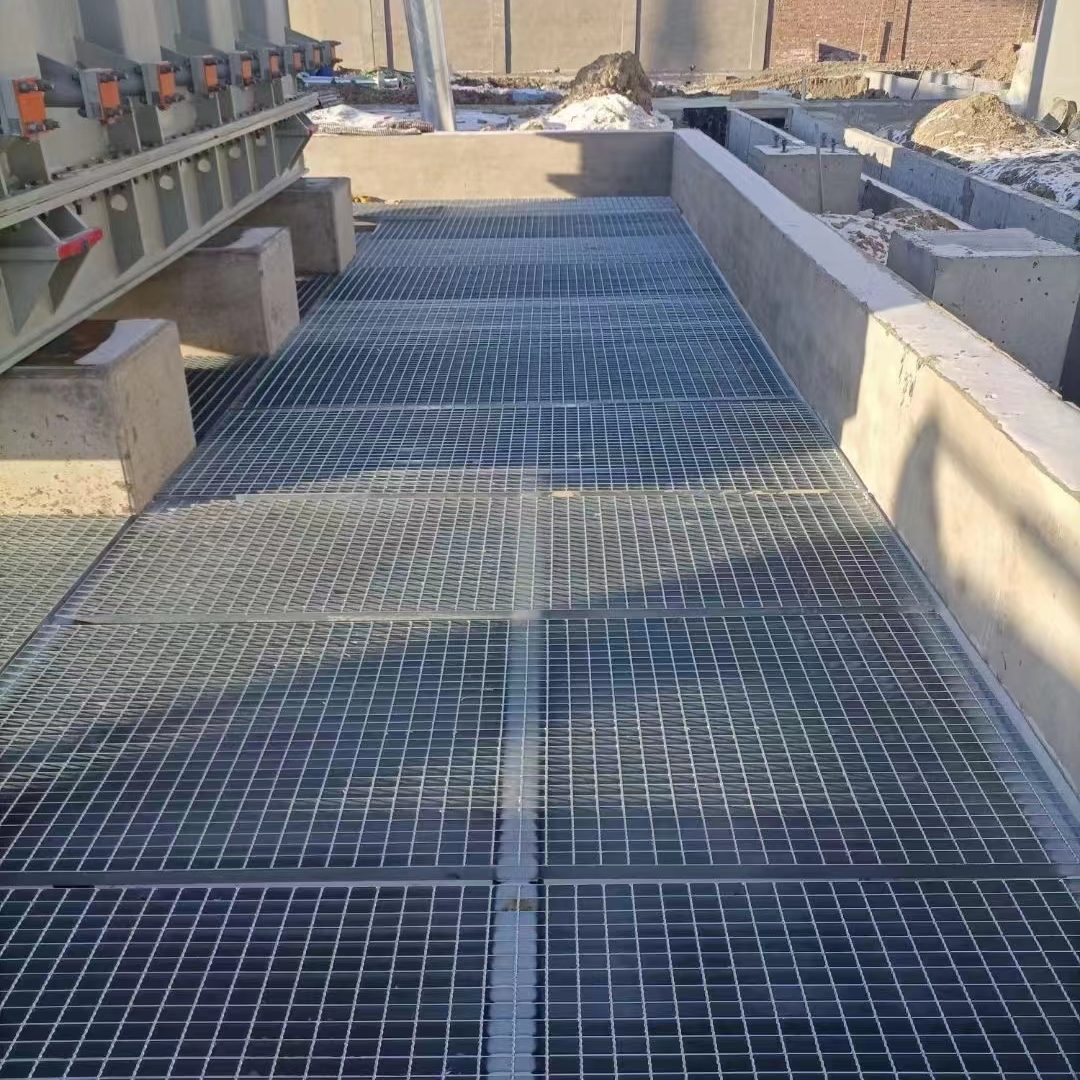
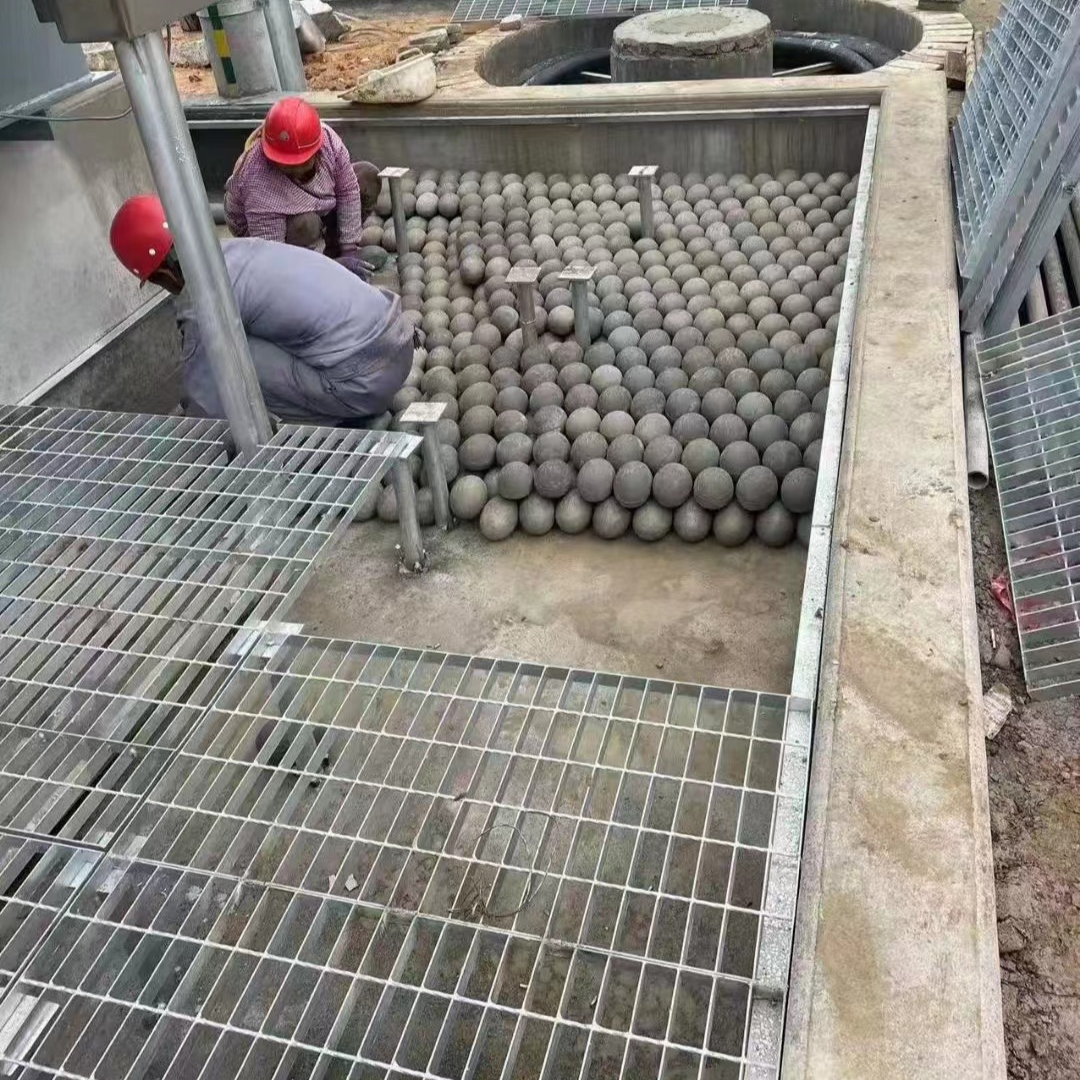
Outdoor steel structural platforms at former power plants were typically made of patterned steel plates, which easily accumulated snow in winter and removing the thick snow was a challenge. Steel grating is a newer, upgraded product that significantly reduces the need for manual cleaning. It also addresses the anti-slip issue of channels, making maintenance work safer. Kick plates (edge plates), patterned plate guards, and mounting accessories such as connectors can be added around the edges. Options include using flat steel strips of different sizes for edging, or using angle iron or channel steel for edging; handles and hinges can also be installed on steel gratings that need to be frequently moved or opened.