

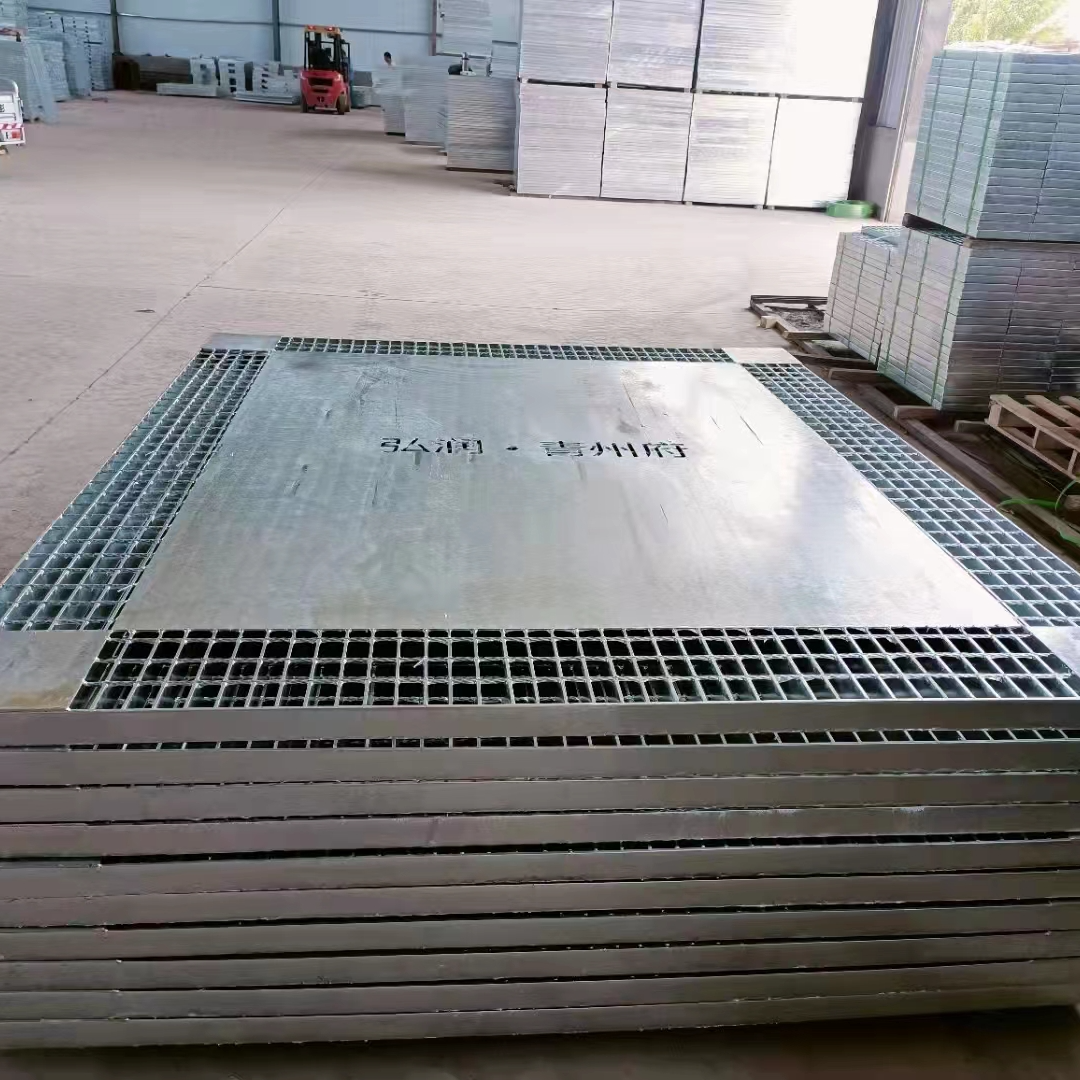
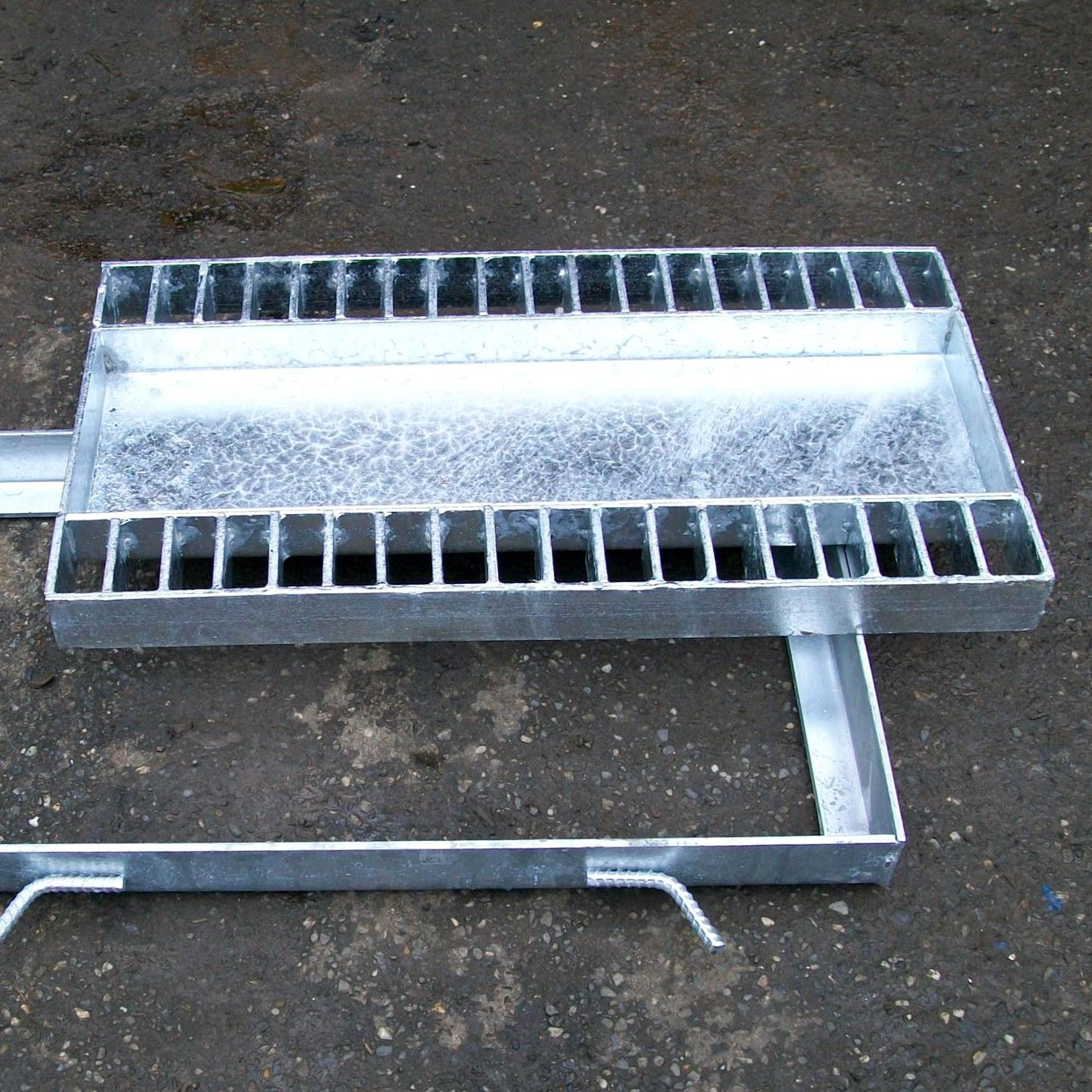














Composite steel grating is a composite material made by combining steel grating with patterned plate or other materials, featuring high strength, lightweight, anti-slip, corrosion-resistant, and ventilation with light transmission. It is widely used in industrial, transportation, municipal, and home decoration fields.The following provides a detailed introduction from five aspects: structure, characteristics, application scenarios, manufacturing process, and installation methods.
I. Structural Composition
Composite steel grating panels are typically made up of two layers:
1. Steel grating layersManufactured from flat steel and crossbars via welding or locking mechanisms, serving as the foundational structure, it provides the primary load-bearing capacity and structural support.
2. Composite surfaceThe steel grating surface is compounded with other materials through specific processes, such as patterned steel plates, anti-slip rubber, and fiberglass. The thickness of the patterned plates is typically 3mm, but can be customized to 4mm, 5mm, or 6mm to enhance anti-slip, wear-resistant, and corrosion-resistant properties.
II. Core Features
1. High strength and lightweightThe steel grating layers offer high load-bearing capacity, while the composite surface reduces the overall weight, facilitating transportation and installation.
2. Excellent anti-slip performanceThe raised patterns or the high friction coefficient of the rubber layer on the embossed board surface effectively prevent slipping and enhance safety.
3. Excellent corrosion resistanceThe steel grating layers are hot-dipped galvanized, and the composite surface materials, such as glass fiber, also possess corrosion resistance, making them suitable for humid, acidic, alkaline, and other harsh environments.
4. Good ventilation and lighting propertiesThe perforated design of the steel grating provides excellent ventilation and light transmission, meeting the indoor ventilation and lighting requirements.
5. Easy to clean and maintainSmooth surface, resists dirt and dust accumulation, easy to clean, and extends service life.
6. EconomicalPriced relatively low, with a long service life, it's an economical and practical material choice.
Section 3: Application Scenarios
1. Industrial SectorFor use in industrial areas such as chemical, power, and steel plants, on floors, steps, walkways, and driveways, to bear the weight of heavy equipment and goods, while providing anti-slip and corrosion-resistant properties.
2. Transportation SectorFor road, bridge, tunnel, ship, and other traffic engineering sites, such as pedestrian walkways on bridges and floorings at subway stations, meeting load-bearing and anti-slip requirements.
3. Municipal SectorSuited for paving in municipal projects such as parks, squares, parking lots, etc., including drainage covers for urban roads.
4. Home Improvement IndustryFor anti-slip on staircases, waterproofing in kitchens, and other home improvement scenarios, enhancing both safety and aesthetics.