

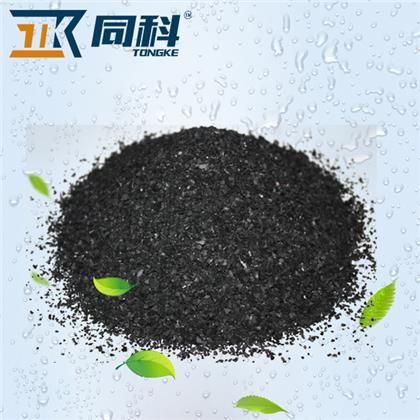
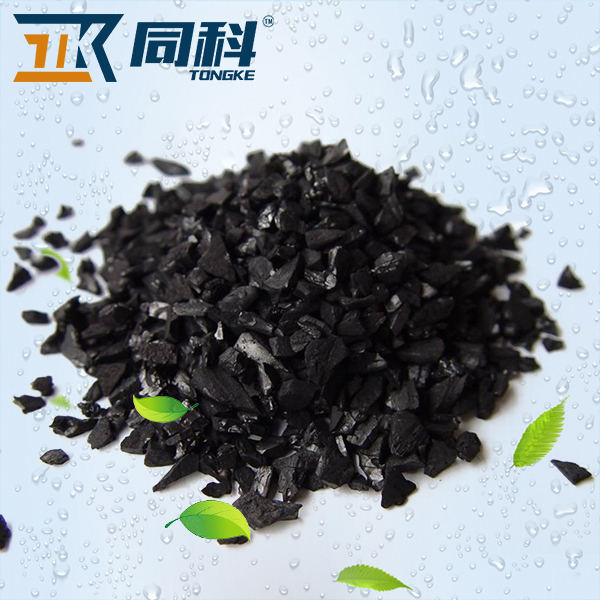





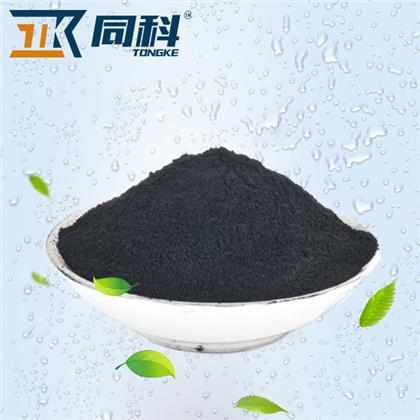
Features
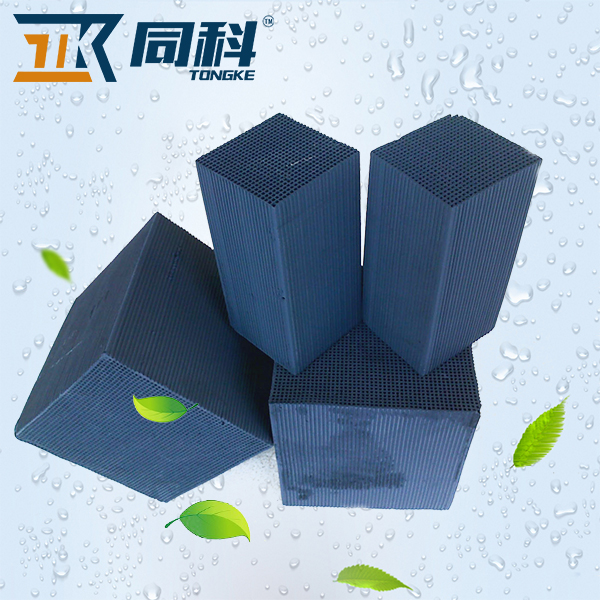
Honeycomb activated carbon features a large specific surface area, low pore resistance, well-developed micropores, high adsorption capacity, and a long service life. It is widely used in air pollution control. The honeycomb activated carbon adsorption method involves contacting the exhaust gas with the porous activated carbon with a large surface area, where pollutants in the exhaust gas are adsorbed and decomposed, thereby achieving purification.
Application
Honeycomb activated carbon is widely used in various gas purification equipment and waste gas treatment projects. Practical evidence shows that its purification effect is superior to that of ordinary activated carbon.
Technical Specifications
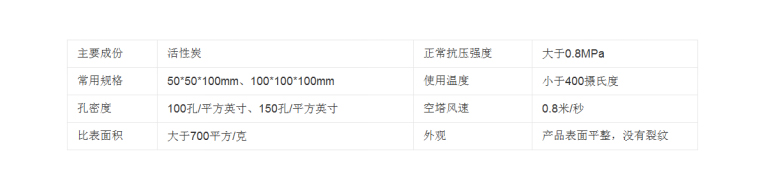
Instructions for Use
可直接 use or place in purification cabinets or adsorption beds. For high waste gas concentration and volume, alternating use of two purification cabinets and adsorption beds is recommended. During use, avoid excessive temperature, as it will reduce the adsorption capacity; adsorption capacity decreases with rising temperature. Also, avoid high dust and oil mist content, as tar dust mist can block the micropores of activated carbon, increase resistance, and decrease adsorption efficiency. If the environment contains a large amount of dense dust and tar, a preliminary dust removal filter should be installed to achieve the desired performance and lifespan.
Water-Resistant Honeycomb Activated Carbon
Honeycomb activated carbon, after water resistance treatment and secondary firing, boasts high strength and characteristics of resistance to water, strong acids, and strong alkalis. It is widely used in wastewater treatment, organic solvent recovery adsorption, and as a carrier for various catalysts.