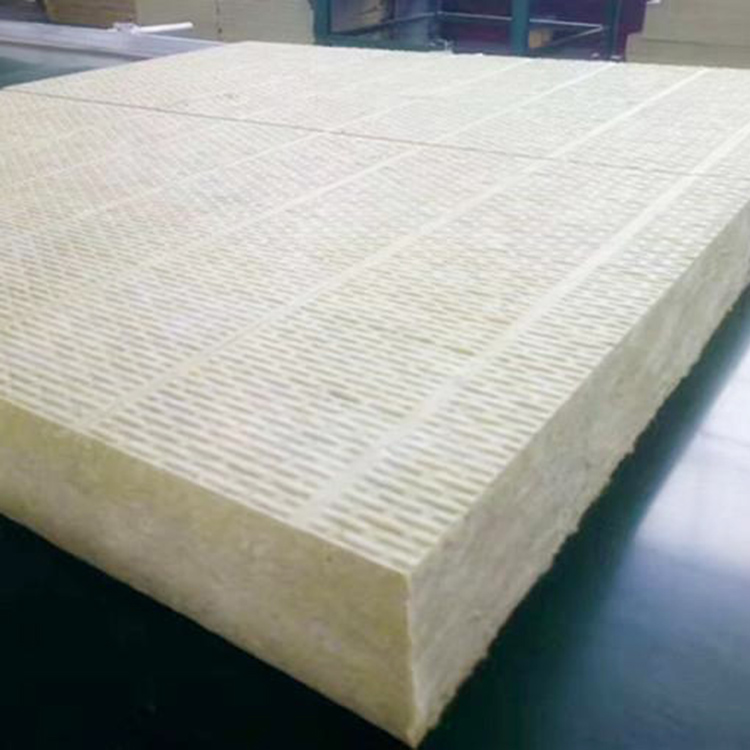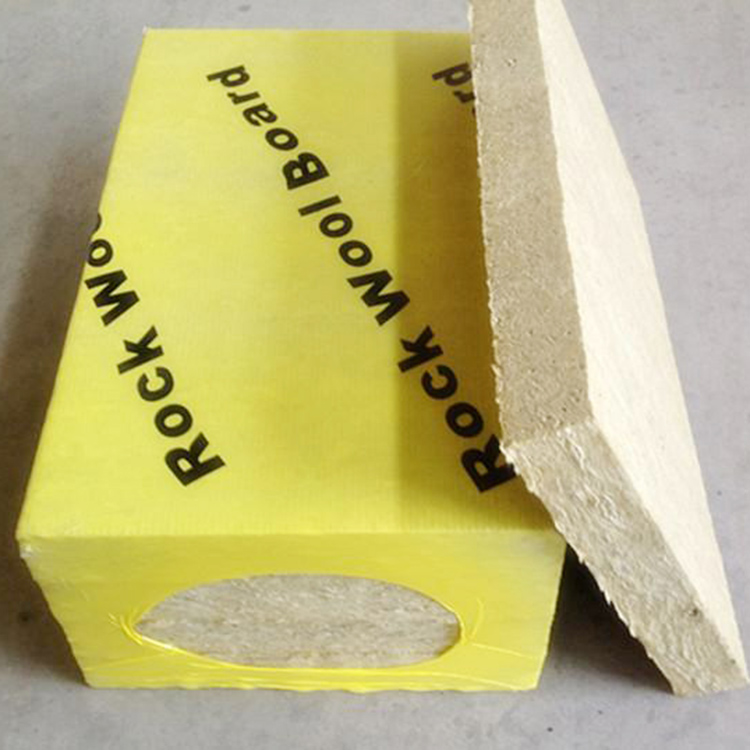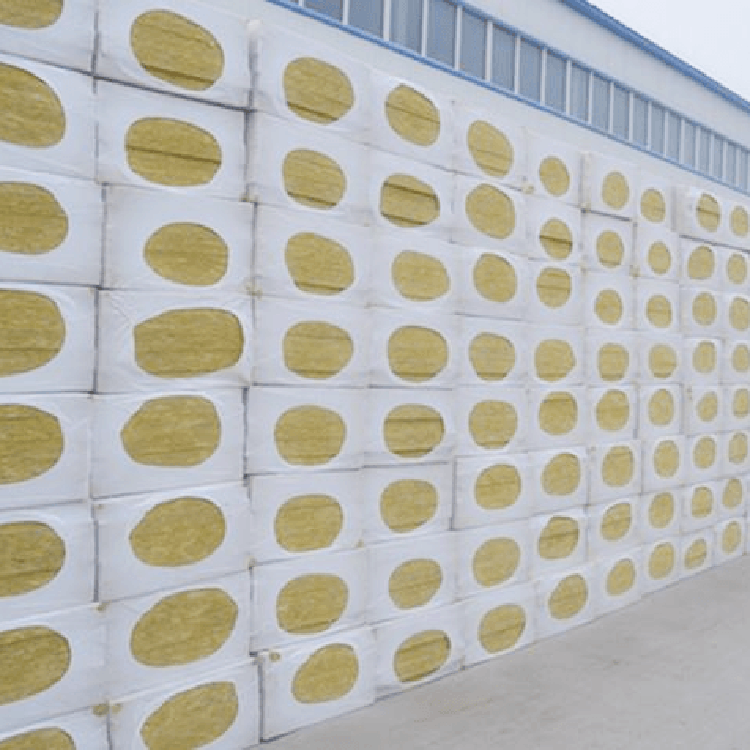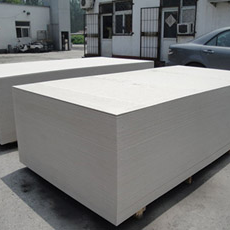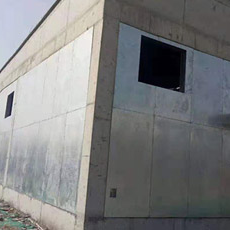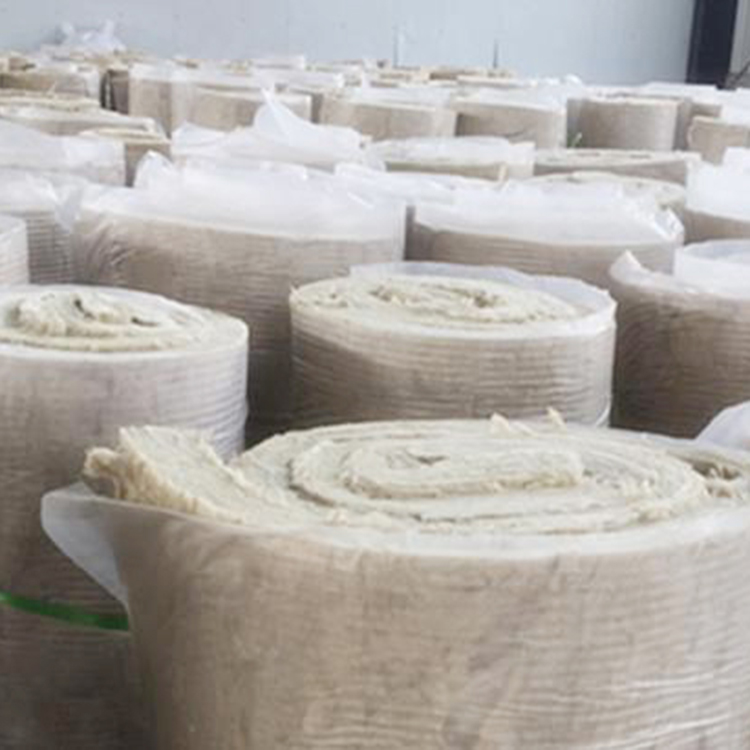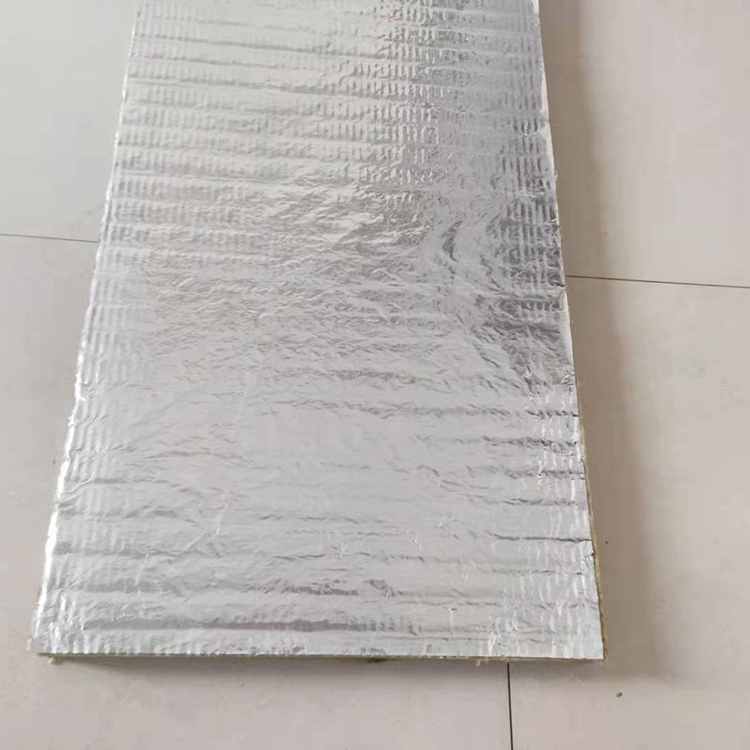


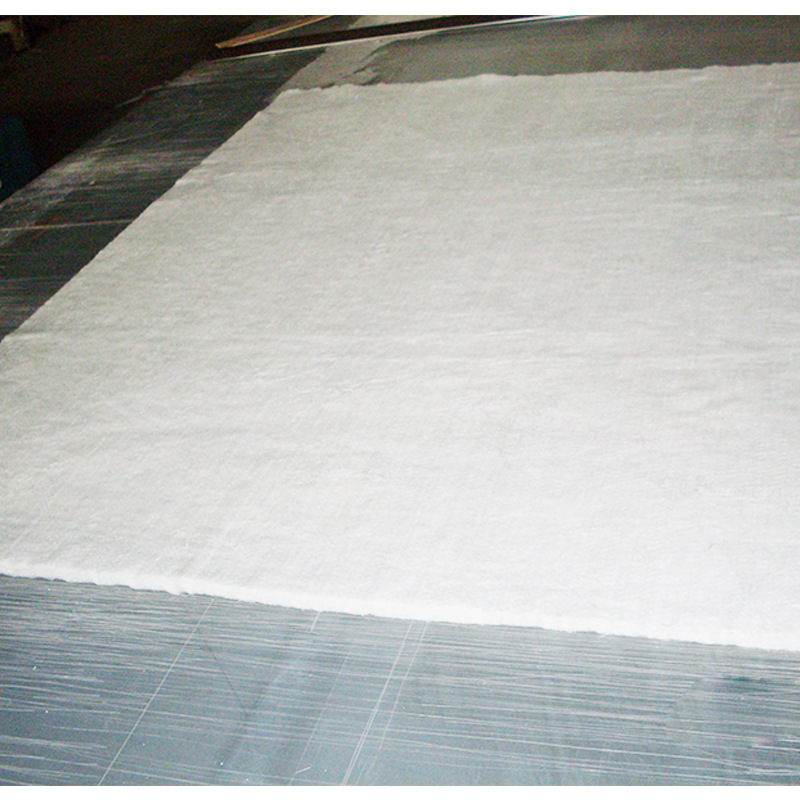
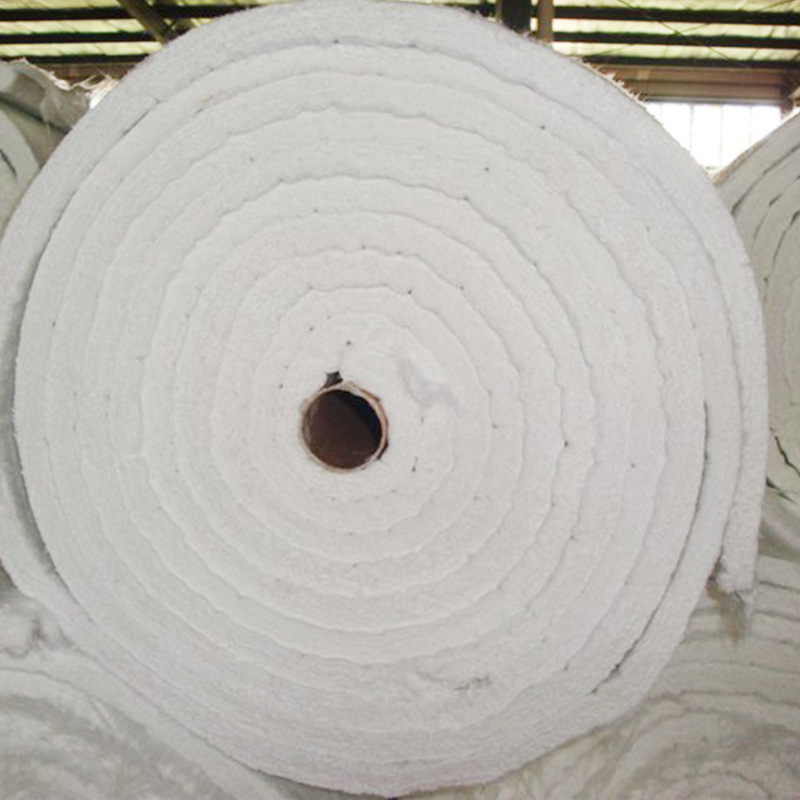
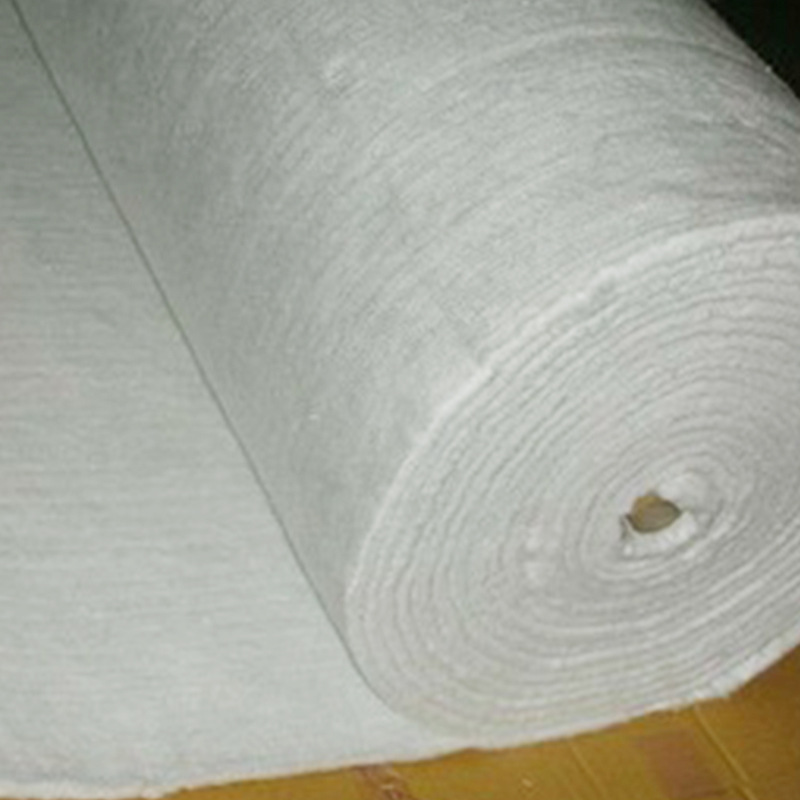
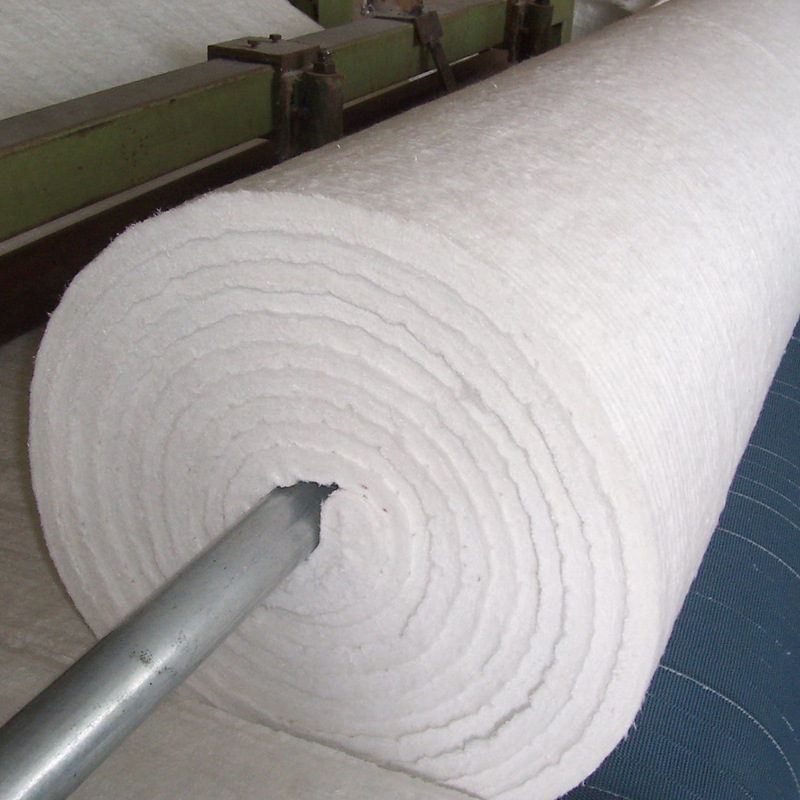
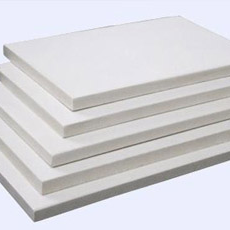





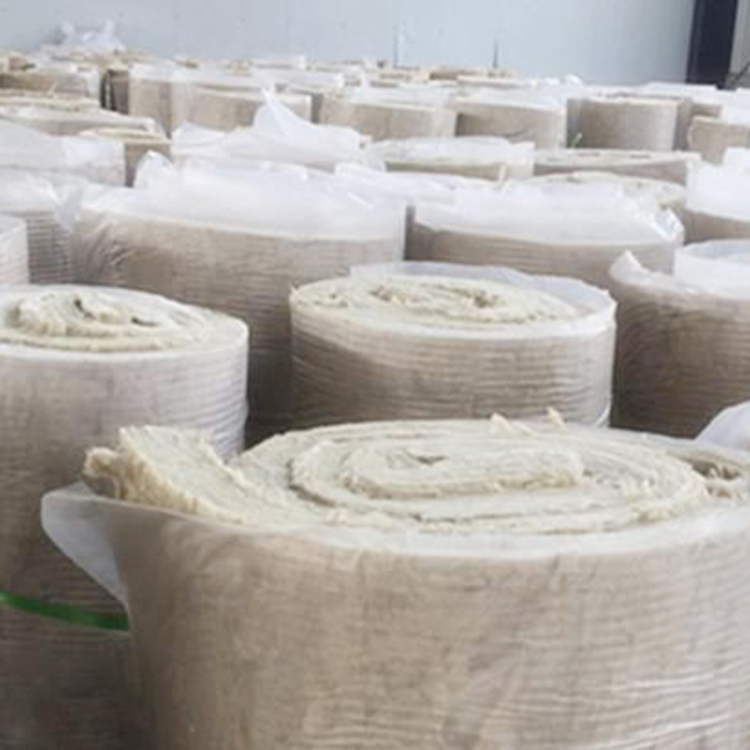
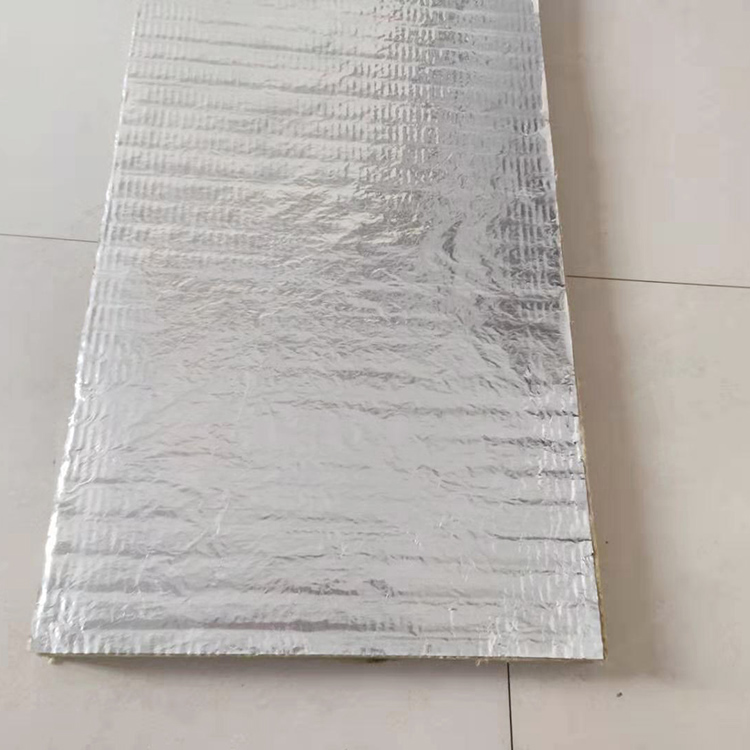
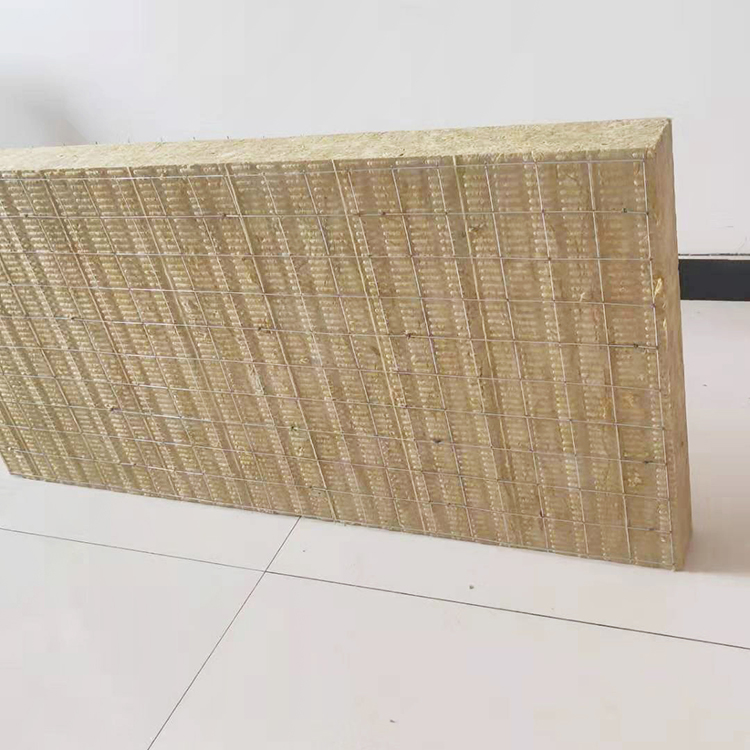
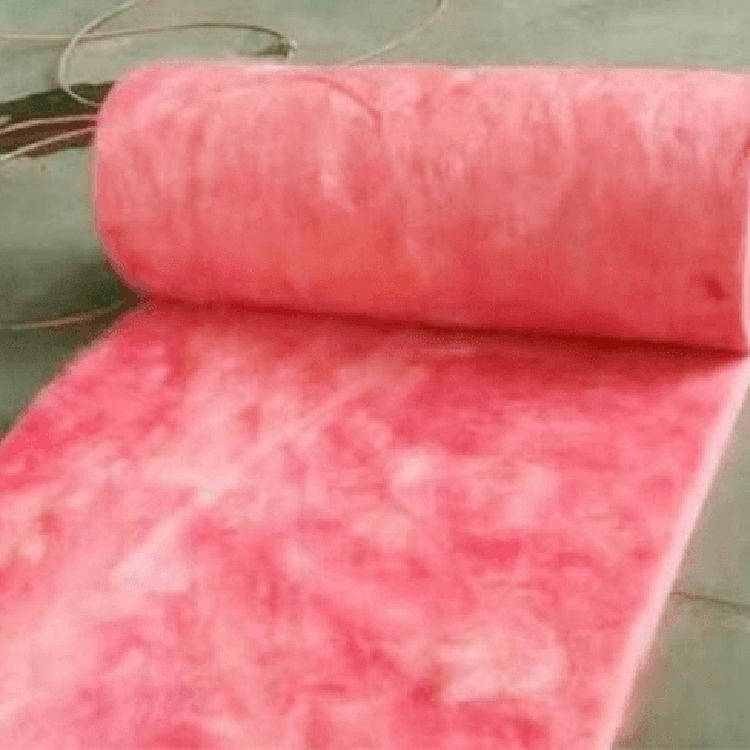
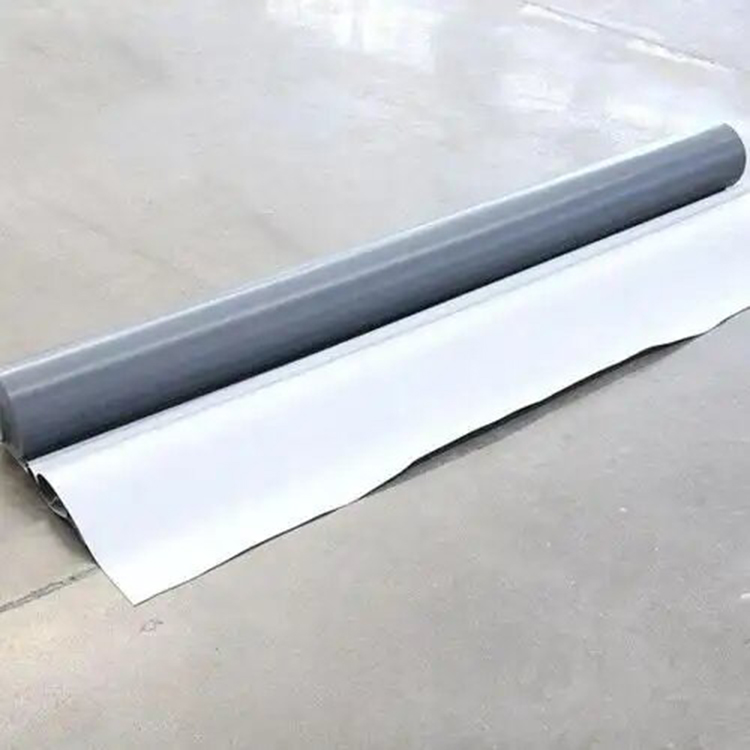
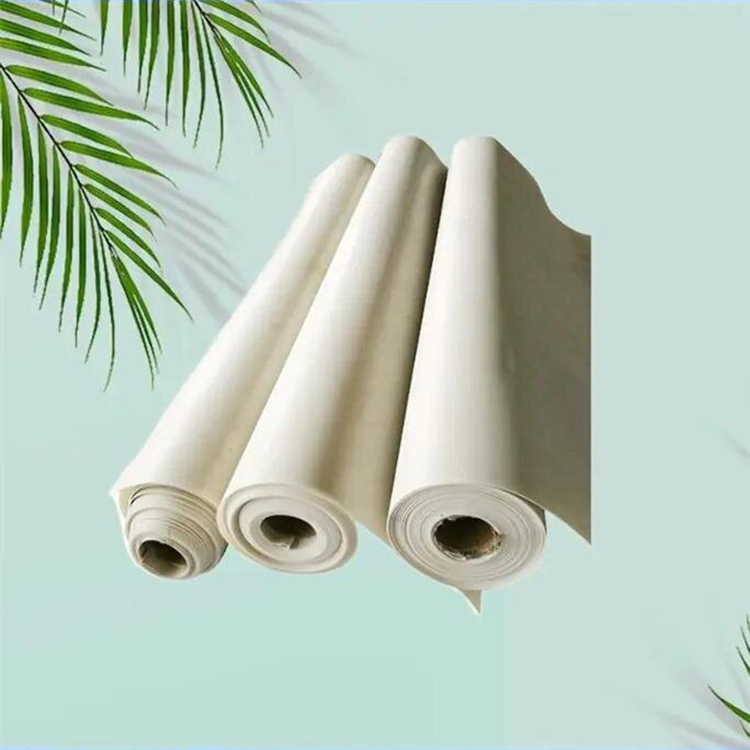
Rock wool board, also known as thermal insulation and decorative rock wool board, is an inorganic fiber board made by melting and processing basalt at high temperatures. It was successfully mass-produced in June 1981. Rock wool board is a new type of thermal insulation, fire-retardant, and sound-absorbing material.
Rockwool board features
Fireproof
The raw material for the exterior mineral wool board is natural volcanic rock, a non-combustible building material and fire-resistant material.
Key Fire Retardant Features:
⚪ High fire rating A1, effectively prevents the spread of fire.
The dimensions are extremely stable; they will not elongate, contract, or deform in a fire.
High-temperature resistant, melting point above 1000°C.
No smoke or burning droplets/particles produced in fire.
☉ Will not release harmful environmental substances and gases in case of fire.
Insulation and heat preservation
The exterior rock wool board features fine, long, and flexible fibers with low slag content. Consequently, it boasts a low thermal conductivity and excellent insulation performance.
Acoustic noise reduction
Rockwool is an ideal soundproofing material, with its large number of thin, long fibers forming a porous interconnected structure, determining that SikaRockwool is a sound-absorbing and noise-reducing material.
Hydrophobic
Water-repellent rock wool products achieve a water-repellency rate of up to 99.9%; low water absorption, no capillary penetration.
Moisture resistance
Rock wool has a moisture absorption rate of less than 0.2% in environments with high relative humidity. The quality absorption rate is less than 0.3% when tested according to the ASTM C1104 or ASTM 1104M method.
Non-corrosive
Rock wool has stable chemical properties with a pH value of 7-8, neutral or slightly alkaline, and is suitable for carbon steel and stainless steel.
Aluminum and other metal materials are all non-corrosive.
Safety & Environmental Protection
Rock wool is tested to be free of asbestos and harmful substances to the environment such as CFCs, HFCs, HCFCs, etc. It is not subject to corrosion or mold and bacterial growth.
WeChat Official Account

Scan to follow Official Account