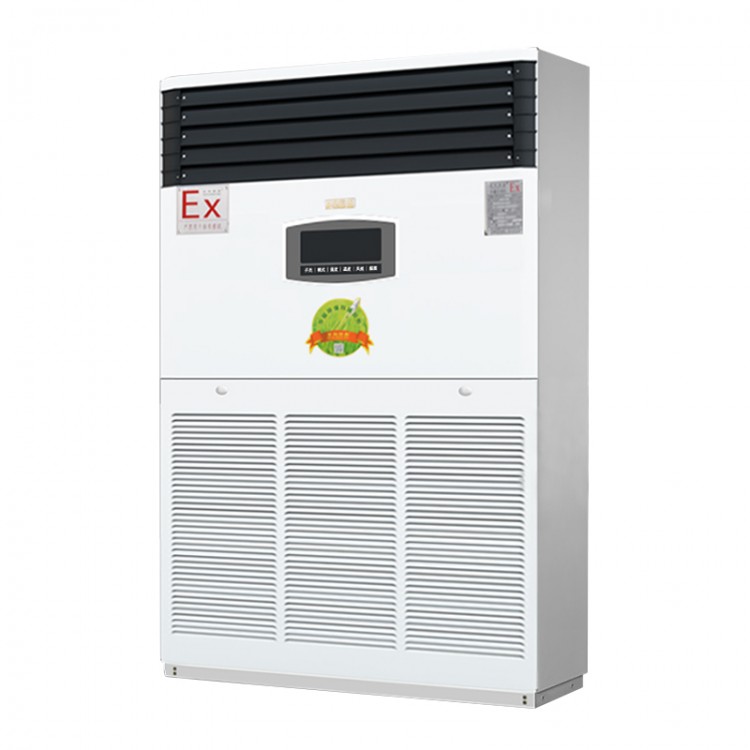









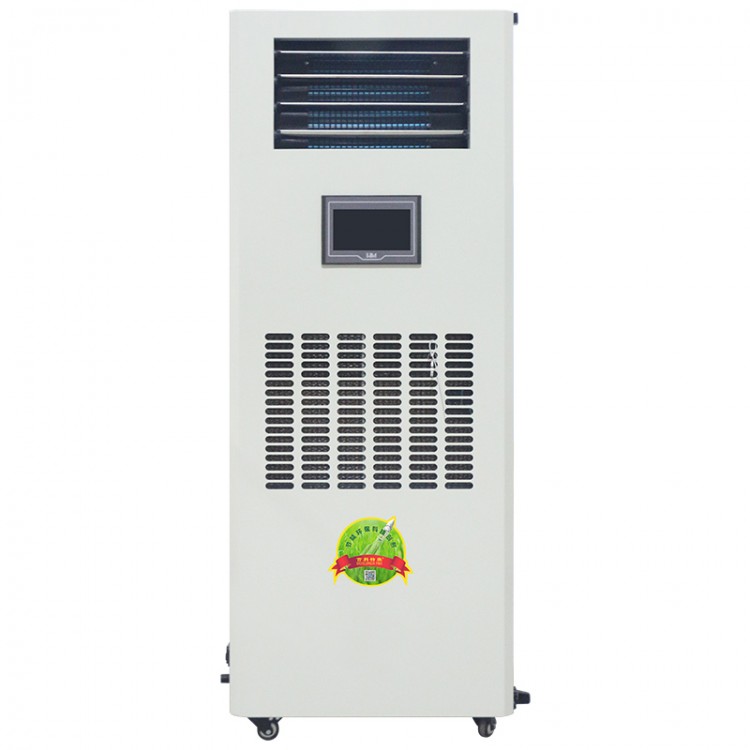
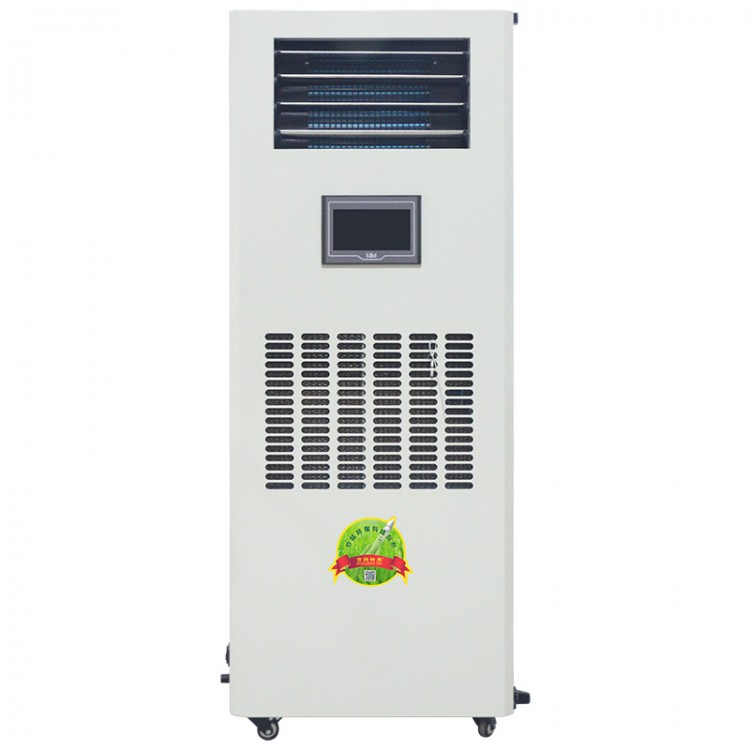


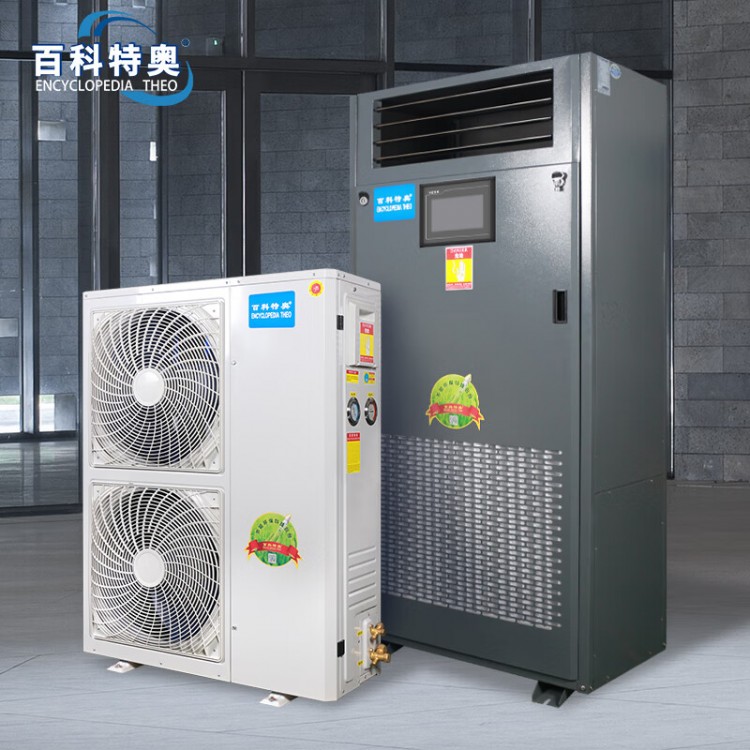

Nanchong Industrial Explosion-proof Air Conditioner 10P Industrial Explosion-proof Cabinet Air Conditioner Manufacturer BLF-28
Explosion-proof air conditioners are a specialized type of AC that can operate normally in harsh environments like high temperatures and high pressures, ensuring user safety.
1.Dual-protection fire and explosion-proof design
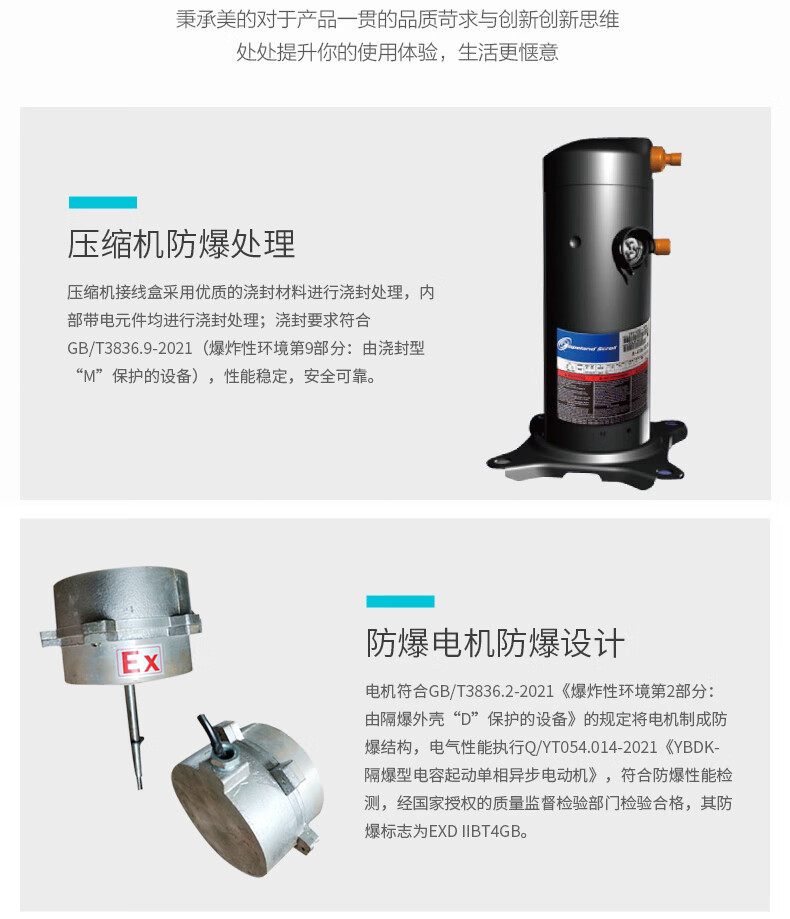
Explosion-proof air conditioners feature a dual-protection fire and explosion-proof design, with both the shell and internal structure capable of withstanding internal sparks or high temperatures, and preventing external fire sources from intruding. Multi-layer insulation ensures safety without worries.
2.Specialized processed electrical components
Explosion-proof air conditioners utilize specially treated electrical components for high efficiency and stability, ensuring safety without worry.
3.Refrigeration (Heating) Cycle System
Explosion-proof air conditioners utilize a stable refrigeration (heating) cycle system, enabling quick cooling and a spring-like warmth. Users can freely adjust the temperature to enjoy a comfortable air conditioning experience.
I. Composition of Explosion-proof Air Conditioners:
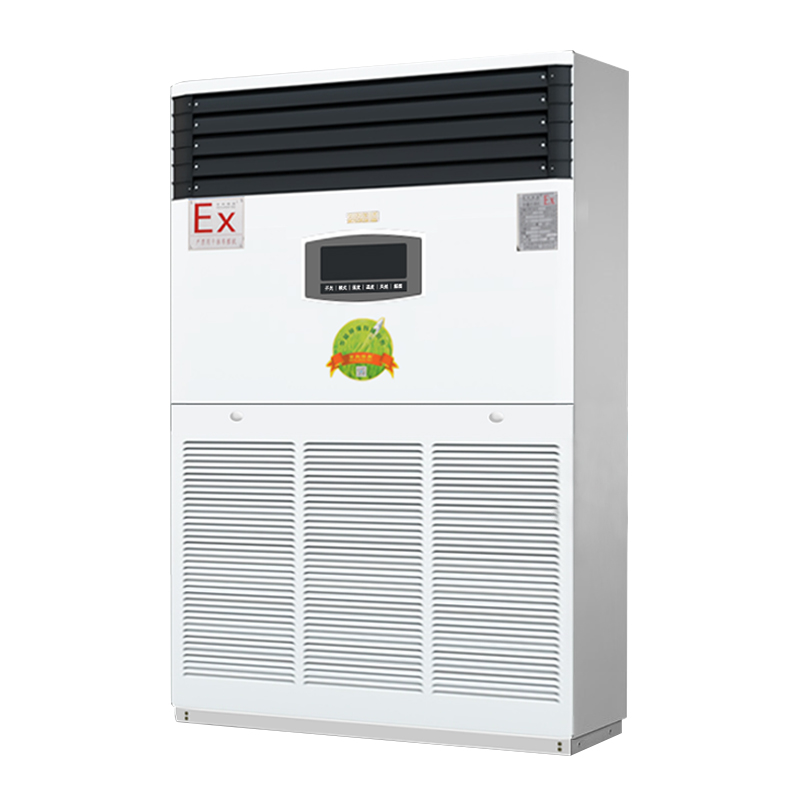
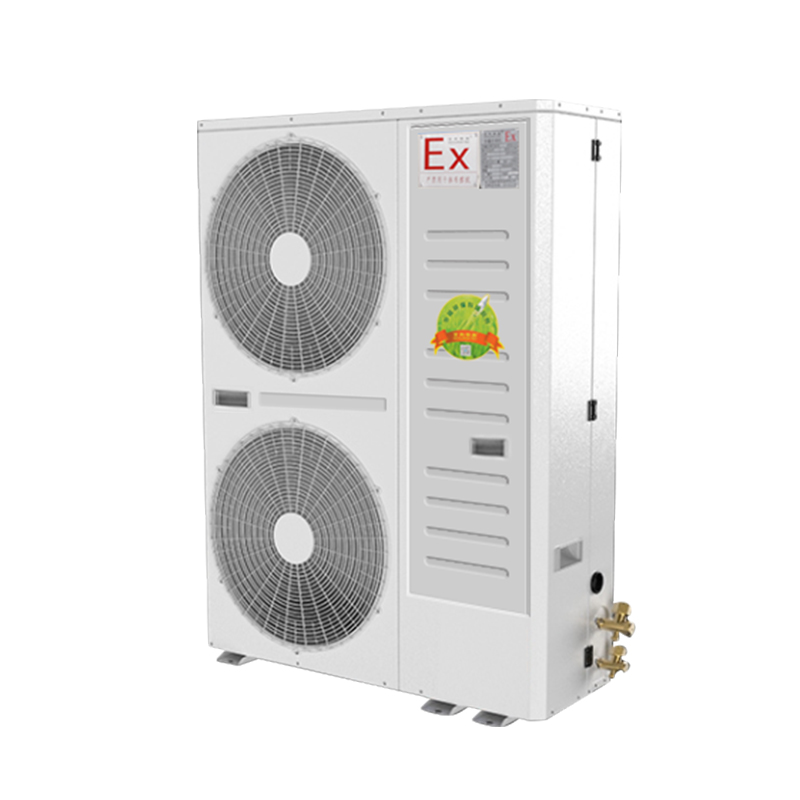
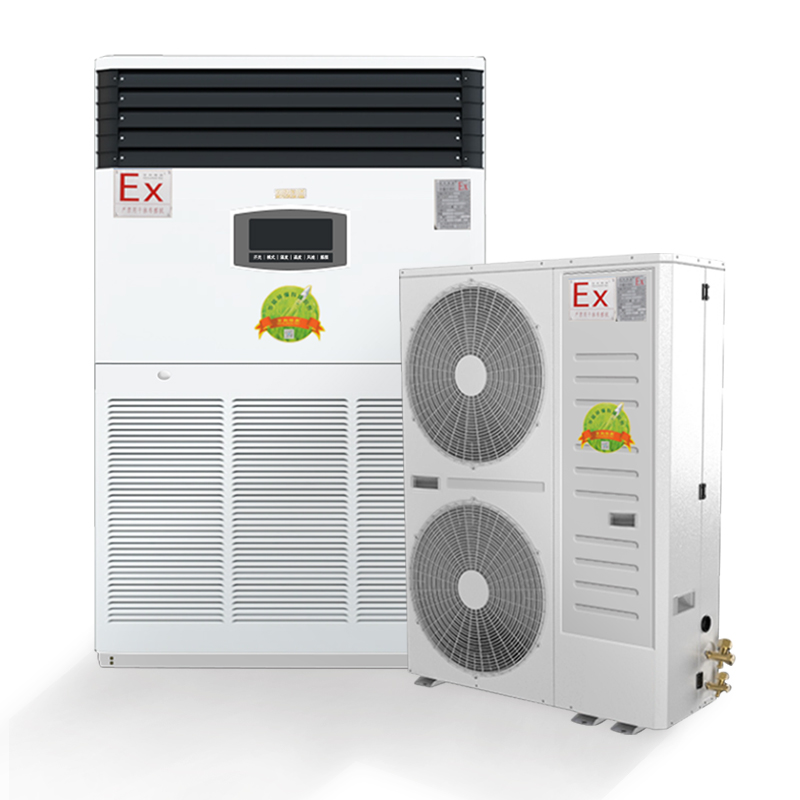
Explosion-proof air conditioners are not ordinary AC units; they are specialized electrical appliances for certain industries. These units offer cooling, heating, and automatic defrosting functions. However, the components such as compressors and fans are all specially treated for explosion-proofing. The composition includes the intake and exhaust air outlets, drain pipes, connecting tubes, and the outdoor unit, which is further made up of compressors, exhaust fans, heat exchangers, and capillary tubes.
Section II: Industry Applications for Explosion-Proof Air Conditioners:
Explosion-proof air conditioners are used in oil procurement sites, drilling platforms, chemical industries, oil depots, offshore platforms, refineries, coal mining, textile factories, toy factories, grain processing plants, gas warehouses, and more.

Features of explosion-proof air conditioners
1.Explosion-proof air conditioners feature comprehensive protection measures due to the use of composite explosion-proof stars and complete overheat and pressure protection, ensuring the entire unit is explosion-proof, offering enhanced safety and reliability during operation.
2.The compressors used in explosion-proof air conditioners are typically brand-name compressors, ensuring stable performance in both cooling and heating. Moreover, these units operate with minimal noise and have a longer lifespan.
3.The air conditioning control system is stable, allowing adjustments for both temperature levels and airflow volume. An explosion-proof air conditioner is a type of explosion-proof electrical appliance. Its compressor and other components have undergone special explosion-proof treatment. Its appearance and usage are similar to those of a standard air conditioner and are primarily used in flammable and explosive environments such as oil refineries, chemical plants, and oil storage facilities.
In summary, explosion-proof air conditioners and regular air conditioners differ significantly in design, catering to different environments and occasions. Explosion-proof units are primarily used in hazardous environments such as petrochemical, chemical, and mining industries, ensuring the safety of personnel. Regular air conditioners, on the other hand, are suitable for homes and offices, providing a comfortable indoor atmosphere.
Structure and Engineering Principles
This explosion-proof air conditioner is composed of an indoor unit and an outdoor unit connected by piping.
Air Inlet: Room air is drawn in here, and dust is filtered out through the air filter mesh.
Air outlet: Air is blown out here for adjustment.
Drain pipes: Excess moisture from the room condenses in the condenser, forming small droplets that are drained out through the pipes.
Connector pipe: The indoor unit and outdoor unit are connected by copper pipes, through which the refrigerant flows.
Outdoor Unit: The outdoor unit consists of a compressor, fan, heat exchanger, capillary tube (electronic expansion valve), and other electrical components.
Thermostat Switch: Controls power on/off, selects cooling or heating, and adjusts the set temperature to control indoor temperature. Air Conditioning Working Principle (Electric Heating or Heat Pump Type)