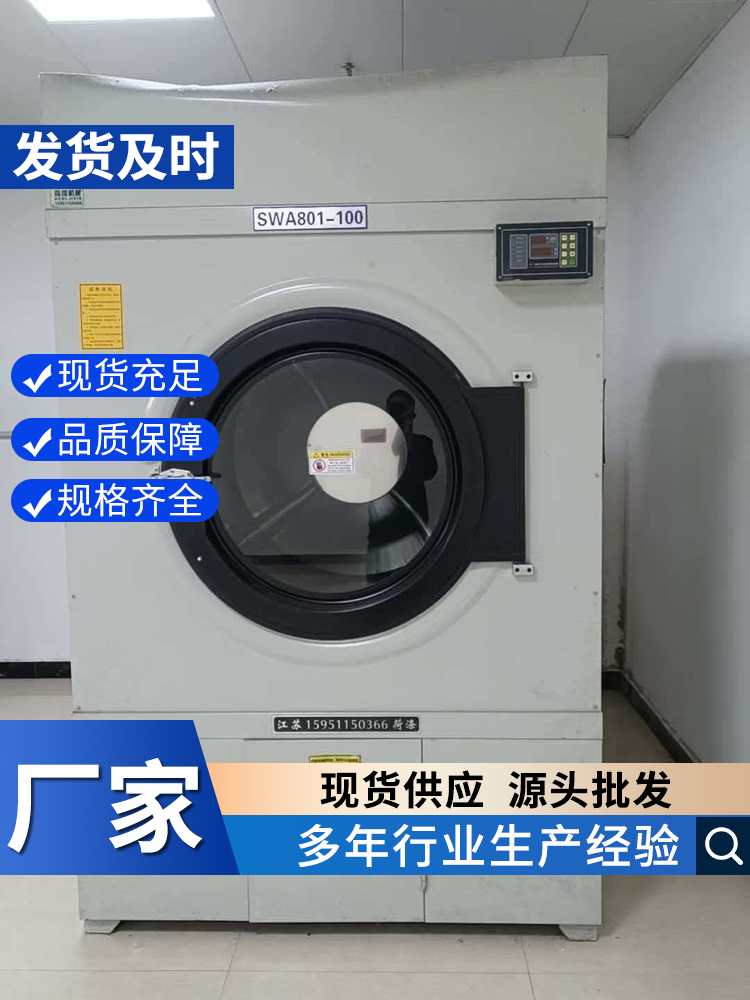









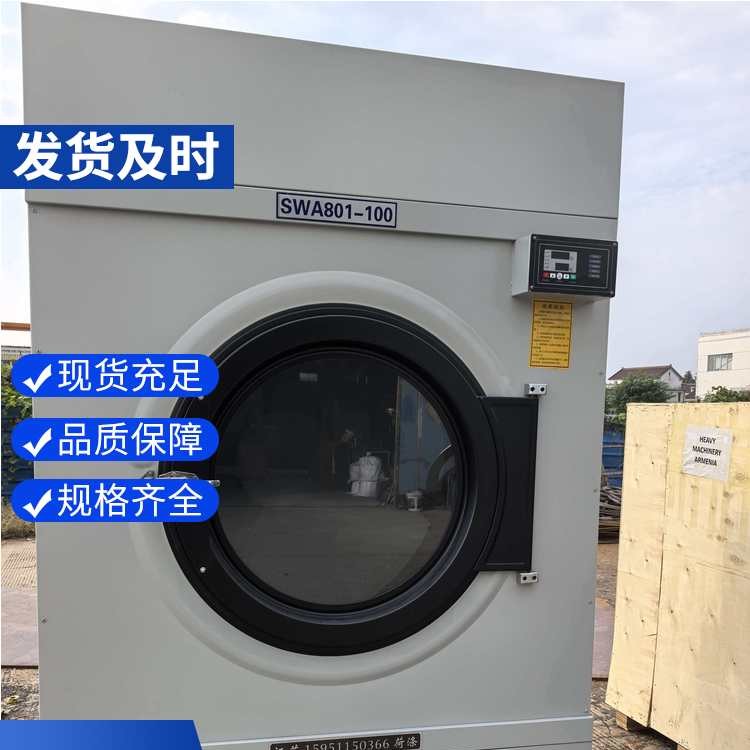
The main function of the laundry in hotels and guesthouses is to regularly wash, clean, and operate all the laundry required internally. The principle of the washing process is to obtain clean and tidy fabrics at a reasonable cost. The cleaning goal is to effectively remove stains from the fabrics while maintaining their original appearance and texture, reducing damage, and extending their service life. The normal wear and tear duration for laundry is between 1.5 to 2.5 years, and well-maintained laundry can even last longer. The two main causes of laundry wear and tear are quality and washing. Choosing higher-quality laundry may require a higher initial investment, but it will be more cost-effective in the long run. Poor-performing hotel laundry equipment and neglecting the washing process and standards can cause irreversible damage to the laundry, hence it is necessary to conduct laundry technology training.
The laundry process for textiles typically consists of five stages: preparation, core cleaning, post-treatment, dehydration, and finishing. In the daily production process, the selective combination of these five stages in hotel laundry equipment forms a complete washing cycle. Rinse and pre-wash are preparatory steps for the main wash. The main wash is the first process in the core cleaning stage, where a certain amount of water and detergent, under the mechanical action of an automatic hotel laundry machine, remove most of the dirt adhered to the fabric through a series of physical and chemical actions. The small amount of dirt that remains unwashed then enters the core cleaning stage, specifically oxygen bleaching (for white cotton fabrics). After the main wash and bleaching are completed with the use of an oxidizing agent, there is a concentrated mixture of detergent, oxidizing agent, and dirt residue. This requires post-treatment with clean water through several rational rinsing and neutralization processes. To achieve a refreshing, appealing, soft, or crisp appearance and feel of the cleaned fabric for use, it is necessary to apply finishing treatments. Preparation and cleaning are of paramount importance among the five stages.
Here's a brief introduction to the key factors determining the lifespan of linens: the washing formula of hotel laundry equipment, fabric characteristics (fiber content, yarn count, density, etc.), and the frequency of change (referred to as PAR in our laundry industry). Linens used in hotels and inns have a certain lifespan; if exceeded, they will deteriorate. Specific wear and tear on linens can include: full cotton linens may develop small holes, edges and corners may tear, hem may come off, become thin and easily breakable, and colors may become cloudy; towels may lose softness. For blended linens (commonly 65% polyester and 35% cotton): colors may become cloudy, cotton components may fall off, leaving only polyester, lose elasticity, edges and corners may tear, and hems may come off. When any of these phenomena occur, linens should be replaced promptly. Such damaged linens all indicate the presence of oxygen bleach residue, indicating that the hotel laundry equipment was not cleaned thoroughly or that too much oxygen bleach was used in the washing formula. Place the linens that have been soaked and pre-washed in the hotel washing machine's drum, turn on the water, fill it with an appropriate amount, then add the detergent dissolved in water through the machine's feed port, start the heating and washing switch, and wash for 10 to 15 minutes once the washing temperature is reached to complete the main wash cycle. The cotton products we use daily have good heat resistance, as even at 100 degrees Celsius, cotton products will only evaporate water without affecting the cotton fibers significantly. In the main wash cycle, the following requirements should be followed: load the linens to 85% of the hotel washing machine's rated capacity; for particularly lightweight linens, use laundry bags to prevent damage; separate light and dark-colored linens for washing; separate heat-resistant and non-heat-resistant linens for washing; do not overfill the drum with water during washing, and maintain a low water level.
Additionally, when handling laundry equipment for hotels and guesthouses, the sorting work before fabric washing must be done meticulously. If there are sharp or hard debris mixed in, it can cause the fabrics to tear during washing. The drum of the fully automatic hotel laundry machine needs to be checked regularly, as burrs or rough spots can lead to fabric snags or abrasions during the washing process, manifesting as pulled threads, followed by small holes that gradually enlarge. Insufficient water time during washing can cause tearing due to mechanical force, or if the washing cycle is too short and the number of washes is few, there may be residue or incomplete washing programs, failing to neutralize and remove alkali and chlorine residues, causing the fabric's cotton fibers to degrade into oxidized cellulose, indicating inadequate cleaning or an excessive amount of bleach used in the washing formula. Moreover, excessive force or contact with sharp objects during loading or unloading can puncture or snag the fabrics. Therefore, laundry room supervisors should strengthen employee management, address the precautions for the operation of hotel laundry equipment, and not neglect the daily maintenance and care of the hotel washing machines.
Here's a detailed explanation of factors related to water washing equipment for large hotels and hotels: (1) Stainless steel automatic hotel washing machines often suffer from poor design, manufacturing processes, and substandard processing accuracy, leading to excessive gaps between the inner drum and the machine door, which easily causes tearing of linens. This phenomenon is not uncommon. The drum inner drum may have burrs or rough spots, which can potentially lead to tearing or wear of linens during the washing process, manifesting as fraying, followed by small holes that gradually expand. Here's a simple method to identify quality: a good 100-kilogram automatic hotel washing machine (washer-dryer) has five ribs inside the inner drum, not only enhancing the drum's rigidity but also significantly improving the cleaning efficiency of linens. (2) Operators need to have certain knowledge and responsibility, and use the hotel water washing equipment correctly. Mistakes in the operation process include: not being thorough in pre-washing sorting, which can lead to sharp or hard debris causing damage during washing. Not paying attention to closing the door after loading, which can trap linens. During the washing cycle, the drum's rotation can cause tearing and damage to linens. Improper distribution of water during spin-drying, or excessive drying time or speed, can result in mechanical force causing damage to linens. Additionally, hotel washing machines often have a short rinsing time (less than 5 minutes), few rinses (less than 2), and incomplete washing programs, leaving residues or missing steps to neutralize and remove residual alkali and chlorine. (3) Excessive temperatures during washing, drying, and ironing can also cause damage to linen fibers. The烫平 machines or dryers in a complete hotel laundry equipment set may operate at excessively high temperatures, and different types of linens have different temperature tolerances. Simply increasing the temperature for efficiency can also lead to the脆化 of linens. Not blowing cold air after the dryer cycle can also cause towel and bath sheet fibers to脆化. During the ironing process, attention should be paid to the direct running speed ratio of the ironing machine drum and the speed ratio when connecting to the folding machine, ensuring that linens pass smoothly. Pulling or piling can affect the lifespan and strength of linens. Choosing the wrong washing program for hotel laundry equipment is a common misconception; many believe that the longer the washing time, the cleaner the stains are removed. However, extended washing times can accelerate wear on linens, leading to damage. Additionally, during the employee's process, it's important to ensure the correct loading during washing (80%~85% capacity), as too much or too little can affect the cleanliness and wear of linens.
In addition to issues encountered during the operation of our large-scale hotel laundry equipment, the customer service department and linen room should jointly oversee the process of replacing linens. The procurement department should promptly replenish the old linens as received, ensuring a sufficient turnover. Differentiate between natural wear and tear and abnormal damage to the old linens; the duration of dehydration should vary with the strength of new and old linens. Also, avoiding "fatigue use" is crucial for extending the life of the linens, which means washing them multiple times a day accelerates their deterioration. Allow sufficient rest time, ideally more than 24 hours, i.e., after washing, give them a day of rest before using again. In this way, the linens' lifespan will naturally extend. Therefore, in addition to the regular washing and management of cotton products, proper maintenance and care should be taken to extend their lifespan and reduce loss rates.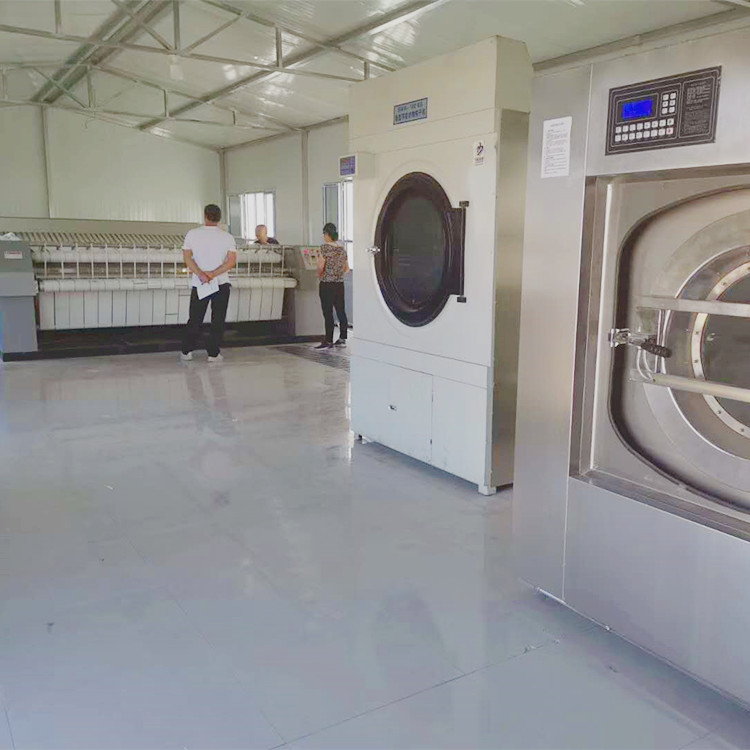
In the laundry industry, the variety of water washing equipment is overwhelming, leaving consumers confused about how to choose. Each manufacturer boasts the superiority of their products, making it difficult to decide which to pick. Picking randomly from any manufacturer can lead to disappointment later. What preparations should be made for a hotel laundry equipment before opening? Let's find out. Prepare a budget. Hotel automatic washing machines differ from household washers in material selection, component composition, overall structure, production efficiency, and lifespan. Their price is relatively higher, so as consumers, we should have a realistic budget before purchasing, rather than comparing them to our traditional household washers. Because after the comparison, you'll only end up with a bigger psychological gap.
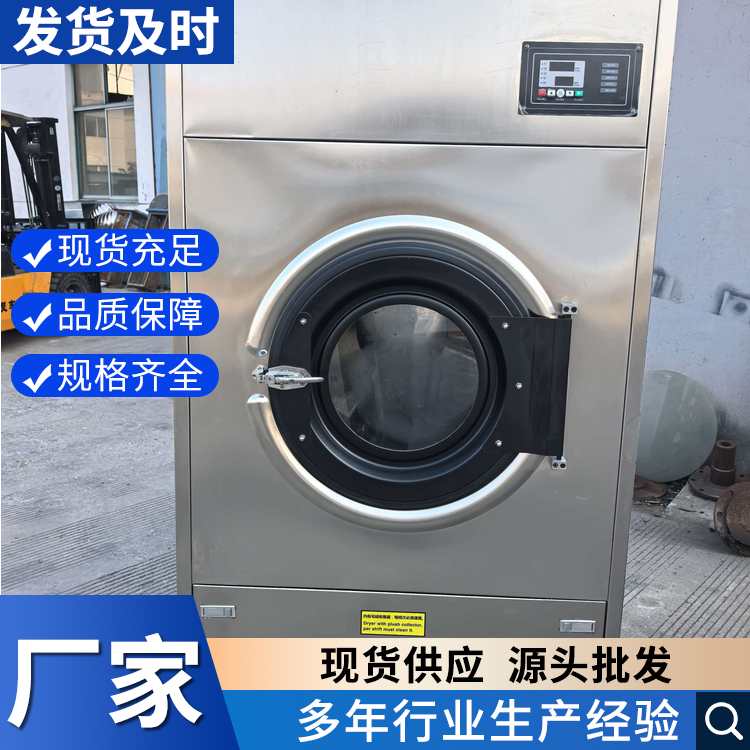
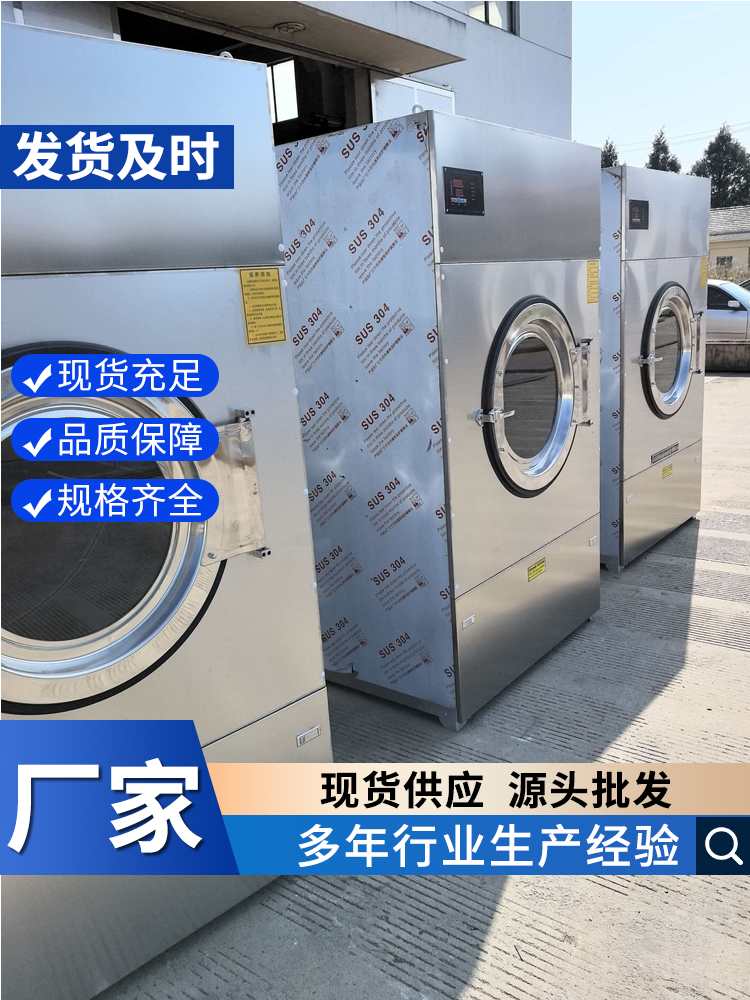
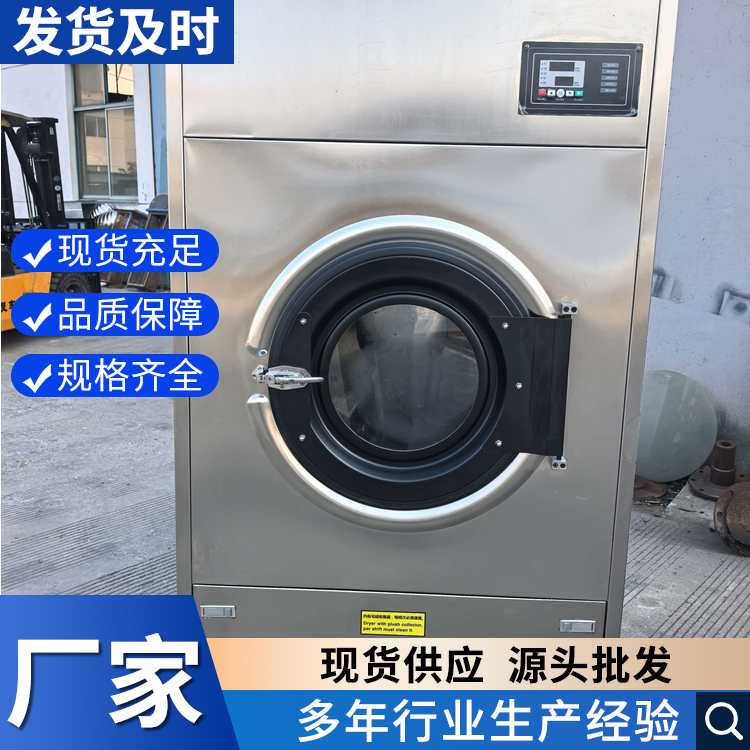
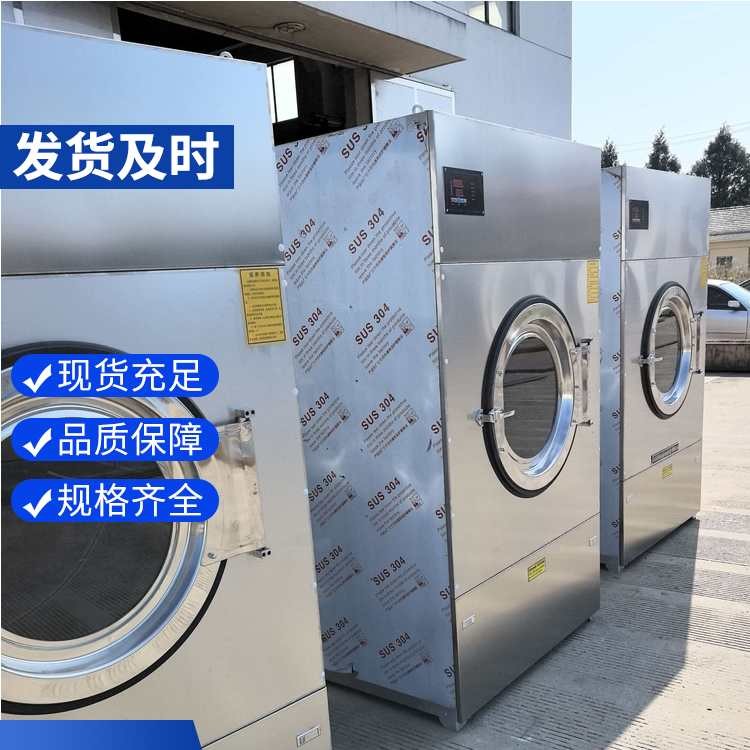
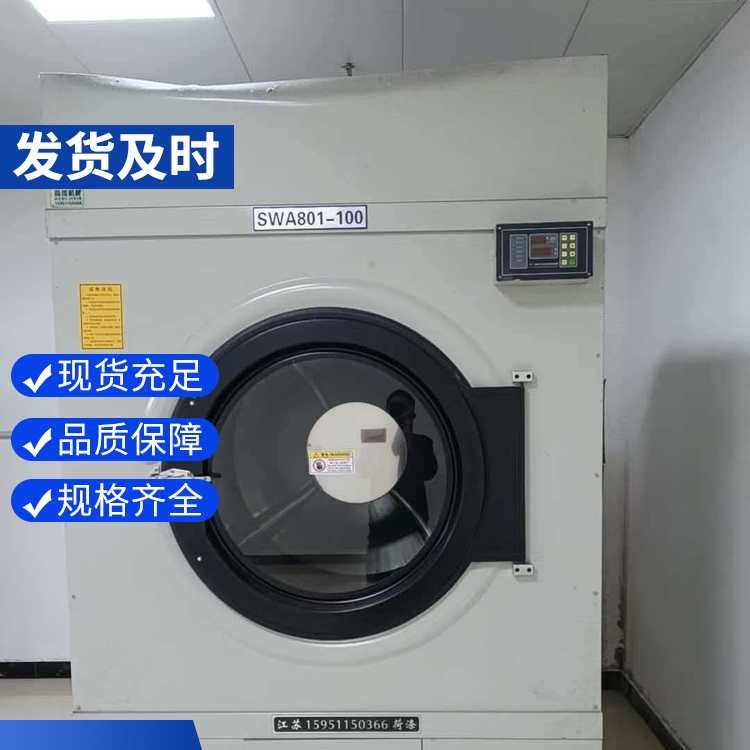
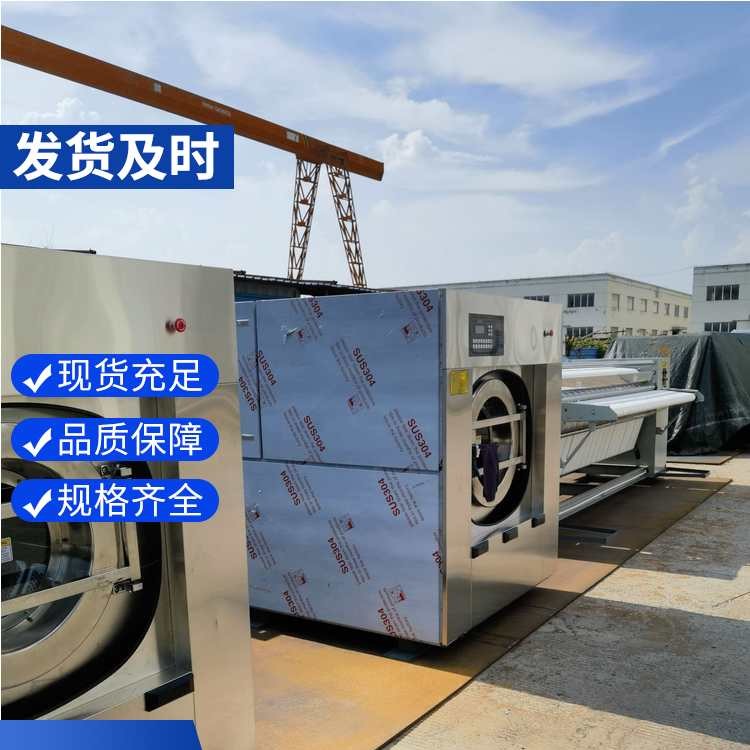
To start a bedding factory, the following conditions must be met: 1. A factory building is required. 2. Industrial electricity of 380v is needed. 3. Laundry equipment for bedding and towels (fully automatic washing, fully automatic towel dryer, flat iron for bedding, automatic folding machine for bedding). 4. Flat iron equipment options include steam-heated, electrically heated, and natural gas heated, allowing customers to choose based on their specific conditions. 5. A linen delivery truck. Meeting these conditions enables the establishment of a bedding laundry factory. When selecting water washing equipment, the size should be determined based on the daily washing volume.
Hotel linen cleanliness directly impacts customers' overall evaluation of the hotel. It is inevitable to change and wash linens daily, making water washing equipment a crucial work tool. With increased washing frequency, issues like shrinkage, color loss, fading, dye transfer, damage, wrinkles, and stubborn stains may arise. So, how can washing equipment better clean linens? An important pre-wash check is to determine if the clothing or linens are suitable for washing. On one hand, refer to the washing labels on the clothing, and on the other hand, rely heavily on accumulated everyday experience. 1. Inspect the fabric material of the clothing and linens to ensure it won't be damaged in water, and identify suitable washing chemicals. 2. Check for any items left in the pockets or any foreign matter stuck to the clothing or linens. 3. Assess the soiling of the clothing and linens to see if any stains require pre-treatment, as not all stains can be completely removed during industrial washing. 4. Inspect decorations on the clothing, as some buttons may not withstand heat or rising temperatures during washing; some decorations might wear or snag the fabric, requiring button covers or similar tools to be used beforehand; some decorations are glued on and it's important to determine if the glue will dissolve in water. 5. Check the colorfastness of the clothing and linens by using a dry towel dipped in a little detergent water and wiping vigorously at the edges. This can help determine if there will be significant fading under water washing conditions.
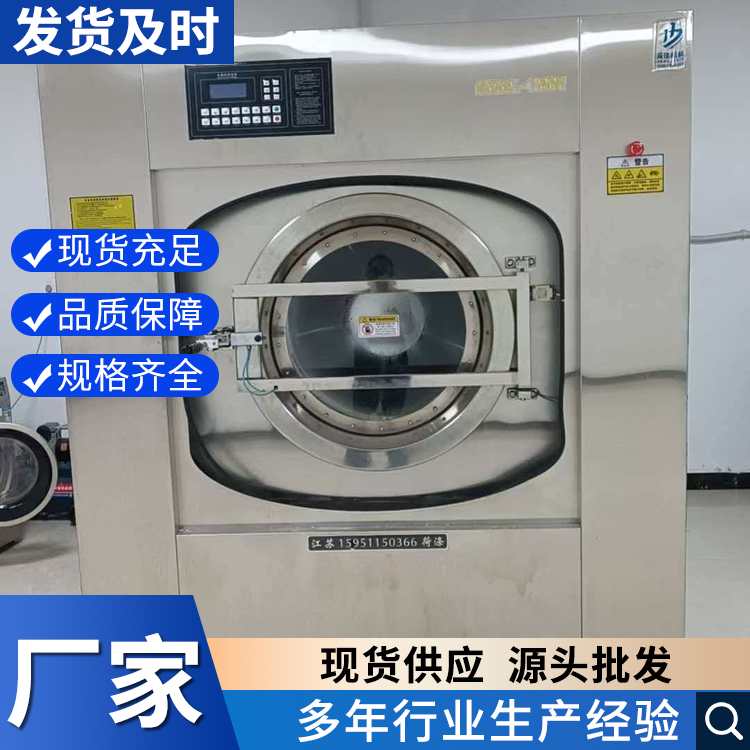
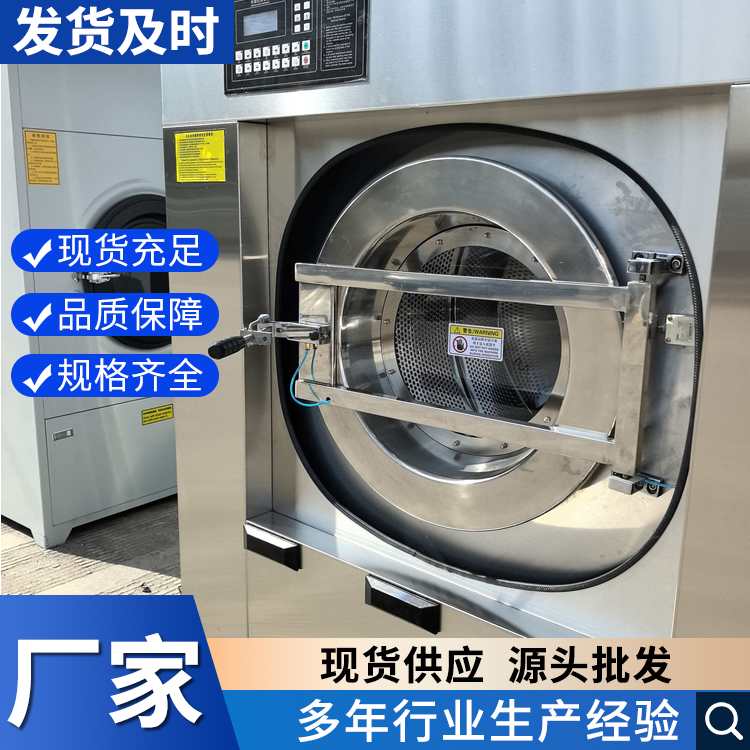
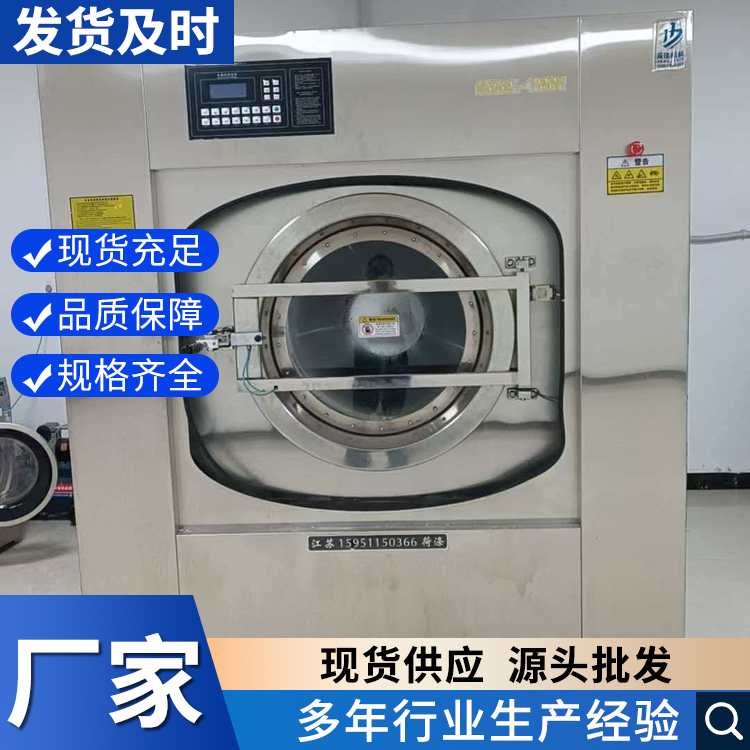
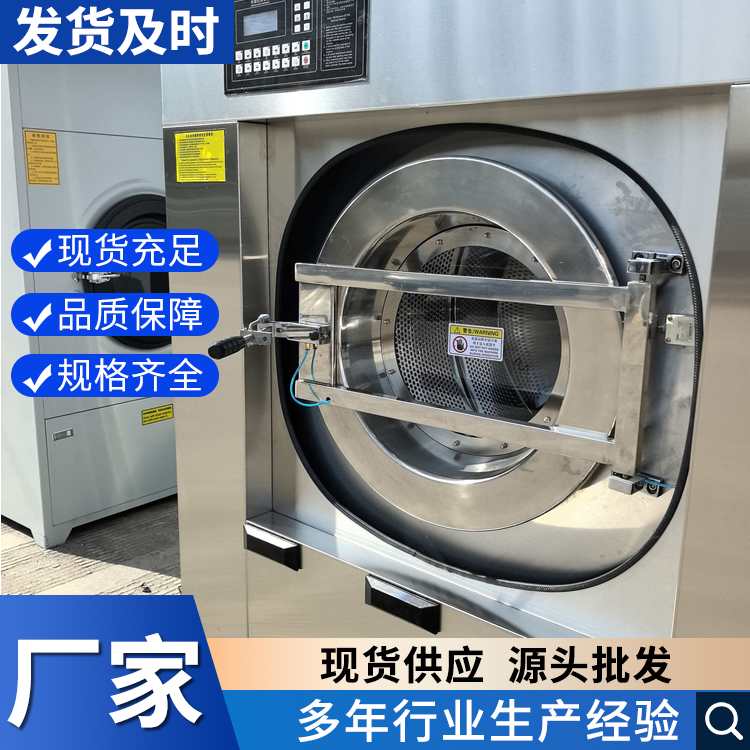
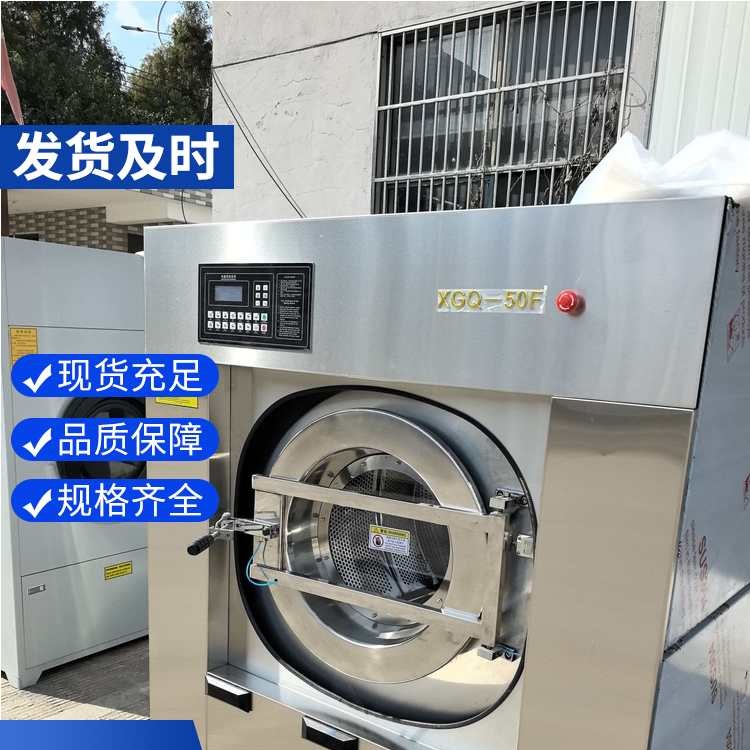
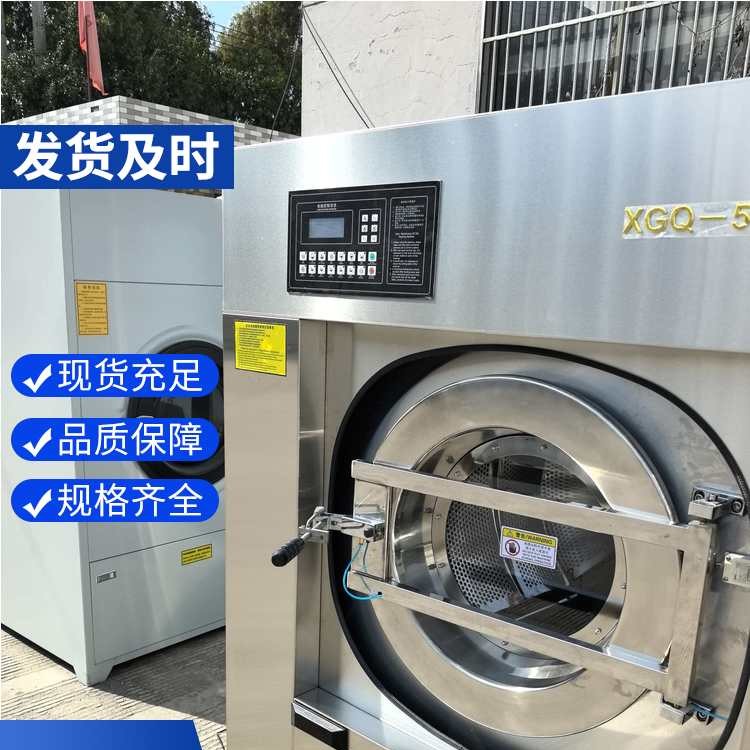
Hotel laundry equipment has a large washing capacity, providing cleaner washing results compared to household washing machines and a longer service life. It is widely used in hotel laundry rooms, taking on the daily task of washing a large amount of linens. Today, we'll discuss the main models of specialized washing equipment for the space hotel laundry room from the perspective of the body structure, focusing on the two key components of a 50 kg hotel washing machine: A: The drum and the main shaft. The drum is the cylinder that holds the laundry, with the main shaft mounted on the rear plate of the drum. The inner drum is connected to the main shaft in a cantilever beam style. Two bearings (U.S. Timken ultra-quiet rolling bearings) are mounted on the main shaft, secured by high-strength bolts and locating pins. A sealing structure is added between the housing and the main shaft, using Taiwan TTO fluororubber O-rings. A large belt wheel is also mounted on the main shaft to transmit power; B: The shock absorption system. Between the housing and the frame, the spring shock absorber and hydraulic damping buffer perform shock absorption and vibration absorption. During operation, the hotel washing machine housing generates significant vibration, with the spring shock absorber absorbing most of the energy produced. The damping buffer does not bear the vibration of the main machine body, but when the lateral movement of the spring shock absorber occurs, the damping device of the buffer can significantly limit the vibration amplitude. This shock absorption system is effective, with a simple structure, long service life, easy maintenance and replacement, and reduces the impact on the surrounding environment.
Hotel laundry equipment should consider the soiling level and fabric type of the bed linens during washing. Misclassification can affect the washing outcome. Generally, blended bed linens should be replaced after being washed 150 times with hotel laundry equipment. Cotton bed linens have a shorter lifespan. Well-washed bed linens from hotel laundry equipment can be intentionally used with the ends flipped, which promotes even wear and increases the bed linens' acceptability to some extent. This approach can also help save costs to a certain degree. The key is to ensure that the hotel's laundry work is done thoroughly, which can easily elevate the service level and guarantee the hotel's major interests.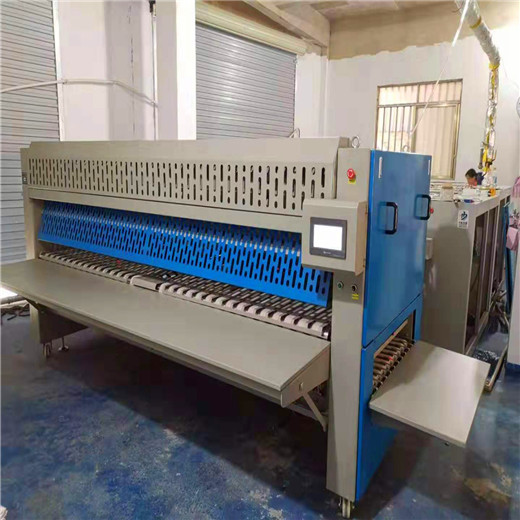
Industrial washing extractors are an indispensable water washing equipment in industrial laundries, with their efficiency and performance largely determining the entire laundry's productivity. Since different industrial laundries have varying requirements for washing extractors, such as the washing capacity (size), price, and whether a variable frequency requirement is needed, our company offers a wide range of washing extractors. Therefore, here we can only give you a general introduction to the characteristics of washing extractors: 1. Computer control system, allowing users to real-time control the working liquid level, washing temperature, and washing time according to actual conditions, fully meeting the washing needs of fabrics under various working conditions. 2. The exterior shell and inner drum of the washing extractor are made of high-quality stainless steel, which can withstand heavy loads and have a longer service life compared to other brands. 3. The large-diameter loading door is designed with humanization in mind, making it convenient for loading and unloading materials, thereby reducing the labor intensity of staff. Specific parameters and characteristics of the washing extractors should be verified with the manufacturer. As an experienced laundry equipment supplier, we welcome the opportunity to cooperate with you.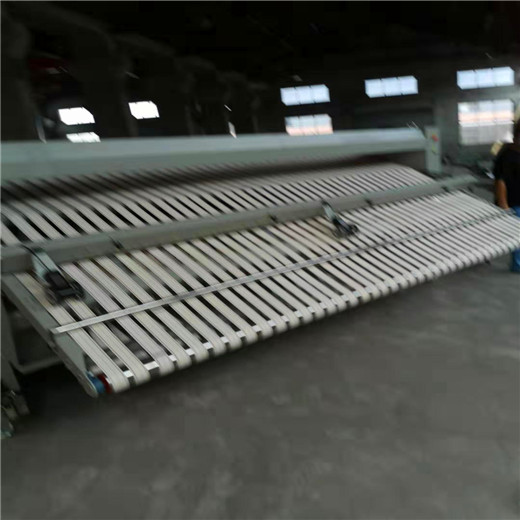
We know that different fabrics absorb various types of dirt and levels of contamination. Considering the washing conditions of hotel laundry equipment and the available types and properties of detergents, during the washing process of linen fabrics, it's essential not only to add various cleaning materials to the wash solution in a timely and appropriate manner but also to reasonably control the washing temperature, water level, and duration based on the specific requirements of different washing processes. This ensures the establishment of specific operating conditions for the washing of linen fabrics. Therefore, designing and implementing a rational laundry program is crucial for achieving high-quality washing results. Below, we will refer to the laundry program of tablecloths, towels, and bedding fabrics from a laundry factory, and the water washing equipment technician will discuss with you the relevant issues involved in compiling a laundry program for linen fabrics.
I. Tablecloth Washing Procedure
Hotel laundry equipment capacity: 100KG; Load capacity: 85-90KG; Tablecloth material: White cotton duck with patterns; Contamination status: Most are stained with greasy dirt, and also沾染 juice drinks, tea, and soup stains; Washing water: Municipal tap water, hardness measured at 350ppm (CaCO3)
Below, we briefly discuss the laundry program for tablecloths prepared by the laundry factory: Before pre-washing, the tablecloths should be shaken out to remove any food residue and debris that may be caught within them. Although this operation is not explicitly mentioned in the program, it cannot be omitted in actual practice. Adding 100g of pure soda ash during pre-washing is beneficial for removing oils and solid dirt from the tablecloths. During the main wash, a softener is first added to integrate the inorganic salt ions in the washing water, preventing the formation of calcium and magnesium soap sediments. An emulsifier is added when the water temperature is low, which helps the non-ionic surfactants in the emulsifier to effectively wet, dissolve, and remove oil below their cloud point. Strong laundry detergent is added when the water temperature is high, which facilitates both the dissolution of the detergent and its cleaning action on the fabric and dirt that have been wetted by the emulsifier. For bleaching white tablecloths, as chlorine bleach is used, the method of washing and bleaching in the same bath can be employed. This means that halfway through the main wash, half of the chlorine bleach powder is added, followed by the other half after 3 to 5 minutes. This ensures a more even distribution of chlorine bleach in the washing solution, preventing excessively high local concentrations, which is beneficial for protecting the fabric. Additionally, as the washing and bleaching are done in the same bath, it can save energy and washing time for hotels and guesthouses. However, if the bleaching solution temperature is too high, it can easily damage the fabric, making the separate washing and bleaching baths of this program safer and more reliable.
After the second water application, the pH level of the effluent should be tested. If the pH of the washing water after the second application is close to neutral, the third water application can be omitted. Depending on the type of sizing used, neutralization of excess acid and sizing treatment on the fabric can be done in separate steps. Additionally, due to variations in the quality of detergents used by different laundry factories, the amount of various detergents should be adjusted appropriately, considering the supplier's usage instructions and washing performance. If the hotel's laundry equipment is not overloaded and conditions such as water level, water temperature, and washing time are properly controlled, but oil stains on tablecloths are not effectively removed, or if the re-wash rate exceeds 3% to 5%, then, while adding heavy-duty laundry detergent, a moderate amount of lye can be added to utilize the saponification effect of alkali and oil to enhance the removal rate of oil stains on the fabric. However, the amount of lye should be moderate; otherwise, with increased washing cycles, the fabric may gradually turn gray. When washing colored tablecloths, since high-temperature washing solutions can negatively affect fabric color, the washing program should be adjusted accordingly. Newly delivered colored tablecloths should be washed with warm water without any detergent to remove any excess dye, and then washed again once the color fade is stable. Depending on the color fastness, the main wash temperature for colored tablecloths should be controlled between 70 to 80 degrees Celsius, and the hypochlorite bleaching agent should be replaced with oxygen bleaching agent, generally using the same amount as chlorine bleach, and added simultaneously with emulsifiers and heavy-duty laundry detergent; other procedures remain mostly unchanged.
Towel and Bedding Fabric Washing Process: These fabrics are mostly made of pure cotton or cotton blends. As they primarily come into contact with the human skin, the dirt on them mainly consists of body secretions such as sebum, sweat, bloodstains, as well as dust and cosmetics. However, compared to bedding fabrics, which tend to have a lighter dirt load, towel fabrics are more prone to dirt accumulation due to their loop pile texture and loose structure. Bedding fabrics are generally considered lightly soiled and require cleaning. Since heavy greasy dirt is not common in these fabrics, general laundry detergents are primarily used for cleaning. For towels with heavier soiling, in addition to the general detergent, a small amount of heavy-duty detergent or emulsifier can be added. When towel fabrics enter the main wash cycle of the washing equipment, a higher amount of softener is used to prevent the deposition of hard water minerals in the water, which can cause the fabrics to become gray or yellow and feel rough. The main wash temperature is usually controlled between 70-80°C, with low water levels and a duration of 10-15 minutes. For bleaching, oxygen bleach is commonly used in towel fabrics, and the main wash and bleaching are done in one cycle to take advantage of the high temperature during the main wash to maximize the effectiveness of the oxygen bleach. Bedding fabrics can be alternated between oxygen and chlorine bleaching. Additionally, due to the high water content in towel fabrics, a medium drain is often performed after each water addition to enhance the rinse effect.
Laundry Services for Train Passenger Sections and Hospitals: In addition to our professional laundry services, we offer washing for fabrics used in train passenger sections and hospitals. The bedding in train passenger sections mainly consists of sheets and duvet covers, with a small number of napkins and chair covers from dining cars. Most of these fabrics are white, with some colored or striped patterns. Following the washing procedures for these various fabrics generally yields satisfactory results. As for hospital fabrics, it is strictly recommended that they be washed by dedicated laundry factories to prevent cross-contamination and ensure effective use. However, the specific issues encountered during the washing of hospital fabrics are worth noting for those involved in laundry services. Hospital fabrics are often stained with blood, pus, and medicine. When using water washing equipment for these fabrics, it is advisable to pre-wash with cold water multiple times, and add a small amount of alkaline substances or other cleaning agents if necessary, to remove blood and pus stains during the pre-washing process. During the main wash, protease should be added in addition to the detergent to remove blood and pus stains. To ensure the full effect of the protease, a segmented main wash is required, maintaining the washing temperature at around 50-60℃ for a period (usually 15-20 minutes depending on the severity of the blood stains), then heating it to above 90℃ and continuing the wash for an additional 25-30 minutes. Moreover, when bleaching hospital fabrics, the amount of chlorine bleach should be increased appropriately to ensure an adequate level of effective chlorine in the washing solution, meeting the disinfection requirements. When using combined washing and bleaching, the chlorine bleach should be added after half of the main wash time to prevent the bleaching agent from inhibiting or destroying the enzyme preparation.
-/gbaacaf/-