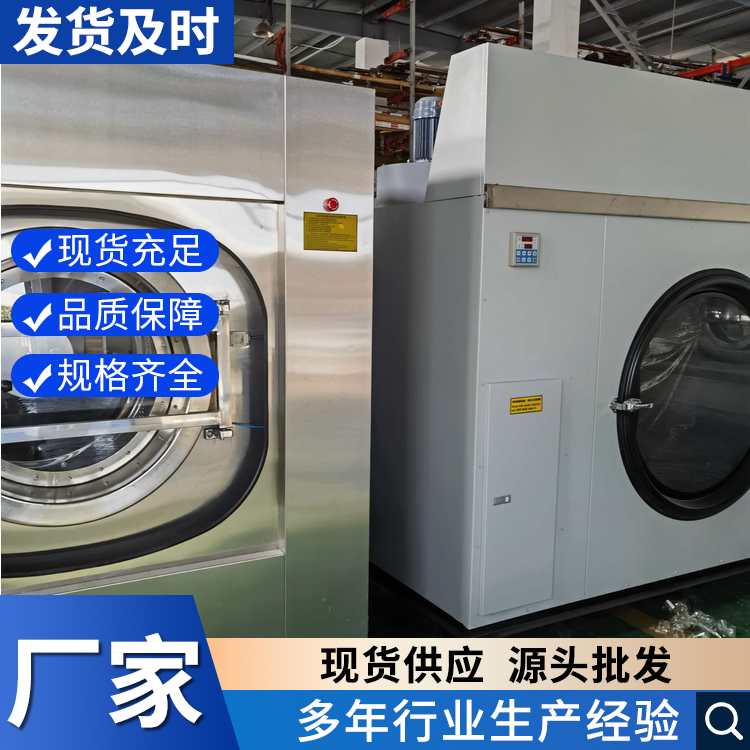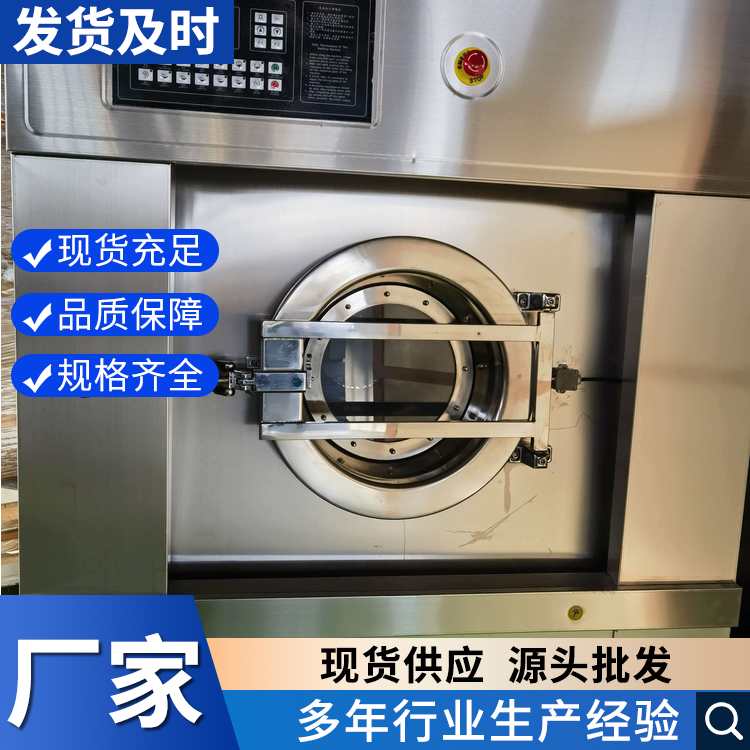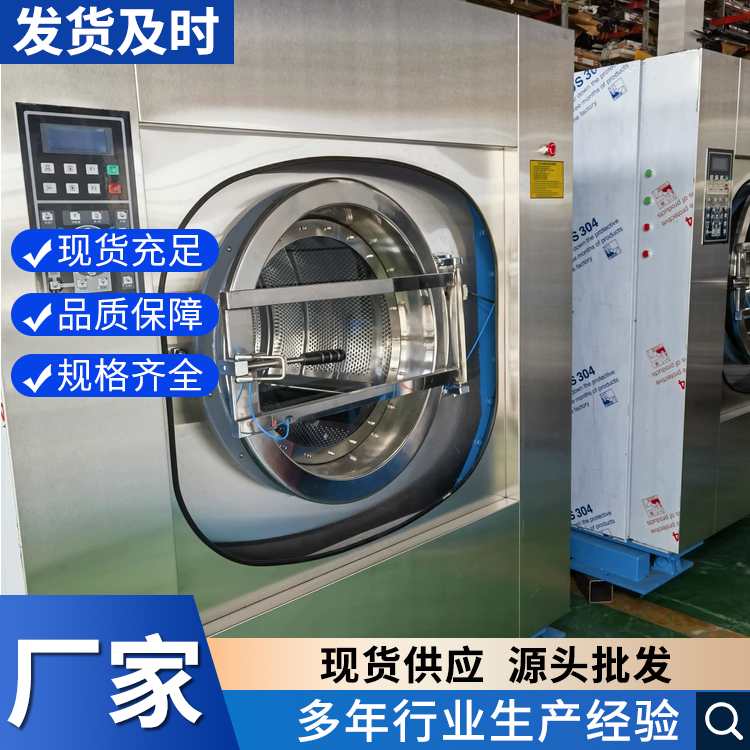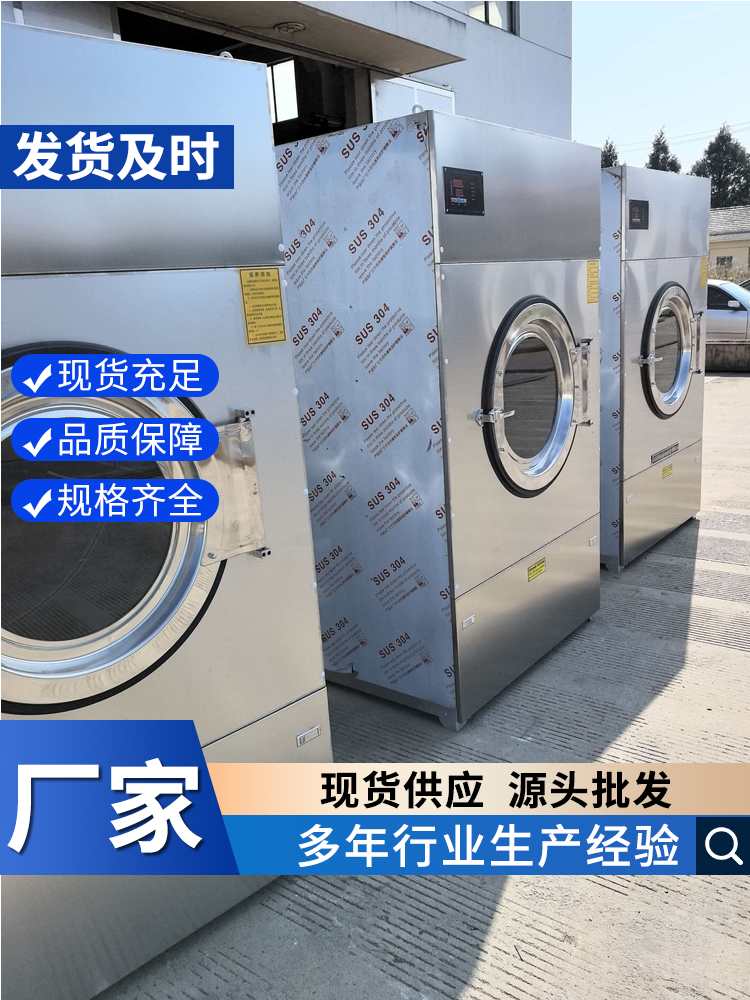







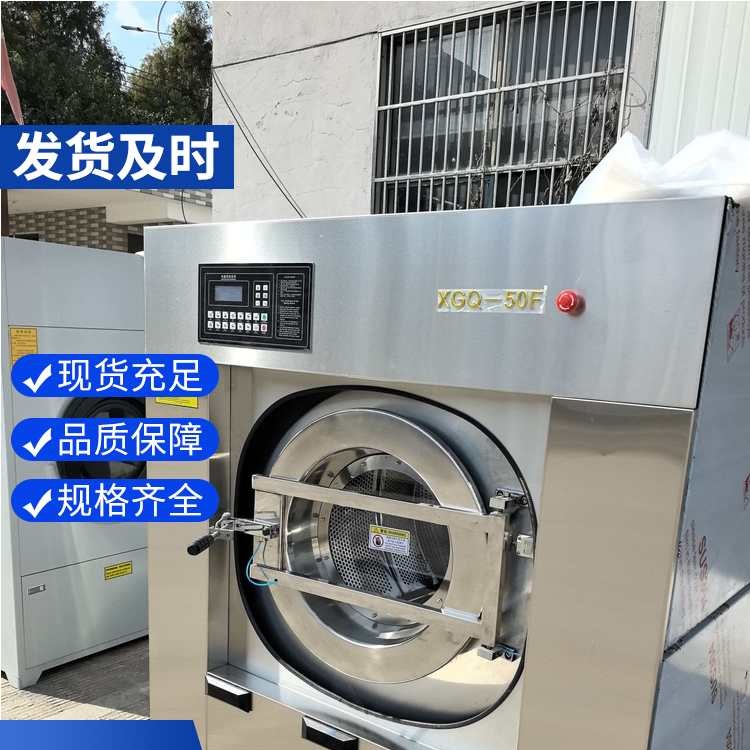
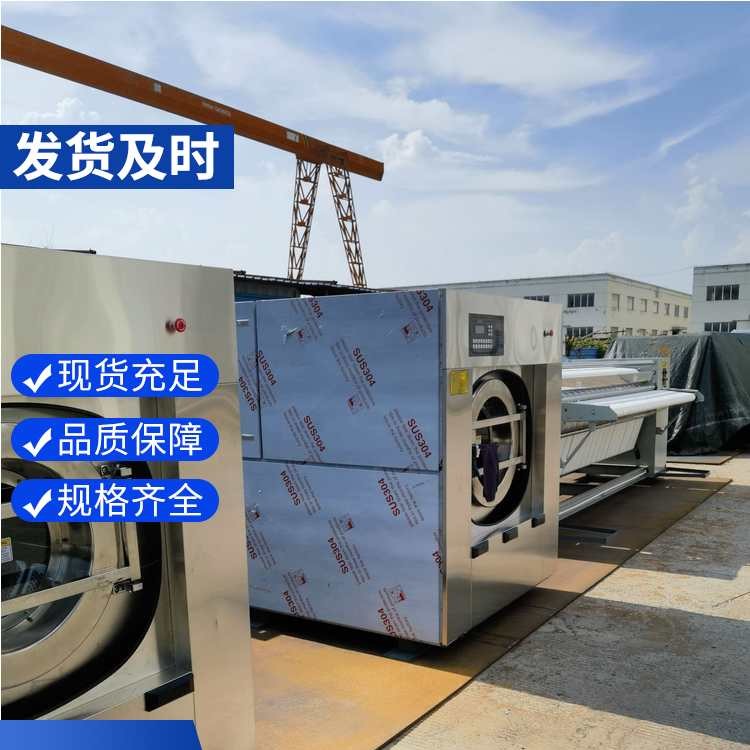
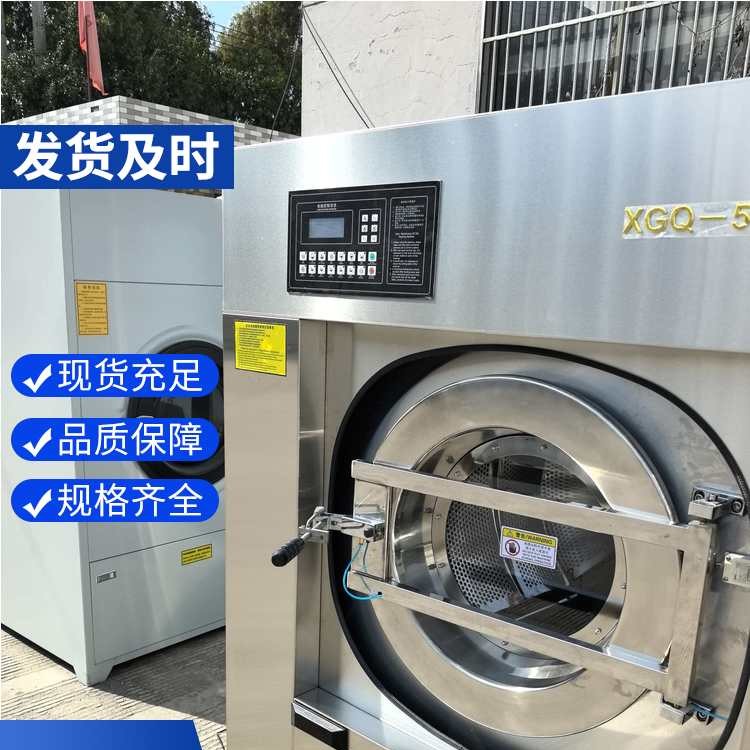
Standard washing machines are typically used at home for laundry, bedding, and other household items; whereas hospital washing machines are the cleaning equipment used in hospitals.
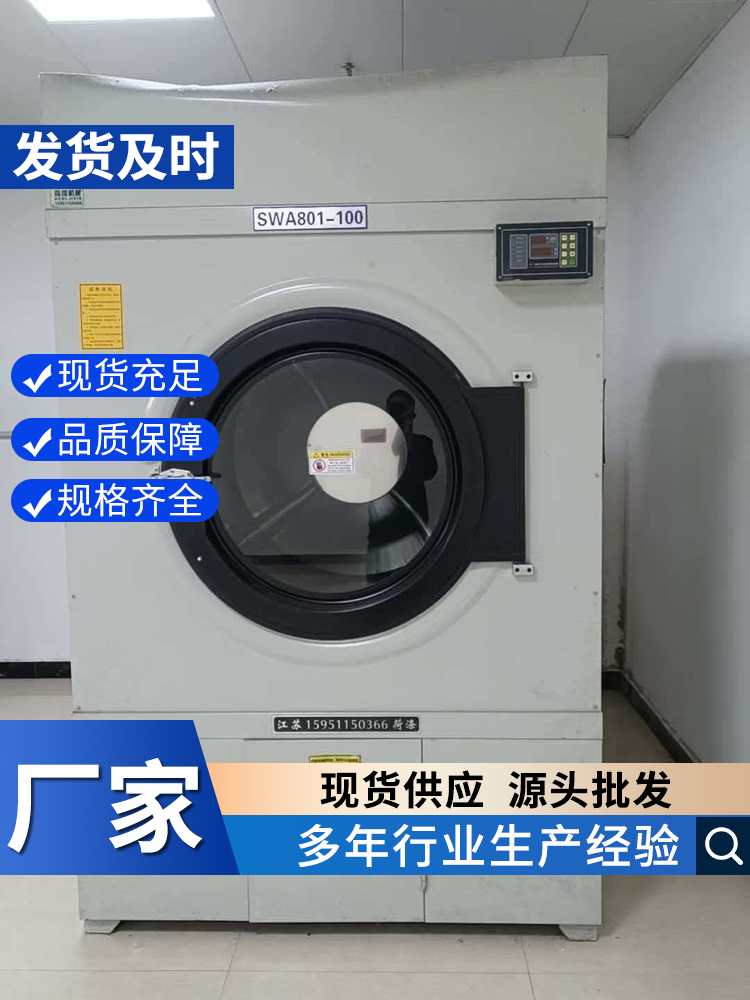
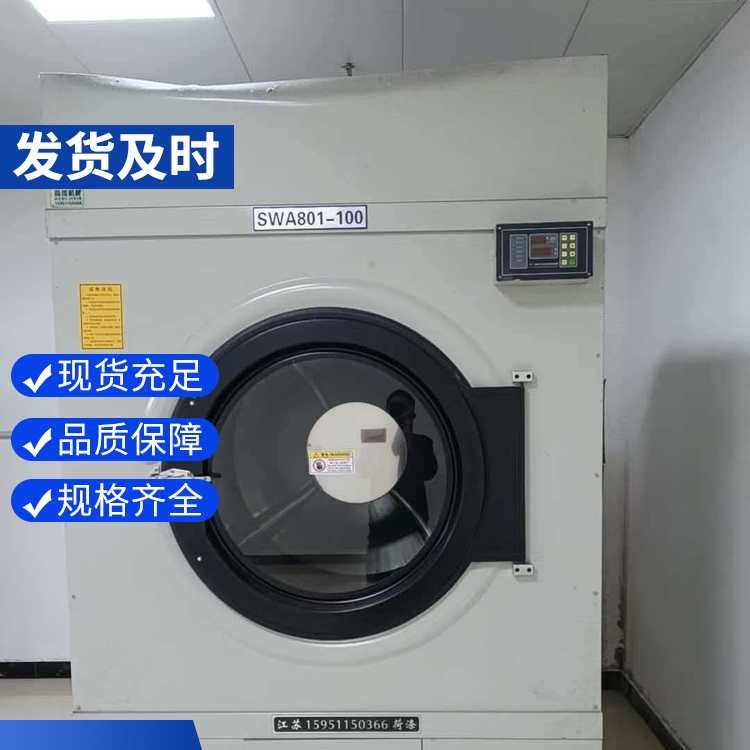
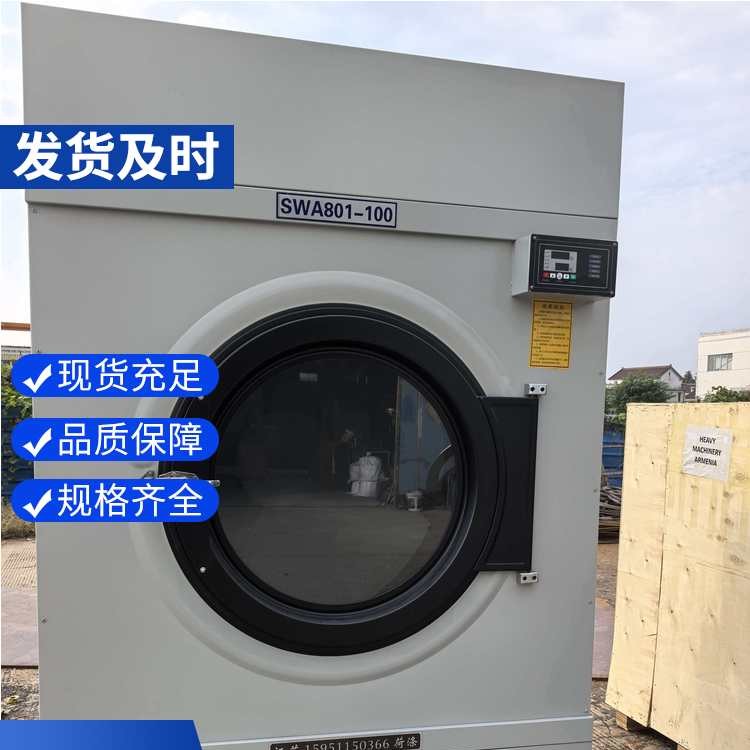
All garments must be washed within the specified time frame, followed by a drying and dehumidification process. The purpose of the large-scale garment drying equipment is to expeditiously remove moisture from the clothes. A must-have feature in hospital-grade laundry equipment is the sterilization function, typically achieved through infrared sterilization or high-temperature sterilization.
Laundry services for linens used by institutions are a crucial step in preventing hospital-acquired infections. The textiles washed include staff uniforms, patient clothing, sheets, and pillowcases. Before entering the laundry room and undergoing water washing, they must be identified and categorized. Then, they are placed in medical washing machines, hospital dryers, and other equipment to begin washing or drying. Clothing with hospital-acquired infection risks, such as those contaminated with bodily fluids or secretions, must be isolated for hygienic washing. Meanwhile, laundry room staff must take protective measures, and the washing process must be standardized to prevent cross-contamination. Ensure that the provided linens are clean, free of water stains, dirt, and odors, and hygienic.
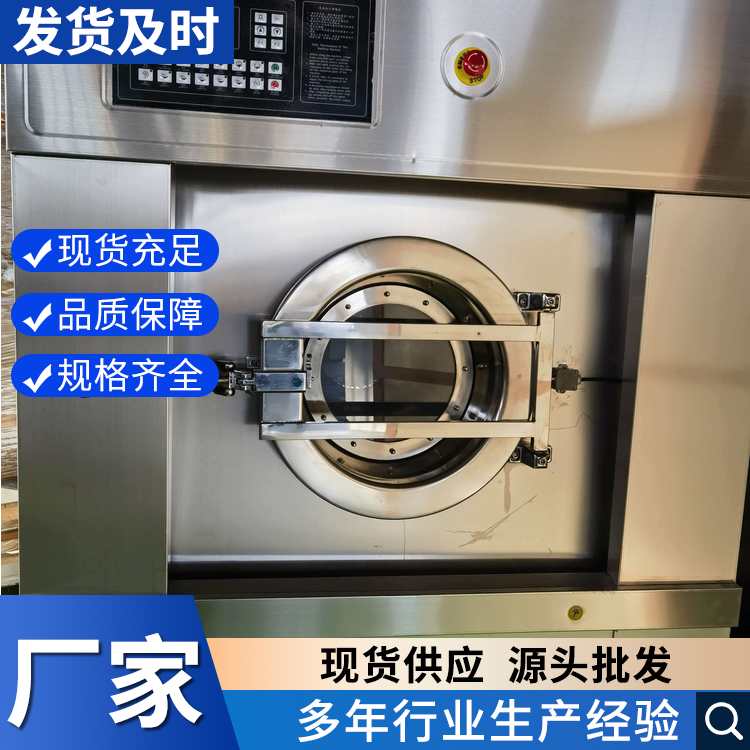
Medical washing machines are mainly categorized by type and capacity. By type, they include semi-automatic horizontal washing machines, fully automatic washing machines, and sterilization isolation washing and drying machines. By capacity, they come in various sizes such as 20 kg, 30 kg, 50 kg, 70 kg, and 100 kg.
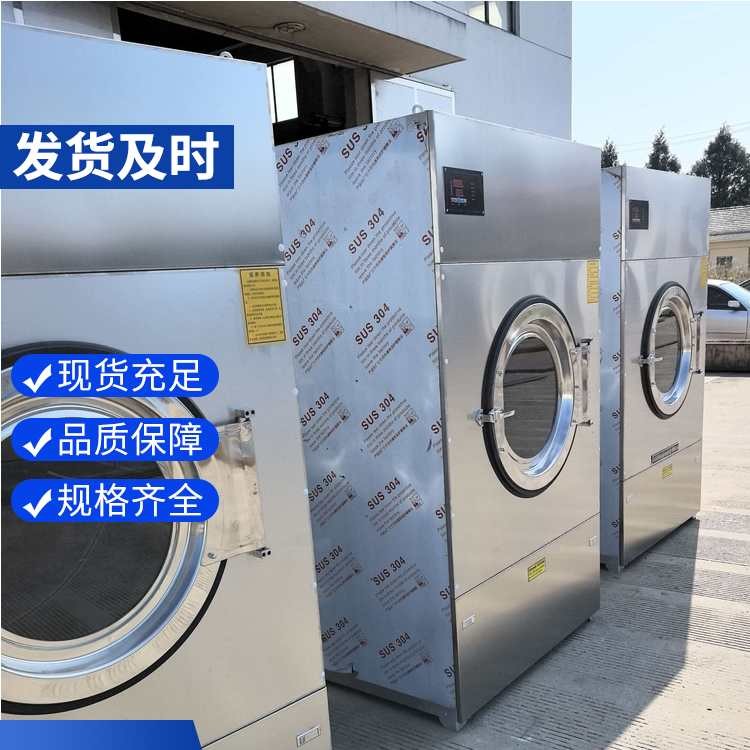
The inner drum and outer shell of the hospital dryer are meticulously crafted from high-corrosion-resistant 304 stainless steel. It features an automatic control system for varying temperatures, with the entire process controlled by a computer and also includes manual operation. It ensures continuous and long-duration operation with a large capacity, with all main shaft and flange connections heat-treated to prevent deformation at high speeds, thereby extending its service life. The body and frame are linked using CO2 shielded welding technology for durability; all structures are coated with corrosion-resistant epoxy resin paint to enhance fault-free efficiency. Heating methods include steam heating and electric heating options. The development of a new gas-powered hospital dryer model is underway, where fresh air enters through the inlet, exchanges heat with the radiator, becomes dry hot air, and then exchanges heat with the tumbling textiles in the drum. Afterward, the air is exhausted from the body, and the textiles in the drum gradually evaporate moisture under the dry hot air to achieve drying. Compared to steam dryers, direct combustion hospital dryers do not require secondary conversion of heat energy, resulting in more efficient energy utilization, lower losses, and higher drying efficiency.
Medical laundry washers are an innovative variation of standard washing machines, specifically designed as washing equipment for hospital laundries, catering to health institutions such as hospitals and clinics, featuring a washing capacity of over 20 kilograms.
WeChat Official Account

Scan to follow Official Account