









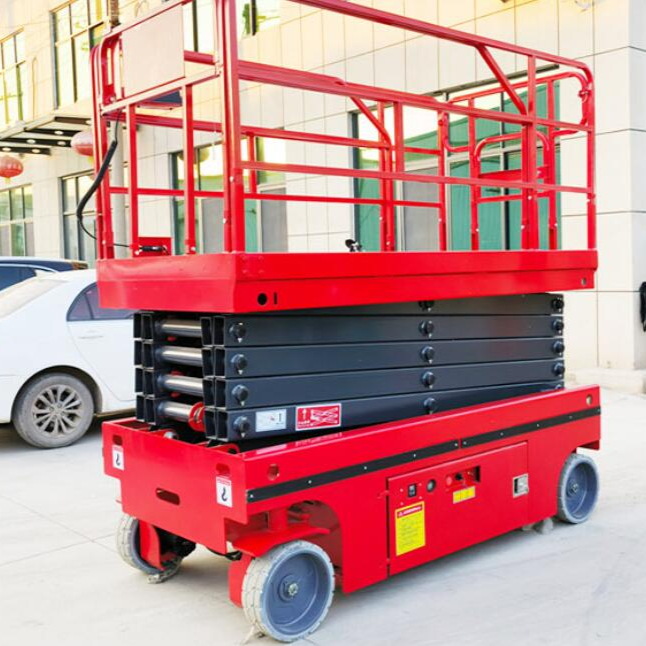
SJD - Elevating Goods Lift
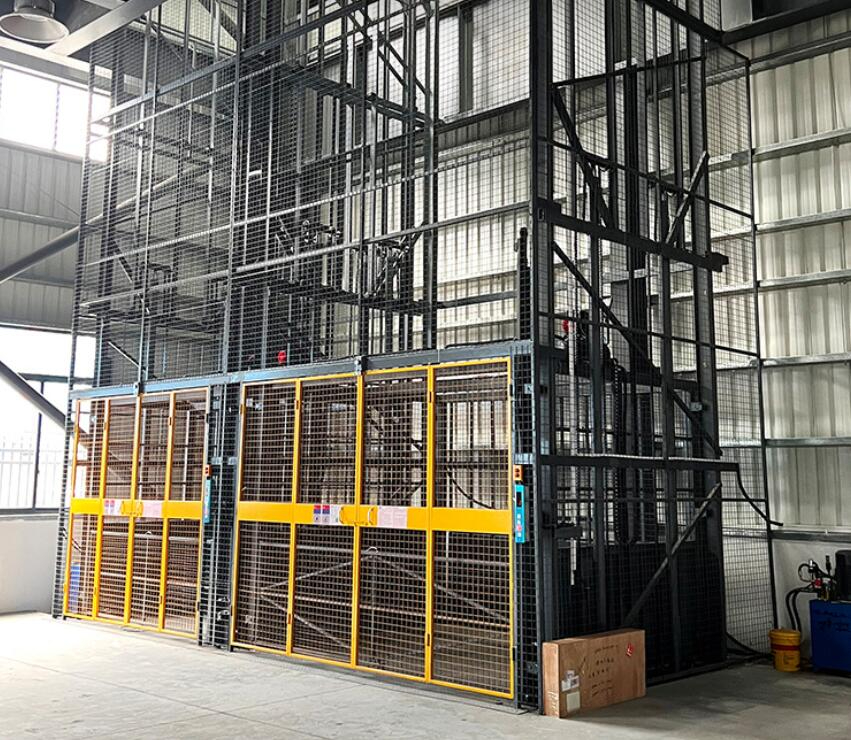
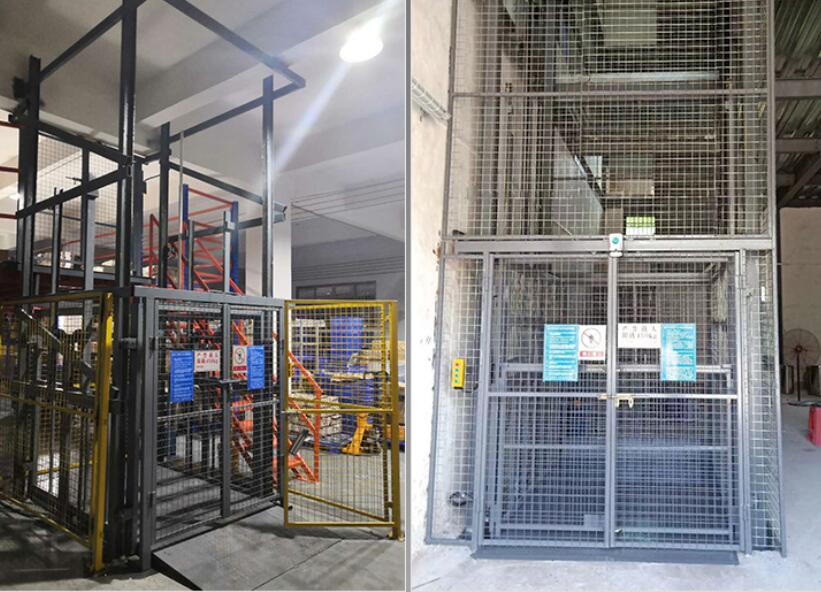
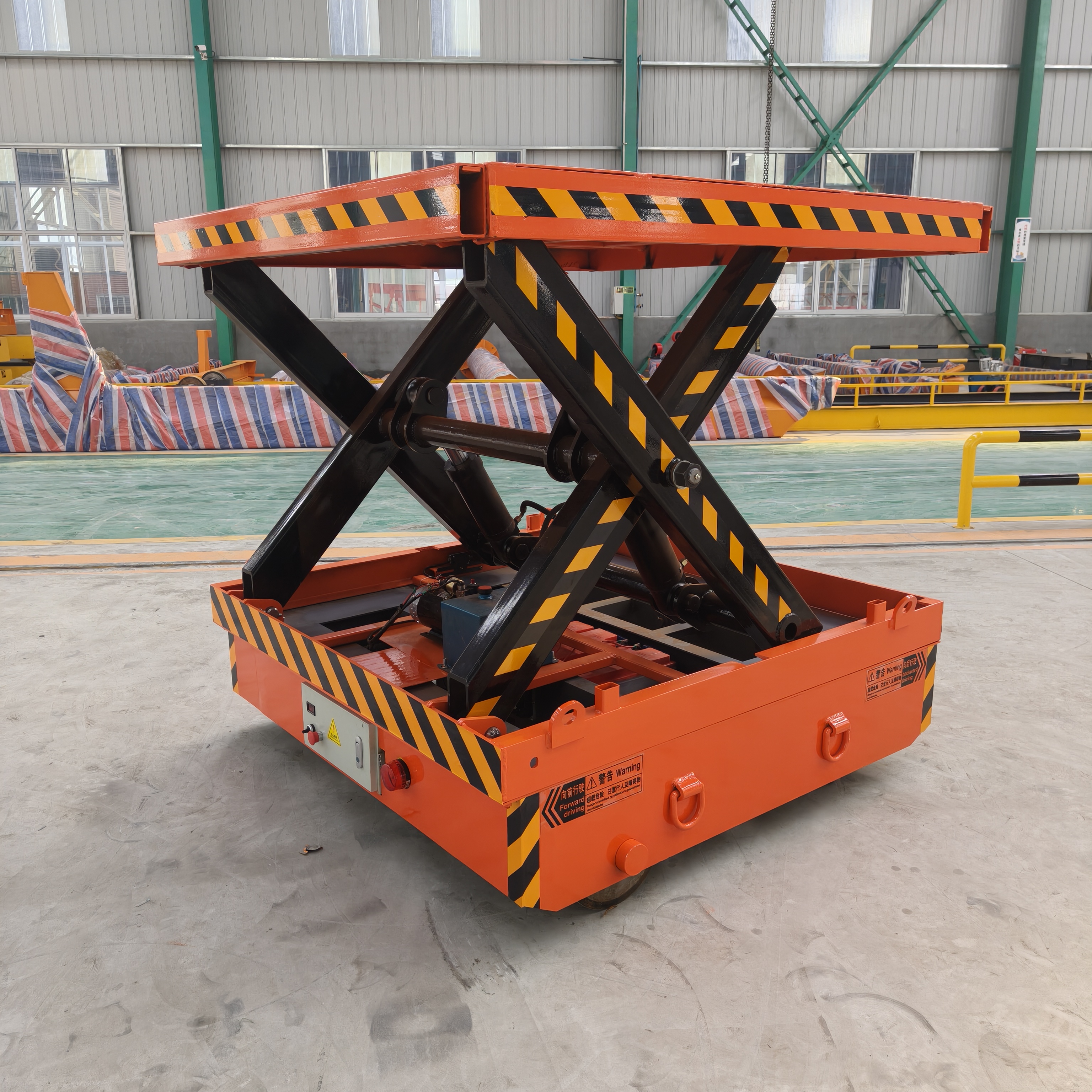
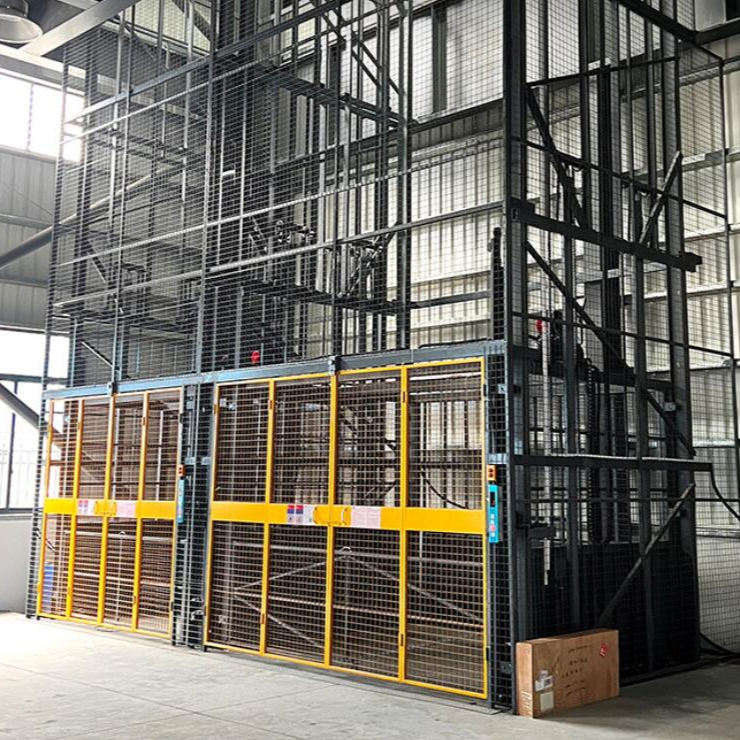
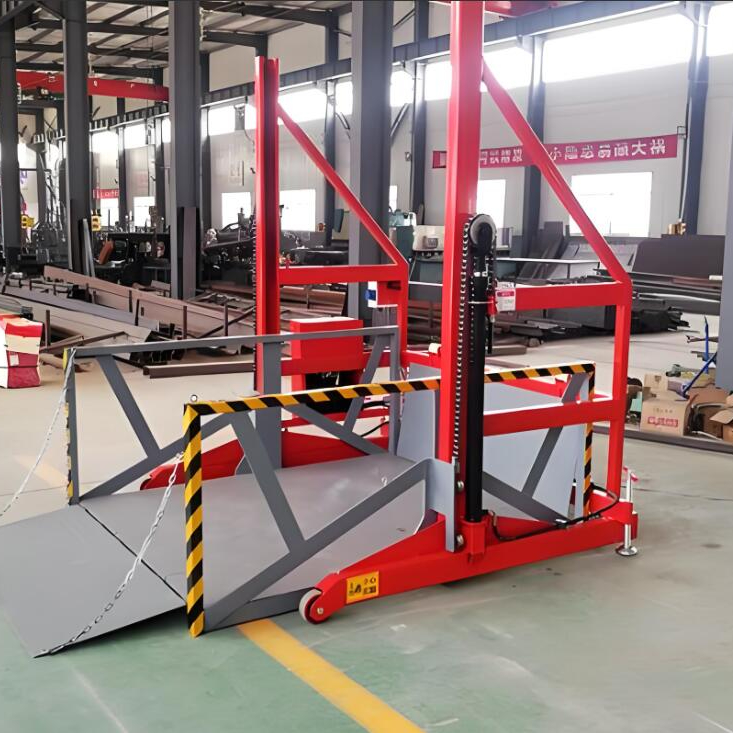
A hydraulic goods elevator is a device powered by a hydraulic system that uses hydraulic cylinders to drive the vertical transport of goods. It is widely used in factories, warehouses, shopping malls, hotels, airports, and other locations for fast, safe, and efficient conveyance of goods between floors.
I. Features of the Hydraulic Freight Elevator
- Tightly structured, with high space utilization efficiency
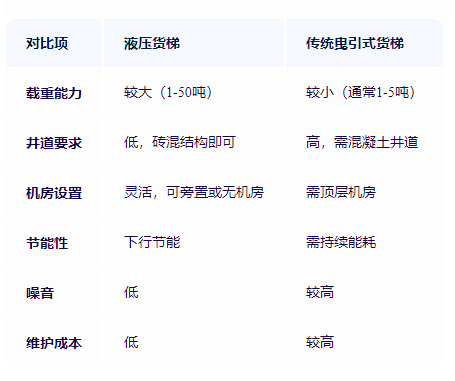
- Hydraulic goods elevators do not require a counterweight mechanism, offering high shaft utilization and are suitable for spaces with limited room.
- The server room can be flexibly located near the shaft, occupying less land area, thereby reducing construction costs.
- High load capacity, smooth operation
- The hydraulic system delivers robust power, capable of supporting heavier loads (typically 1-50 tons), catering to industrial and commercial needs.
- The lifting process is smooth with no shocks, suitable for transporting delicate goods or fragile items.
- High safety performance
- Equipped with multiple safety devices including an overflow valve, emergency manual valve, pipeline break valve, and oil temperature protection, ensuring safe operation.
- The electrical system is equipped with functions such as phase failure protection, phase reversal protection, and overload protection to prevent accidents.
- Low noise, energy-saving and environmentally friendly
- Low noise operation, suitable for environments with high environmental requirements.
- Driven by its own weight during descent, no additional energy consumption is required, demonstrating significant energy-saving effects.
- Easy installation and maintenance
- Low requirement for well shaft structural strength allows for brick and concrete well shafts, reducing construction costs.
- The hydraulic system features a simple structure, easy maintenance, and low failure rate.
Section II: Applicable Scenarios for Hydraulic Freight Elevators
- Industrial Sector: Factory workshops, warehouses, logistics centers, for vertical transportation of raw materials, finished products, and equipment.
- Commercial Fields: Shopping Centers, Supermarkets, Hotels, for goods supply and equipment maintenance.
- Public Facilities: Airports, train stations, and hospitals for the transportation of luggage and supplies.
- Special Locations: Underground garages, mines, docks, suitable for cargo transportation in complex environments.
Section 3: Technical Parameters of the Hydraulic Goods Elevator
Parameter Description: Load capacity range is 1 to 50 tons, customizable as per requirement. Hoisting height generally does not exceed 50 meters, subject to shaft conditions. Speed range is 0.1-0.5 meters/second, adjustable based on usage frequency. Cabin size is designed for customization to accommodate various cargo dimensions. Power supply requirements are 3-phase 380V, 50Hz, with power configured based on load and speed. Safety features include overflow valve, emergency manual valve, pipeline burst valve, overload protection, speed limiter, safety brake, etc.
Section 4: Comparative Advantages of Hydraulic Freight Elevators
V. Purchase and Usage Suggestions
- Be Specific: Select the appropriate model based on parameters such as load capacity, lifting height, and usage frequency.
- Brand and After-Sales: Choose renowned brands to ensure product quality and excellent after-sales service.
- Installation and Acceptance: Professionally installed and strictly inspected according to national standards.
- Regular Maintenance: Schedule regular inspections of the hydraulic and electrical systems to ensure safe operation of the equipment.