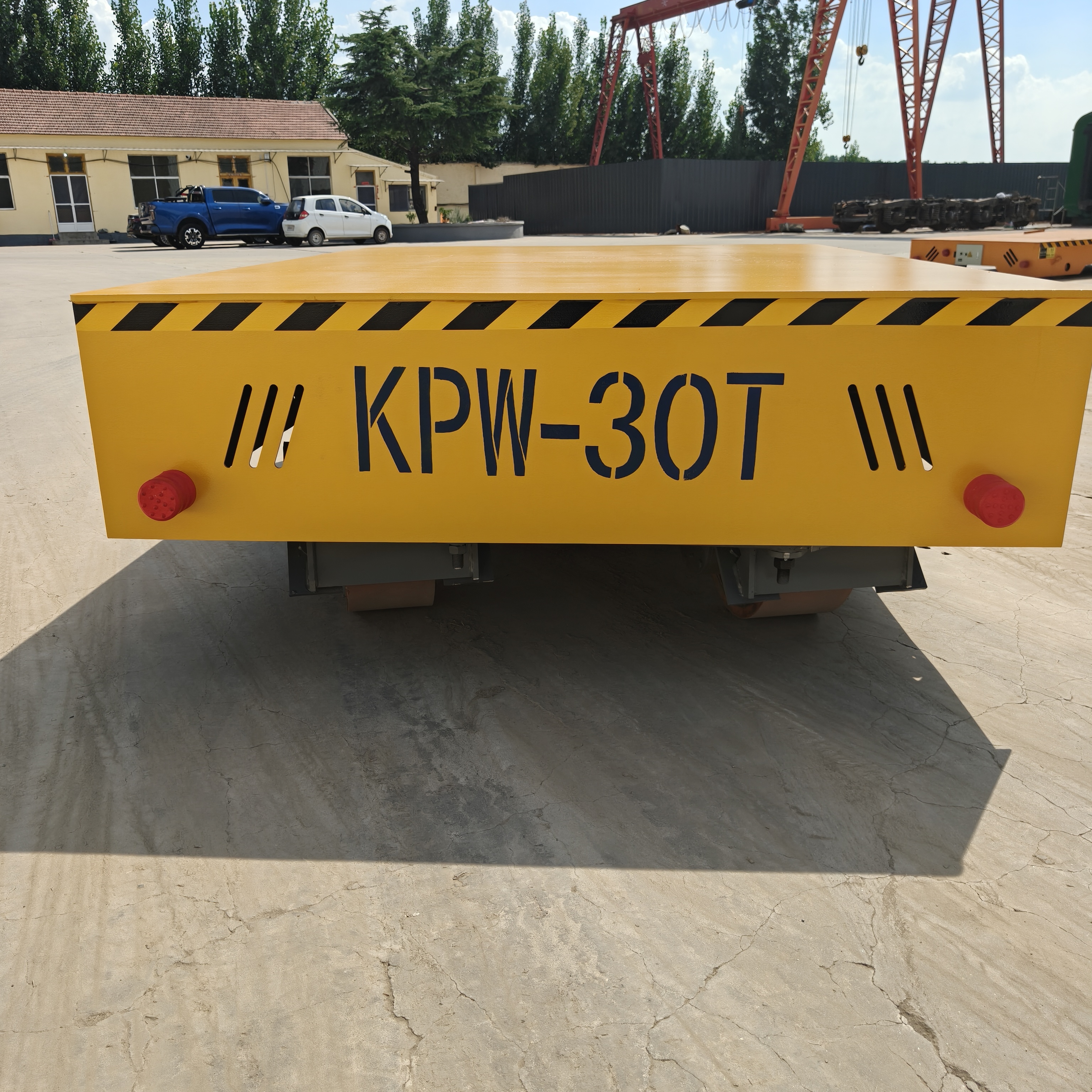









SJD - Track-mounted Fixed Hoist

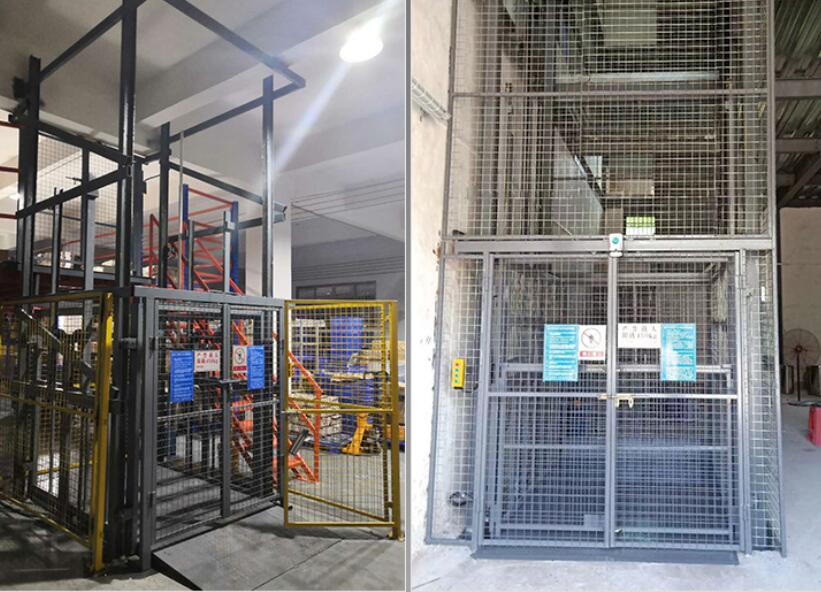
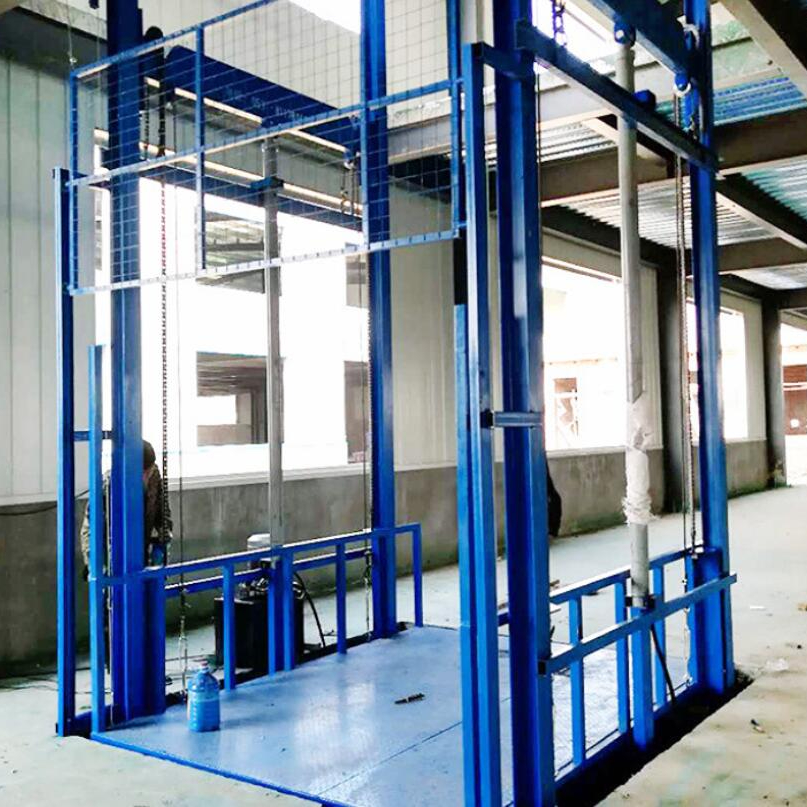
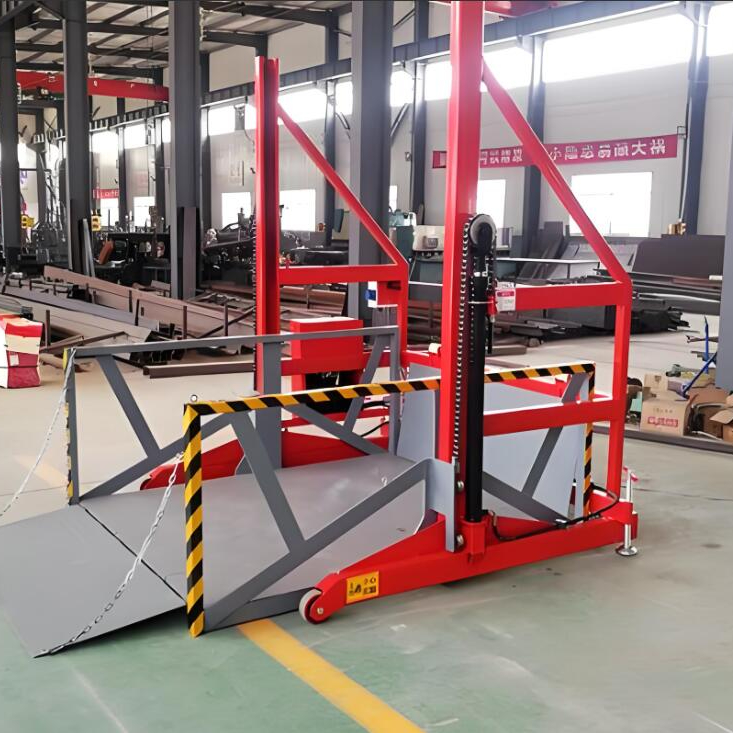
A fixed elevator is a type of stationary vertical transportation equipment used for goods transportation between floors in buildings or for high-altitude operations. It boasts features such as stable structure, strong load-bearing capacity, and smooth operation, and is widely used in industries, commerce, logistics, and other fields. The following sections will introduce the definition, classification, characteristics, application scenarios, and key points for selection.
I. Definition and Classification
Fixed elevators are driven by hydraulic or electric systems to vertically transport goods or personnel to a designated height. They can be categorized according to their structural forms:
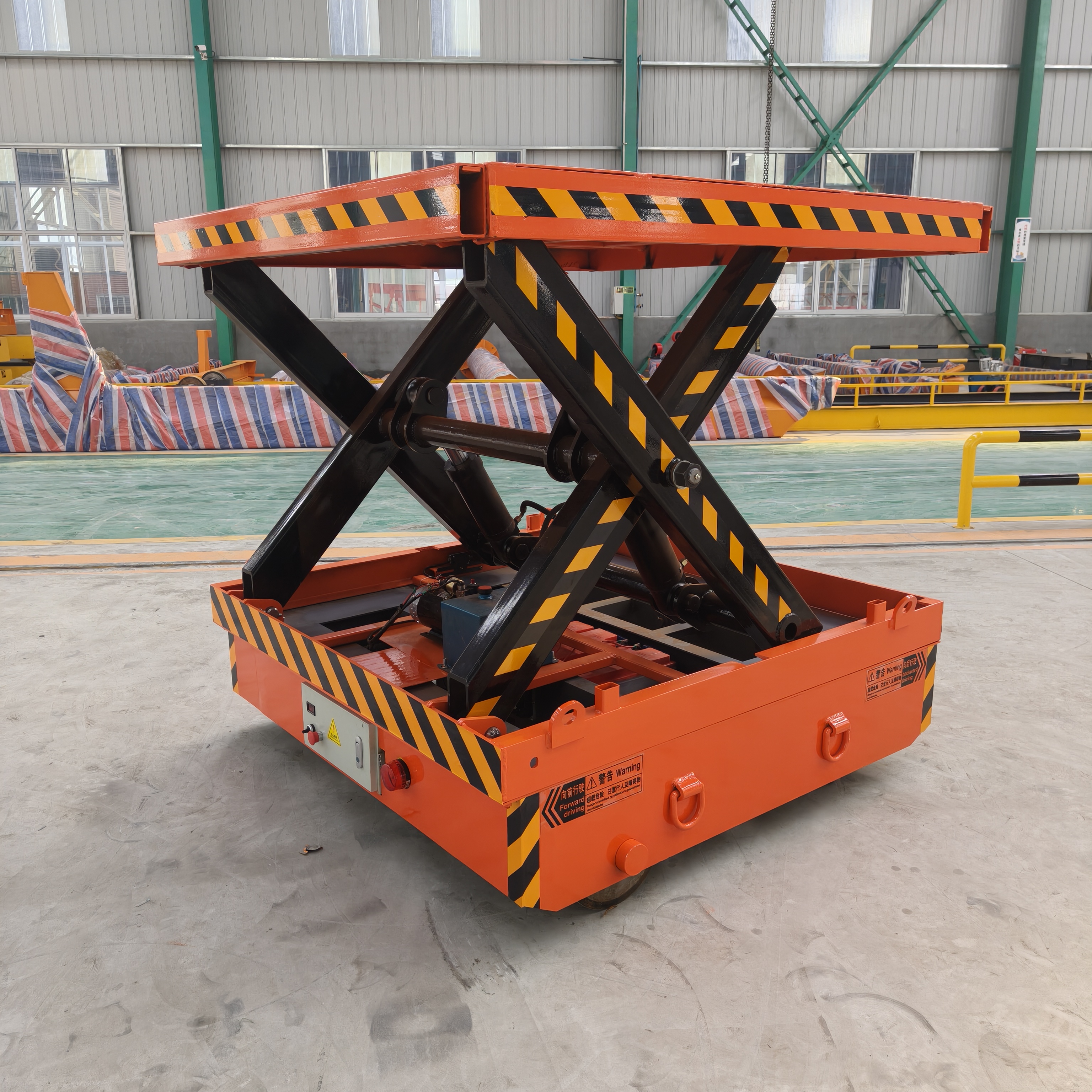
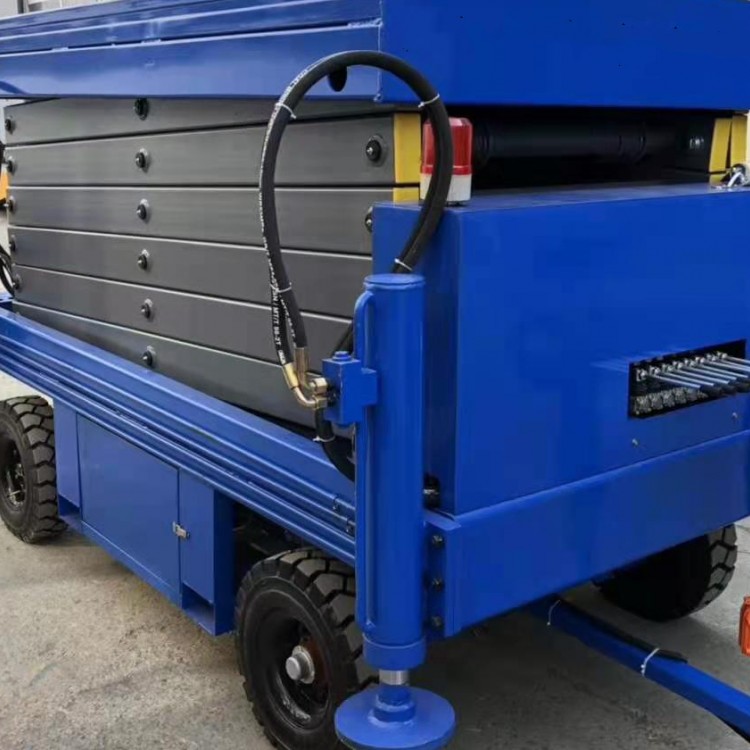
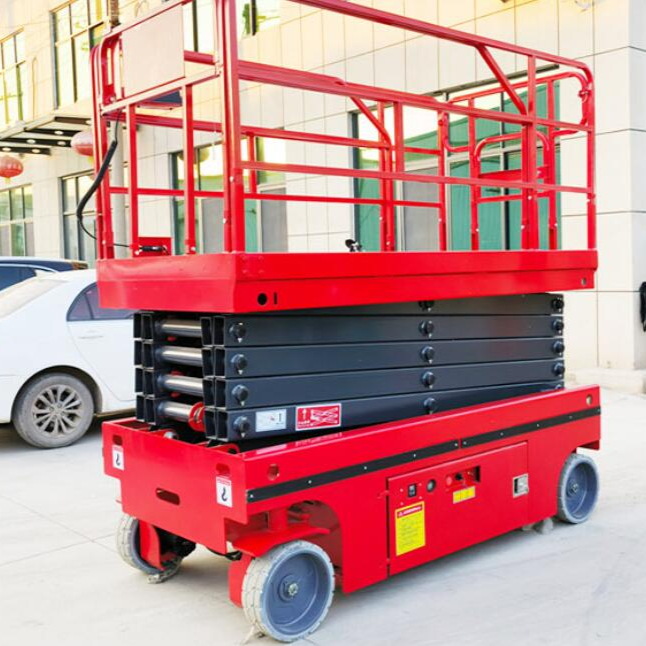
- Scissor Lift: Utilizes scissor mechanical structure, offering high stability and strong load-bearing capacity, suitable for simultaneous operation by multiple people.
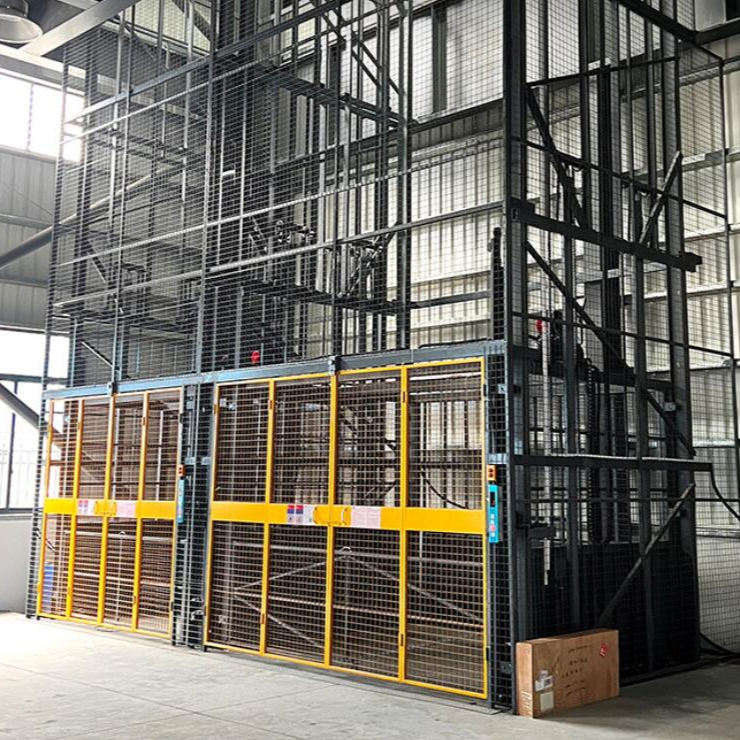
- Guide rail: Guided by tracks for smooth operation, suitable for two to three-story industrial plants, restaurants, and similar settings.
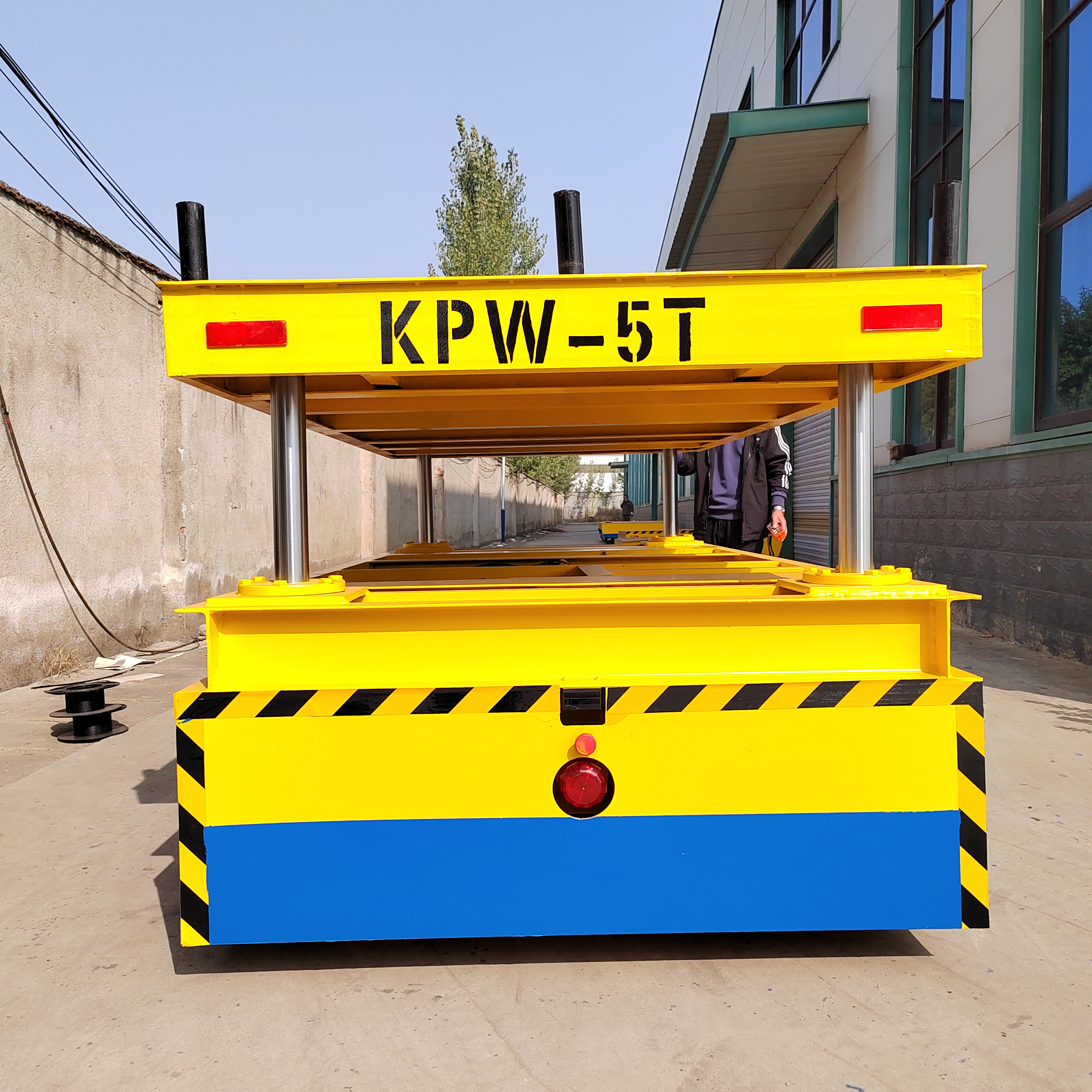
- Cylinder-set: Multi-stage hydraulic cylinders rise vertically with superior stability, suitable for high-altitude operations such as electrical lines and lighting appliances.
- Wall-mounted: No need for a pit, equipped with a chain and gear lifting system, suitable for supermarkets, hospitals, and similar venues.
II. Core Features
- Robust structure: Constructed with high-strength manganese steel rectangular tubes or steel structural platforms, offering high load-bearing capacity and strong stability.
- Safety-Reliable: Equipped with multiple safety protection devices including anti-fall, overload, limit switch, and door electromechanical interlock, ensuring safe operation.
- Operation Simplified: The electrical system includes power, control, and signal devices. Operation buttons can be set on each floor and lift platform work surface, enabling multi-point control.
- Wide applicability: Customizable for load capacity, lift height, and platform area according to requirements, catering to various scenarios.
- Easy Maintenance: The hydraulic system is designed rationally, with imported components for cylinders and seals, reducing oil leakage risks and extending service life.
Section 3: Application Scenarios
- Industrial Sector: High-contrast cargo transportation on production lines, height adjustment for workpiece assembly, large-scale equipment assembly, etc.
- Commercial Field: Three-dimensional parking garage car lift, quick loading and unloading of warehouse goods, etc.
- Logistics Field: Forklifts and other transport vehicles for cargo handling, enhancing logistics efficiency.
- Aerial Work: Power line maintenance, high-rise cleaning, billboard installation, etc.
Section 4: Selection Tips
- Define Requirements: Determine parameters such as lift height, load capacity, and platform size based on the application scenario.
- Focus on Safety: Ensure that the equipment is equipped with necessary safety devices, such as fall protection, emergency stop switches, overload protection, etc.
- Consider power: Choose electric or hydraulic power system based on usage frequency; electric is suitable for frequent use, while hydraulic is ideal for heavy items.
- After-sales Service: Choose manufacturers with good reputation, strong capabilities, and comprehensive after-sales support to ensure long-term stable operation of the equipment.
- On-site inspection: Conduct an on-site inspection prior to purchase to understand the actual performance and quality of the equipment.