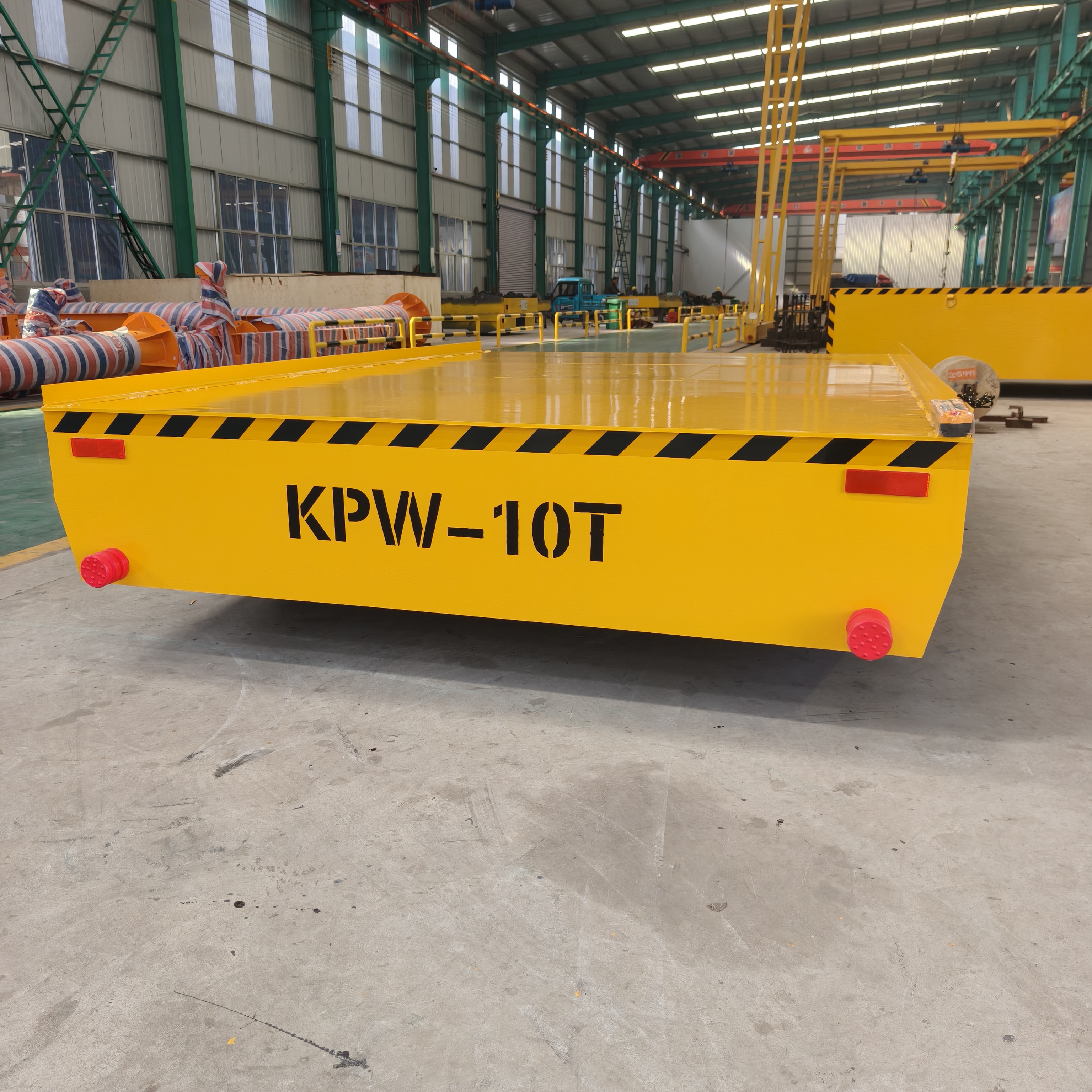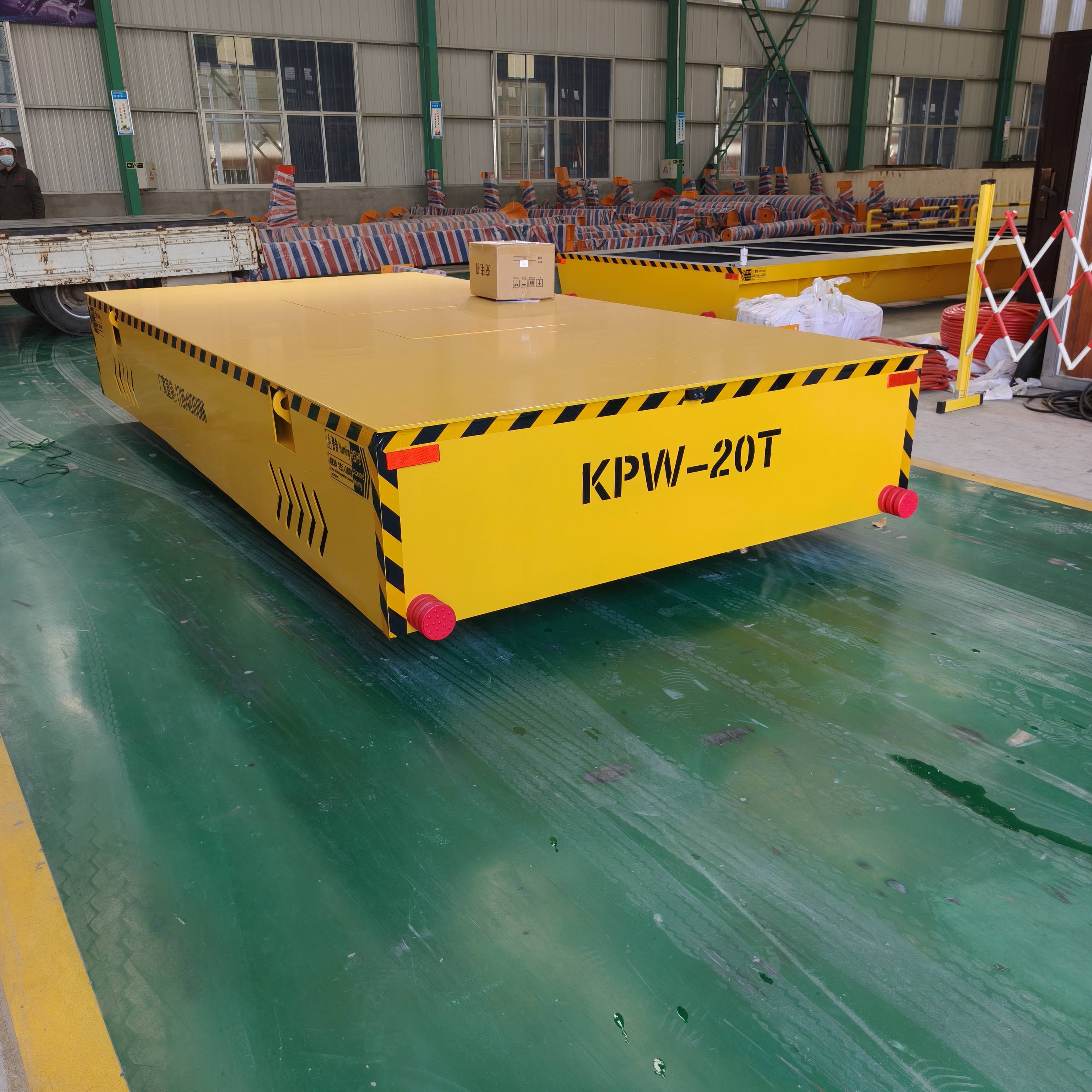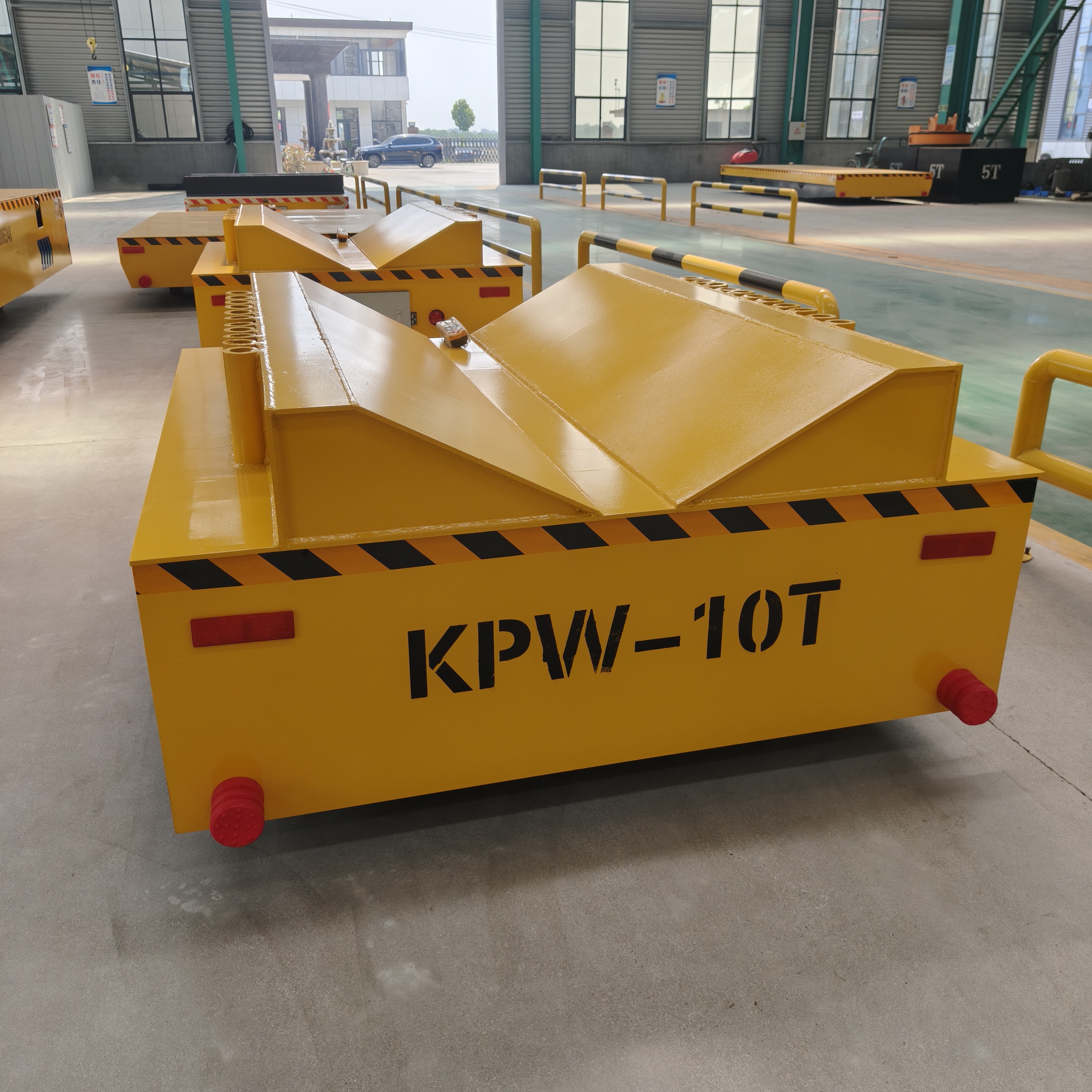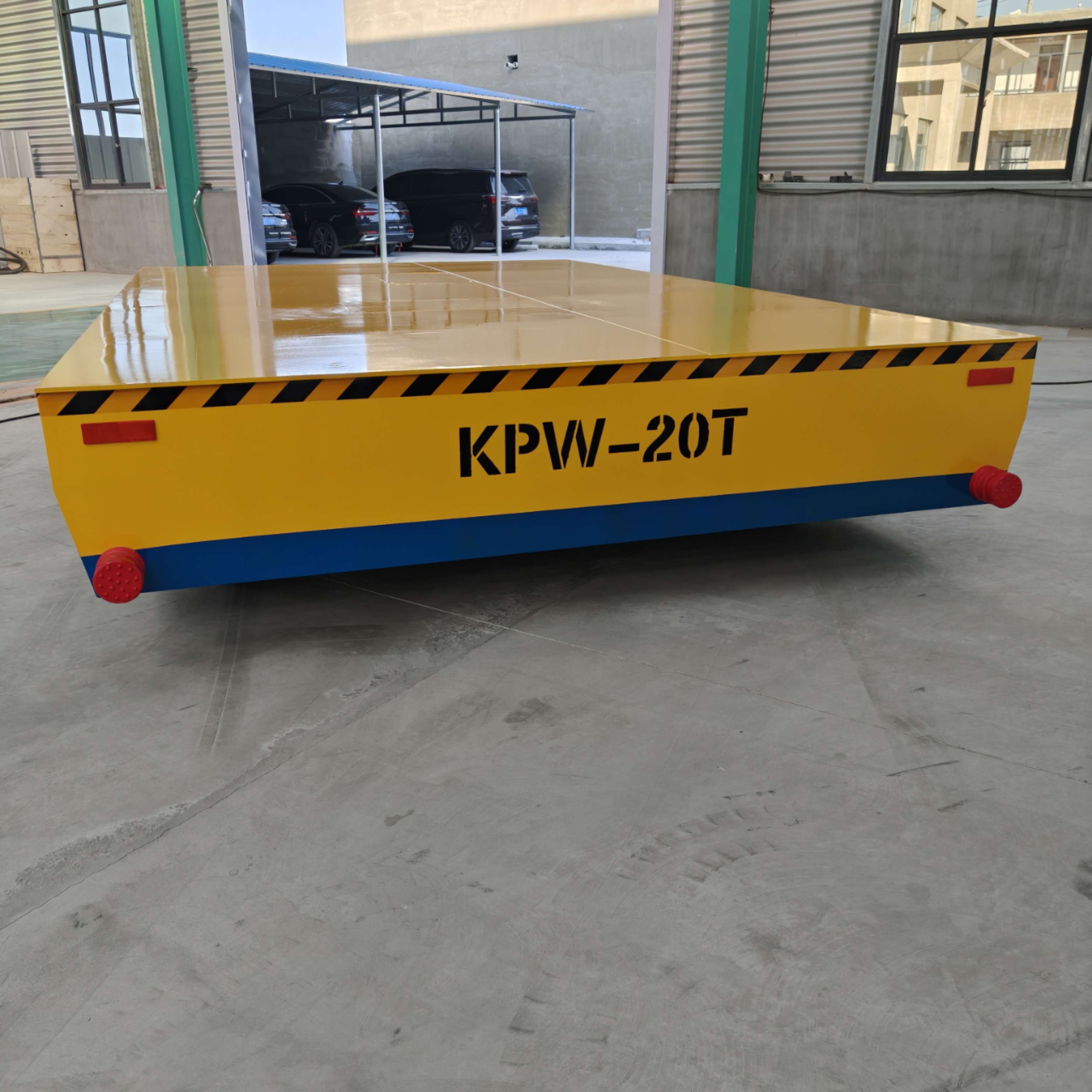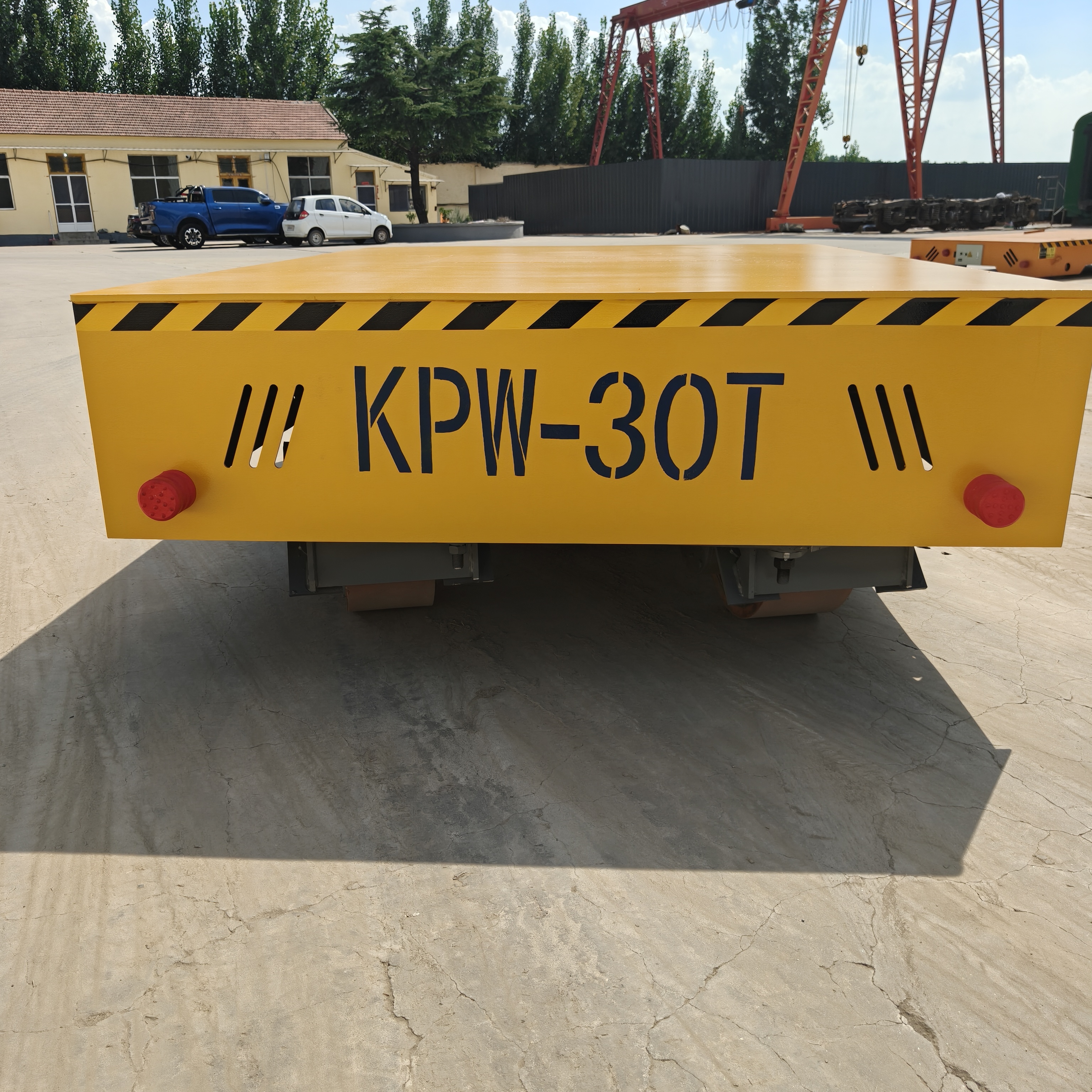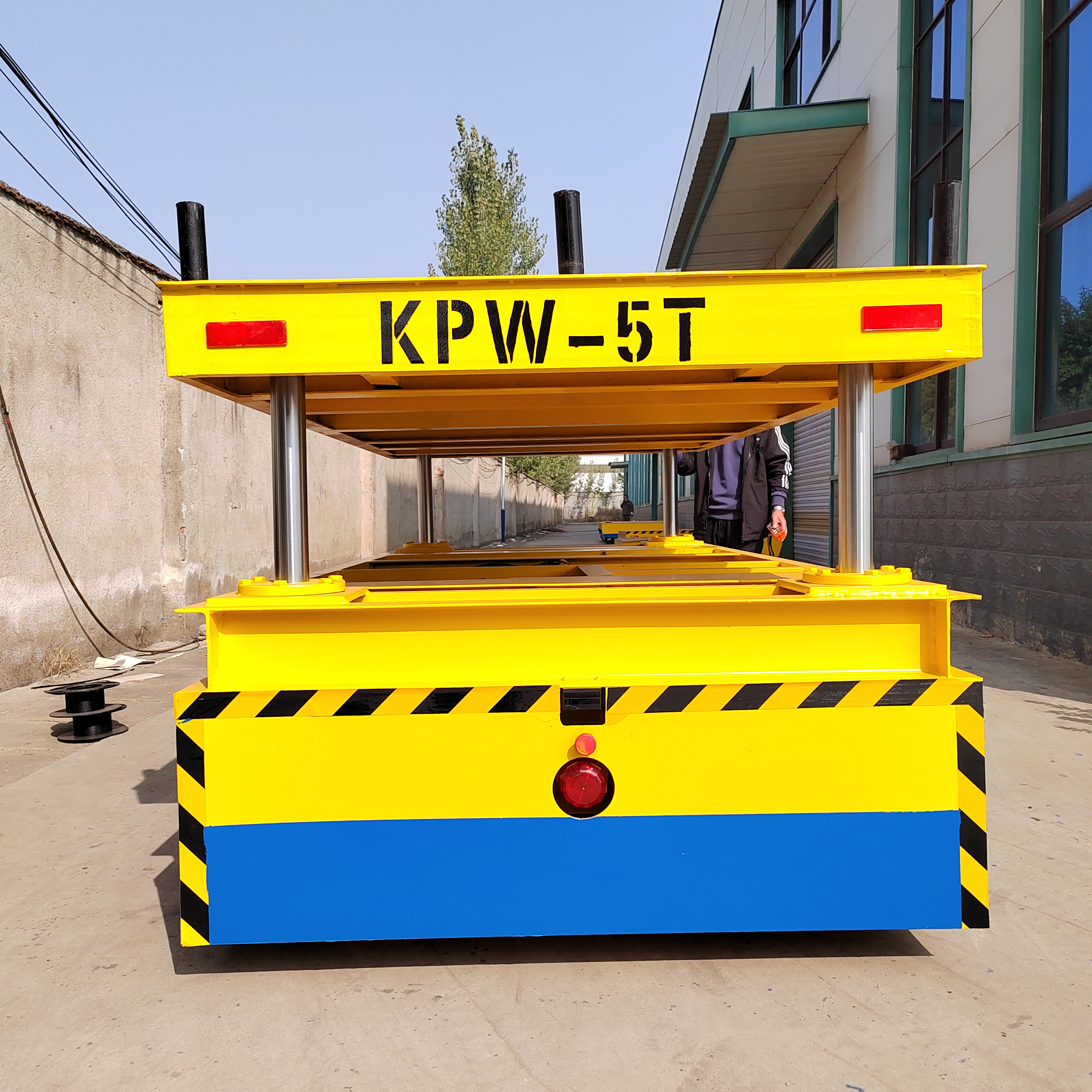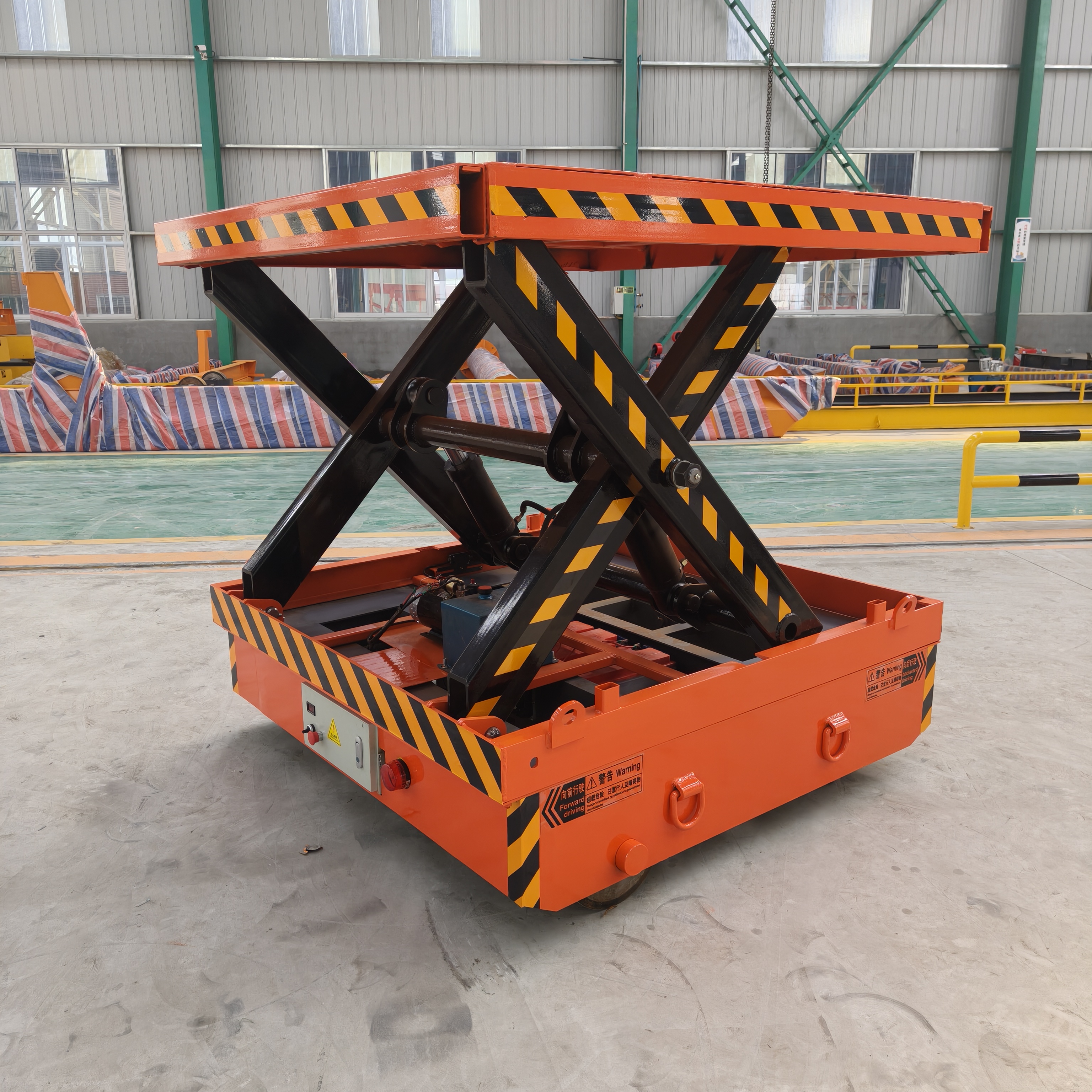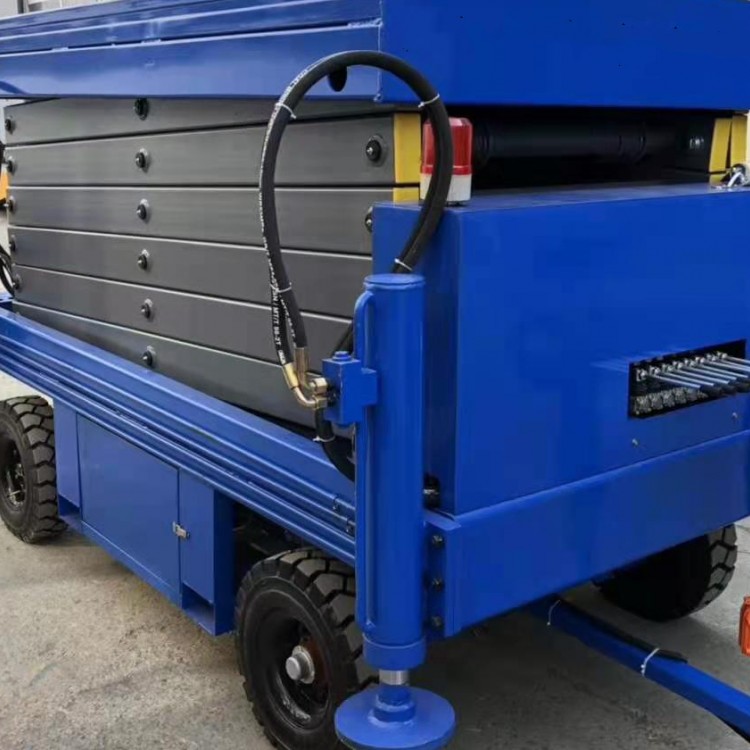










Fixed platform vehicle bridge

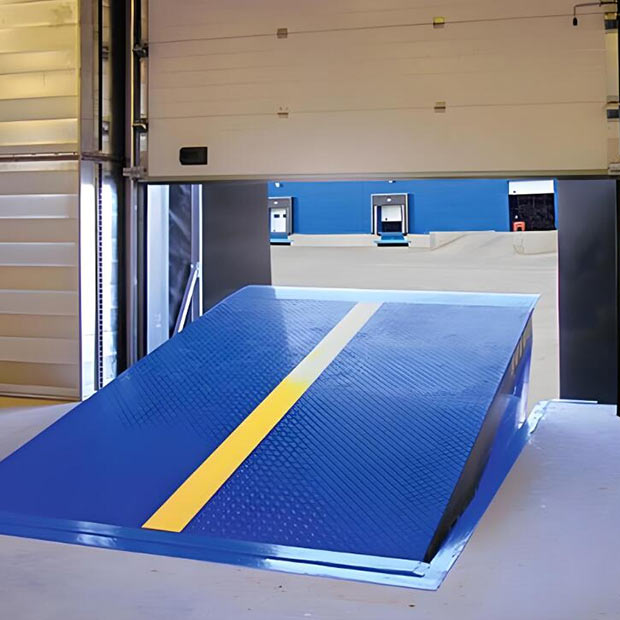
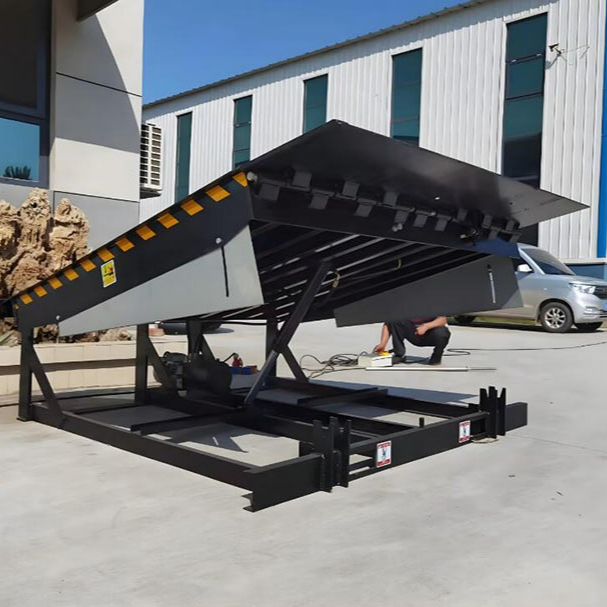
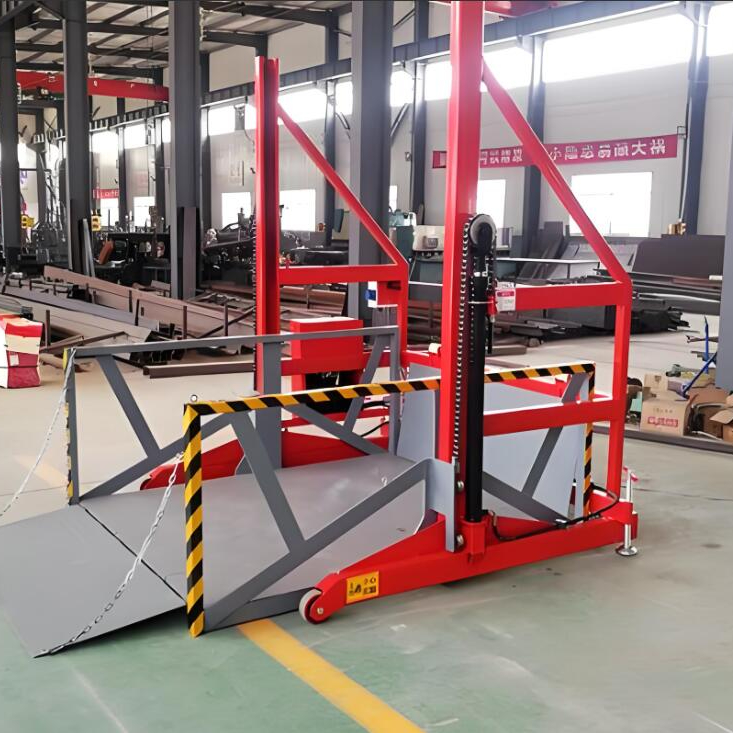
A fixed-type boarding bridge is an auxiliary loading and unloading equipment that is used in combination with warehouse platforms. By being integrated with the platform, it forms a bridge between the truck and the warehouse platform, facilitating rapid loading and unloading of goods. Below is a detailed introduction to its features, application scenarios, and purchasing suggestions:
I. Product Features
- All-hydraulic drive
- Utilizing imported hydraulic pump stations, operation is simple and reliable, allowing for smooth and safe elevation of the main worktop and extension of the extension board via the hydraulic system.
- Sturdy structure
- Manufactured from high-strength steel (such as premium Q235 steel plate) and with professional welding techniques, the overall structure is robust and durable, ensuring long-term stable operation.
- Highly adjustable
- Adjustable to different heights of truck trailers, with a wide range for easy forklift access, enhancing loading and unloading efficiency.
- High safety performance
- Anti-squeeze side panels are installed to prevent toes from extending into the platform and causing accidental injury.
- Equipped with safety support poles to ensure the safety of maintenance personnel when entering the boarding bridge for maintenance.
- The hydraulic system is equipped with a reliable speed valve to prevent free fall of the loading/unloading platform and its load.
- Low maintenance costs
- Simple structure, with reliable quality of main components, requiring only regular inspections and simple maintenance like changing hydraulic oil and lubricating moving parts.
- Anti-slip design
- The platform features anti-slip patterned steel plate, providing excellent anti-slip performance to ensure safe operation.
- Customizable Flexibility
- Customizable to different locations and usage requirements, such as varying lengths, widths, and load capacities.
II. Application Scenarios
- Logistics and warehousing industry
- Container Handling: At the cargo terminal, for transferring containers stacked on the ground to ships or trucks.
- Goods Sorting and Transshipment: Connects different levels of shelves and loading/unloading platforms in large warehouses or logistics centers.
- Factory workshop
- Production Line Connections: Connect different-height production lines and equipment for quick material and product transfer.
- Heavy Equipment Transportation: Provides stable support and convenient pathways for transporting heavy or large equipment.
- Parking and traffic facilities
- Large transport vehicle loading and unloading: Provides a convenient loading and unloading platform for trucks, vans, etc.
- Public Transportation Facilities Maintenance: Connects different-height repair platforms and equipment for convenient operations by maintenance staff.
- Special scenarios
- Petroleum & Chemical Logistics: Meets high-intensity anti-corrosion treatment requirements and adapts to special environments.
- Emergency Repair Work: Connects different-height repair areas and work platforms for quick operations by repair personnel.
III. Buying Suggestions
- Define Requirements
- Select an appropriate load capacity based on the weight of goods from daily operations to prevent bridge damage due to overloading.
- Focus on height adjustment range
- Select a boarding bridge that can accommodate various heights to suit different warehouses and transportation vehicles.
- Materials and Structure
- High-quality steel or aluminum offers improved load-bearing capacity and corrosion resistance, with reasonable structural design enhancing stability.
- Safety
- Select a boarding bridge with a non-slip surface, safety railing, and adjustable cable chain to ensure safe operation.
- Convenience and Flexibility
- Consider the customization flexibility of the boarding bridge, and whether it can accommodate specific site requirements.
- Price and Value for Money
- Compare prices and performance of various products to choose one that fits the budget and meets the requirements.
- After-sales service
- Choose manufacturers with a solid reputation and good word-of-mouth, ensuring high-quality after-sales service.
Section 4: Technical Parameter Example
- Width: 1.8 meters to 2.5 meters (standard width of 2 meters is suitable for most medium-sized trucks and forklift operations).
- Length: 3.5 to 4.5 meters (ensuring smooth fit with trucks of varying heights).
- Height: 0.8 to 1.2 meters (adjustable according to the warehouse floor and truck chassis height).
- Load Capacity: Typically ranges from 6 to 10 tons, with some custom models capable of higher weights.