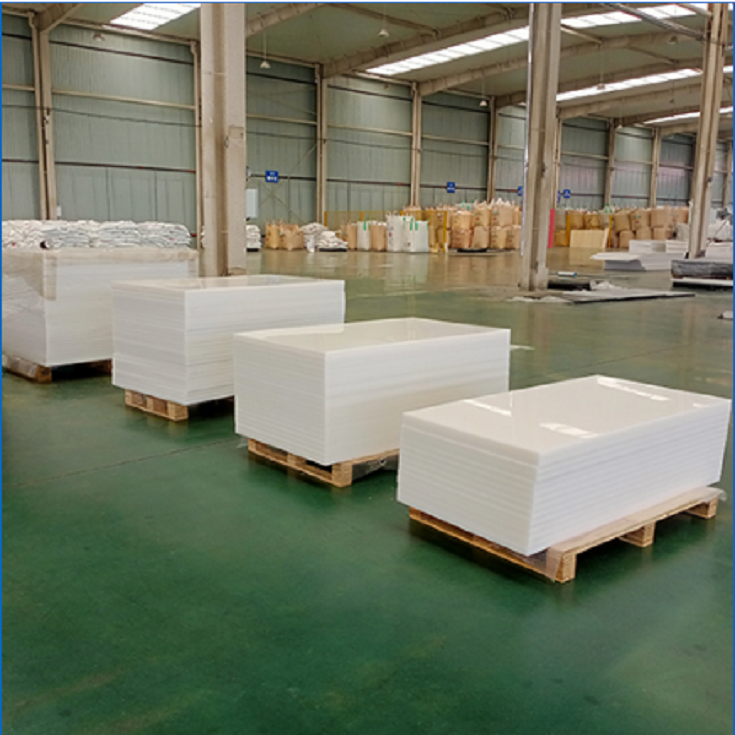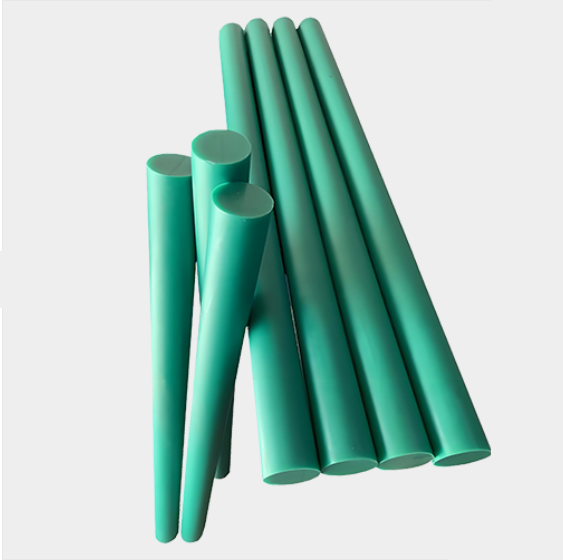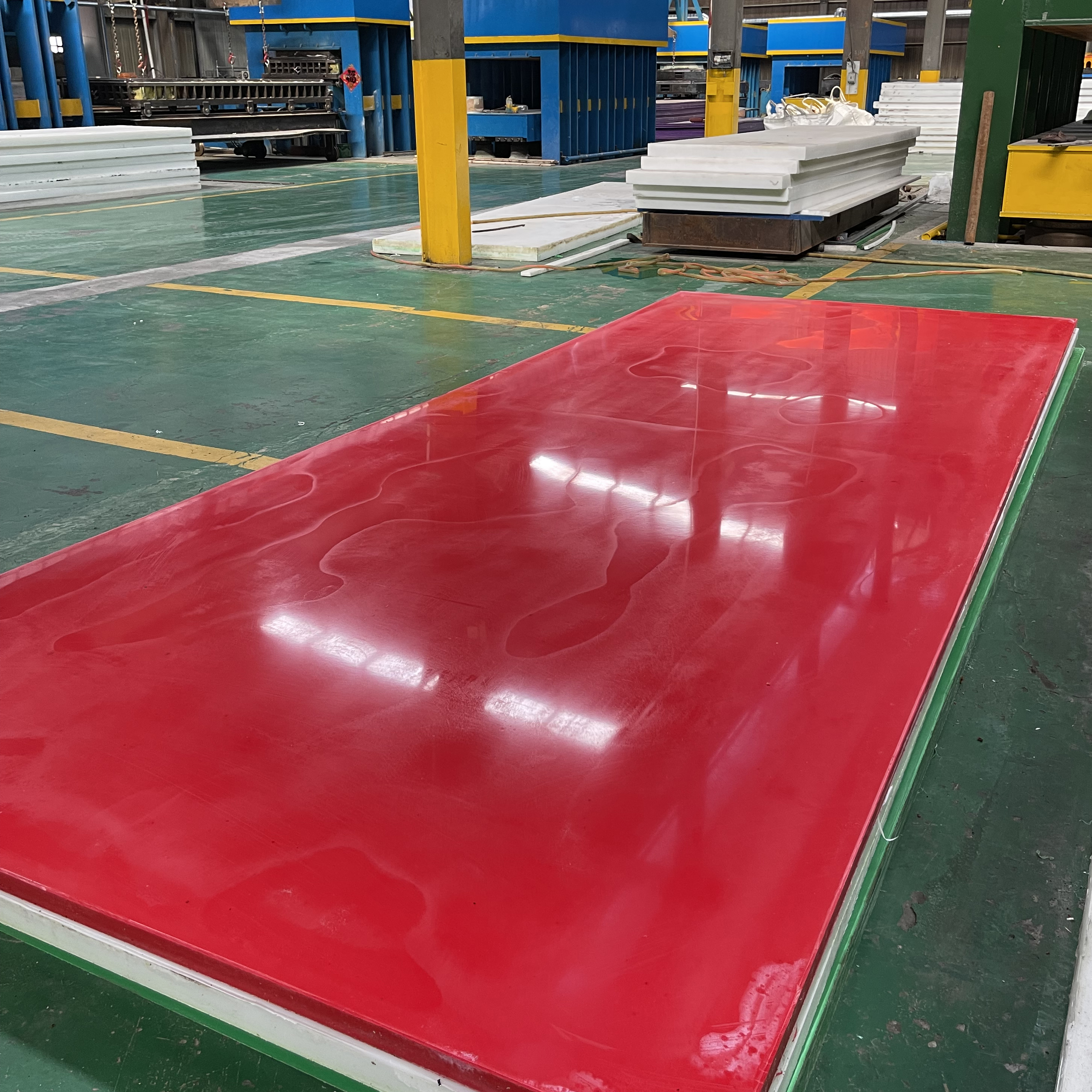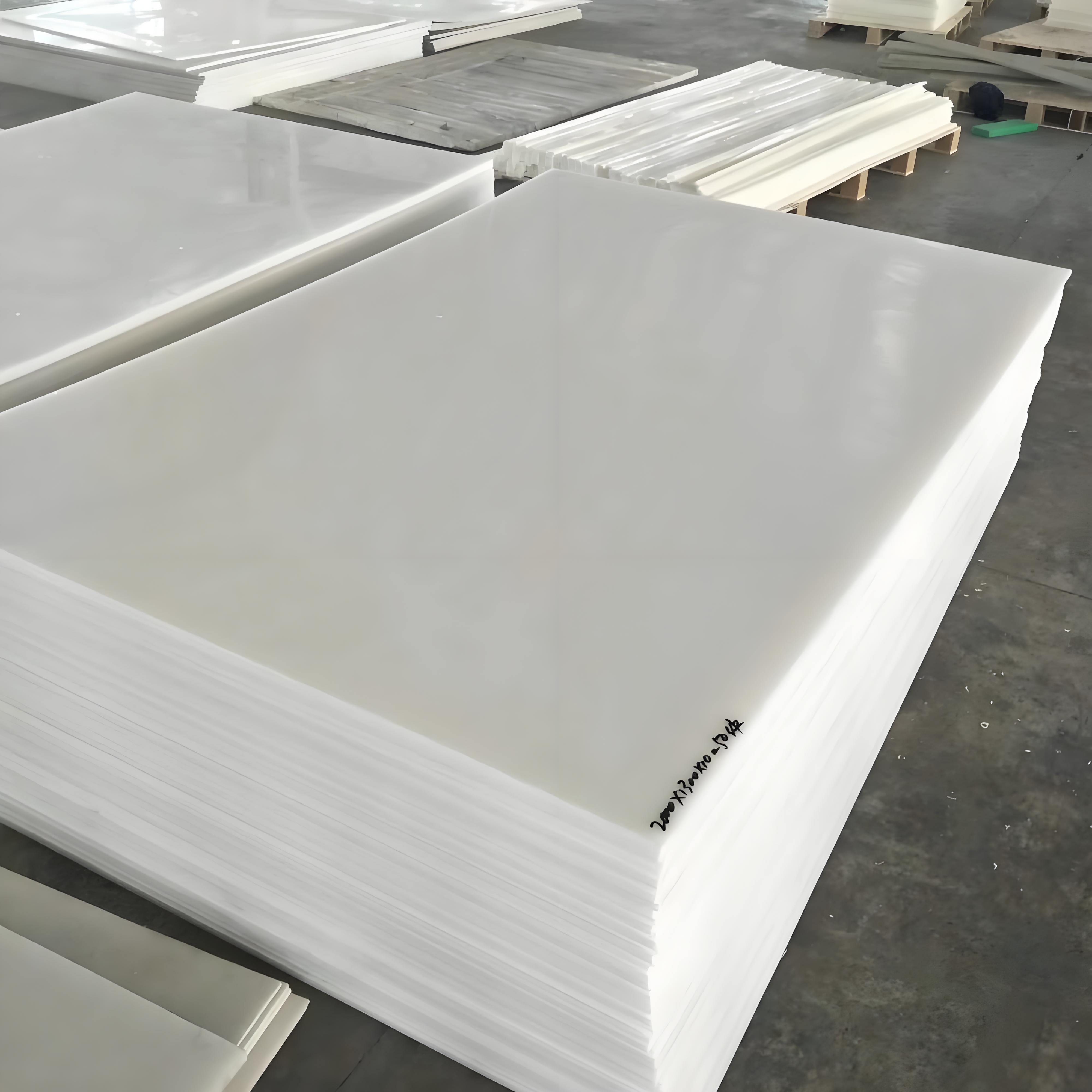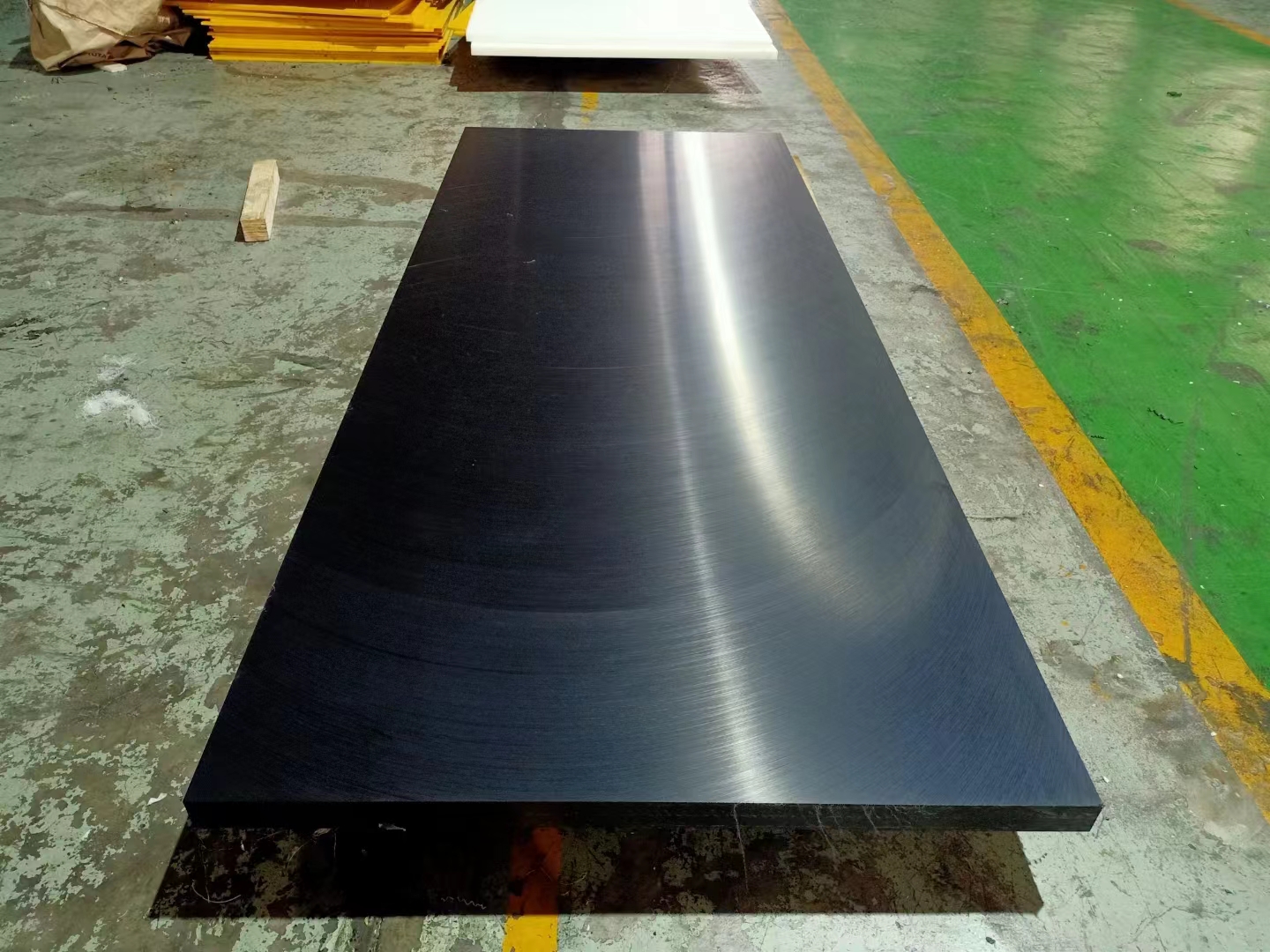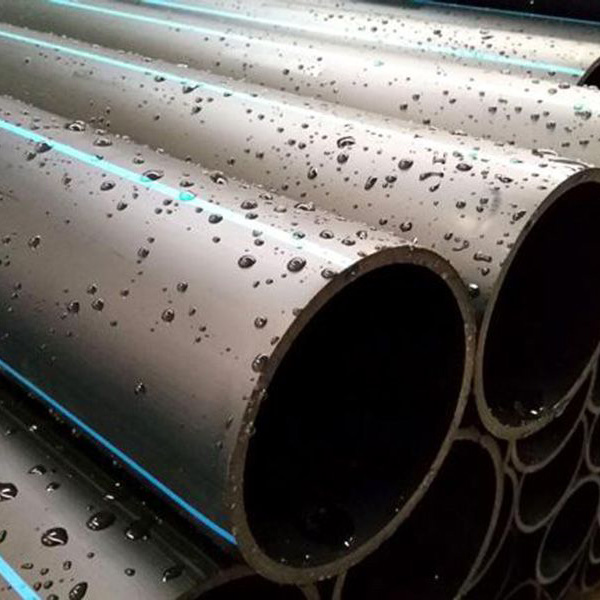

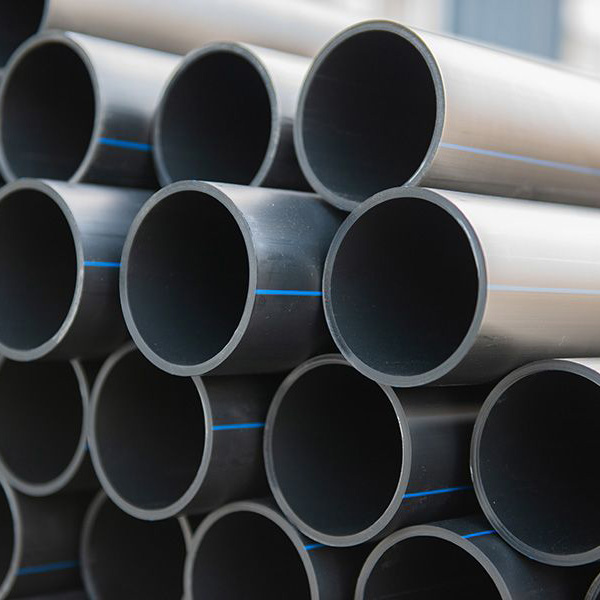
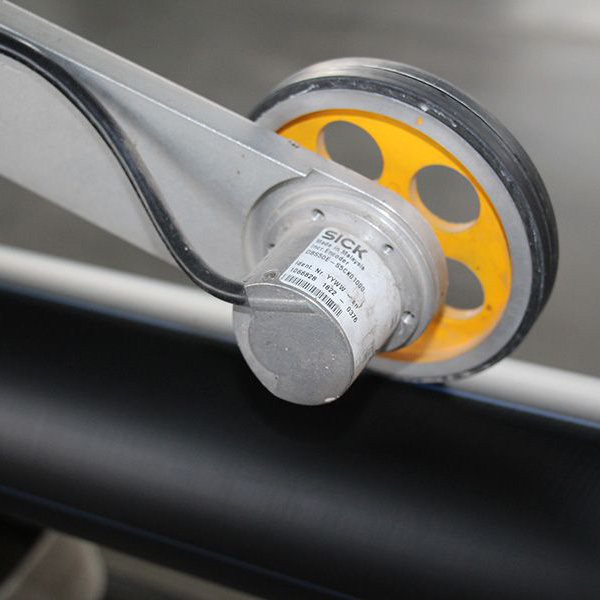


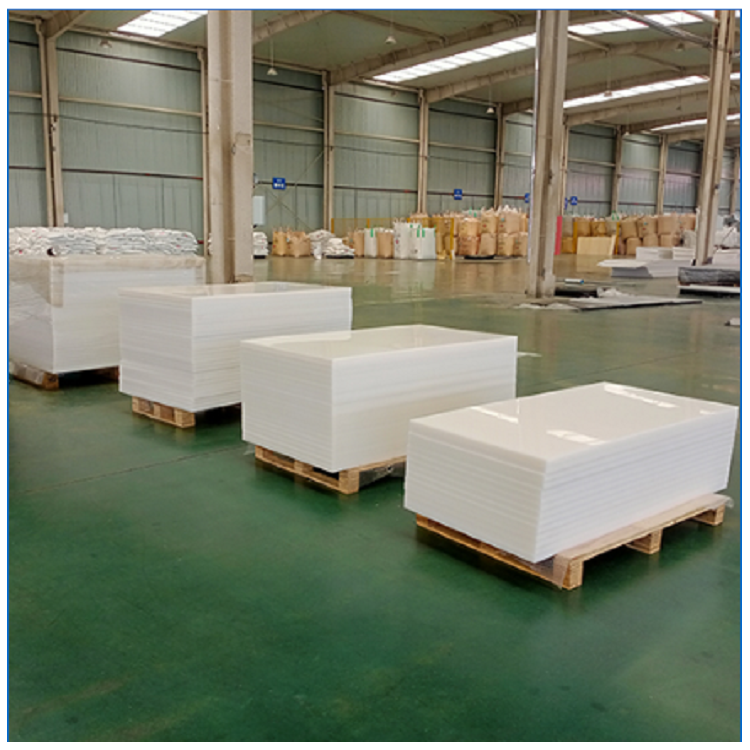

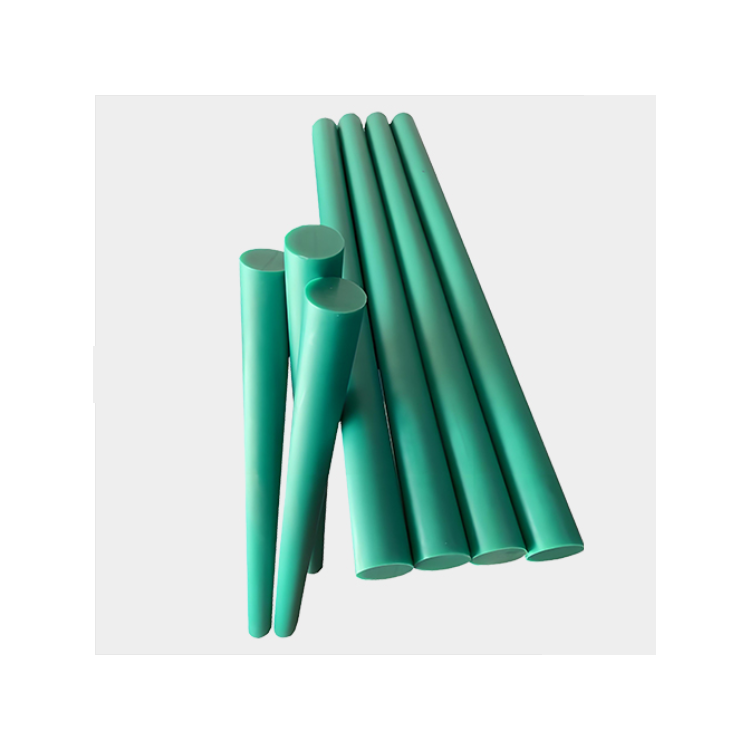
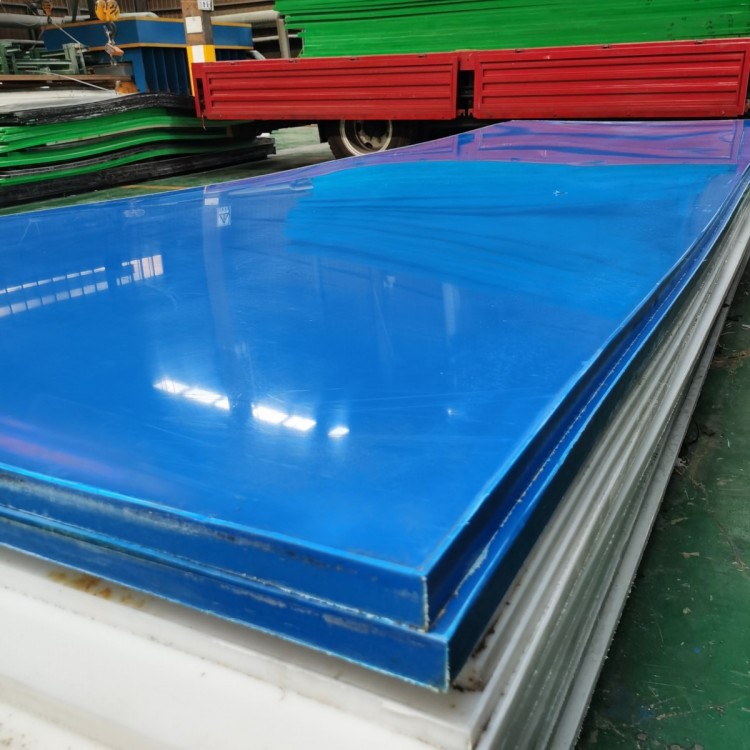
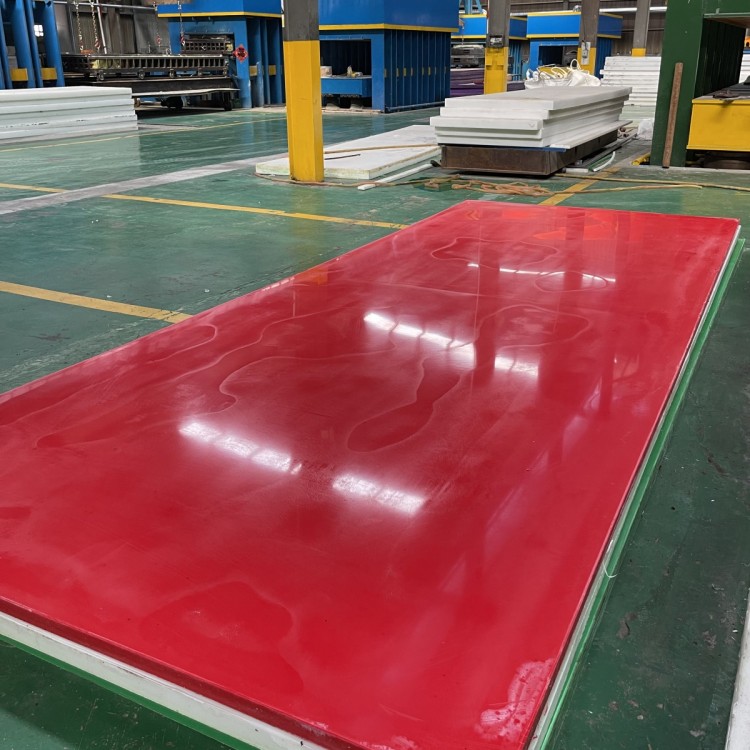





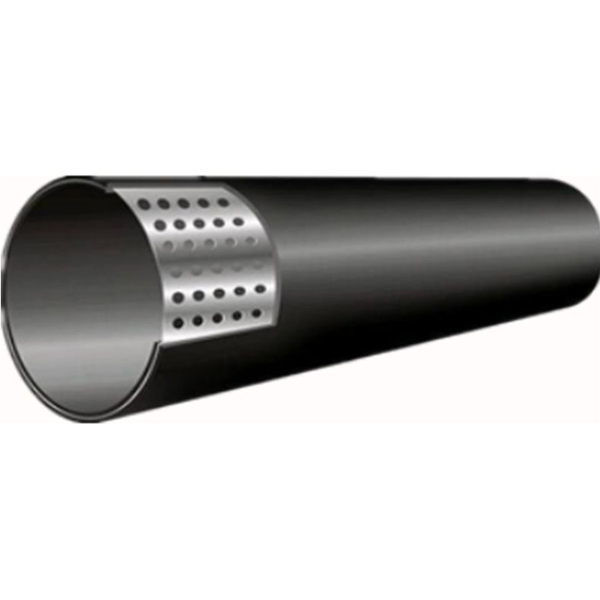
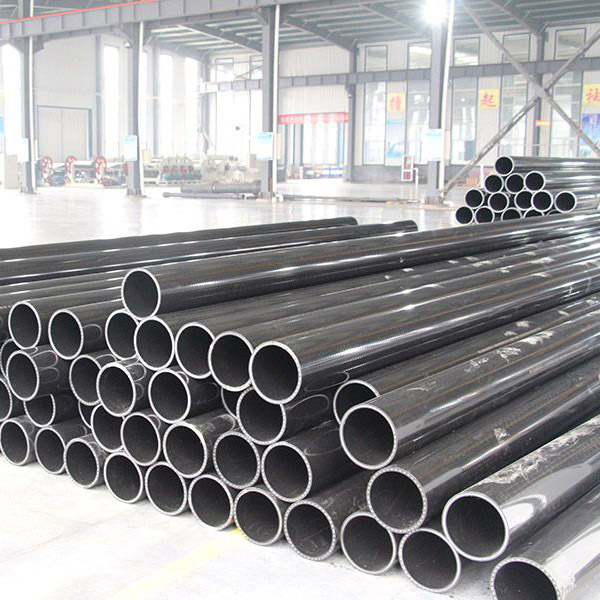
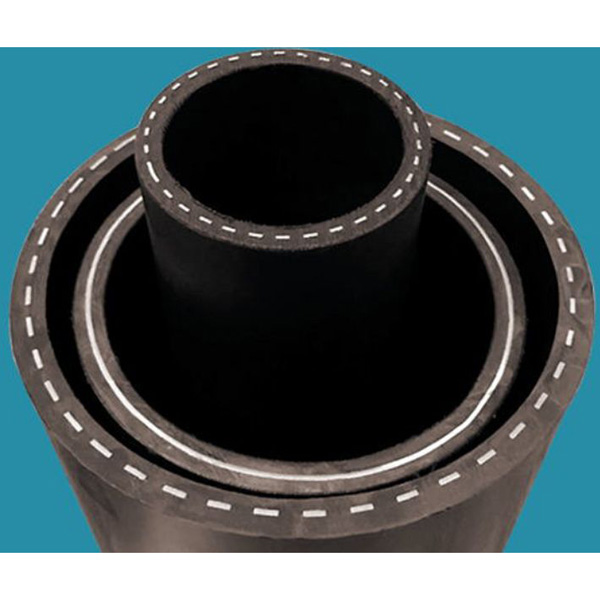
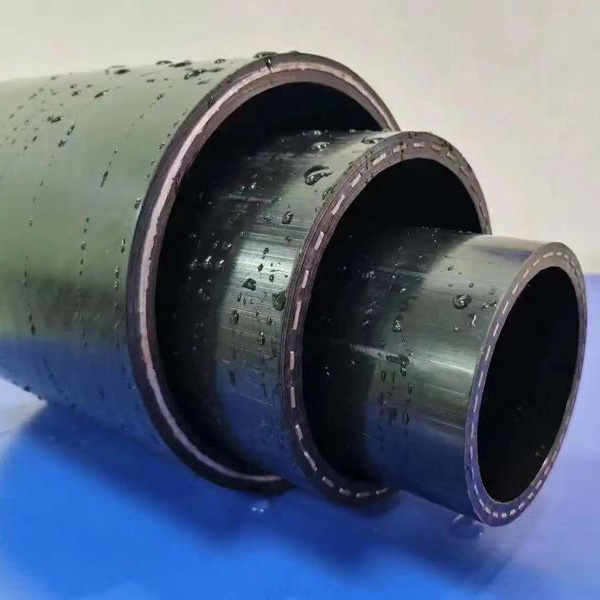
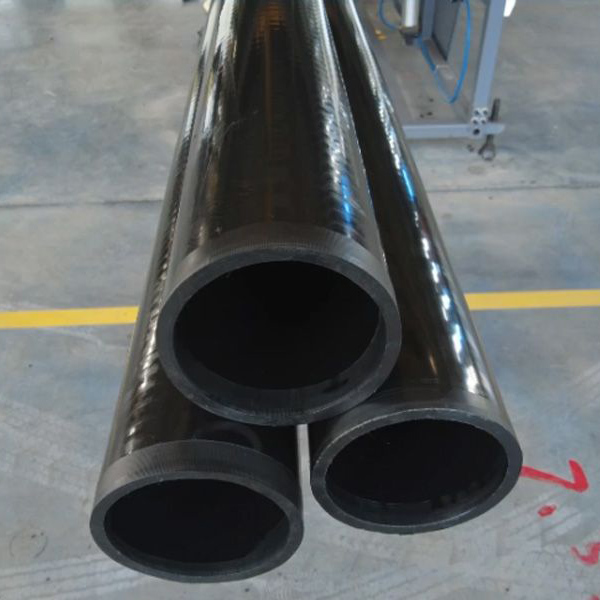
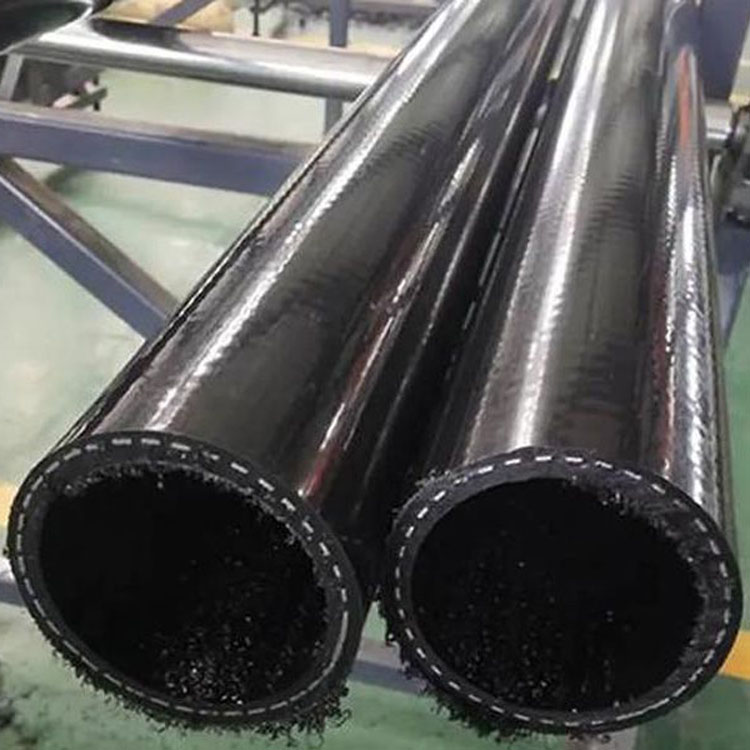
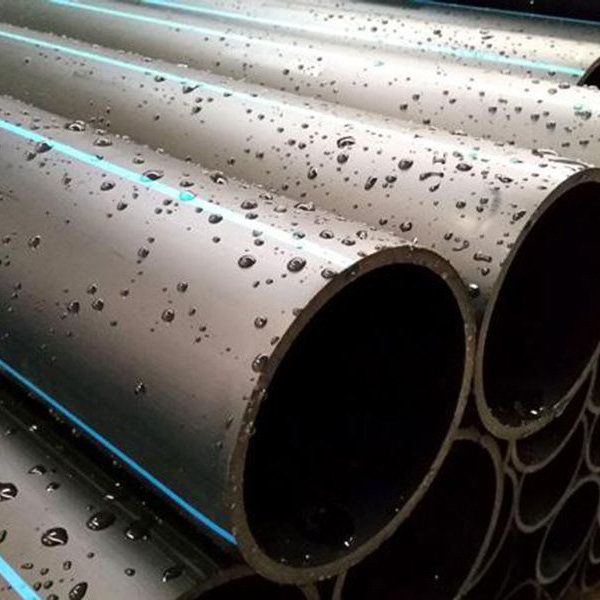
PE pipe is a plastic piping material made by extrusion molding with **Polyethylene (Polyethylene, abbreviated as PE)** as the core raw material. It has become the mainstream piping material in fields such as municipal engineering, gas transmission, and water supply and drainage systems, thanks to its excellent corrosion resistance, flexibility, and service life. Its technical specifications and application scenarios are governed by clear industry standards.
Typical Application Fields
Municipal water supply and drainage: PE100 pipe material with smooth inner wall (roughness n=0.009), low head loss and non-scaling, widely used in urban water supply networks and rainwater-sewage separation pipelines.
Gas Transmission: PE80/PE100 gas pipes meet the GB 15558.1-2015 standard, featuring antistatic and corrosion-resistant properties, capable of replacing traditional steel pipes to reduce the risk of leaks.
Industrial Fluid Transfer: Used for the transportation of corrosive media such as dilute acids and alkalis in the chemical and mining industries.
Agricultural Irrigation: The small diameter PE pipes are highly flexible, suitable for both buried or suspended installations, accommodating the complex terrain of farmlands.