









1. Applications on concrete bridge structures
During the cold winter, large amounts of rock salt are spread on bridges and road surfaces annually to prevent freezing. However, saltwater is highly corrosive to traditional reinforced concrete bridges. The use of composite reinforcement can significantly reduce corrosion issues in bridges, lower maintenance costs, and extend the service life of the bridges.
2. Applications in Road Construction
In road construction, both reinforced concrete road surfaces and prestressed concrete highways require enhanced durability. The use of road deicing salts exacerbates the corrosion of steel reinforcement. To address this corrosion issue, the use of composite reinforcement materials has shown significant advantages. For instance, the RTD Industries Inc. has applied composite reinforcement to highways in Iowa and Wisconsin.
3. Applications in structural concrete for ports, docks, coastal areas, parking lots, etc.
Whether it's the parking garage at high levels, ground-level parking, or underground parking, there are issues with anti-freezing technology. Many buildings along the coast have experienced significant deterioration in their reinforcing steel due to the corrosion caused by sea salt in sea breezes. Therefore, composite reinforcement is required in all these situations.
4. Applications in Anti-corrosion Construction
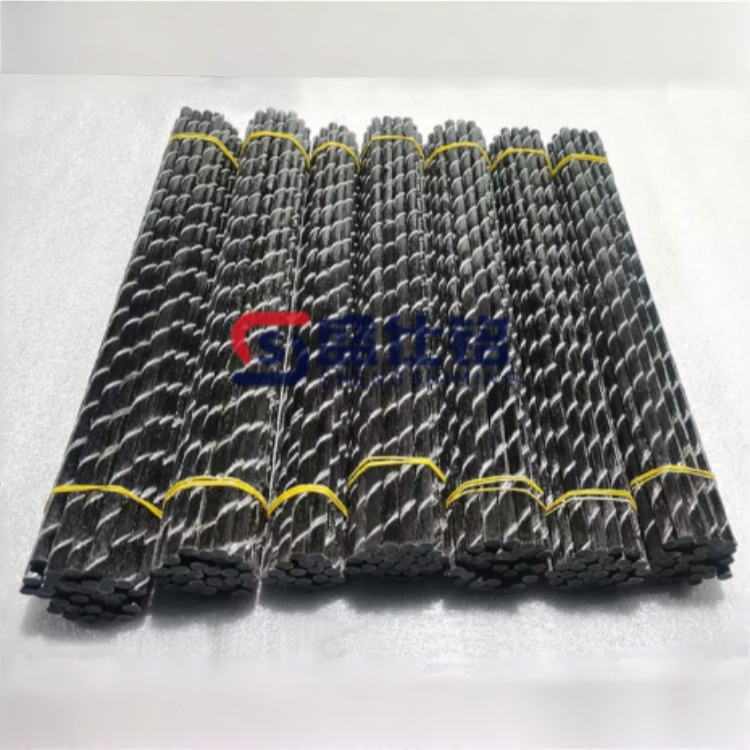
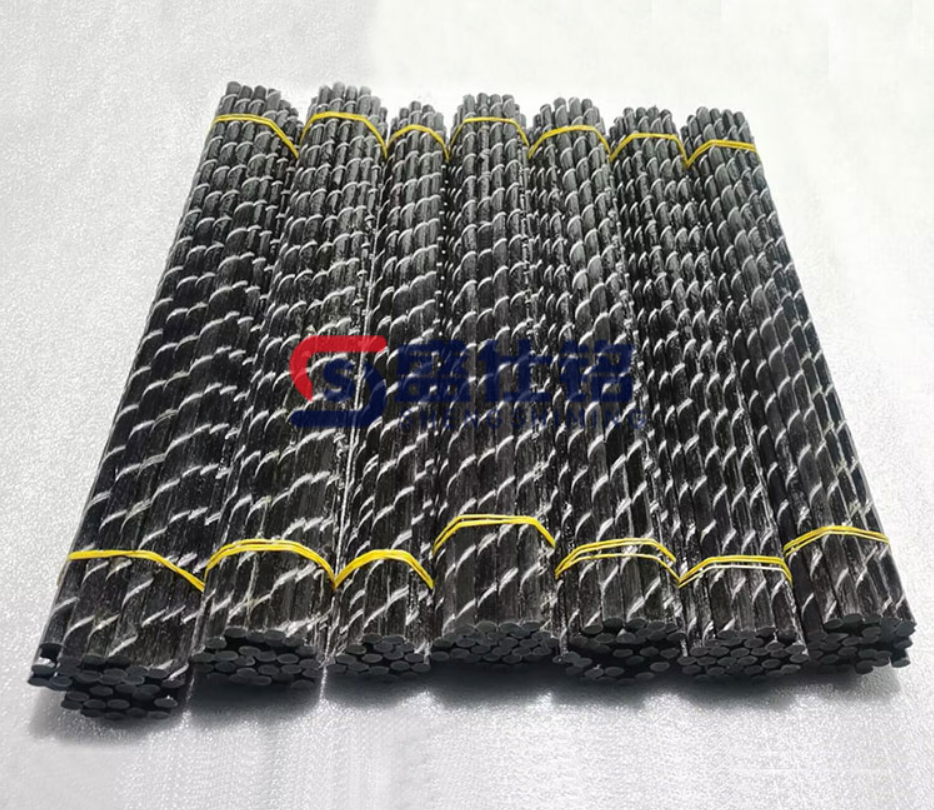
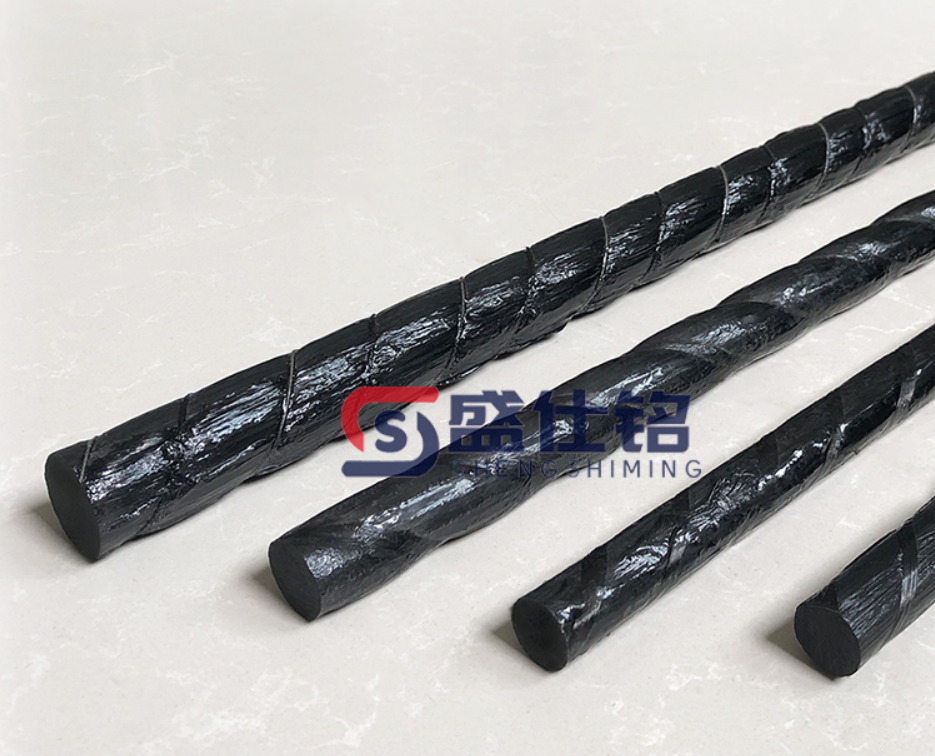
Wastewater from residential and industrial sources is a major cause of corrosion in reinforcing steel. Other gaseous, solid, and liquid chemicals can also lead to corrosion. Composite rebars, however, have superior corrosion resistance, making them widely applicable in wastewater treatment plants, equipment for wastewater treatment, and petrochemical equipment.
5. Applications in Underground Engineering. In underground construction, composite reinforcing grids are commonly used for reinforcement.
6. For use in components in low conductivity and non-magnetic fields.