
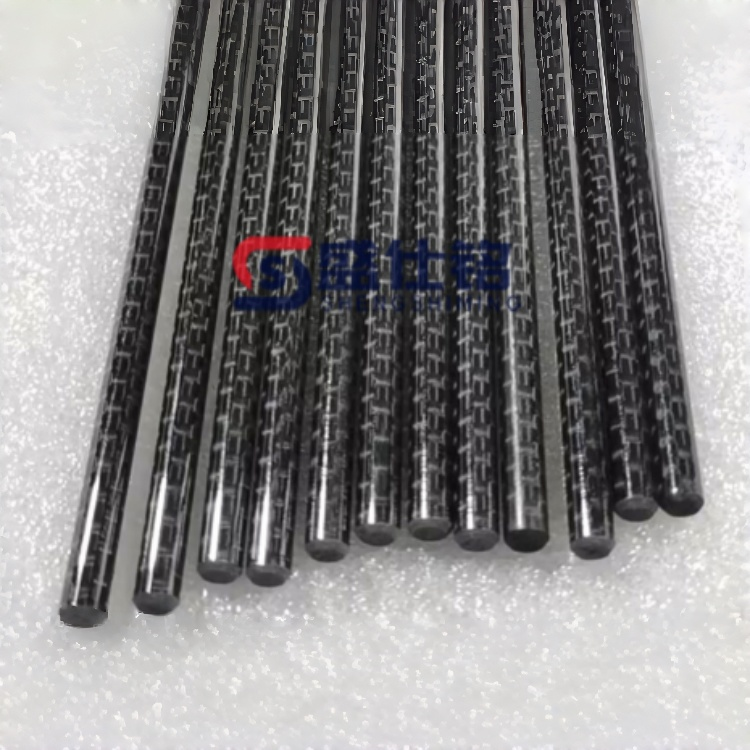







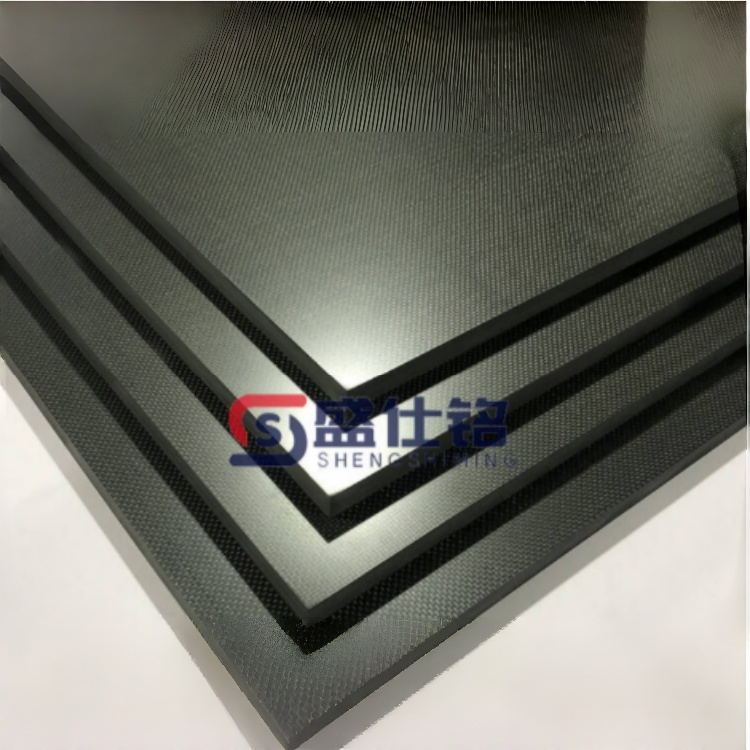
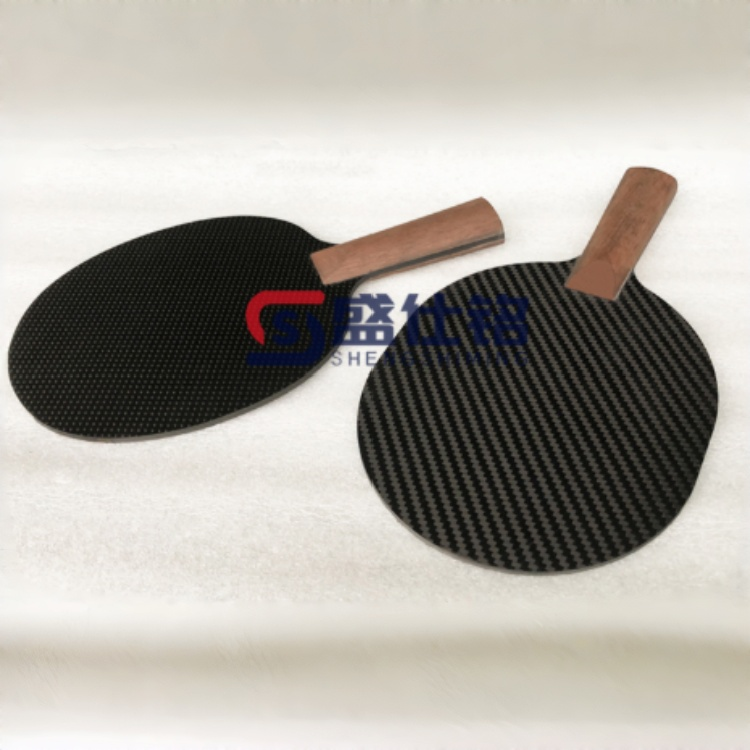
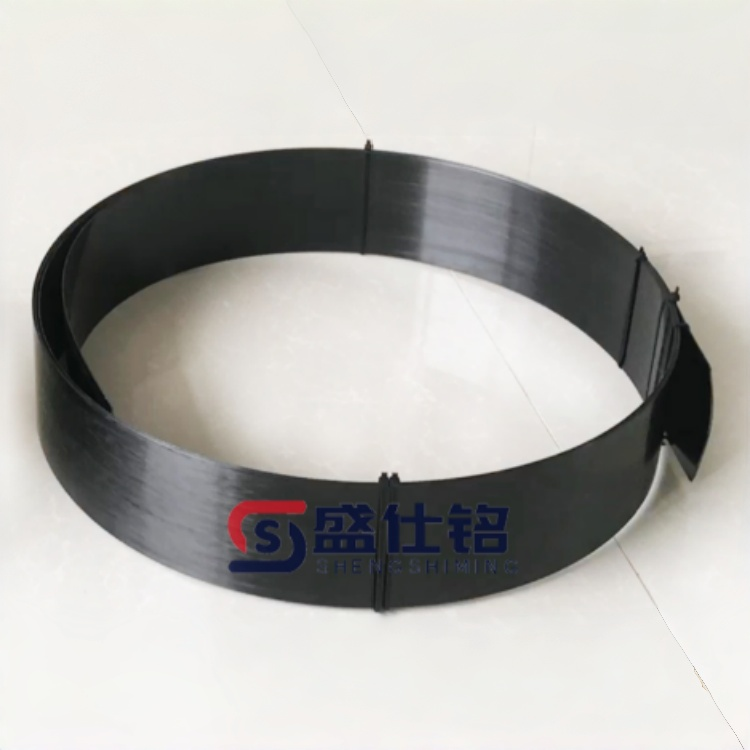
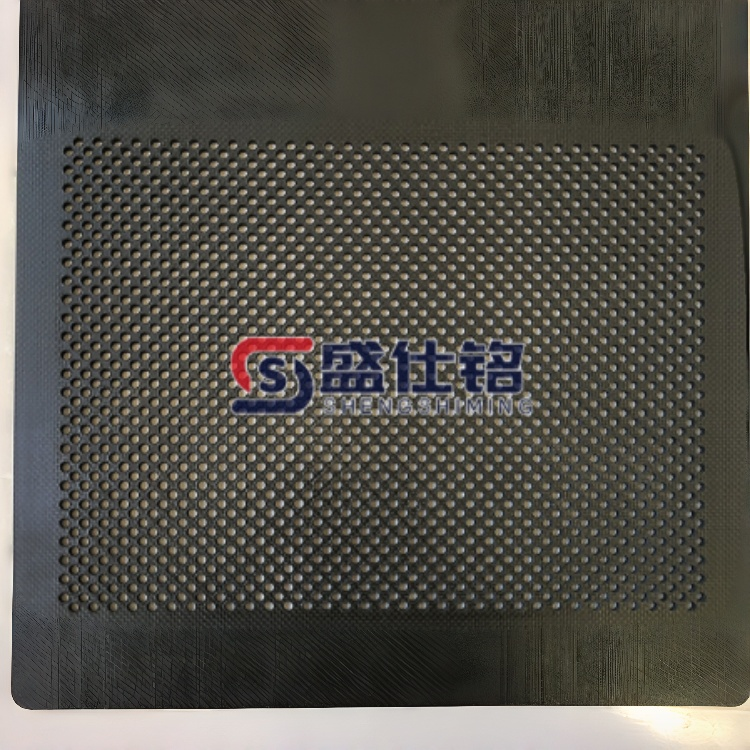
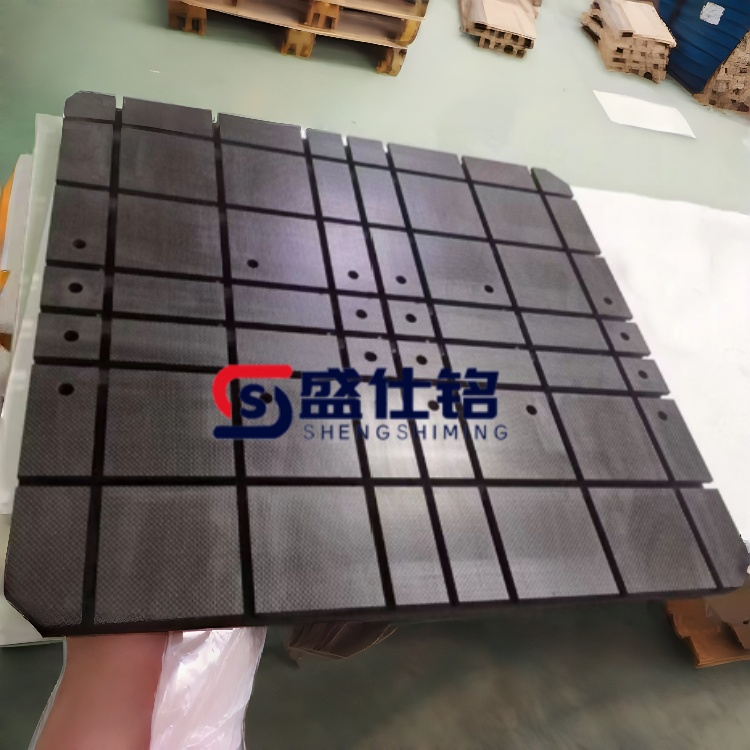


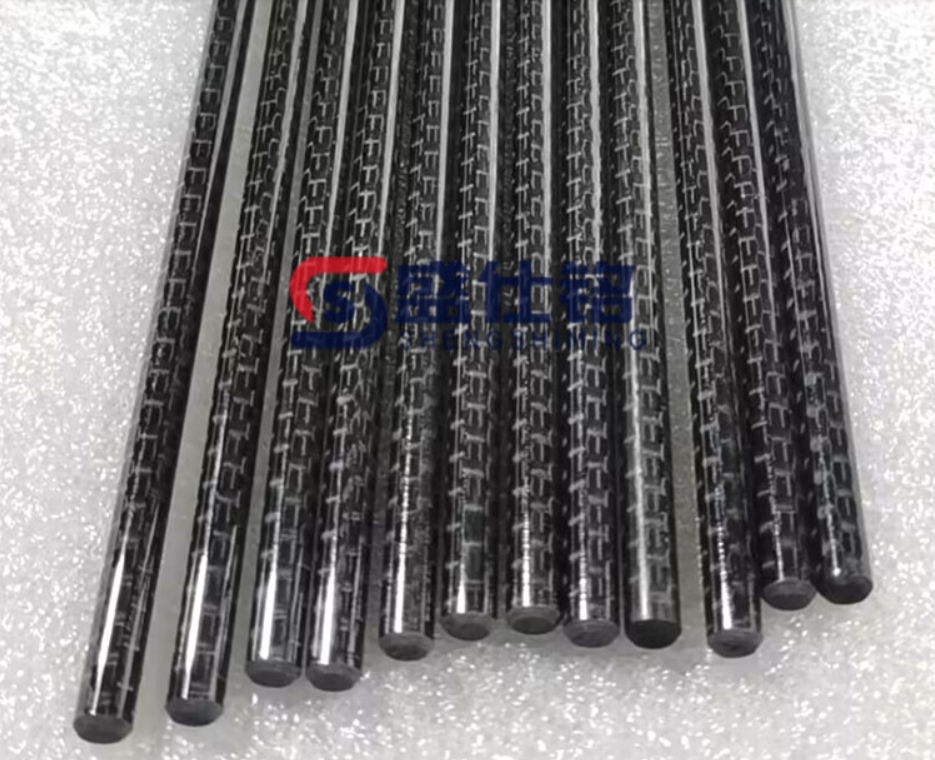
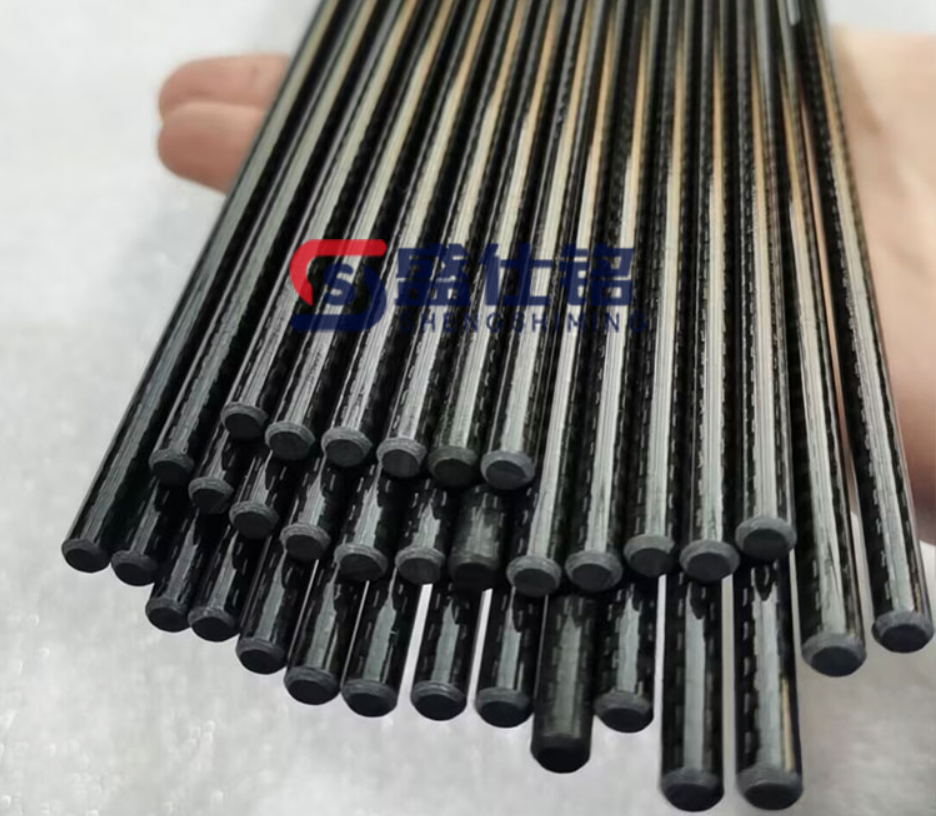
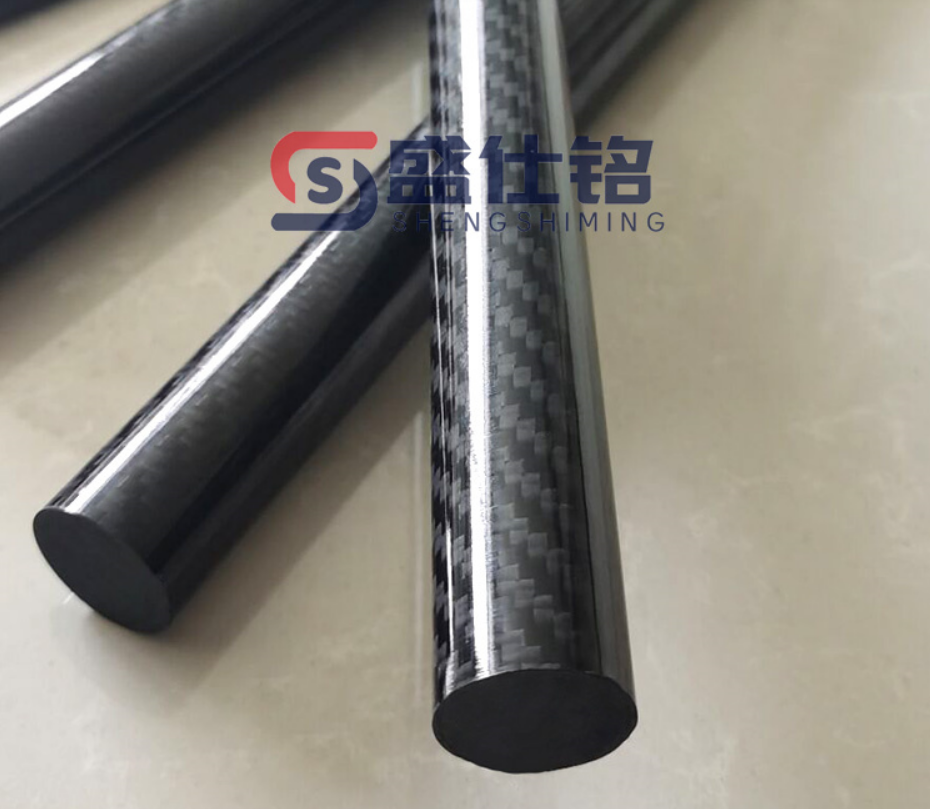
1. High strength, high modulus, dimensionally stable, and excellent machinability. Suitable for transmission shafts in machinery and equipment, toys, advertising displays, fitness equipment, kites, tents, umbrella ribs, luggage, sails, arrow shafts, ski poles, flag poles, anchor rods, display stands, electric motors, transformers, and sports equipment, etc., covering various fields in the national economic construction.
2. Exceptionally resistant to corrosion (able to withstand the majority of chemical corrosive media), with good wear, vibration damping, fatigue resistance, and low friction coefficient. Suitable for the chemical industry: offshore oil field exploration and production equipment and platforms, PCB equipment drive shafts, electroplating equipment drive shafts, etc. Products have a long service life in environments with strong corrosive media. Their use is increasingly widespread in both industrial and civil applications, gaining popularity.
3. High strength-to-weight ratio, high modulus, excellent X-ray permeability, good biocompatibility, and strong ability for elastic deformation, suitable for medical equipment field: medical devices, structural components of medical equipment, prosthetics, artificial hands, artificial bones, artificial joints, and more.
4. Strong resistance to high temperatures, creep, chemical corrosion, and adverse environmental climatic changes, excellent seismic performance, and inherent properties of high strength and high modulus. Suitable for CFRP rebars, capable of replacing conventional reinforcement steel, enhancing the load-bearing capacity of concrete structures, and widely used in civil engineering for cement structures in corrosive medium environments.
5. Low self-weight and high tensile strength of the material, meaning lightweight and high strength. Widely used in aviation and aerospace.Military IndustryKites, sports and leisure, etc., structural materials.