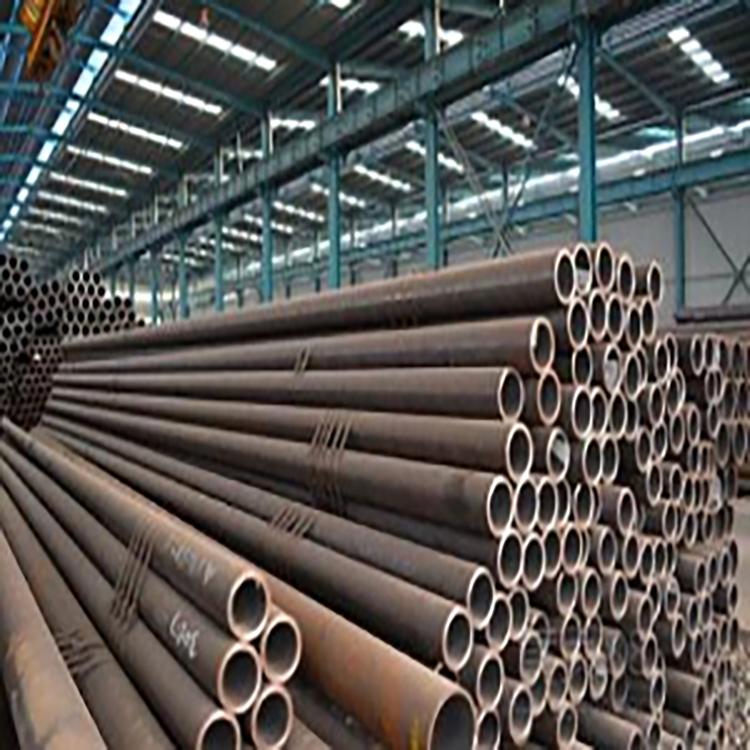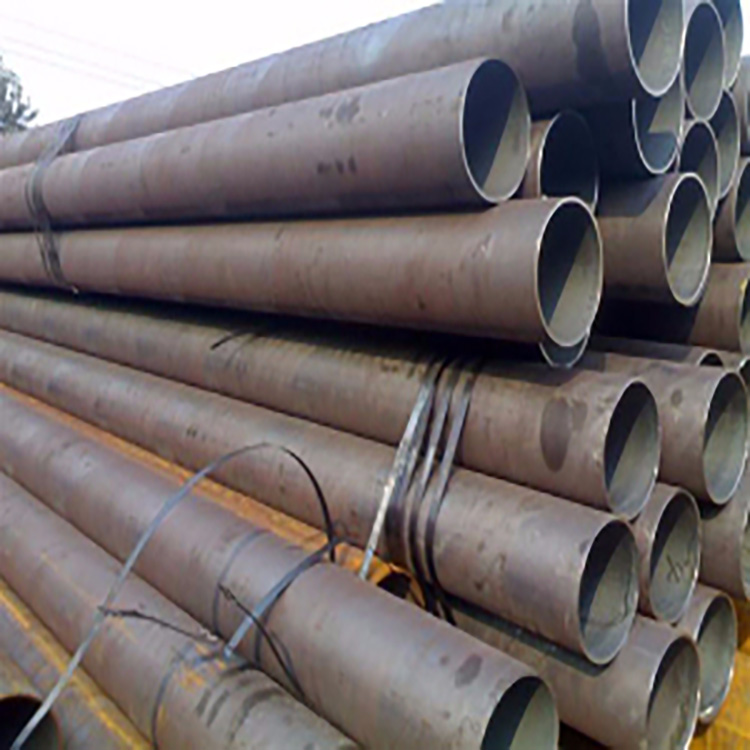

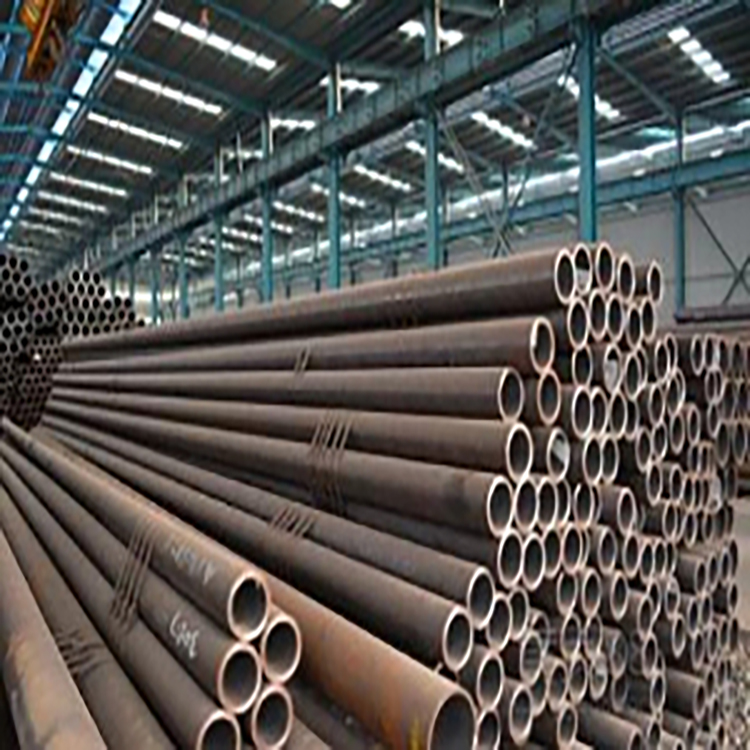

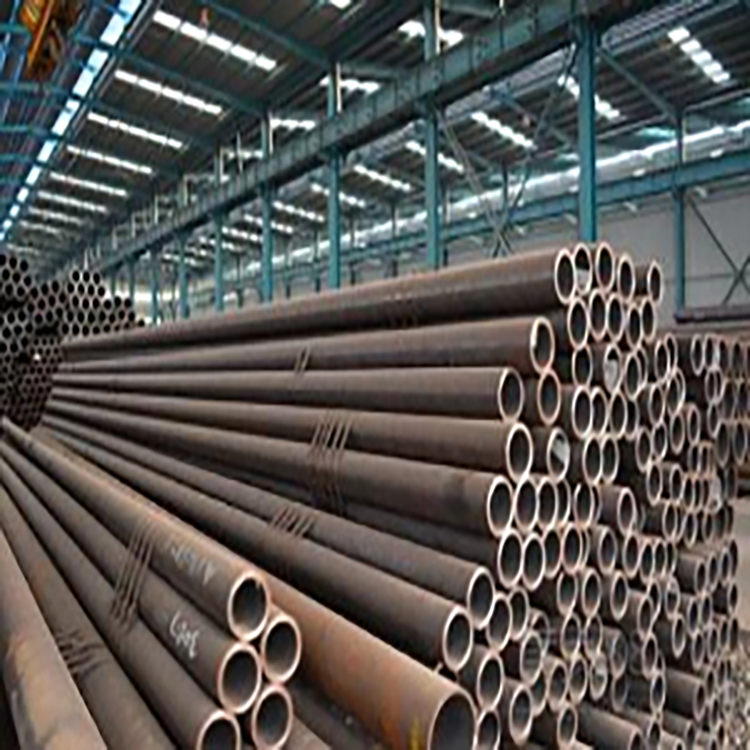
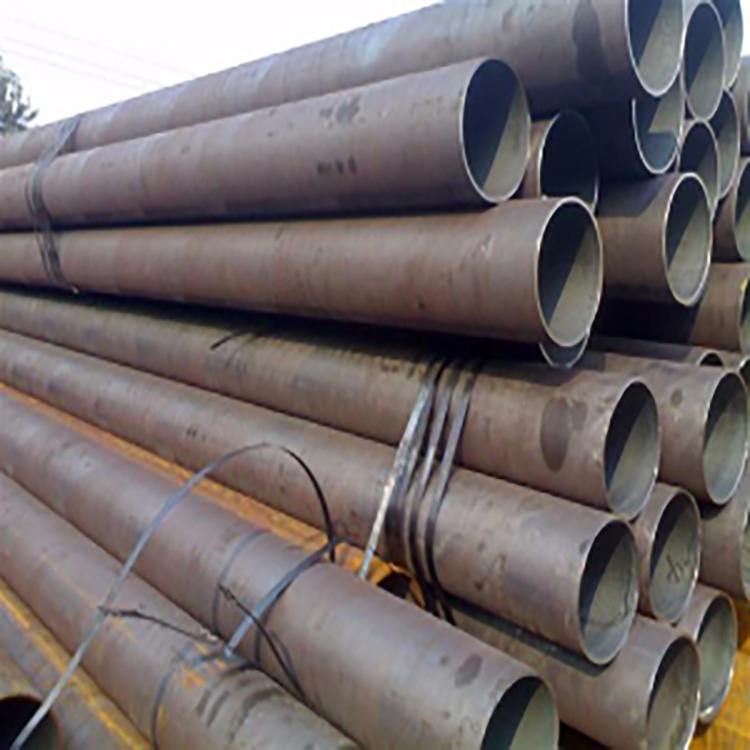










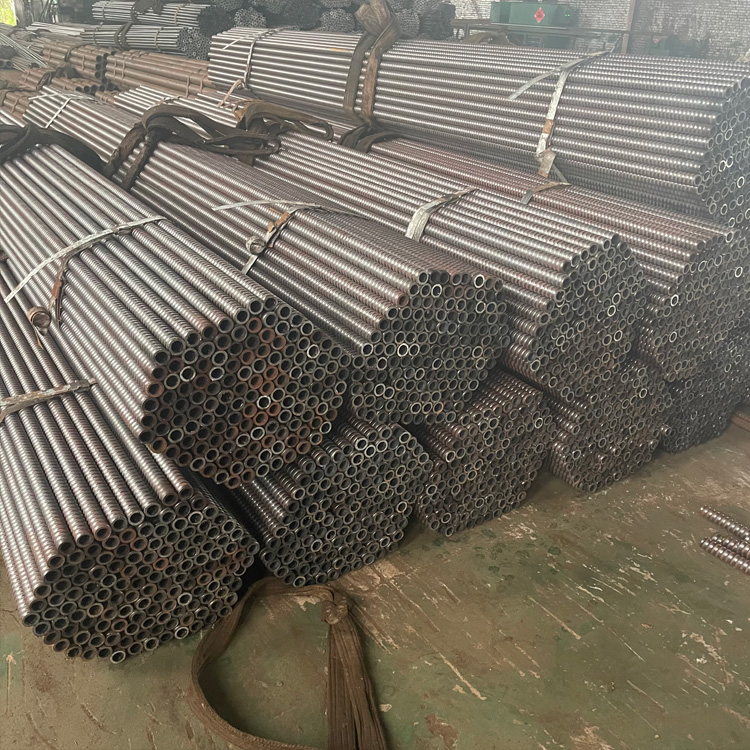
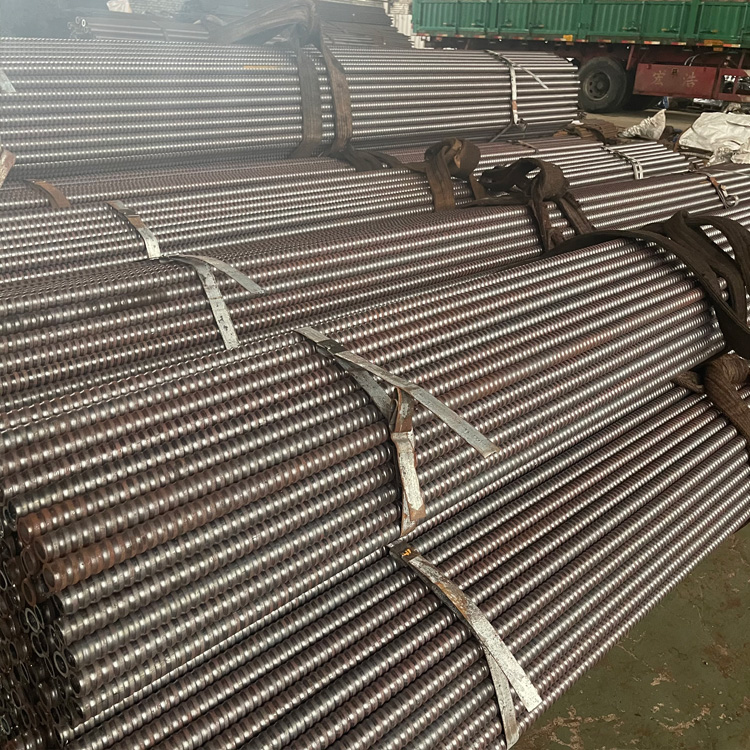
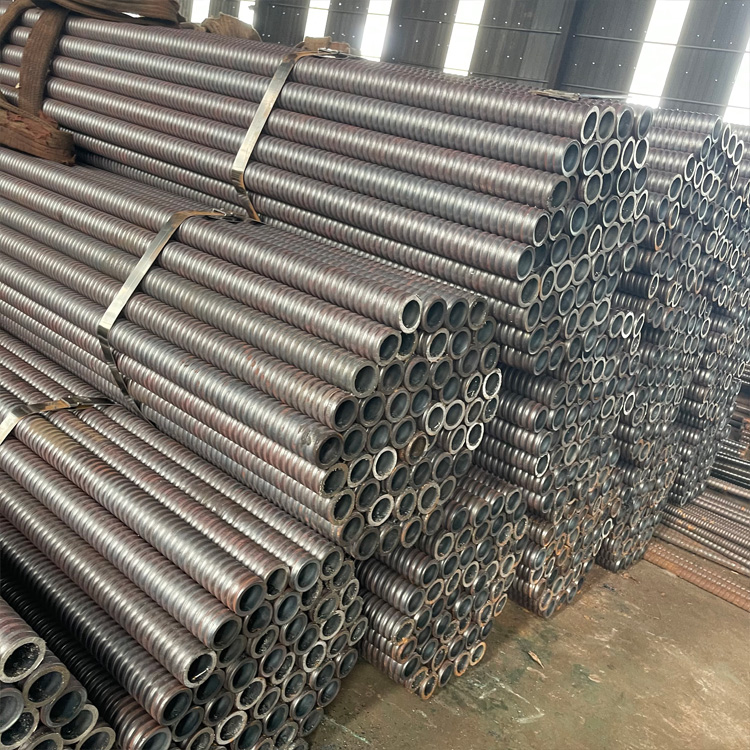
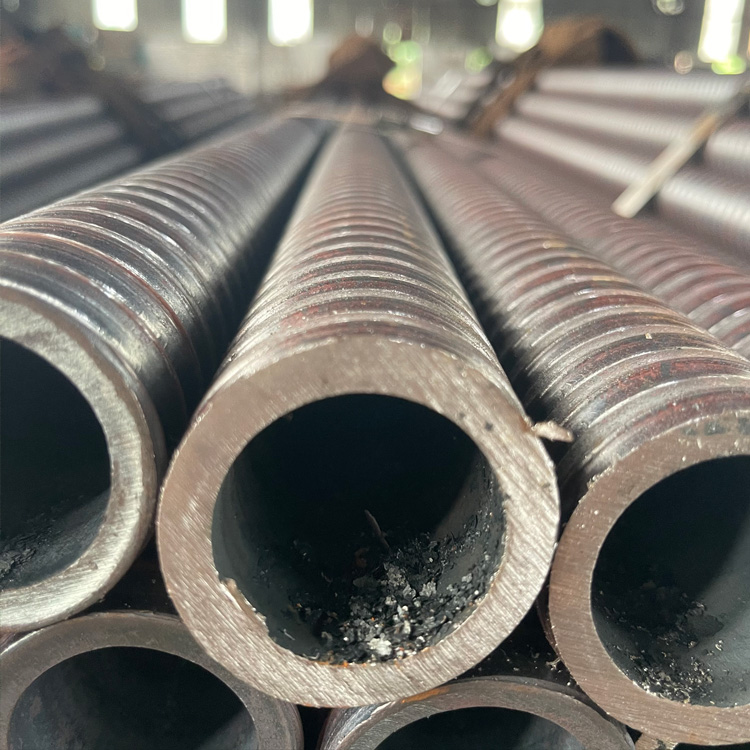
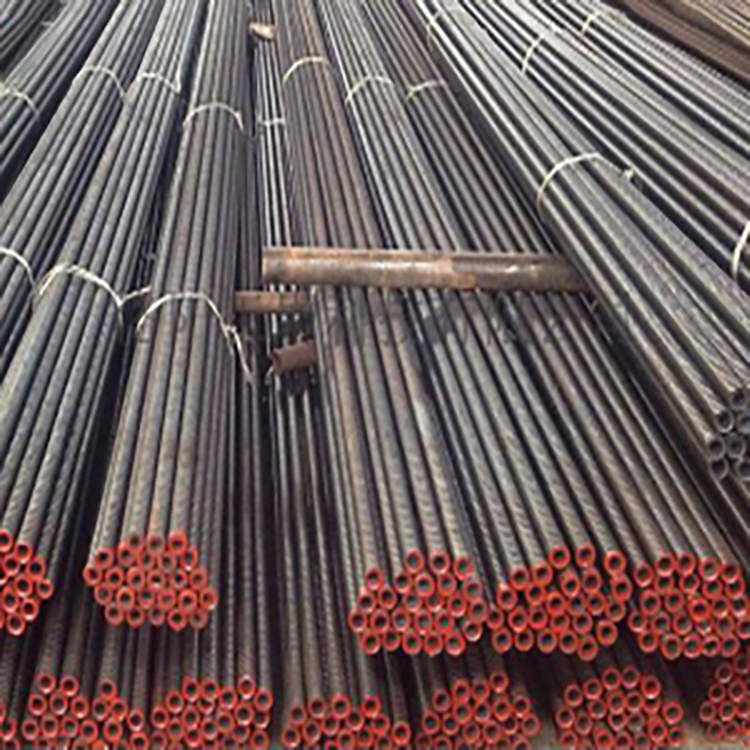
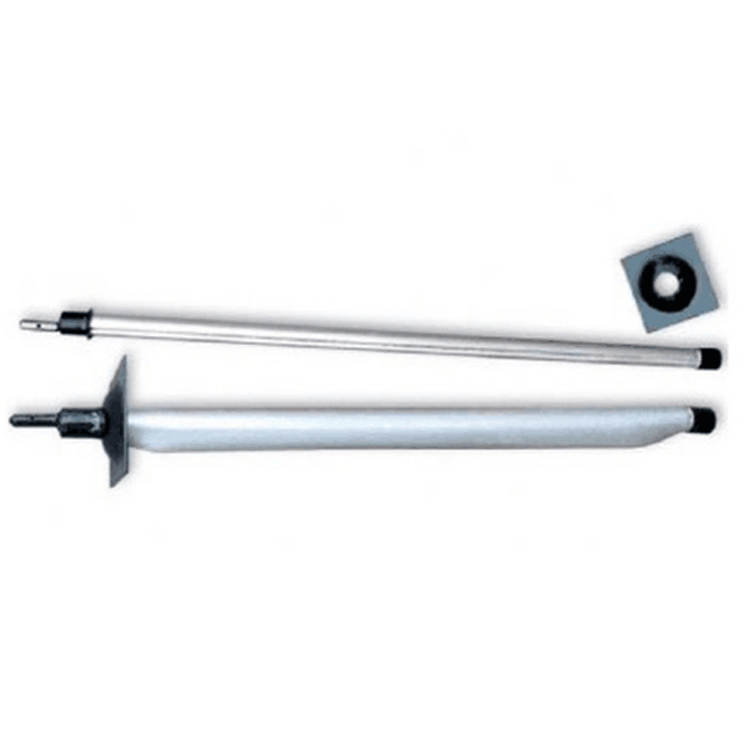
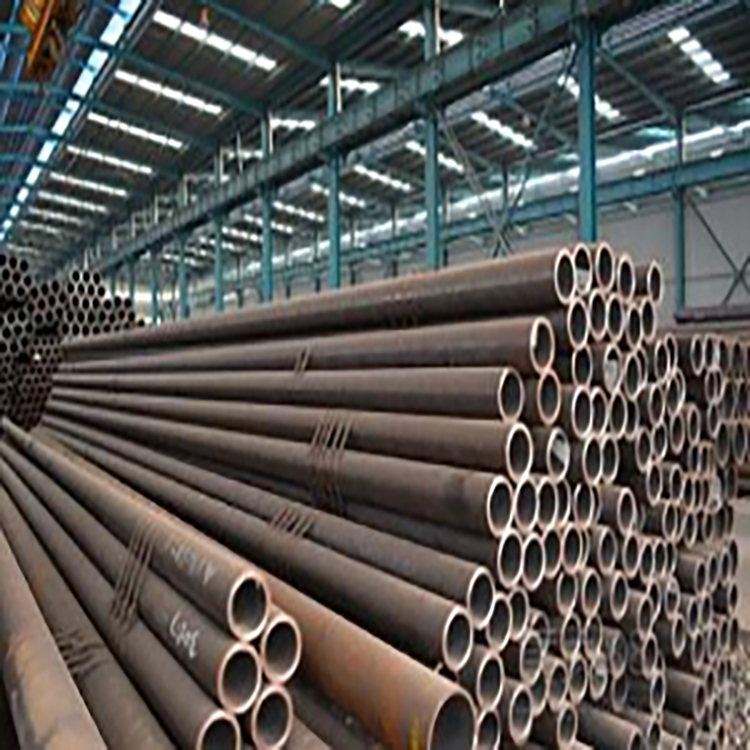
Seamless steel tubes feature a hollow cross-section and are extensively used as pipelines for conveying fluids, such as oil, gas, water, and certain solid materials. Compared to solid steel products like round bars, they are lighter in weight while maintaining equivalent bending and torsional strength. As an economical cross-section steel, they are widely employed in the manufacture of structural components and mechanical parts, such as oil drilling pipes, automotive drive shafts, bicycle frames, and steel scaffolding used in construction. The production of annular components from steel tubes enhances material utilization, simplifies manufacturing processes, and saves on materials and labor, making them a popular choice for manufacturing.
Production Process
① Main Production Processes of Hot-Rolled Seamless Steel Pipe (△Main Inspection Processes): Billet preparation and inspection △→Billet heating→Piercing→Pipe rolling→Pipe reheating→Size (reduce) sizing→Heat treatment △→Finished pipe straightening→Finishing→Inspection △(Non-destructive, physical and chemical, bench inspection) →Storage
② Main production processes of cold rolled (drawn) seamless steel tubes: billet preparation → acid pickling & lubrication → cold rolling (drawing) → heat treatment → straightening → finishing → inspection
Current China Seamless Steel Pipe Standard:
1. Current Seamless Steel Pipe Standards: A total of 47 standards, including 25 GB, 3 HB, 19 for special uses, 2 basic, and 45 for products.
2. Standard Specifications:
GB/T 2102-2006 Steel Tube Acceptance, Packaging, Marking, and Quality Certificate.
② Seamless Steel Pipe Dimensions, Shape, Weight, and Allowable Deviations - GB/T 17395-2008
GB 5310-2008 Seamless Steel Tubes for High-Pressure Boilers
④ Seamless Steel Tubes for Petroleum Cracking, GB 9948-2013.
⑤ Seamless Steel Pipes for High-Pressure Equipment - GB 6479-2013