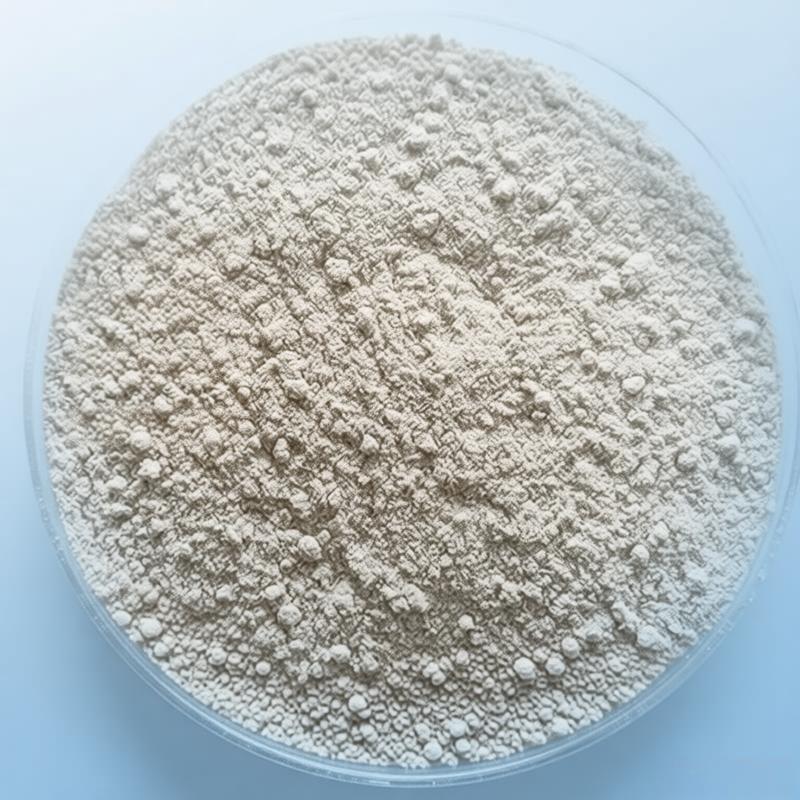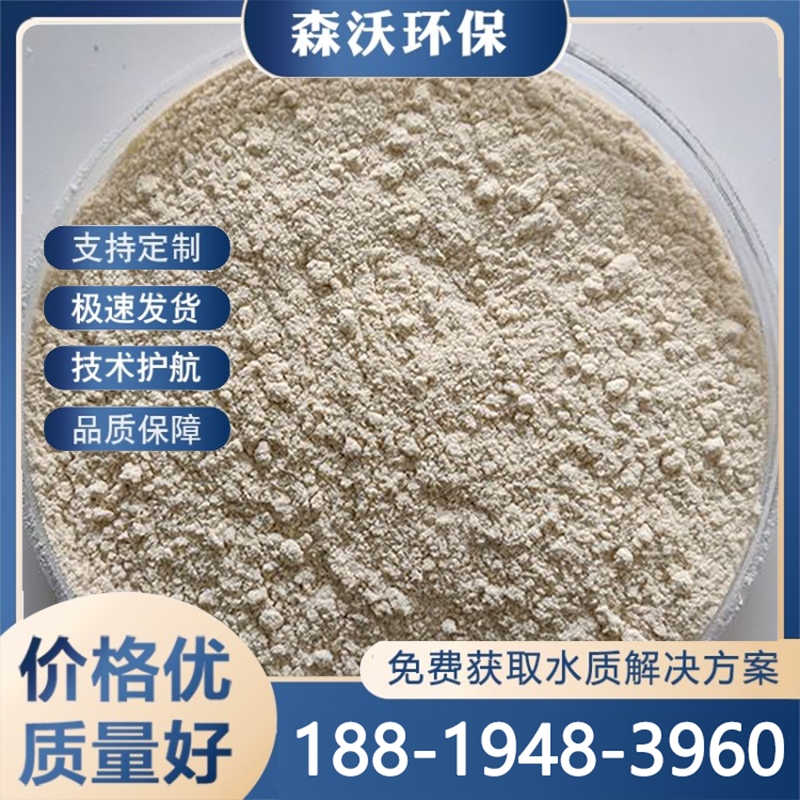

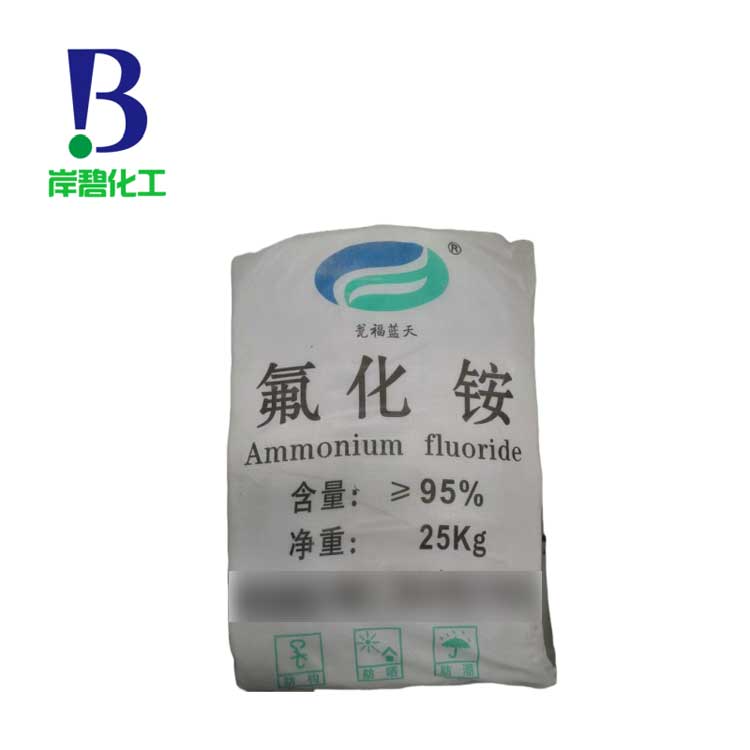







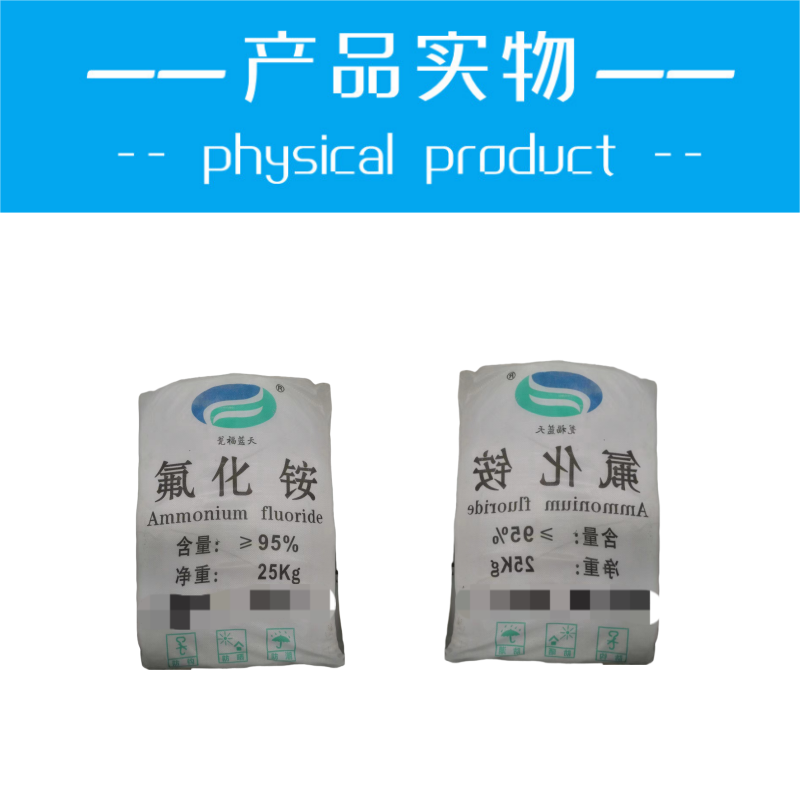
Ammonium fluoride is an ionic compound. It is a white or colorless transparent rhombic crystal at room temperature, with a slight acid taste. It is hygroscopic and decomposes into ammonia and hydrogen fluoride when heated or exposed to heat. It decomposes in hot water, forming a strongly acidic solution. It is produced by neutralizing anhydrous hydrogen fluoride with liquid ammonia. It can corrode glass and is corrosive to the skin. It is used as a chemical reagent, glass etching agent (used in conjunction with hydrofluoric acid), preservative, solvent for producing metallic beryllium from beryllium oxide, and surface treatment agent for silicon steel plates. It is also used in the cleaning and descaling of boiler feedwater and steam generation systems, as well as in the acid treatment of oilfield sand and gravel. Additionally, it serves as a component in alkylating and isomerizing catalysts.
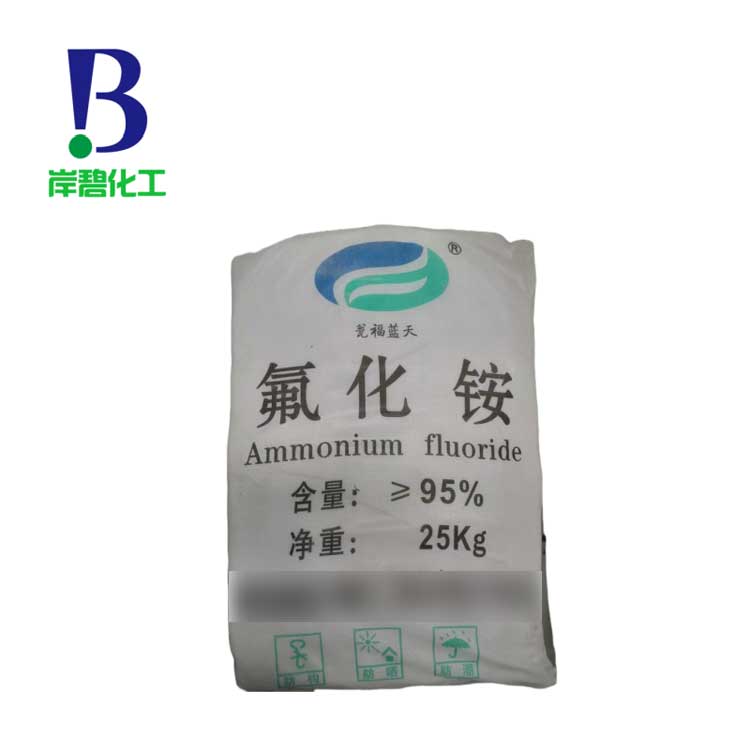
1. Ammonium fluoride solution is used as a cleaner and corrosive agent, can be mixed with hydrofluoric acid to form buffer solutions, and is mainly used in medium and large-scale integrated circuits at the MOS grade, while the BVⅢ grade is primarily used for IC production. 2. It is used for the extraction of rare elements. In the glass etching industry, it serves as a glass etching agent, and can also be used as a chemical polishing agent for metal surfaces, a preservative in winemaking, and a mordant for fibers. 3. A combination of ammonium fluoride and nitric acid can also be used for the chemical polishing of certain aluminum materials. Ammonium fluoride can also be used for etching titanium and silicon wafers, and to prevent hydrogen embrittlement during titanium etching, oxidizing agents like nitric acid or chromic anhydride need to be added to the etching fluid.
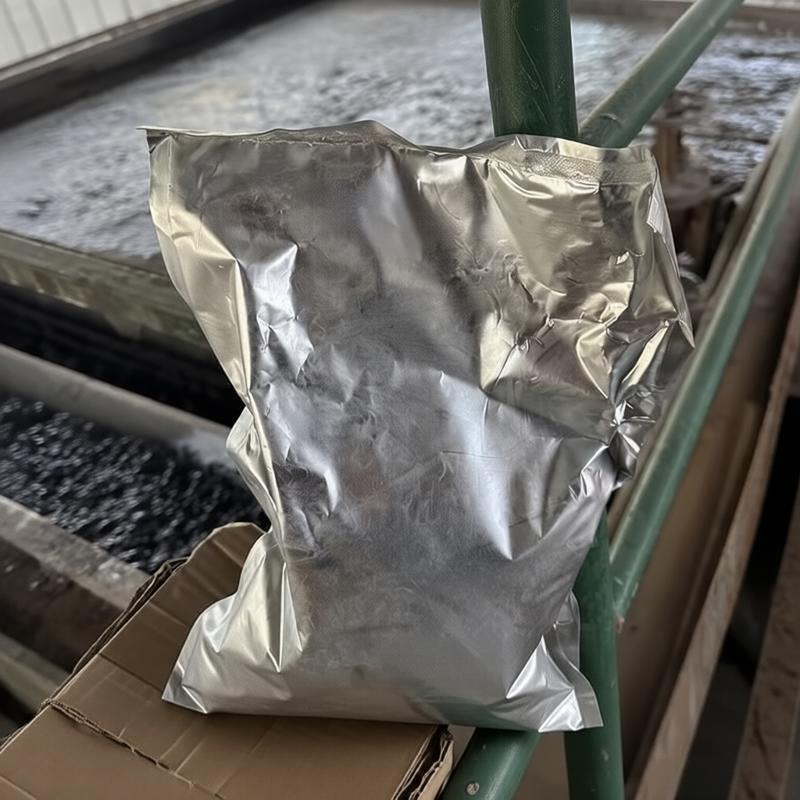
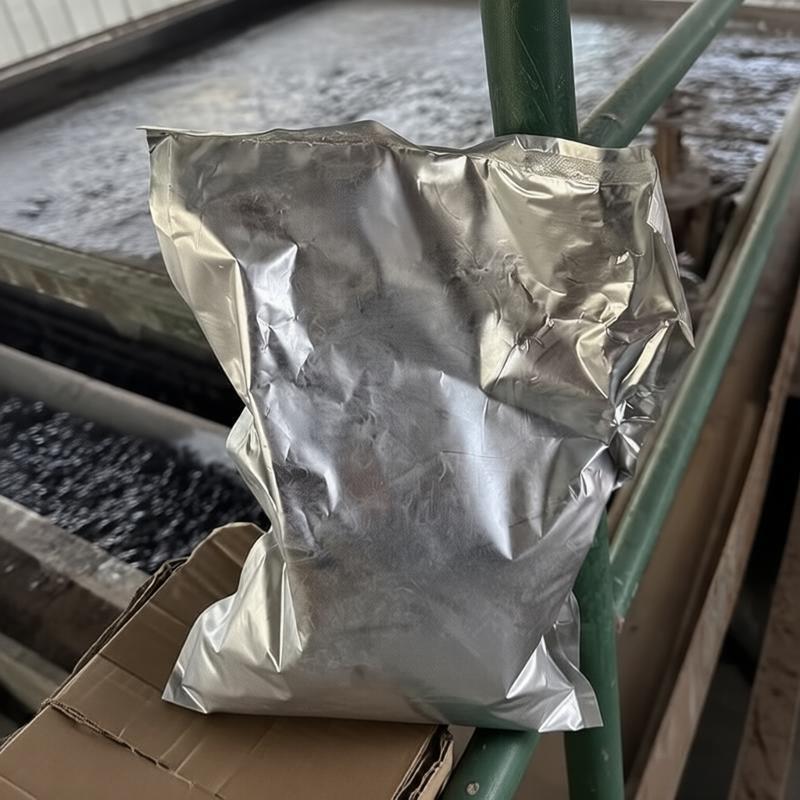
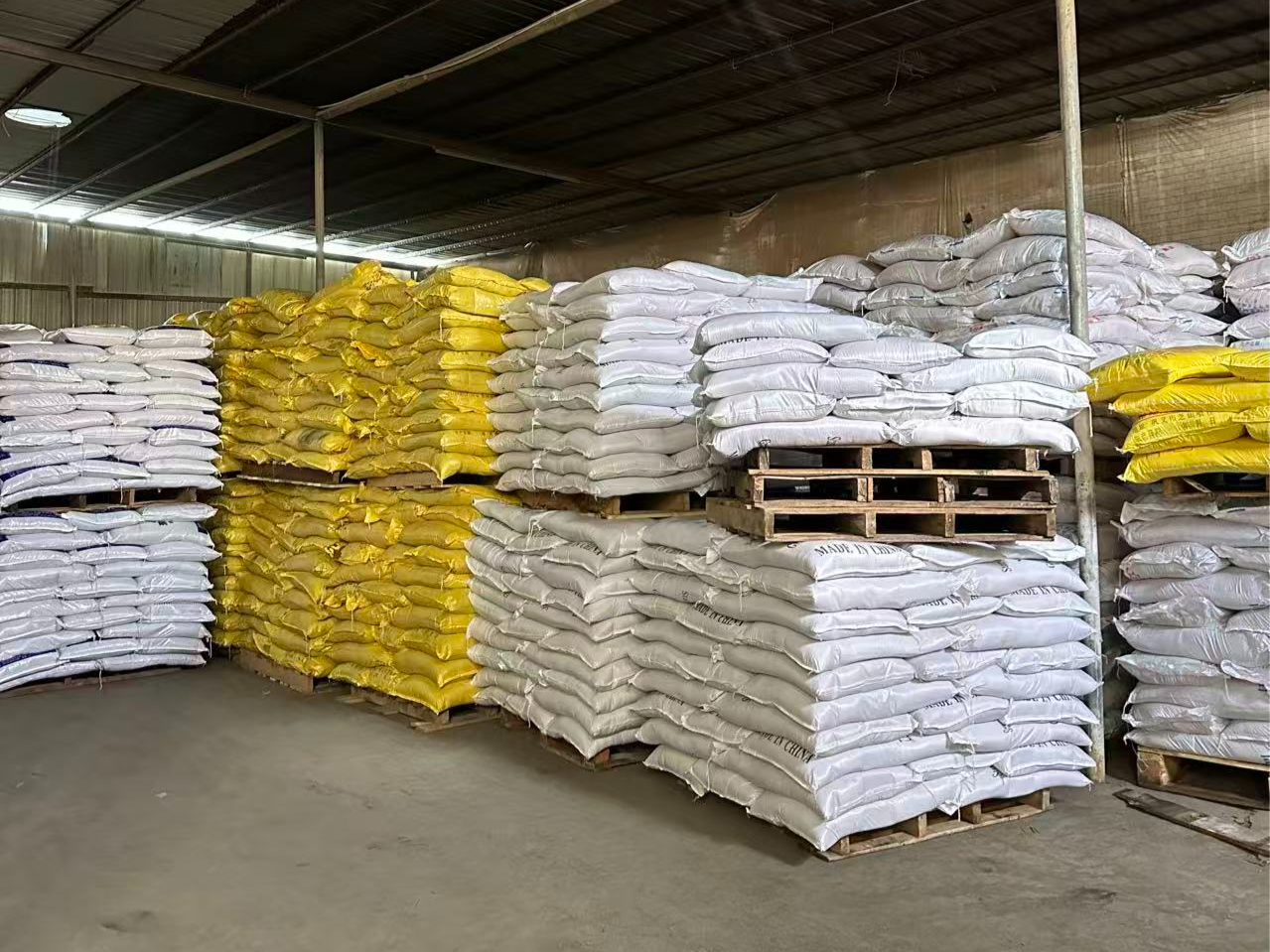
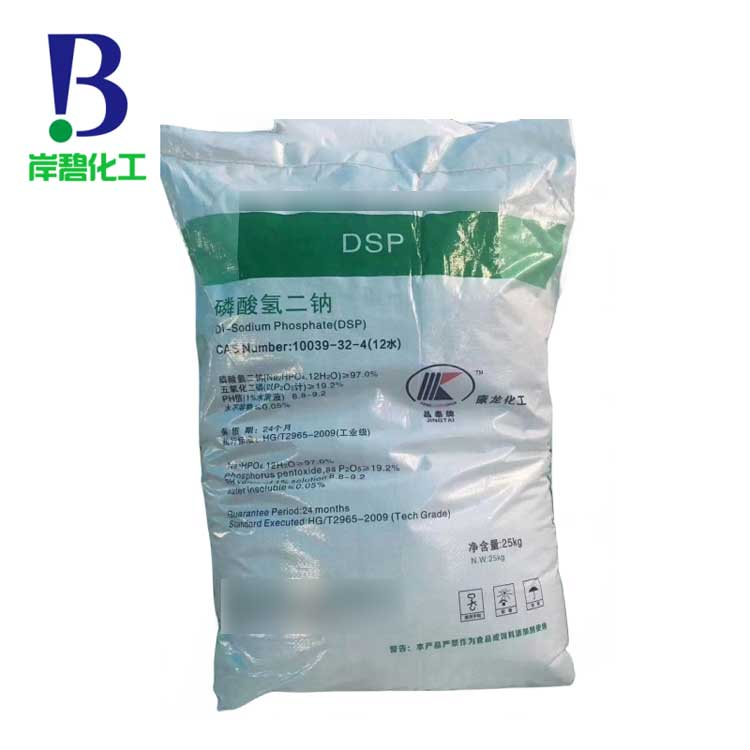
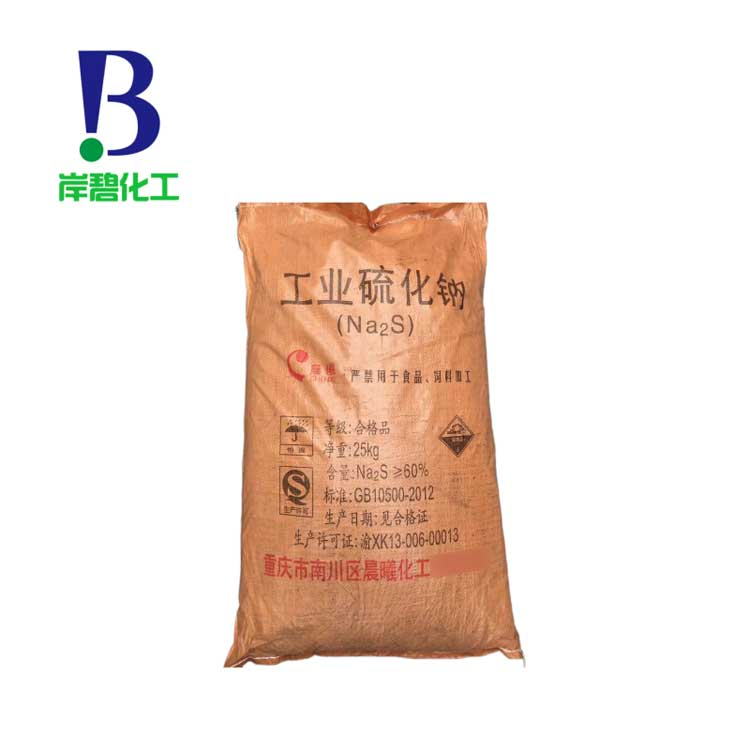
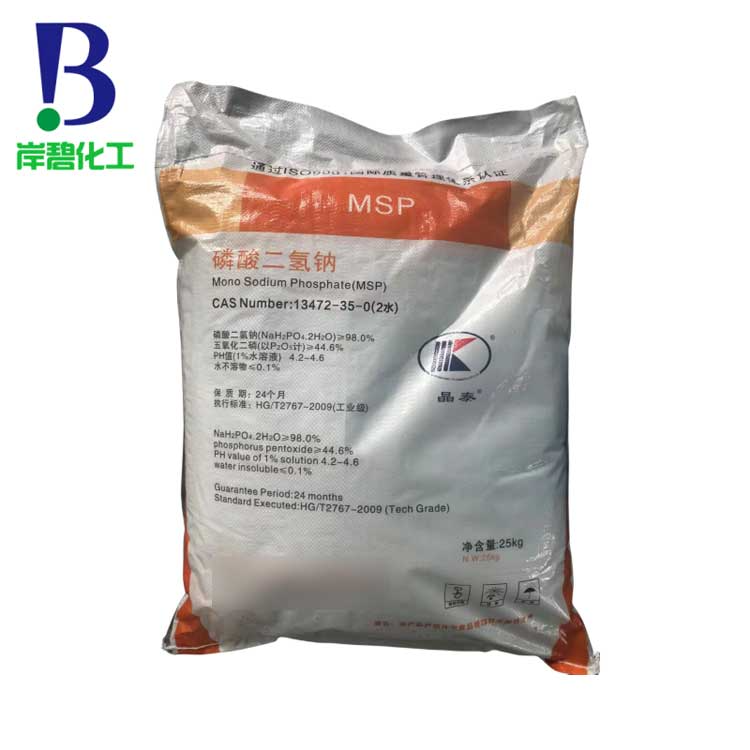
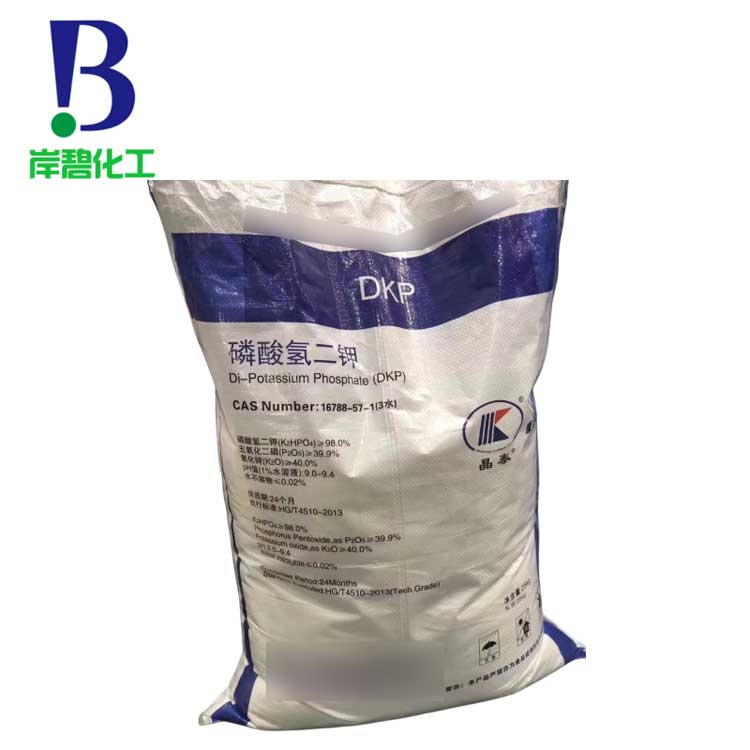
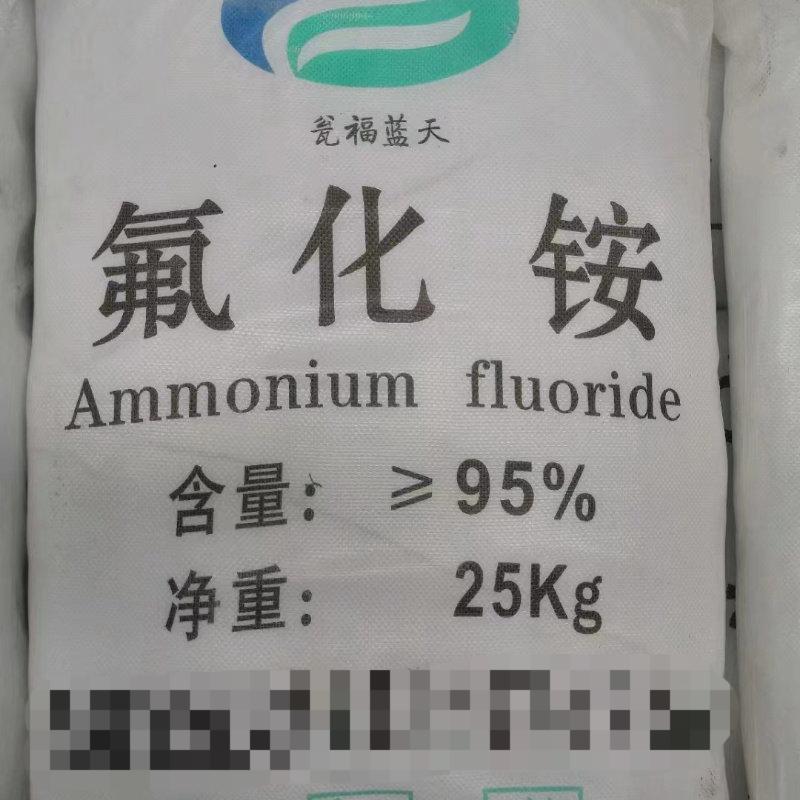
Actual product images displayed

Storage Method
1. This product should be stored in a plastic container, sealed, and kept in a cool, dry place. Its solution is acidic and can corrode glass.
2. Store in a cool, well-ventilated warehouse. Keep away from ignition sources and heat. Protect from direct sunlight. Packaging must be sealed. Keep separate from acids, alkalis, and edible chemicals; never store them together. The storage area should be equipped with suitable materials to contain leaks.