








Product Overview
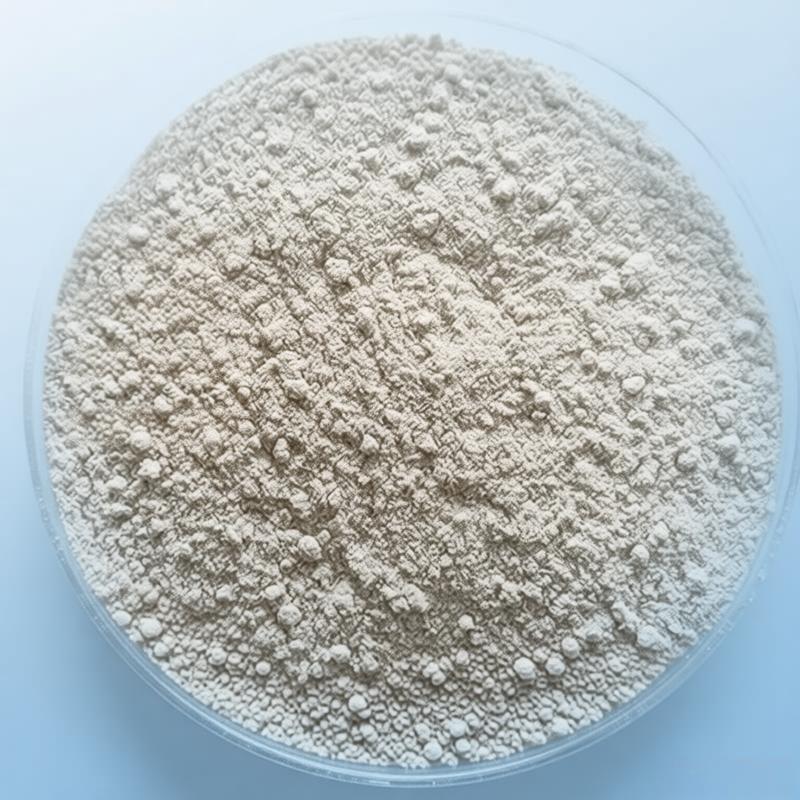
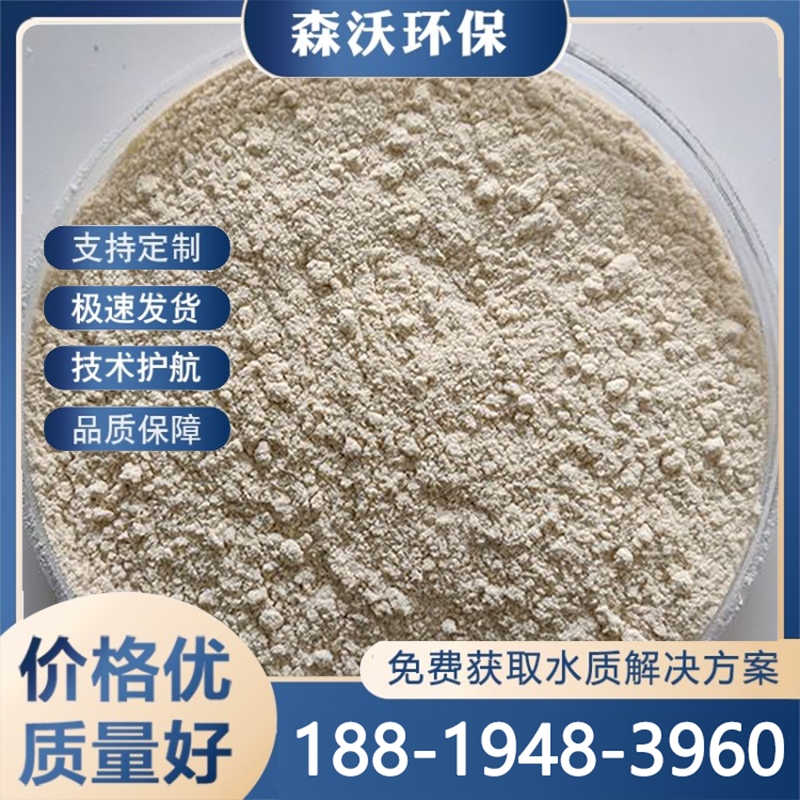
Fluoroalumosilicate glass is a high-performance specialty glass, primarily composed of fluorine (F), aluminum (Al), silicon (Si), and oxygen (O). It is produced through a special formula and high-temperature melting process. Its unique chemical composition endows it with excellent optical, mechanical, and chemical properties, widely used in dental materials, optical devices, electronic packaging, and high-temperature industrial applications.
Features
High refractive index and optical uniformity
Refraction range: 1.48-1.52 ( customizable ), with high matching degree to common resin materials (such as UDMA), capable of enhancing the transparency and optical properties of composites.
Low dispersion characteristics, reducing chromatic aberration in optical components, suitable for high-precision optical lenses and coated substrates.
Chemical stability and corrosion resistance
High resistance to acid and alkali erosion, especially excellent in fluoride-containing environments, suitable for chemical equipment sight glasses, corrosion-resistant coatings, etc.
The introduction of fluorine enhances the chemical stability of glass, reducing ionic leaching.
Mechanical properties and thermal stability
Hardness up to 6-7 Mohs, offers superior wear resistance over ordinary glass, extending the lifespan of products.
Softening temperature: 800-1000°C, suitable for sealing, encapsulation, and structural components in high-temperature environments.
Biocompatibility
Non-toxic, capable of releasing fluoride ions, and with cavity-preventing properties, widely used in dental resin fillings and glass ionomer cements.
Typical Applications
Dental Materials
Resin-based composite materials: As an alternative to barium glass powder, when used in conjunction with UDMA resin, they enhance the strength, transparency, and wear resistance of the filling material.
Glass ionomer cement: with poly-Propionic AcidReactive materials form a repair substance, used for dental cavity fillings and crown bonding.
Optical field
Optical Lenses and Prisms: High refractive index and low dispersion properties suitable for camera lenses, telescopes, and other precision optical components.
Coated Substrate: High surface flatness, suitable for AR (Anti-Reflective) and IR (Infrared) coatings, enhancing the performance of optical devices.
Electronic Packaging
Chip Packaging: High-temperature and moisture-resistant, suitable as semiconductor packaging material, protecting the chip from environmental erosion.
Sensor Window: Maintains stability in harsh environments (such as high temperature, high pressure) for industrial sensors and automotive electronics.
High-Temperature Industrial
High-Temperature Sight Glass: Withstanding temperatures up to 1000°C, suitable for observation windows in boilers, melting furnaces, and similar equipment.
Sealing Materials: Bonded with metals or ceramics, used in vacuum equipment and high-temperature pipelines.