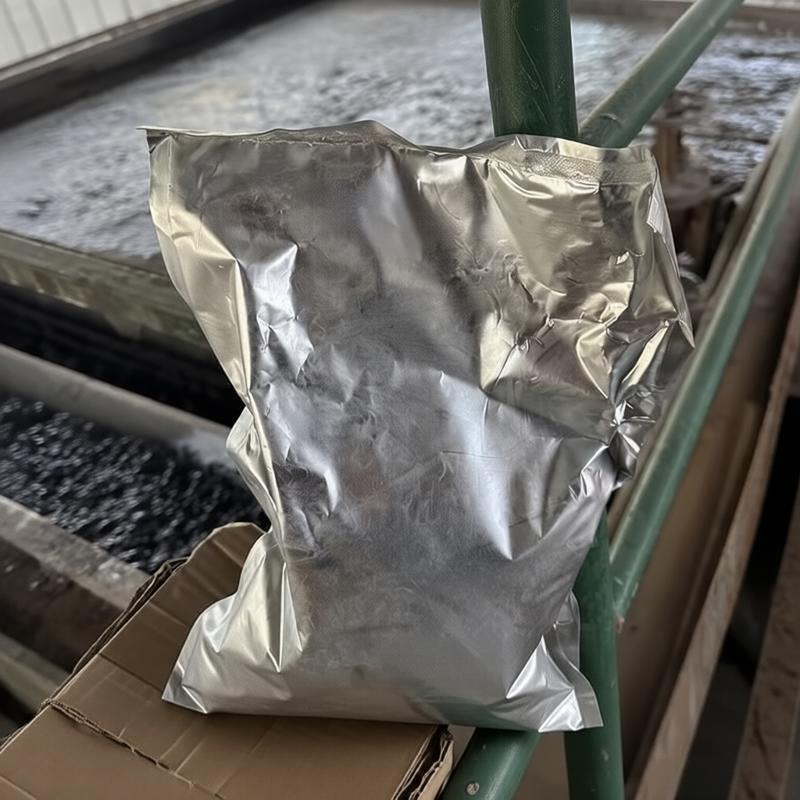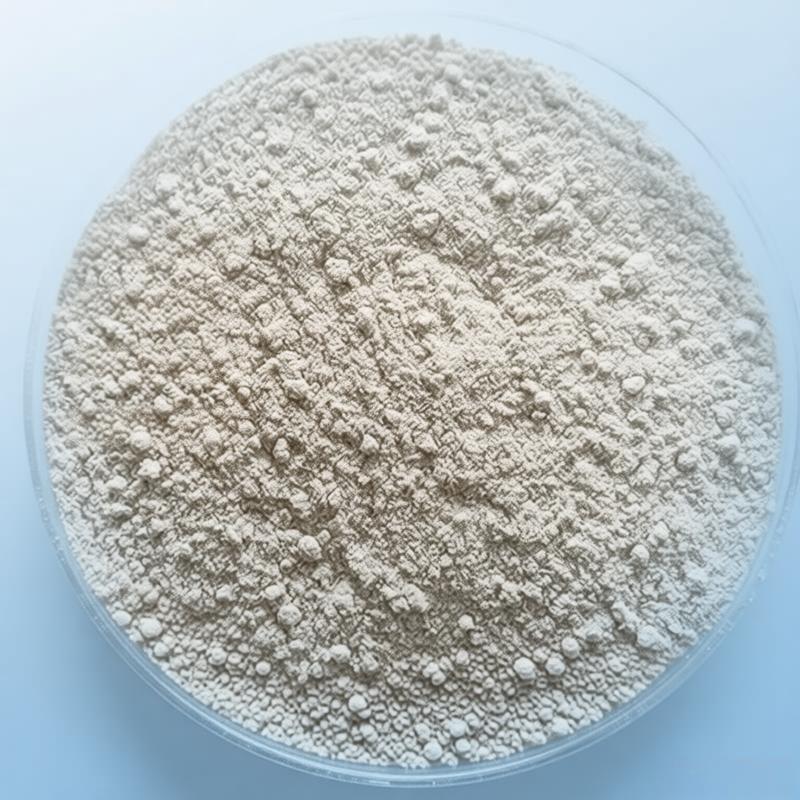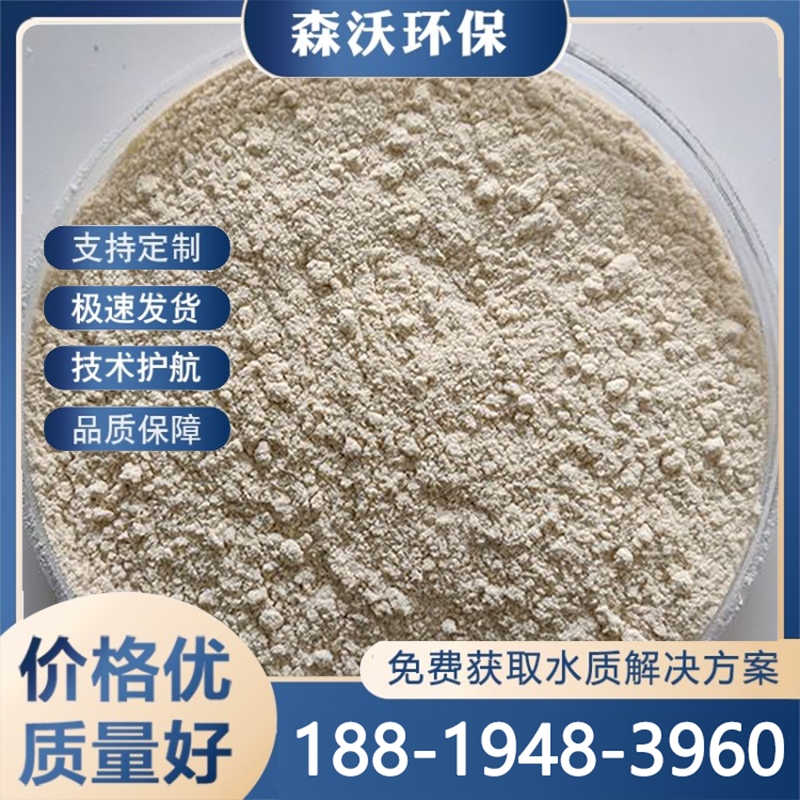









Zinc oxide, boric oxide, bismuth oxide series glass powder for gold paste or silver paste, auxiliary for gold or silver inks
- Primary IngredientsBismuth oxide glass powder, primarily composed of bismuth oxide (Bi₂O₃)
- Features
- Low melting pointBismuth oxide glass powder has a relatively low melting point, typically around 400℃-600℃,which allows it to soften and melt at lower temperatures during the sintering process of gold and silver pastes. This facilitates the bonding of gold and silver pastes to the substrate and also reduces the impact on substrates that are not heat-resistant.
- Excellent chemical stabilityNot easily oxidized in the air and resistant to erosion from acidic and alkaline chemicals, ensuring the stability of performance for gold and silver inks under various environmental conditions.
- High insulation propertiesEffectively isolates conductive phases like gold and silver, preventing short circuits and ensuring the electrical performance of gold and silver pastes in the circuit.
- High refractive indexIn applications that require optical performance, it can be matched with the optical properties of materials such as gold and silver to meet specific optical requirements.
The role in gold and silver inks
- Melting aidDuring the sintering process of gold paste and silver paste, boric oxide glass powder can lower the overall sintering temperature, enabling gold and silver powders to achieve excellent sintering at relatively lower temperatures, saving energy, improving production efficiency, and avoiding the impact of high temperatures on the properties of gold, silver powders, and the substrate.
- Enhanced adhesionEstablishes an excellent connection bridge between gold powder, silver powder, and substrate, enhancing the adhesion of gold paste, silver paste, to substrates such as ceramics, glass, and silicon wafers. Ensures that gold films and silver films will not easily peel off from the substrates during use.
- Adjust electrical propertiesAdding an appropriate amount of bismuthate glass powder can adjust the electrical properties of gold and silver pastes after curing, such as adjusting resistivity, to better meet the requirements of various electronic components for conductivity.
- Improve rheologyImproves the rheology of gold and silver inks, enhancing their flow and thixotropy during printing or coating processes. Ensures uniform coating on the substrate surface, resulting in evenly thick gold and silver films with smooth surfaces, thus improving product quality and consistency.
Application Fields
- Electronic Circuit ManufacturingIn the fields of printed circuit boards (PCBs) and integrated circuit (IC) packaging, used for creating gold and silver conductive lines and electrodes, ensuring reliable connections and stable performance of the circuit.
- Solar panelsIn the electrode paste of solar cells, it aids in forming a good ohmic contact between the silver paste and the silicon wafer surface, enhancing the cell's photoelectric conversion efficiency and stability.
- SensorGold and silver electrodes and conductive lines for various sensors, ensuring signal transmission and detection accuracy of the sensors.
- Electronics ComponentsIn the manufacturing of electronic components such as capacitors, resistors, and inductors, gold paste and silver paste, as significant components, play roles in connecting, conducting electricity, and insulating, thereby enhancing the performance and reliability of the components.