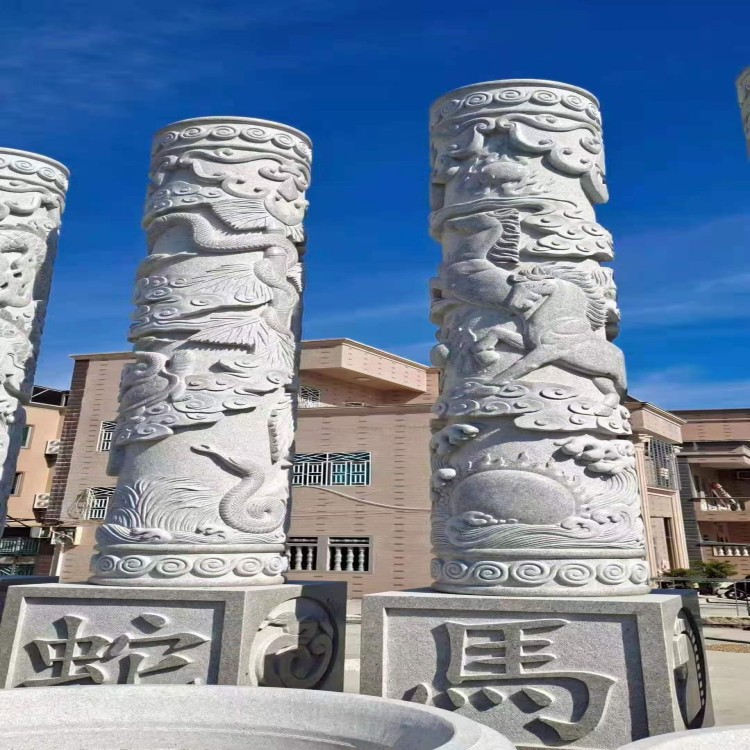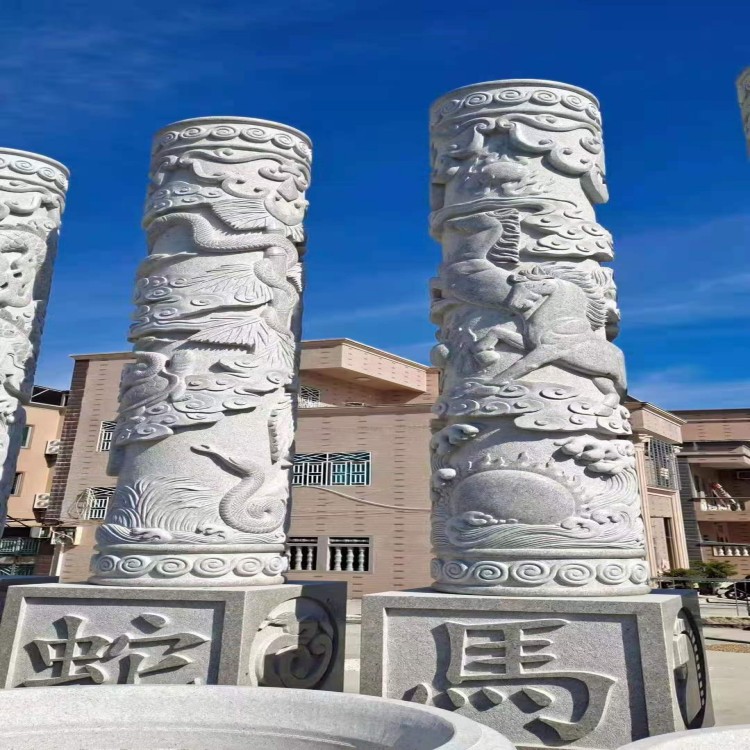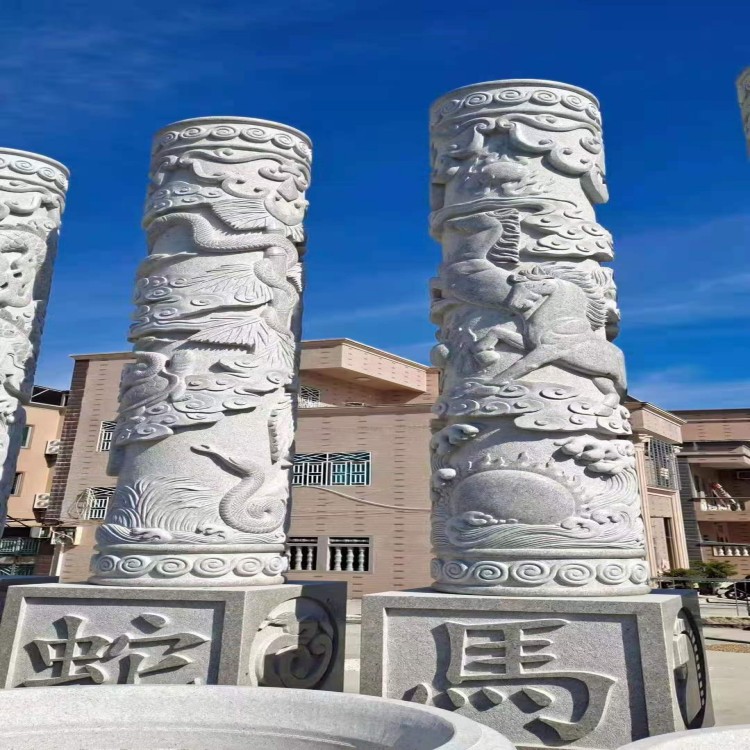

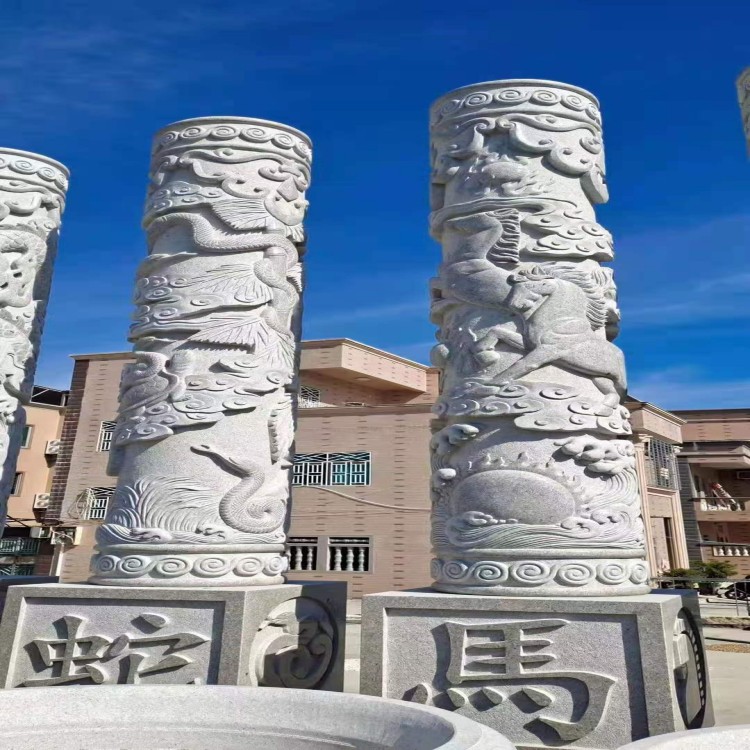

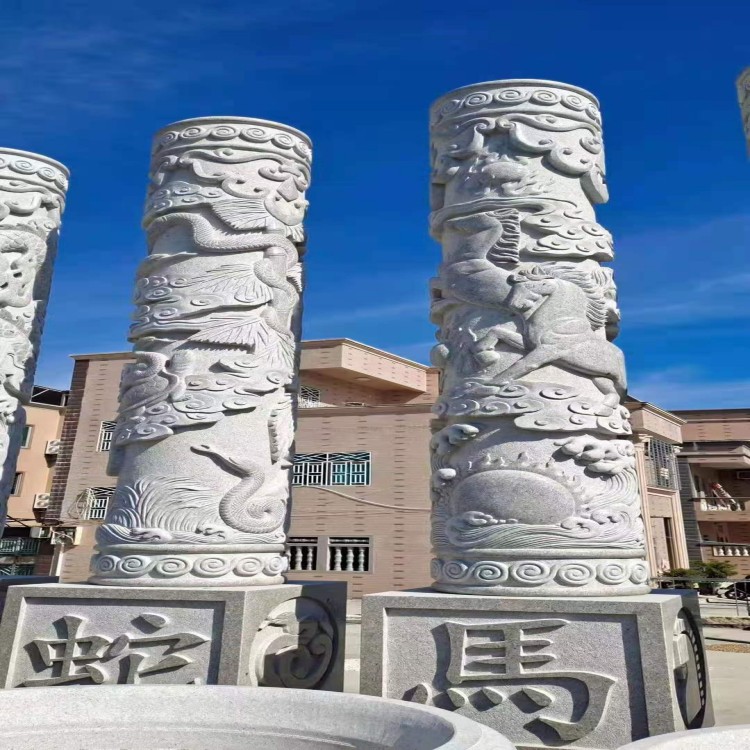







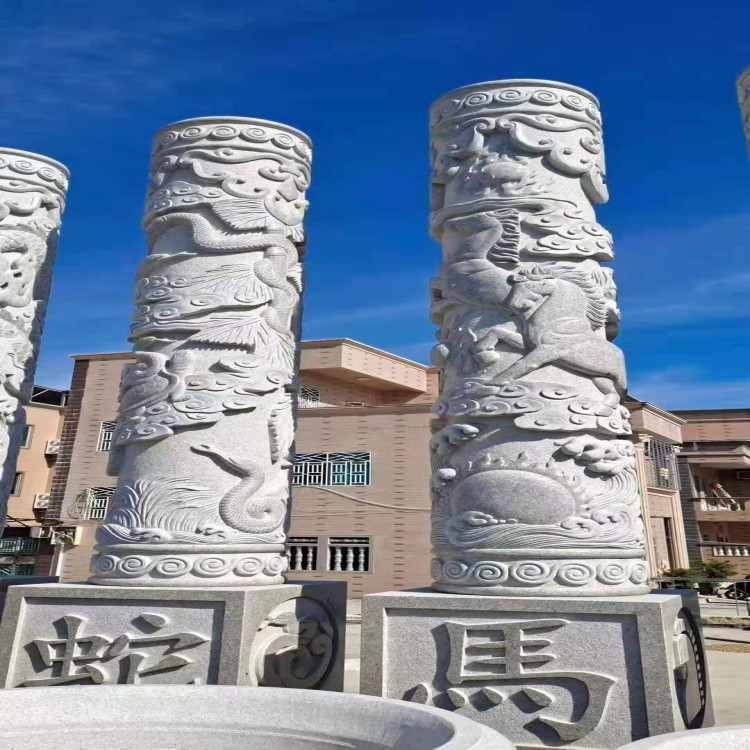
Myth has it that these structures served both as road signs and as a place for passersby to leave messages, emerging during the Yao and Shun era of the primitive society. Back then, people would set up a wooden post along major thoroughfares to identify routes and landmarks. Later, mail stations and inns also used these posts as markers, and they were known as "Huán Mù" or "Bǎo Mù," later collectively referred to as "Huán Mù." Since the ancient character "Huán" sounds similar to "Huá," it was gradually pronounced as "Huá Bǎo." On this wooden post, travelers could carve their opinions, hence the alternate name "Bàng Mù" or "Fěi Bàng Mù." In ancient times, "fěi bàng" meant discussing right and wrong, akin to modern-day complaints, so it also functioned as a modern-day "suggestion box." According to historical records, the "fěi bàng mù" during Yao's time were characterized by crossbeams