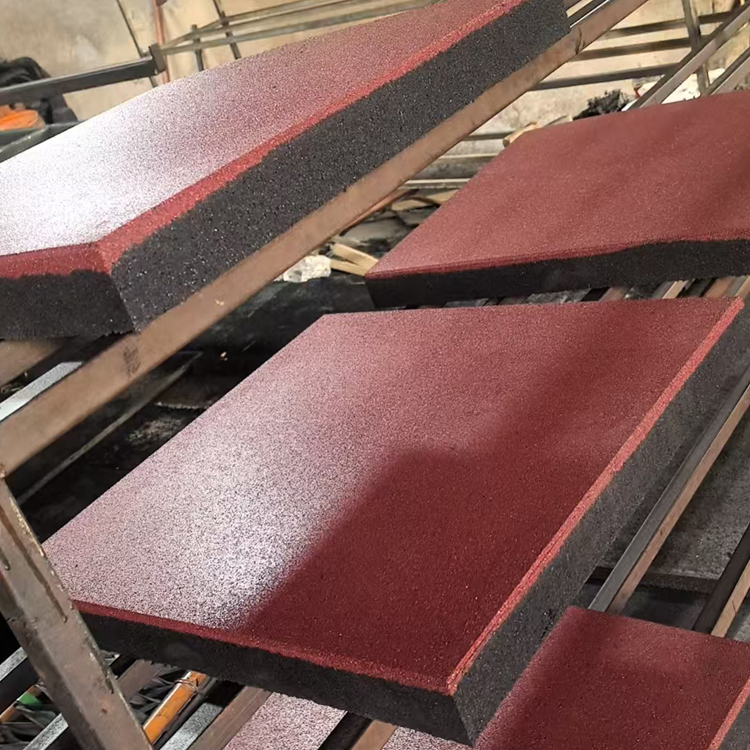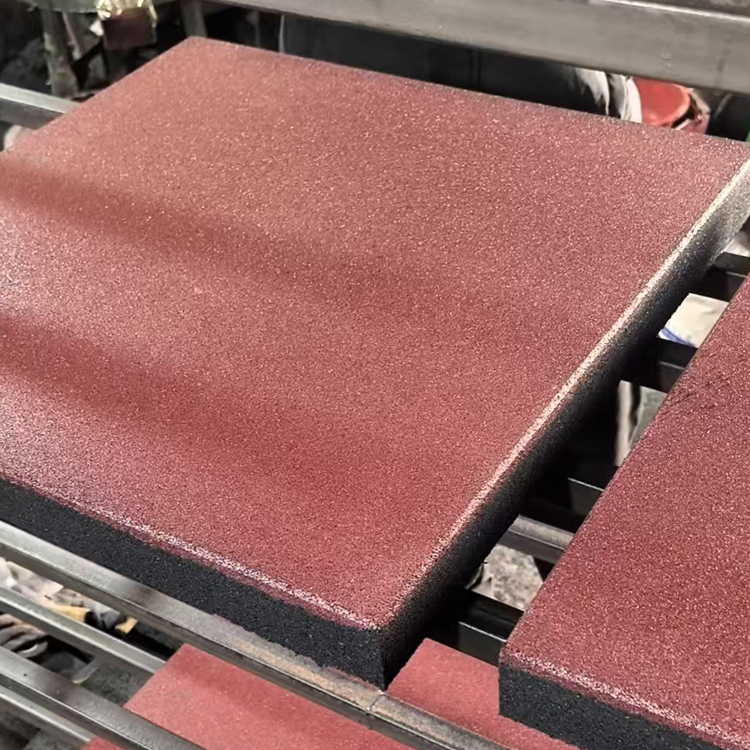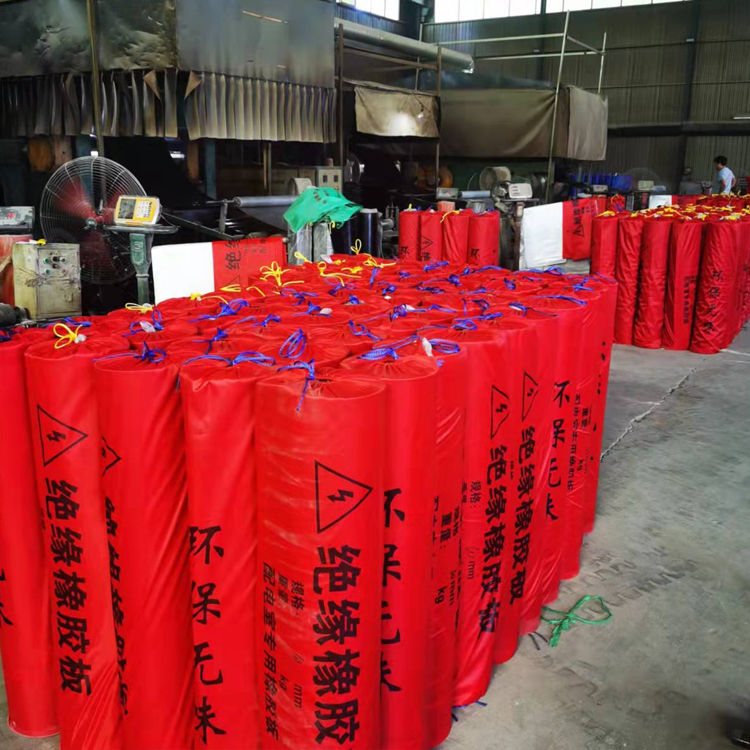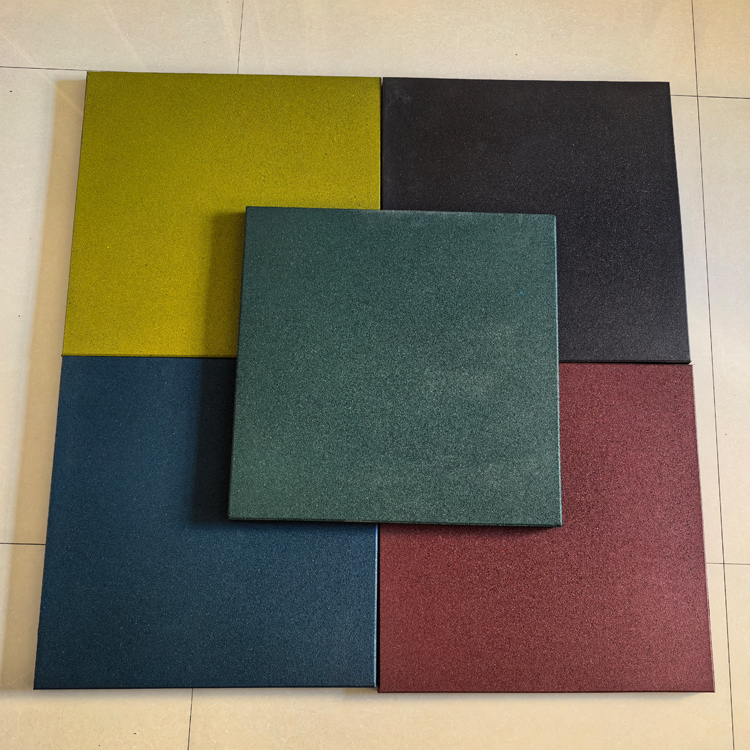
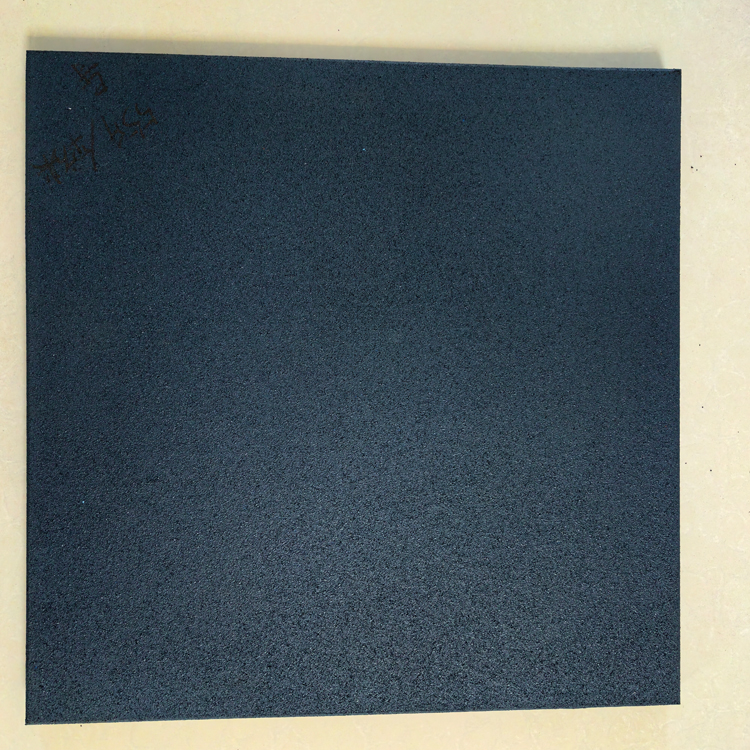


Abrasion-resistant rubber sheets are made primarily from nitrile rubber or chloroprene rubber, reinforced with materials such as fabrics and metal sheets, and then vulcanized into sheet form through calendering and lamination or extrusion [1-2] [4]. The thickness range is 1-80mm, with widths ranging from 500 to 3000mm, and common colors include black, gray, green, and blue. The hardness typically falls between 60°-65°, with tensile strength up to 5.0MPa [5-6]. The product operates within a temperature range of -10 to 60°C, exhibits anti-expansion and sealing properties in oils like engine oil, diesel, and gasoline, and is suitable for sealing of oil tanks, manufacturing of seals, and flooring in areas where contact with greases occurs [3] [5]. The product is categorized into A/B/C types based on characteristics: Type A uses recycled nitrile rubber with fabric reinforcement for anti-slip flooring; Type B, a blend of nitrile and styrene butadiene rubber, boasts excellent wear resistance; Type C contains a high proportion of nitrile rubber, with outstanding resistance to high-temperature oils [4] [6]. Performance testing complies with national standards such as GB/T5574, GB/T528-1998, and is determined by metrics such as tensile strength and Akron abrasion.