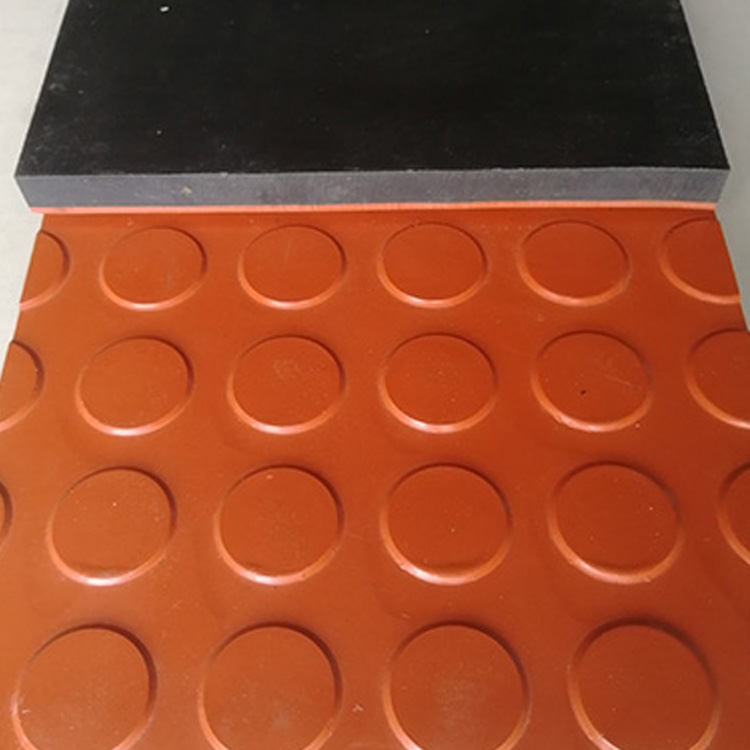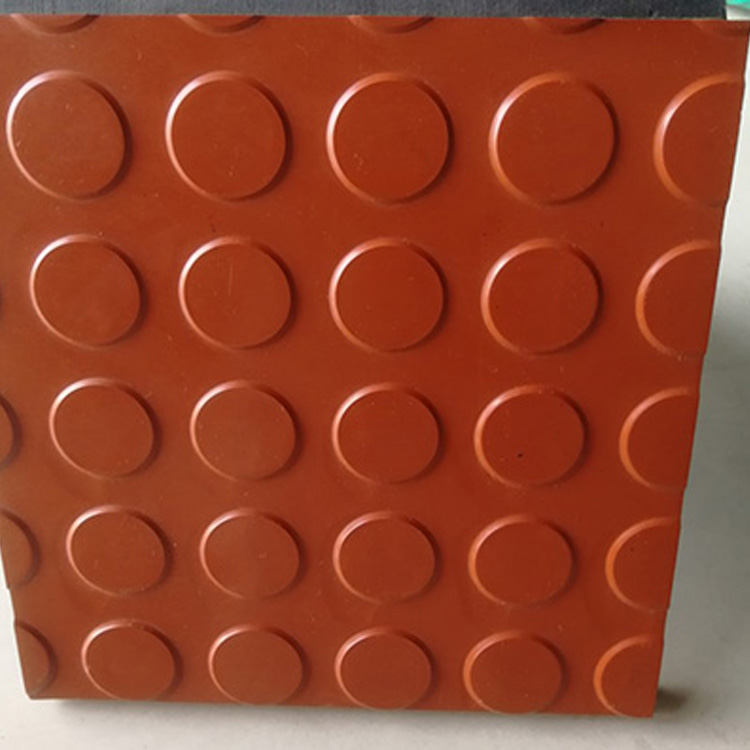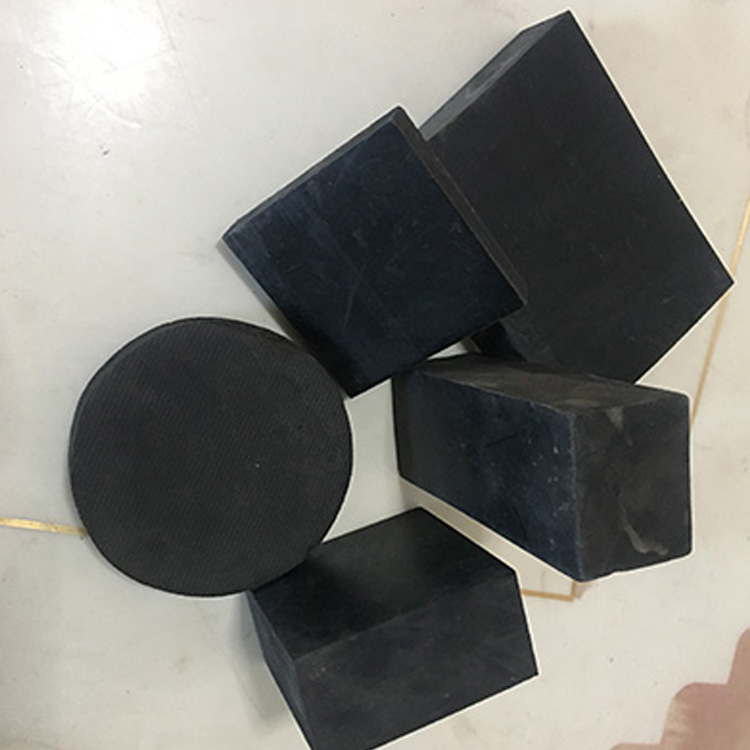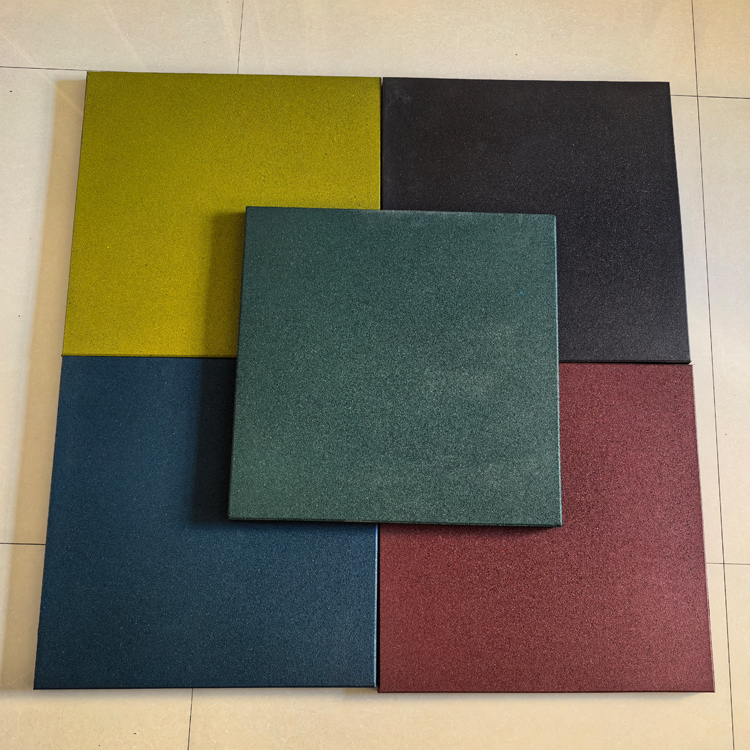



Vibration-damping rubber is a general term for rubber vibration dampers, primarily used for noise reduction and shock buffering through vibration isolation and mitigation, and is applied in fields such as motor vehicles, rail transit, building isolation supports, and industrial equipment [1] [3-4]. Its performance indicators include static stiffness and damping coefficient tanδ, the latter of which needs to maintain a high value and broad peak characteristics within the operating frequency and temperature range to optimize damping effects. The vulcanization system affects the material's stiffness, heat resistance, and fatigue life; traditional vulcanization systems can enhance fatigue resistance but are limited in heat resistance [1-2]. Butyl rubber and nitrile rubber have higher damping coefficients in rubber materials, while natural rubber boasts excellent comprehensive performance. Structural designs are categorized into compression type, shear type, and composite type, with dynamic modulus tailored to different requirements based on the load direction [2]. Building isolation supports use a composite structure of laminated rubber and steel plates, reducing seismic response through horizontal deformation and lead core energy dissipation [3]. The global market size continues to expand, with the application of new materials and virtual simulation technology driving products towards high precision and high-performance development.