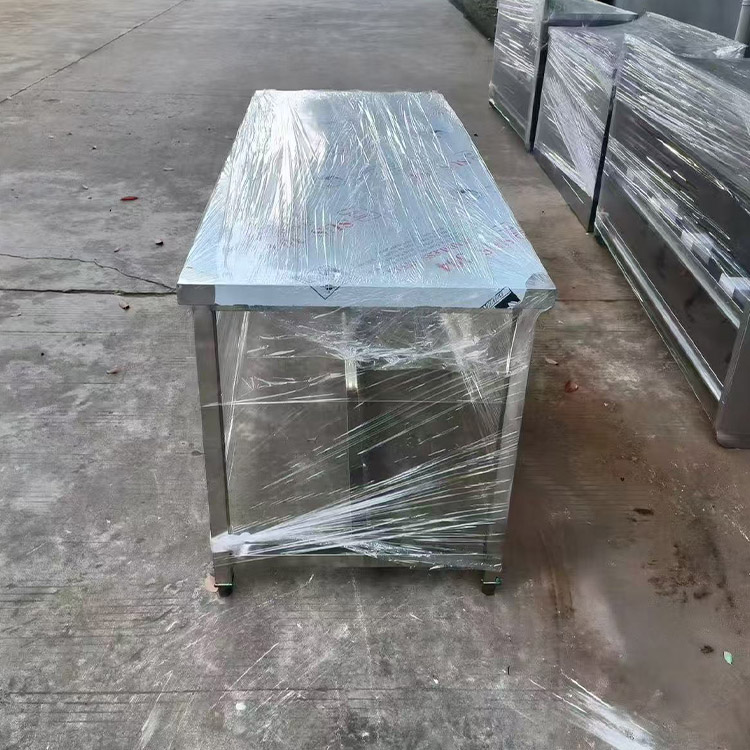


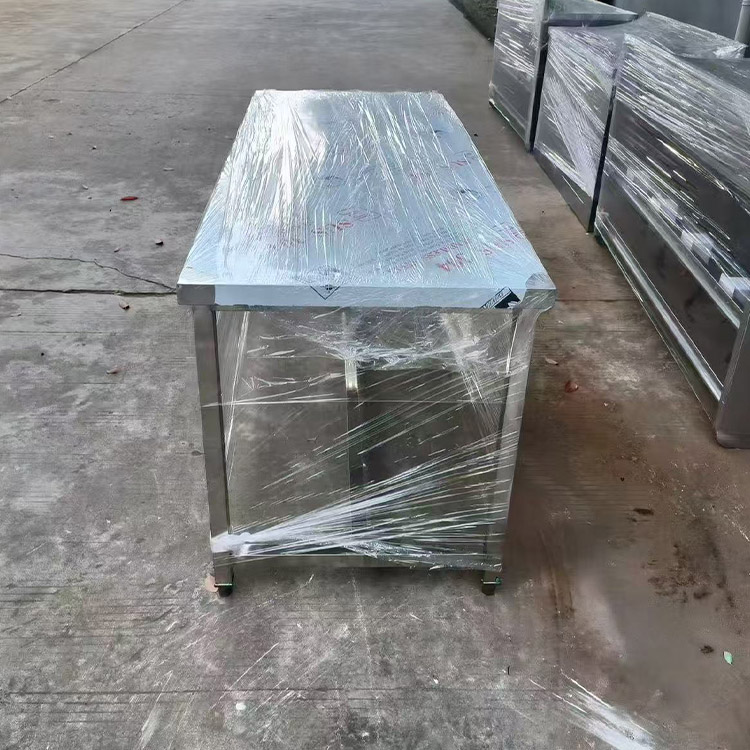









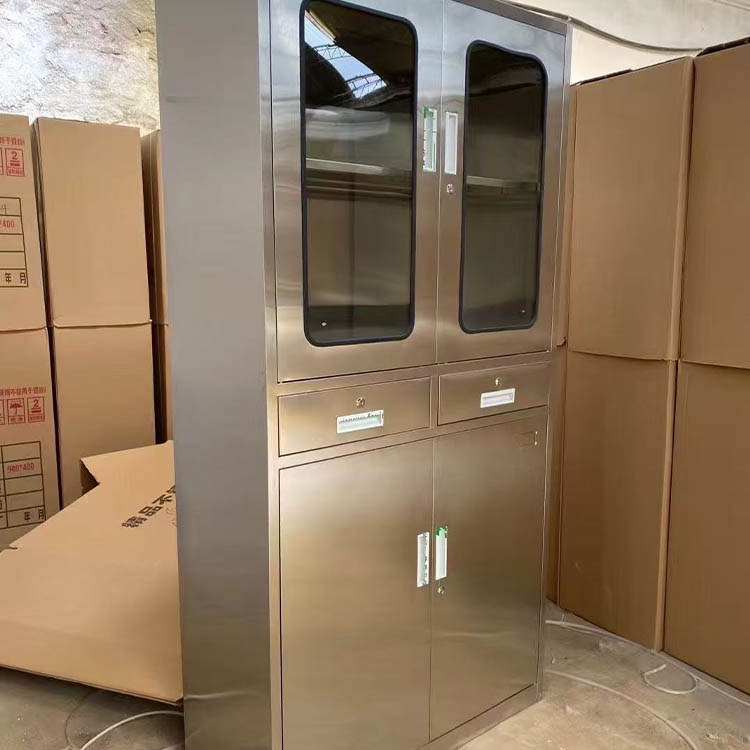
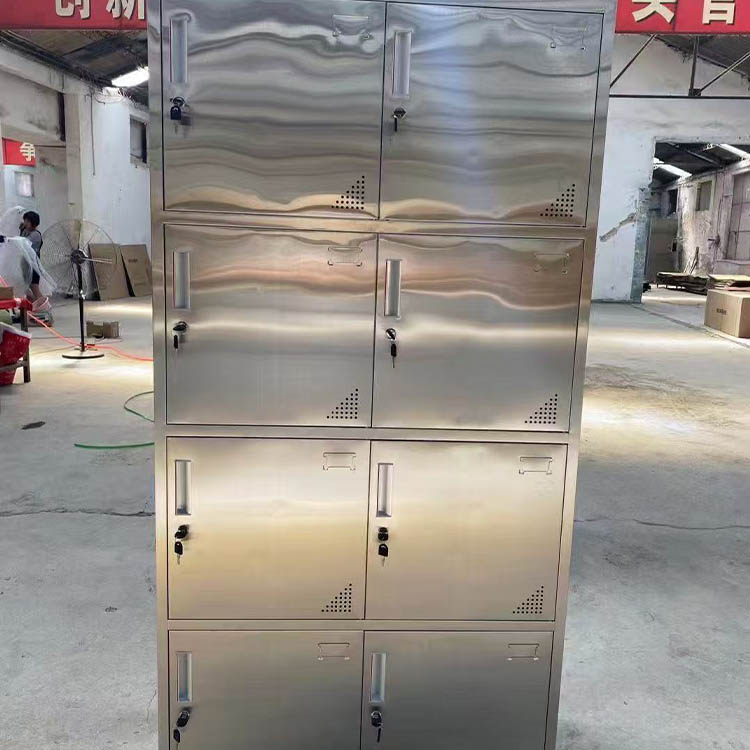

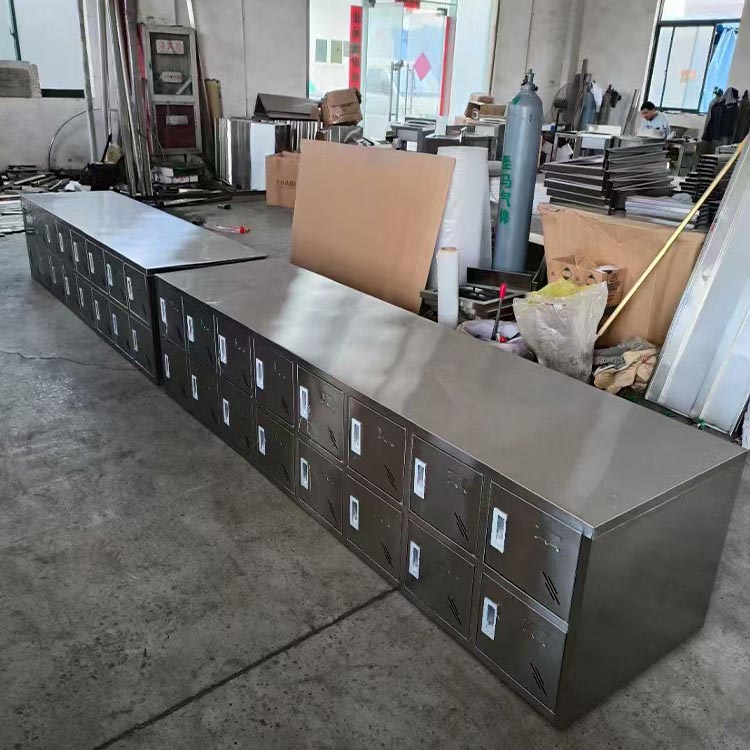
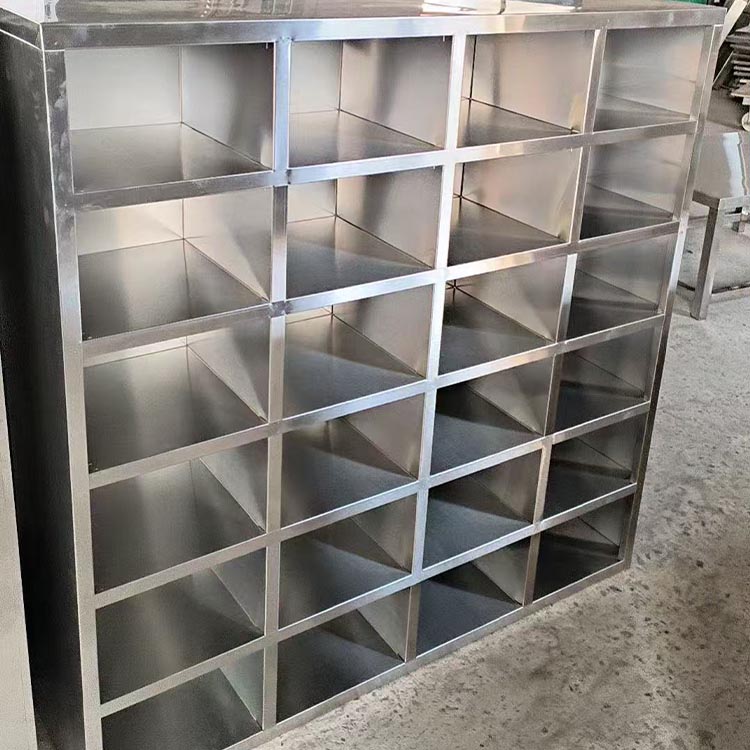
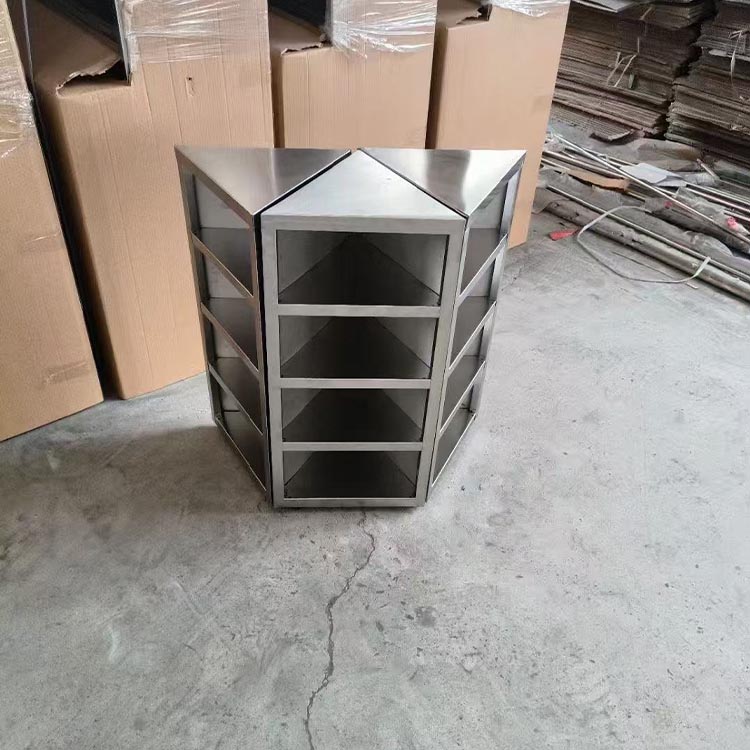
A stainless steel reinforced laboratory workbench is a professional equipment designed for long-term investment. It is particularly suitable for the following scenarios:
Environments with high requirements for hygiene and cleanliness, such as healthcare, food, and biological laboratories.
Chemical and research laboratories requiring contact with chemicals and corrosion resistance.
Laboratories requiring high load-bearing and stability for the placement of heavy machinery and equipment.
A modern laboratory that prioritizes layout flexibility and equipment lifecycle cost efficiency.
Shopping Tips
After understanding its advantages, if you're planning to make a purchase, the following suggestions may be helpful to you:
Confirm Material Type: Ensure that the workbench is made of high-quality food-grade or industrial-grade stainless steel, such as the commonly used 304 stainless steel, which offers a good balance between corrosion resistance and cost-effectiveness. For highly corrosive environments (such as coastal areas or specific chemical industries), consider a higher-grade 316 stainless steel.
Focus on craftsmanship details: The thickness of the material directly reflects "thickened" quality, which is crucial for load-bearing capacity and impact resistance. Also, pay attention to whether the welding points are even and sturdy, and if the edges have been polished. These details are vital for the safety and aesthetic appeal over long-term use.
Plan features and layout: Consider the daily operational workflow of the lab to determine if designs such as a reagent shelf, dedicated water, electricity, and gas lines, or roller mobility are needed. Rational functional planning can greatly enhance work efficiency.
Consider the overall set: Excellent workbenches often come with high-quality hardware accessories, such as sturdy, smooth glide tracks and corrosion-resistant hinges, which are also worth noting.