







【Chemical Composition】Polyoxyethylene, polyoxypropylene block polymer
Type: Non-Ionic
Performance & Applications
1. L61 and L64, F68 are used to formulate low-foaming, high-detergent synthetic detergents; L61 acts as a defoamer in the papermaking or fermentation industry; F68 serves as a defoamer during artificial lung machine blood circulation, preventing air from entering.
2. Polyether has low toxicity and is commonly used as a pharmaceutical excipient and emulsifier; it is frequently utilized in oral sprays, nasal sprays, eye and ear drops, as well as shampoos.
3. Polyether is an effective wetting agent, used in the acidic baths for dyeing fabrics, photographic development, and electroplating. In sugar factories, the use of F68 increases water permeability, allowing for greater sugar extraction.
4. Polyether serves as an effective antistatic agent, with L44 providing long-lasting antistatic protection for synthetic fibers.
5. Polyether acts as a dispersant in emulsion coatings. F68 serves as an emulsifier during the polymerization of ethylene acetate emulsion. L62 and L64 can be used as emulsifiers for pesticides, and as coolant and lubricant in metal cutting and grinding. They also function as lubricants during rubber vulcanization.
6. Polyether can be used as crude oil demulsifier, and L64, F68 can effectively prevent the formation of hard scale in oil pipelines, as well as for the recovery of secondary oil.
7. Polyether can be used as a papermaking additive, and F68 can effectively enhance the quality of coated paper.
8. F38 can be used as an emulsifier, wetting agent, defoamer, demulsifier, dispersant, antistatic agent, dust collector, viscosity regulator, foam control agent, dyeing agent, and gelatinizing agent, etc., for the production of agricultural chemicals, cosmetics, and pharmaceuticals. It is also used in metal processing cleaning, pulp and paper industry, textile processing (spinning, finishing, dyeing, softening), and water treatment. It also serves as a bleaching aid.
9. P65 is primarily used in the woolen textile industry as a wool protector. Adding approximately 0.3% during the wool carbonization process can reduce wool鳞片 damage and increase the strength of individual fibers by 10%, while lowering the breakage rate of yarn by 10%.
Packaging and Storage
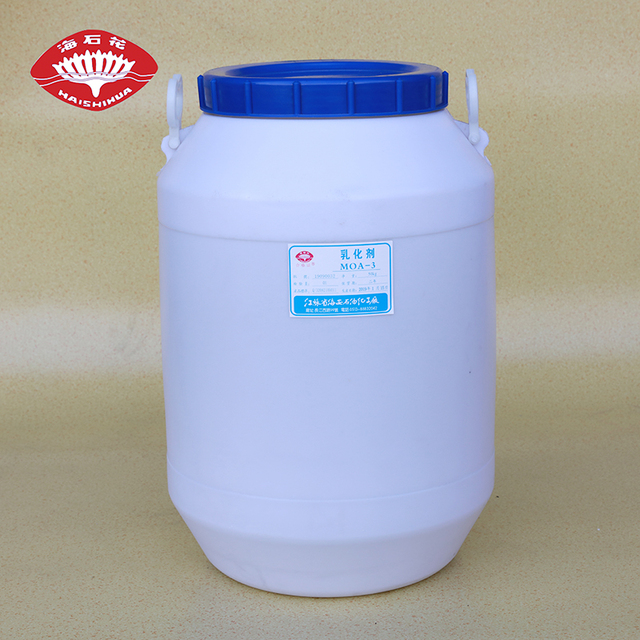
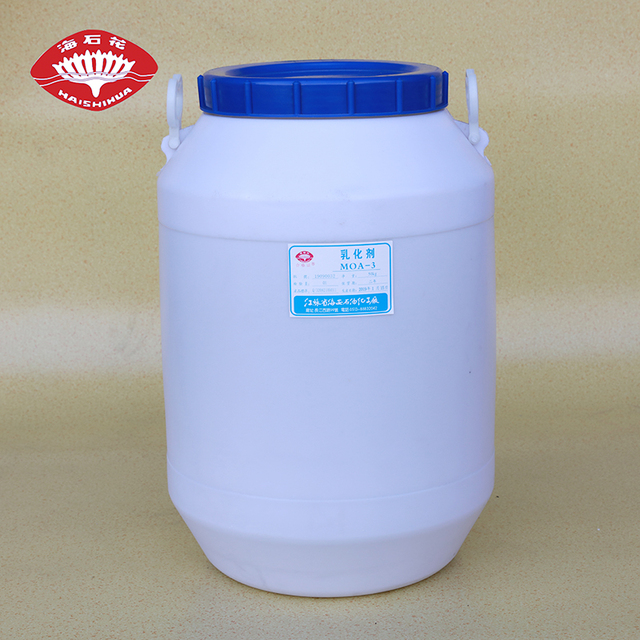
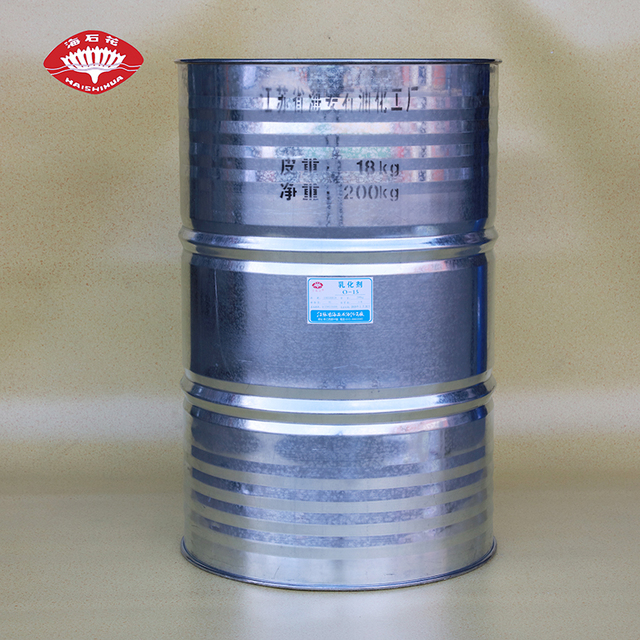
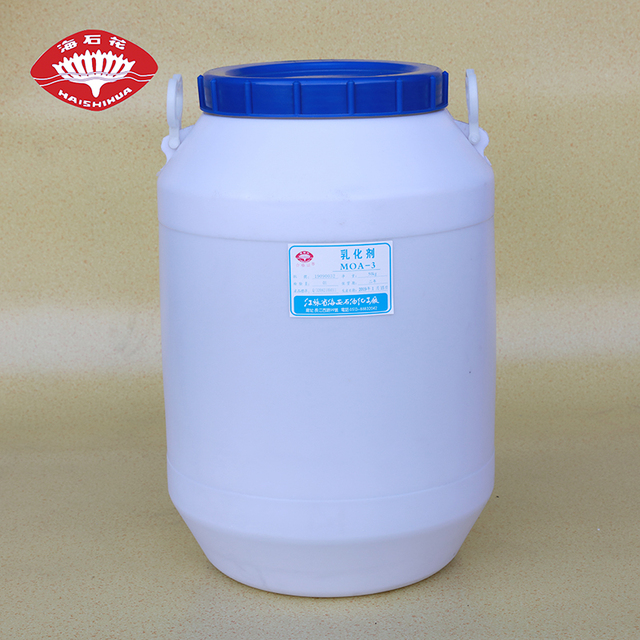
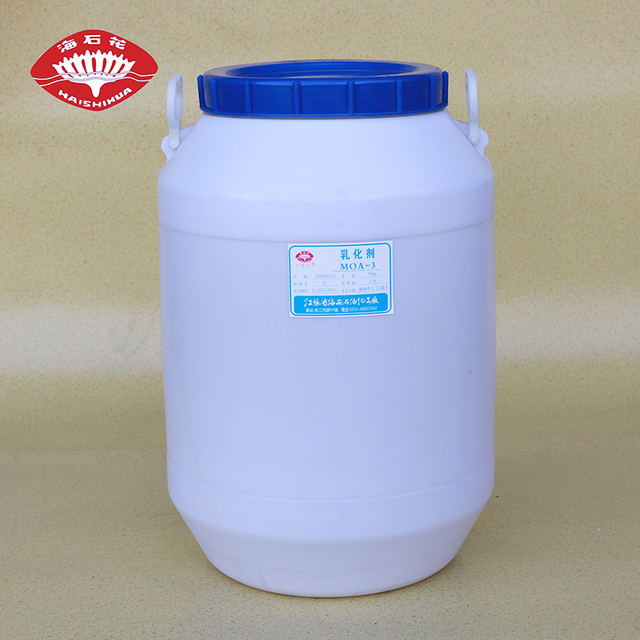
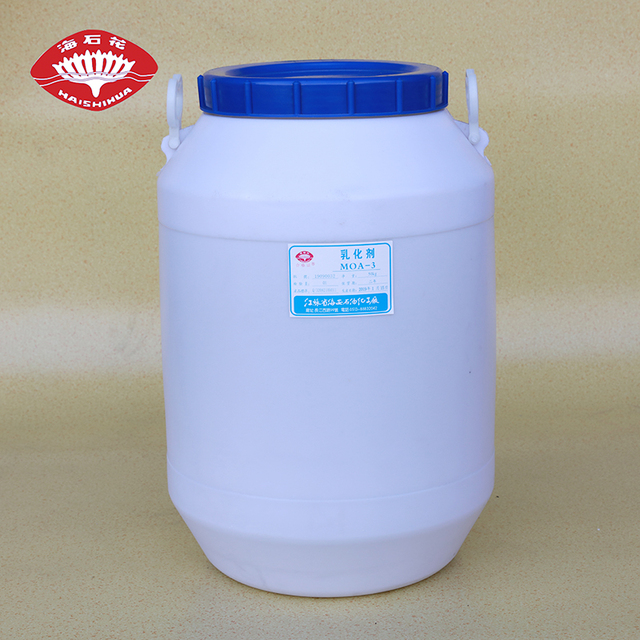
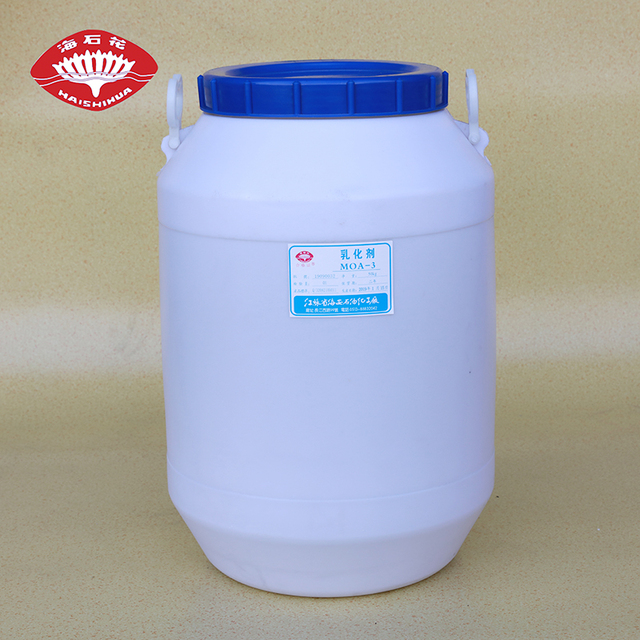
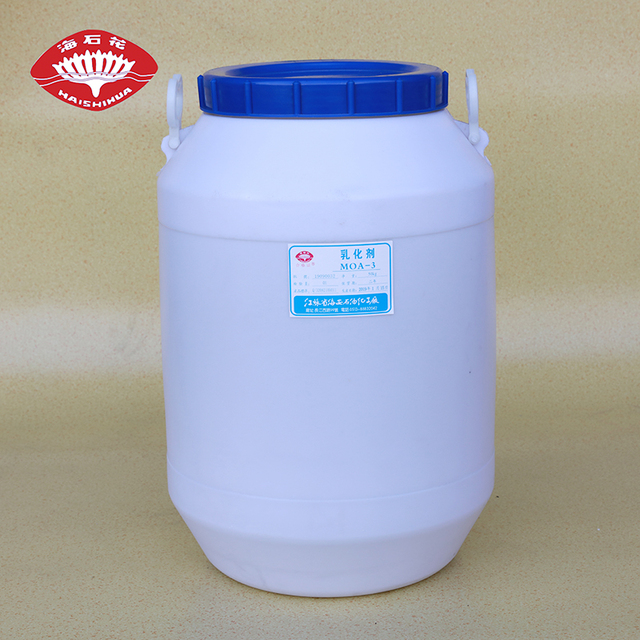
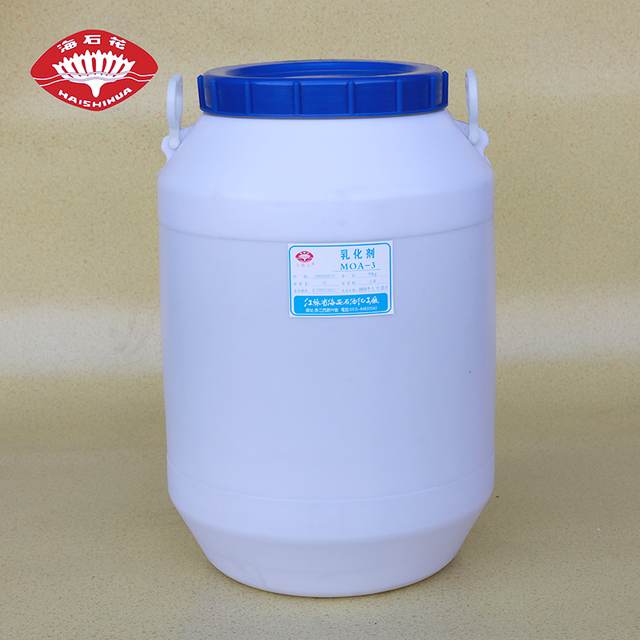
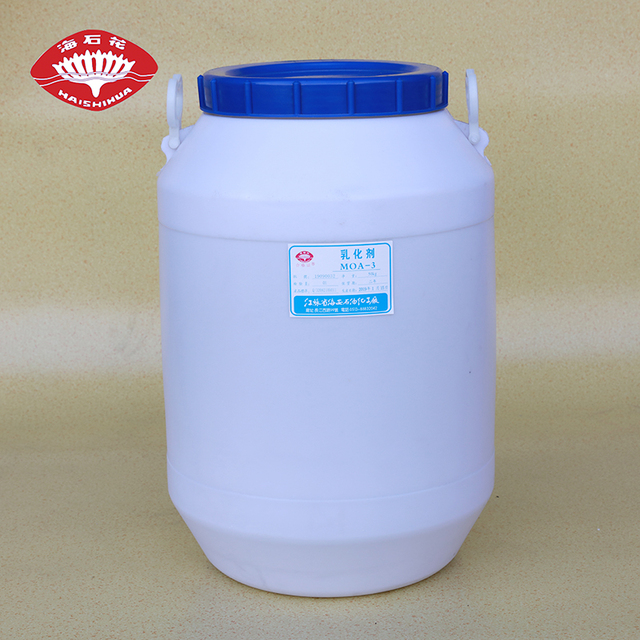
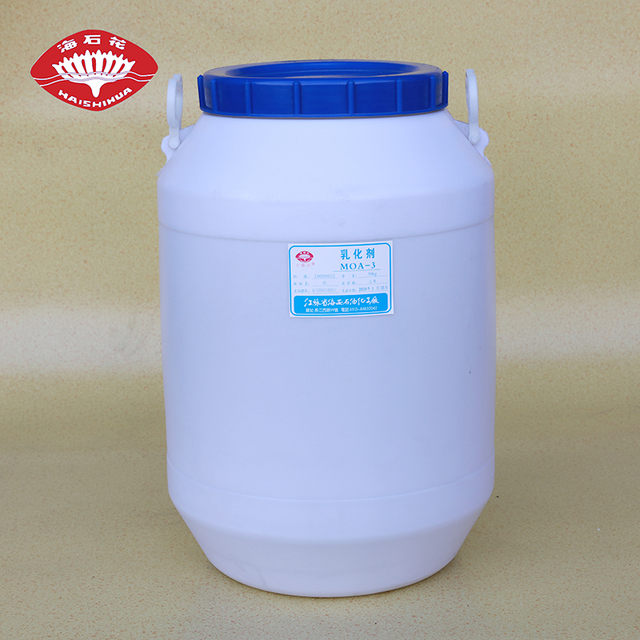
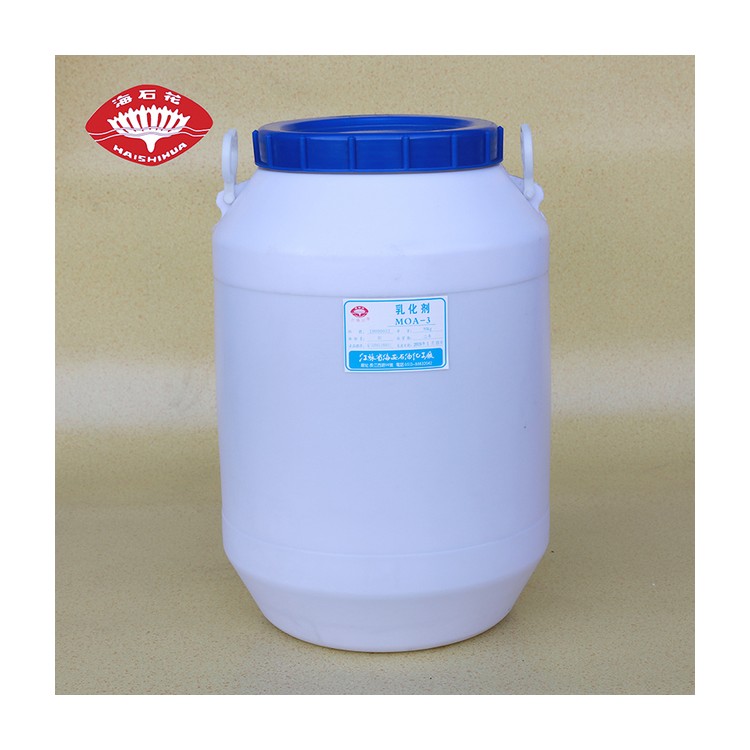
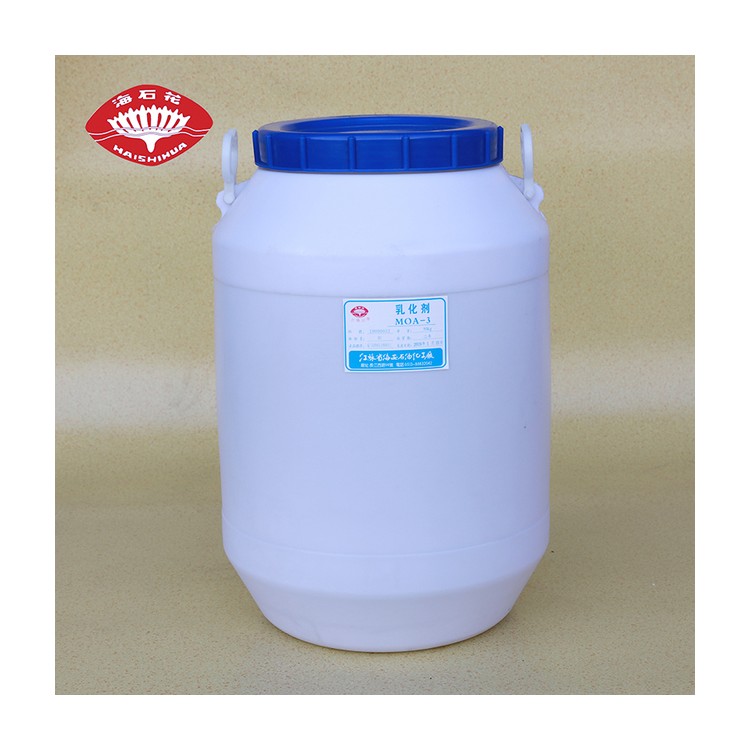
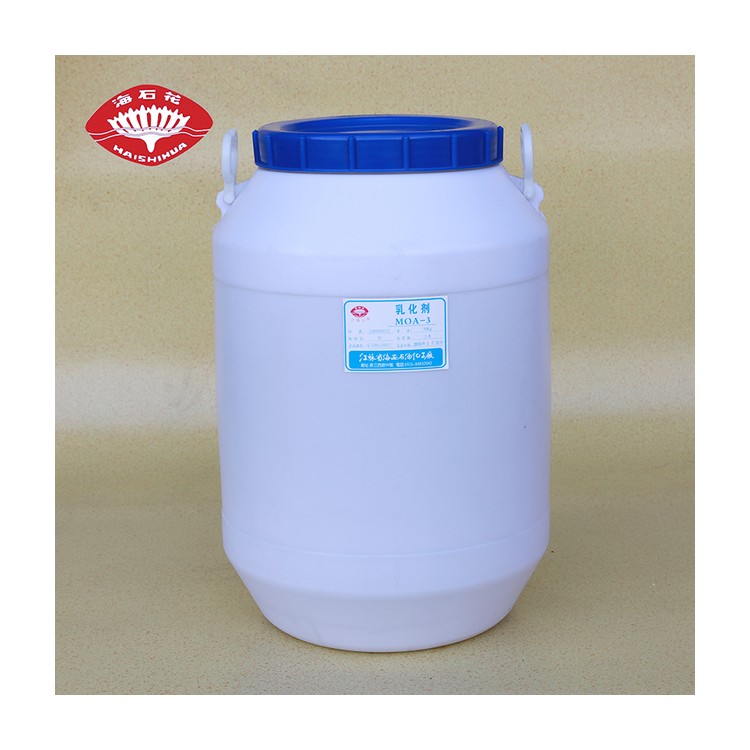
200Kg iron drums, 50Kg plastic drums packaging. Stored and transported as general chemicals. Keep in a dry, well-ventilated area. Shelf life: 2 years.