












China began recycling scrap aluminum in the 1950s. However, for a long time, the recycling and utilization of recycled aluminum has been a marginal industry within China's aluminum industry, with limited statistical and analytical data available, which poses significant difficulties for the research on the recycled aluminum industry.
As an important part of recycled aluminum, aluminum cans have always been a weak link in China's scrap aluminum recycling industry due to their complex composition and difficult recycling process. Although China's recycling rate for aluminum cans is still relatively high, the recovered cans have been damaged in various ways, some even compressed and packed. As a result, it's challenging to separate the body, lid, and ring at the factory. Currently, the common practice is not to separate them and instead directly produce 3004 aluminum alloy.
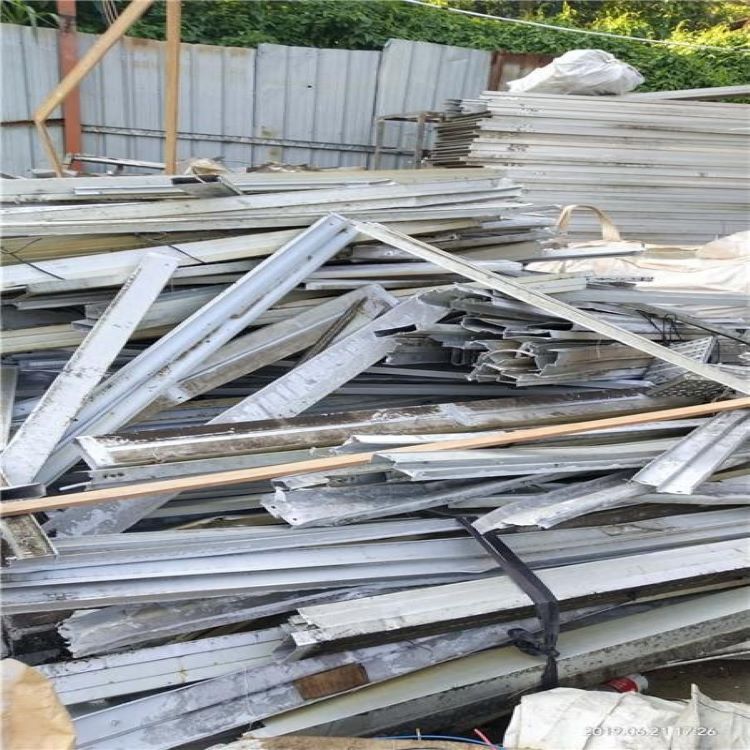
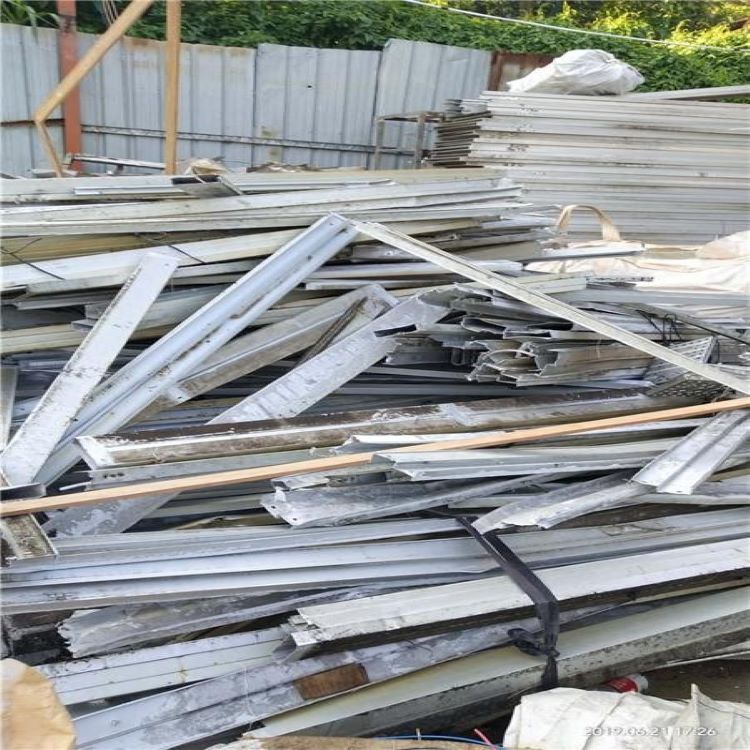
Aluminum alloy recycling can be divided into two main categories: process waste, which includes the scrap and defective materials generated during the production and processing of semi-finished aluminum materials and components in factories. These are typically consumed on-site by large factories for alloy production and rarely flow into the market or are sold to other enterprises. The second category refers to aluminum and aluminum alloy parts or entire products that are scrapped after their service life, collected and sorted, and then sold to aluminum processing plants, foundries, or factories. This is the category commonly referred to in discussions.
Aluminum alloy recycling, waste aluminum is divided into two categories:
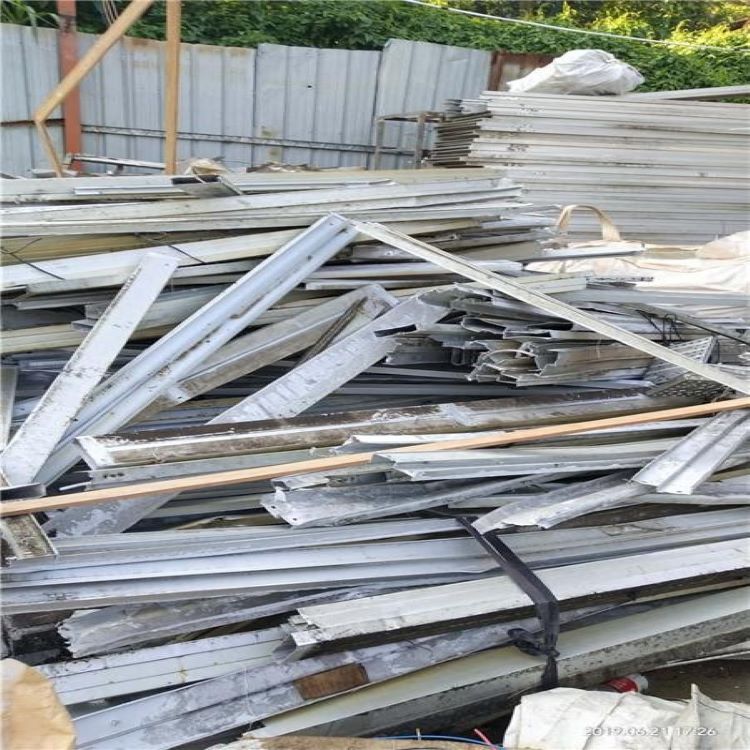
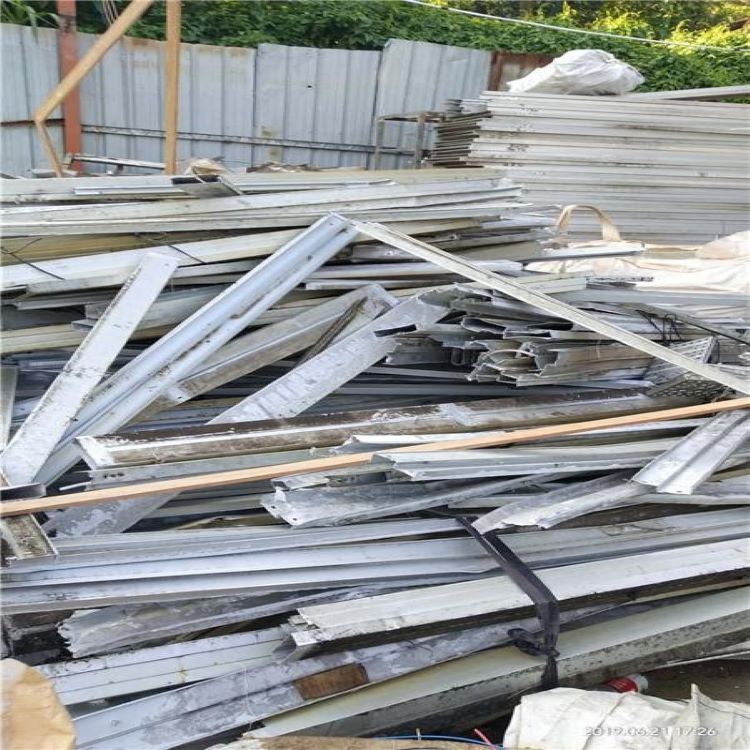
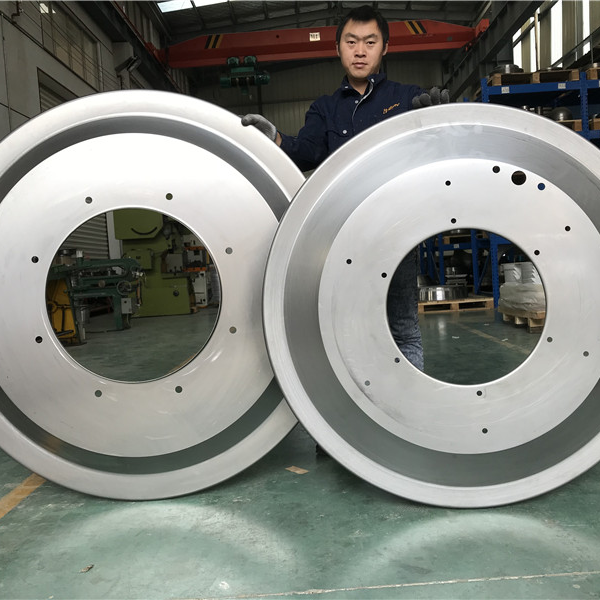
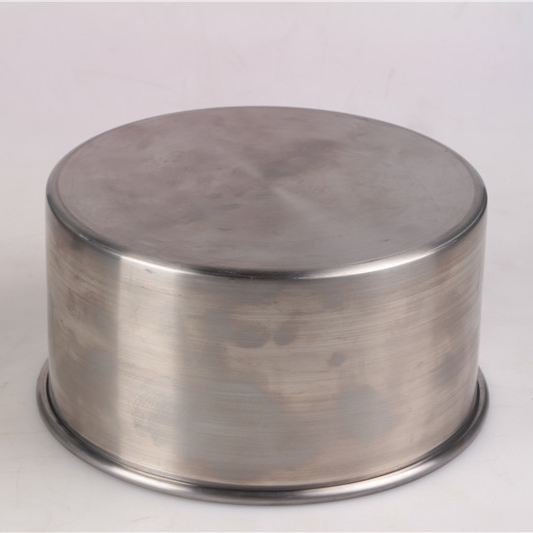
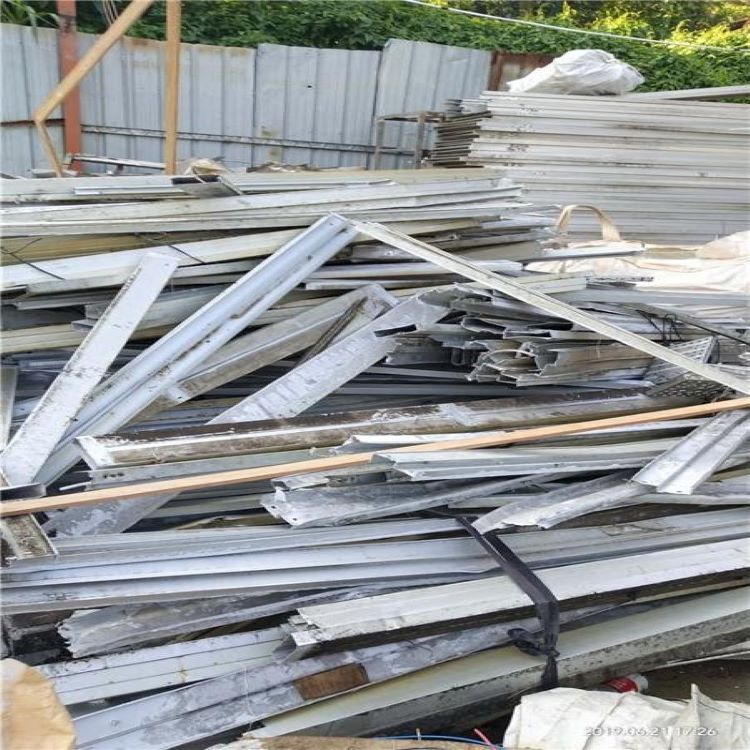
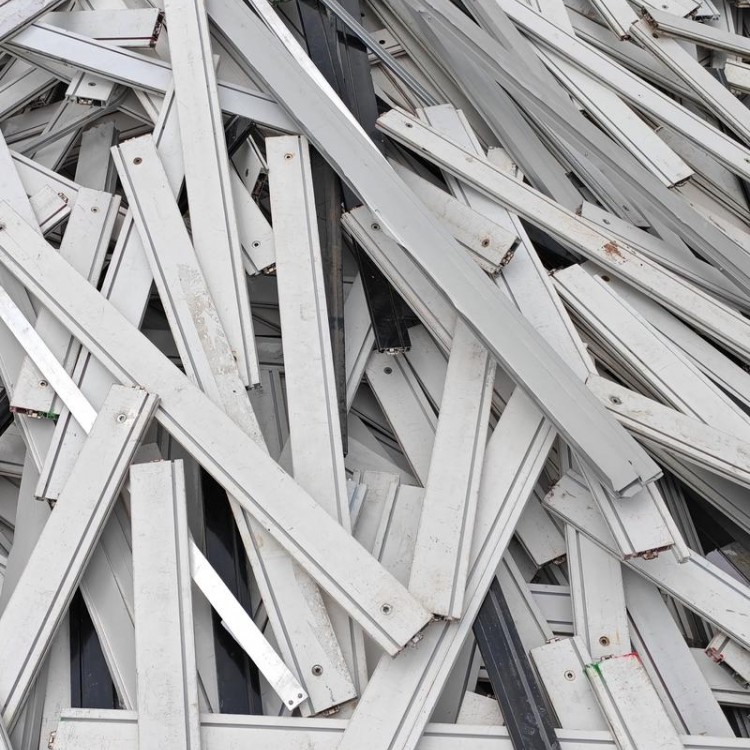
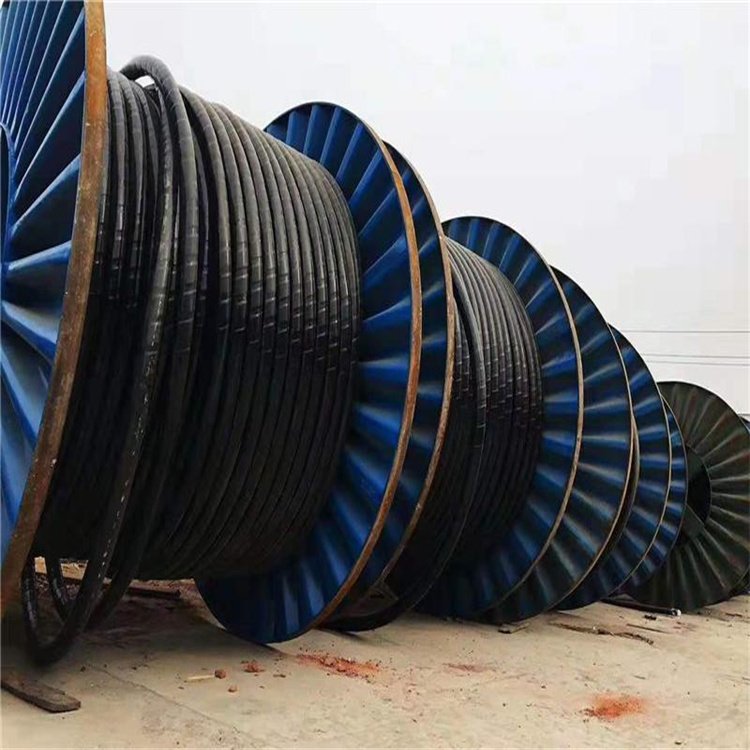
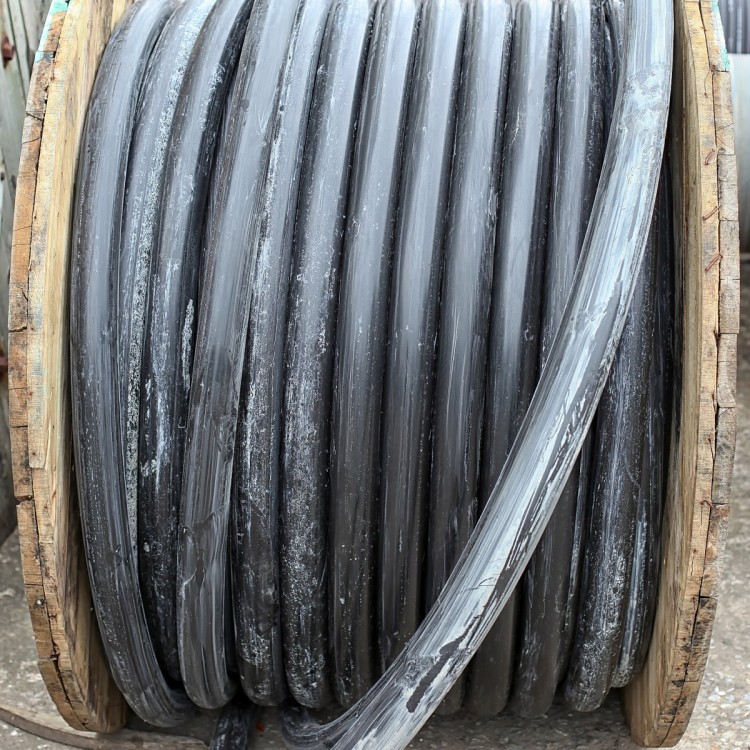
New and old scrap aluminum: The former refers to process waste and products discarded due to non-compliance with composition or performance standards generated during the production process of aluminum processing enterprises and casting manufacturers. These are generally recycled by the manufacturers into the original alloy grade. Some are also transported to aluminum electrolysis plants in the form of raw material processing for casting blanks needed for exchange. Such new scrap is not counted in the statistics of scrap aluminum. Old scrap refers to scrap aluminum and aluminum parts purchased from the market, such as old aluminum windows and doors from renovations, scrapped vehicles, appliances, machinery, aluminum components in structures, used aluminum cans and various aluminum containers, aluminum conductors and metal parts from expired or power grid scrap, as well as worn-out aluminum kitchenware, etc. It also includes waste and defective products generated during the processing of semi-finished aluminum products into finished aluminum products, such as waste and shavings from processing aluminum windows and doors, deep drawing aluminum cans, and casting and forging.
WeChat Official Account

Scan to follow Official Account